
Are you looking for a natural way to improve your overall health and well-being? Meditation, often used in alternative medicine practices, is a powerful tool that can help reduce stress, improve focus, and promote relaxation. By incorporating regular meditation into your daily routine, you can experience a range of benefits for both your mind and body. Whether you’re a beginner or a seasoned practitioner, there are various techniques and approaches to meditation that can help you achieve inner peace and harmony. Take some time each day to quiet your mind, connect with your breath, and allow yourself to let go of any tension or worries. With consistent practice, you can harness the healing powers of meditation and enjoy a healthier, more balanced life. Have you been considering trying alternative medicine practices such as meditation to improve your overall well-being? Meditation has been used for centuries to promote relaxation, reduce stress, and enhance mindfulness. If you’re unsure where to start or how to incorporate meditation into your routine, this article will provide you with the best ways to practice meditation for alternative medicine. Let’s explore the different meditation techniques and tips to help you get started on your meditation journey.
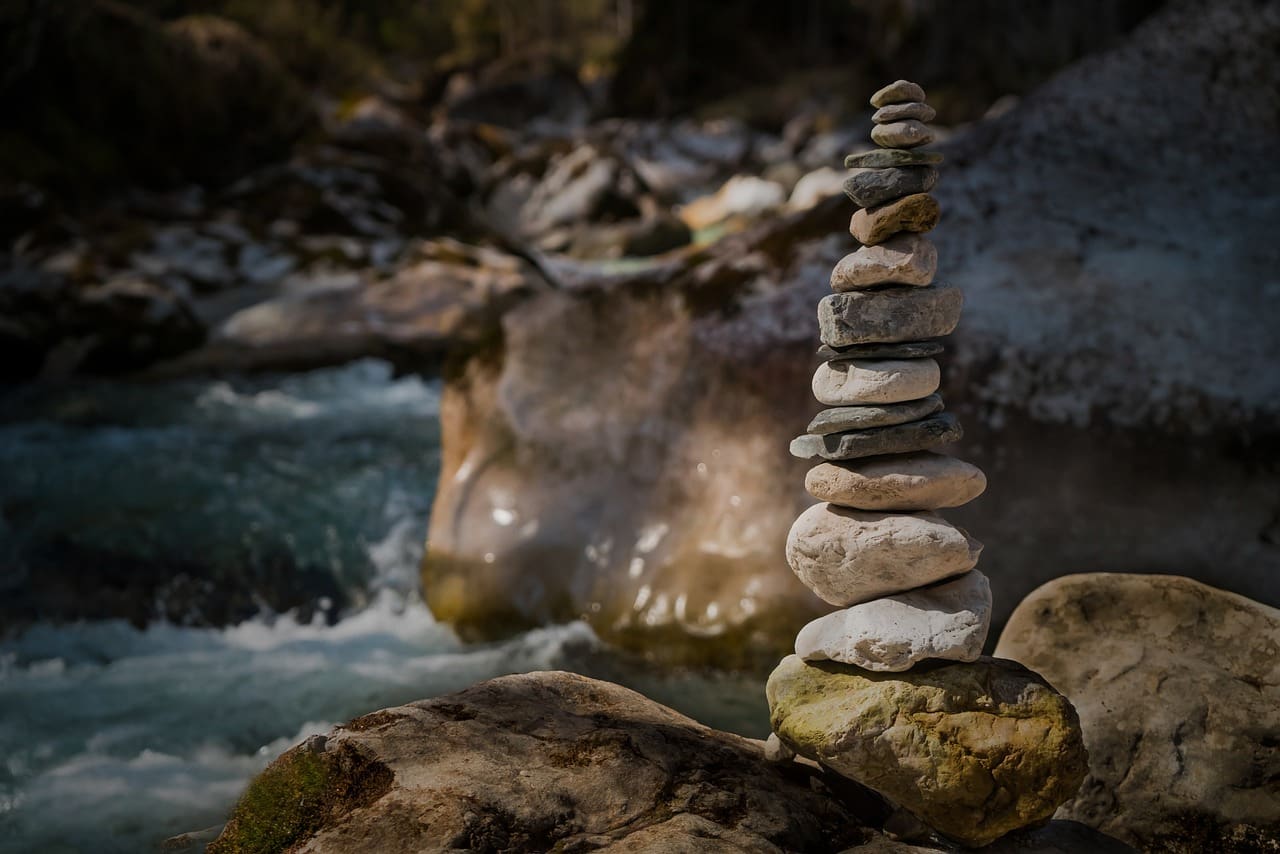
Understanding Meditation for Alternative Medicine
Before diving into the best ways to practice meditation, it’s essential to understand what meditation is and how it can benefit your overall health and well-being. Meditation is a mind-body practice that involves focusing your mind on a particular object, thought, or activity to achieve a state of relaxation and heightened awareness.
Benefits of Meditation
- Reduce stress and anxiety
- Improve sleep quality
- Enhance mindfulness and awareness
- Increase self-awareness and emotional health
- Boost concentration and memory
Meditation has been shown to have numerous physical, mental, and emotional benefits, making it a popular alternative medicine practice for individuals seeking holistic approaches to their health.
Different Types of Meditation Techniques
There are various meditation techniques that you can explore to find the one that best suits your preferences and goals. Each type of meditation has its unique focus and benefits, so it’s essential to try different techniques to see which one resonates with you the most.
Mindfulness Meditation
Mindfulness meditation involves paying attention to the present moment without judgment. This technique focuses on observing your thoughts, emotions, and sensations as they arise, promoting self-awareness and acceptance.
Transcendental Meditation
Transcendental meditation is a technique that involves silently repeating a mantra to achieve a state of deep relaxation and inner peace. This practice aims to transcend ordinary thinking and reach a state of pure consciousness.
Loving-Kindness Meditation
Loving-kindness meditation, also known as Metta meditation, focuses on cultivating feelings of love, compassion, and goodwill towards yourself and others. This practice aims to promote kindness and empathy towards oneself and others.
Body Scan Meditation
Body scan meditation involves systematically scanning your body from head to toe, paying attention to any tension or sensations you may be experiencing. This technique helps promote relaxation and body awareness.

Tips for Practicing Meditation
If you’re new to meditation or struggling to maintain a regular practice, here are some tips to help you get started and stay consistent with your meditation routine.
Set Aside a Specific Time and Space
Choose a specific time of day and a quiet, comfortable space where you can meditate without distractions. Setting aside a dedicated time and place for meditation can help you establish a consistent practice.
Start with Short Sessions
Begin with short meditation sessions, such as 5-10 minutes, and gradually increase the duration as you become more comfortable with the practice. Starting with shorter sessions can help you build consistency and avoid feeling overwhelmed.
Focus on Your Breath
One of the most common meditation techniques is focusing on your breath. Pay attention to the sensation of your breath as you inhale and exhale, using it as an anchor to bring your mind back to the present moment.
Practice Non-Judgmental Awareness
As you meditate, observe your thoughts and emotions without judgment or attachment. Instead of getting caught up in your thoughts, acknowledge them and let them pass, returning your focus to your breath or chosen meditation object.
Incorporating Meditation into Your Daily Routine
Now that you’re familiar with different meditation techniques and tips for practicing meditation, it’s essential to find ways to incorporate meditation into your daily routine to reap the full benefits of this alternative medicine practice.
Morning Meditation Routine
Start your day with a morning meditation routine to set a positive and mindful tone for the rest of the day. You can meditate upon waking up, before breakfast, or after completing a short exercise routine.
Midday Mindfulness Break
Take a midday mindfulness break to pause, reset, and refocus your mind and body. Use this time to practice a short mindfulness meditation or breathing exercise to reduce stress and increase awareness.
Evening Relaxation Meditation
Wind down your day with an evening relaxation meditation to help you unwind and prepare for a restful night’s sleep. Incorporate calming and soothing meditation techniques to promote relaxation and release tension from the day.
Meditation Before Bed
Practice a brief meditation before bed to help calm your mind and relax your body for a peaceful night’s rest. Focus on mindfulness, breathing exercises, or guided meditation to promote deep relaxation and improve sleep quality.

Tracking Your Meditation Progress
To stay motivated and monitor your meditation progress, consider tracking your meditation sessions, duration, and any changes you notice in your overall well-being. Keeping a meditation journal or using meditation apps can help you stay consistent and track your growth over time.
Meditation Journal
Keep a meditation journal to record your daily meditation practice, thoughts, feelings, and any insights or reflections you experience during your sessions. Journaling can help you track your progress, identify patterns, and set intentions for your meditation practice.
Meditation Apps
Use meditation apps to access guided meditations, timers, and mindfulness exercises to support your meditation practice. There are numerous apps available that cater to different meditation preferences, experience levels, and goals.
Conclusion
Practicing meditation for alternative medicine can be a transformative and fulfilling journey towards improved mental, emotional, and physical well-being. By exploring different meditation techniques, incorporating meditation into your daily routine, and tracking your progress, you can experience the numerous benefits of meditation in your life. Whether you’re a beginner or a seasoned practitioner, the key is to approach meditation with an open mind, patience, and self-compassion. Take the time to explore different meditation practices, find what works best for you, and make meditation a consistent part of your holistic health and wellness routine. Remember that the best way to practice meditation is the one that resonates with you and brings you peace, clarity, and mindfulness. Enjoy your meditation journey and embrace the transformative power of this ancient practice in your life.