
Welcome to an informative article on the best ways to prevent allergies and asthma. These health conditions can be frustrating and discomforting, but with the right knowledge and preventative measures, you can significantly reduce your symptoms and improve your quality of life. By making simple changes to your environment, lifestyle, and habits, you can take proactive steps towards managing and preventing allergies and asthma. Stay tuned to learn more about these effective strategies!
Do You Suffer From Allergies and Asthma?
Are you tired of constantly dealing with allergies and asthma symptoms? In this article, we will explore the best ways to prevent allergies and asthma so that you can live a healthier and happier life. Let’s dive into some practical tips and strategies that can help you manage your symptoms effectively.
Understanding Allergies and Asthma
Allergies and asthma are common conditions that affect millions of people worldwide. Allergies occur when your immune system overreacts to a harmless substance such as pollen, dust mites, or pet dander. Asthma, on the other hand, is a chronic respiratory condition that causes inflammation and narrowing of the airways, leading to difficulty breathing.
How Allergies and Asthma Are Connected
Many people who suffer from allergies also have asthma, and vice versa. Allergies can trigger asthma symptoms in some individuals, leading to coughing, wheezing, and shortness of breath. Understanding the connection between allergies and asthma is crucial for effective management and prevention of both conditions.
Best Practices for Preventing Allergies
Preventing allergies starts with identifying your triggers and taking steps to avoid exposure to them. Here are some best practices for preventing allergies:
Identify Your Allergy Triggers
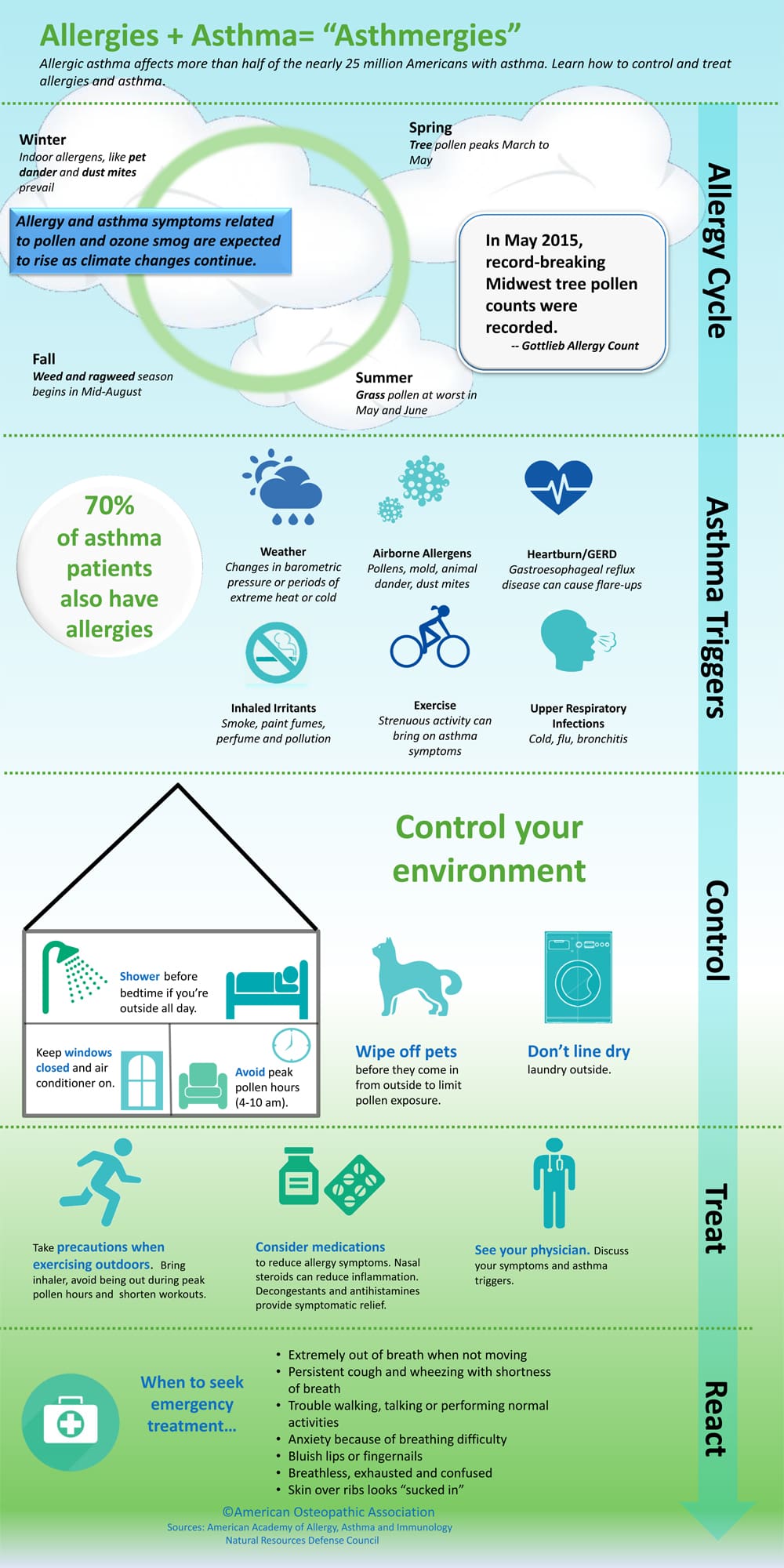
The first step in preventing allergies is to identify your allergy triggers. Common allergens include pollen, dust mites, pet dander, mold, and certain foods. Keeping a symptom diary can help you pinpoint the specific triggers that worsen your symptoms.
Reduce Indoor Allergens
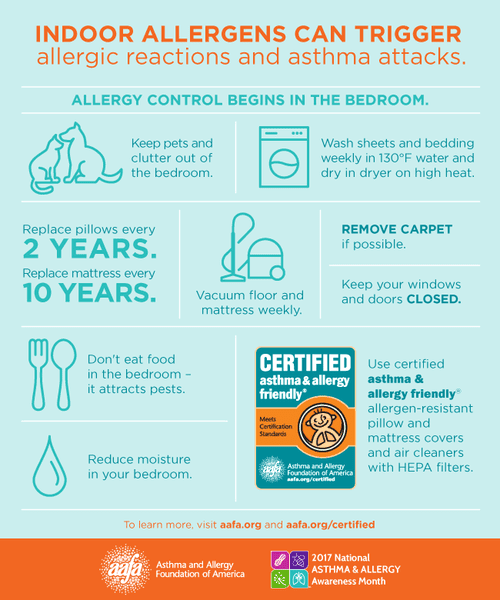
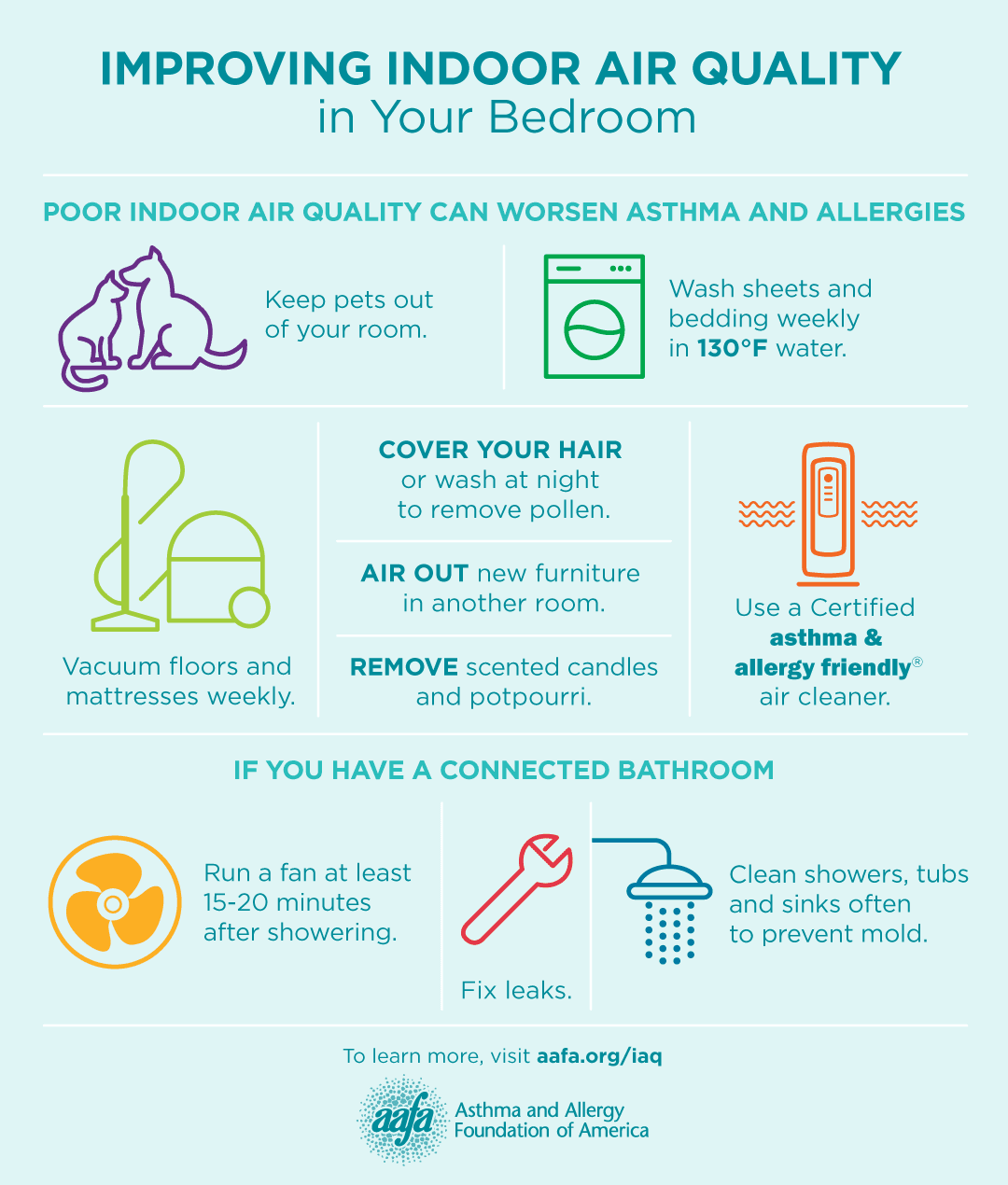
To reduce indoor allergens, make sure to keep your home clean and dust-free. Use allergen-proof pillowcases and mattress covers, wash bedding regularly in hot water, and vacuum carpets and upholstery frequently. Consider using an air purifier to remove allergens from the air.
Limit Outdoor Exposure
When pollen counts are high, limit your outdoor exposure by keeping windows and doors closed, using air conditioning, and wearing a pollen mask when doing yard work. Check pollen forecasts regularly and plan your outdoor activities accordingly to minimize exposure to allergens.
Practice Good Hygiene
Practicing good hygiene can help prevent allergic reactions. Wash your hands frequently, especially after touching pets or being outdoors, and shower before bedtime to remove allergens from your skin and hair. Avoid sharing towels and bedding with others to prevent cross-contamination of allergens.
Best Practices for Preventing Asthma
Preventing asthma involves managing your symptoms and avoiding triggers that can worsen your condition. Here are some best practices for preventing asthma:
Take Your Medications as Prescribed
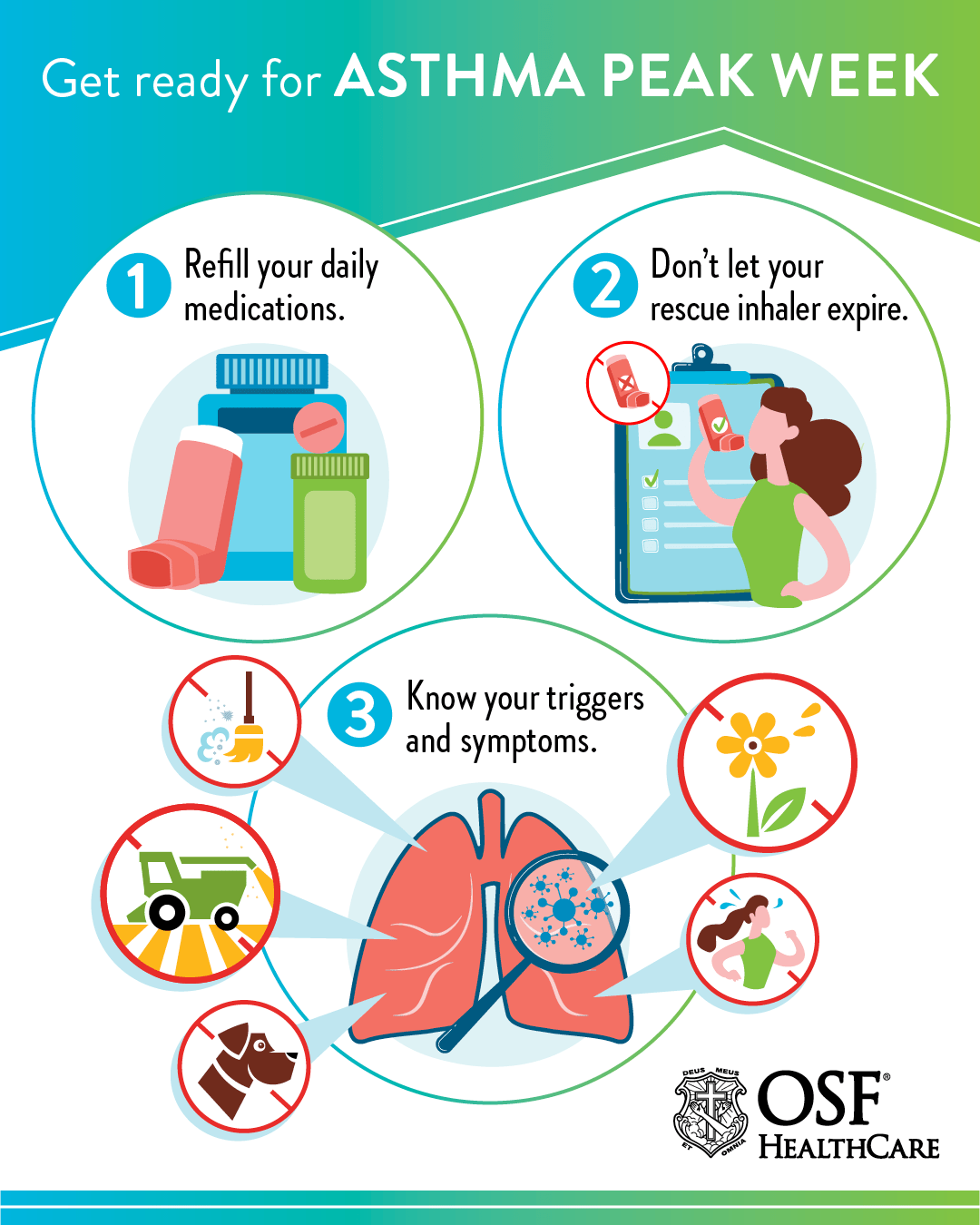
If you have asthma, it is essential to take your medications as prescribed by your healthcare provider. This may include controller medications to manage inflammation and prevent asthma attacks, as well as rescue inhalers to provide quick relief during an asthma attack.
Avoid Asthma Triggers
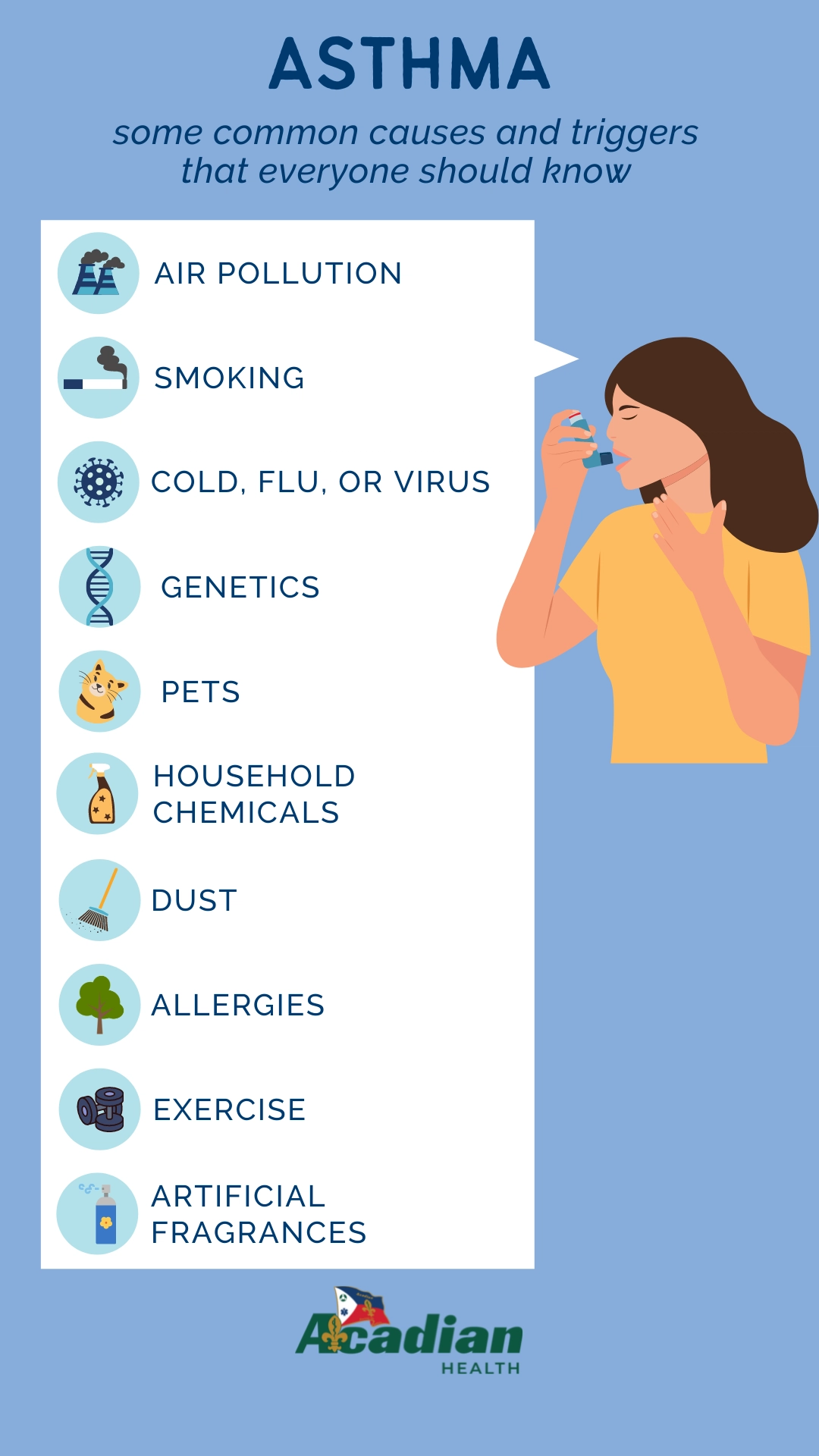
Avoiding asthma triggers is key to preventing asthma symptoms. Common asthma triggers include allergens, air pollution, tobacco smoke, strong odors, and respiratory infections. Identify your asthma triggers and take steps to avoid exposure to them as much as possible.
Keep Your Home Smoke-Free
Secondhand smoke can worsen asthma symptoms and trigger asthma attacks. Keep your home smoke-free by not allowing smoking indoors and avoiding exposure to smoke from outdoor sources. Encourage family members and visitors to smoke outside to protect your respiratory health.
Stay Active and Maintain a Healthy Weight
Staying active and maintaining a healthy weight can help improve your lung function and reduce asthma symptoms. Regular exercise can strengthen your respiratory muscles and improve your overall fitness, making it easier to manage your asthma. Consult with your healthcare provider before starting a new exercise program to ensure it is safe for you.
Allergy and Asthma-Friendly Home Tips
Creating an allergy and asthma-friendly home environment is essential for managing your symptoms and preventing flare-ups. Here are some tips to make your home more allergy and asthma-friendly:
Use Allergy-Friendly Bedding
Invest in allergy-friendly bedding such as hypoallergenic pillows, mattresses, and bedding covers to reduce exposure to dust mites and other allergens. Wash bedding in hot water weekly to kill dust mites and remove allergens that can trigger allergies and asthma.
| Item | Allergy-Friendly Feature |
|---|---|
| Hypoallergenic Pillow | Designed to resist allergens |
| Mattress Cover | Protects against dust mites |
| Bedding Set | Made of allergy-friendly materials |
Maintain Clean Air
Improve indoor air quality by using an air purifier with a HEPA filter to remove allergens from the air. Keep your home well-ventilated by opening windows when weather permits and using exhaust fans in the kitchen and bathroom to reduce moisture and prevent mold growth.
Control Humidity Levels
Keep humidity levels between 30-50% to prevent mold growth and reduce dust mites in your home. Use a dehumidifier in damp areas such as basements and bathrooms to control humidity levels, and repair any leaks or water damage promptly to prevent mold growth.
Minimize Clutter
Reduce clutter in your home to minimize dust accumulation and make cleaning easier. Store belongings in enclosed containers or bins to prevent dust buildup, and declutter regularly to create a clean and organized living space that is easier to maintain.
Conclusion
Preventing allergies and asthma requires a proactive approach to managing your symptoms and avoiding triggers that can worsen your condition. By following the best practices outlined in this article and creating an allergy and asthma-friendly home environment, you can reduce your risk of flare-ups and enjoy a better quality of life. Remember to consult with your healthcare provider for personalized recommendations and treatment options to effectively manage your allergies and asthma. Stay proactive, stay informed, and take control of your respiratory health today!