
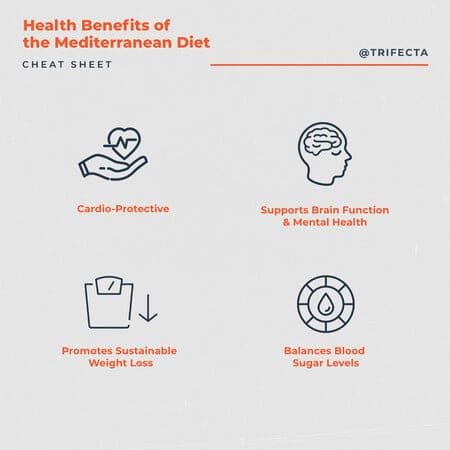
Welcome to an article all about the wonderful benefits of following a Mediterranean diet. By incorporating plenty of fruits, vegetables, whole grains, and healthy fats like olive oil and nuts into your meals, you can improve your heart health, reduce inflammation, and even lower your risk of developing chronic diseases like diabetes and cancer. With so many delicious and nutritious foods to choose from, you’ll be well on your way to feeling your best and enjoying a longer, healthier life by embracing the Mediterranean way of eating. Have you ever wondered why the Mediterranean Diet is so highly recommended by health professionals and nutritionists around the world? Well, wonder no more! In this article, we will explore the incredible benefits of following a Mediterranean Diet. From improving heart health to promoting weight loss, this diet has a wide range of advantages that can positively impact your overall well-being. So, grab a pen and paper, because you’re going to want to take notes on how this simple yet effective way of eating can revolutionize your health.
What is a Mediterranean Diet?
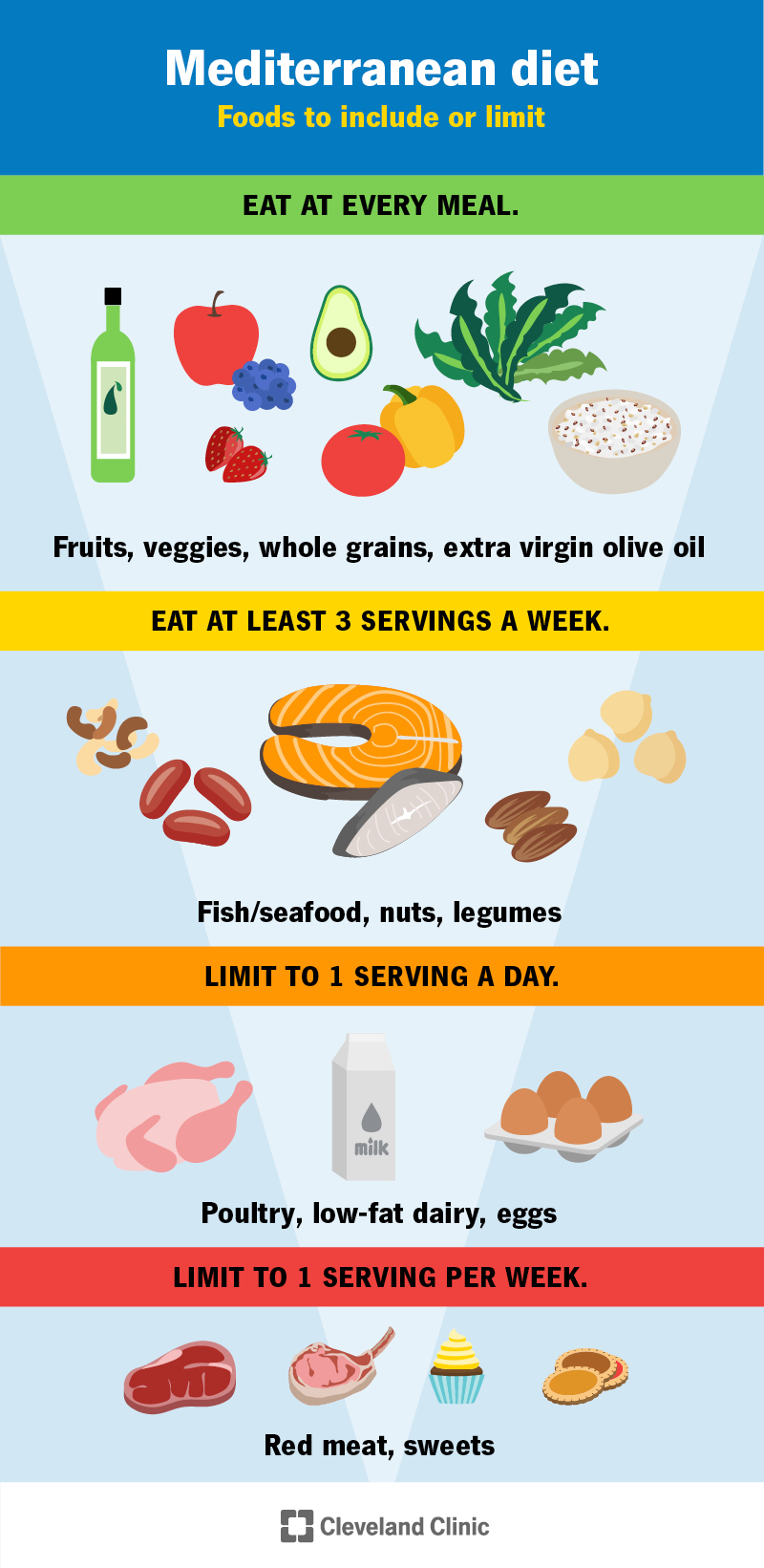
If you’re not familiar with the Mediterranean Diet, let’s start with the basics. This popular eating pattern is inspired by the traditional foods and flavors of the countries that surround the Mediterranean Sea, such as Greece, Italy, and Spain. The diet is characterized by an abundance of fruits, vegetables, whole grains, and healthy fats, with moderate amounts of lean protein, such as fish and poultry. Red meat and processed foods are limited, and alcohol, particularly red wine, is consumed in moderation.
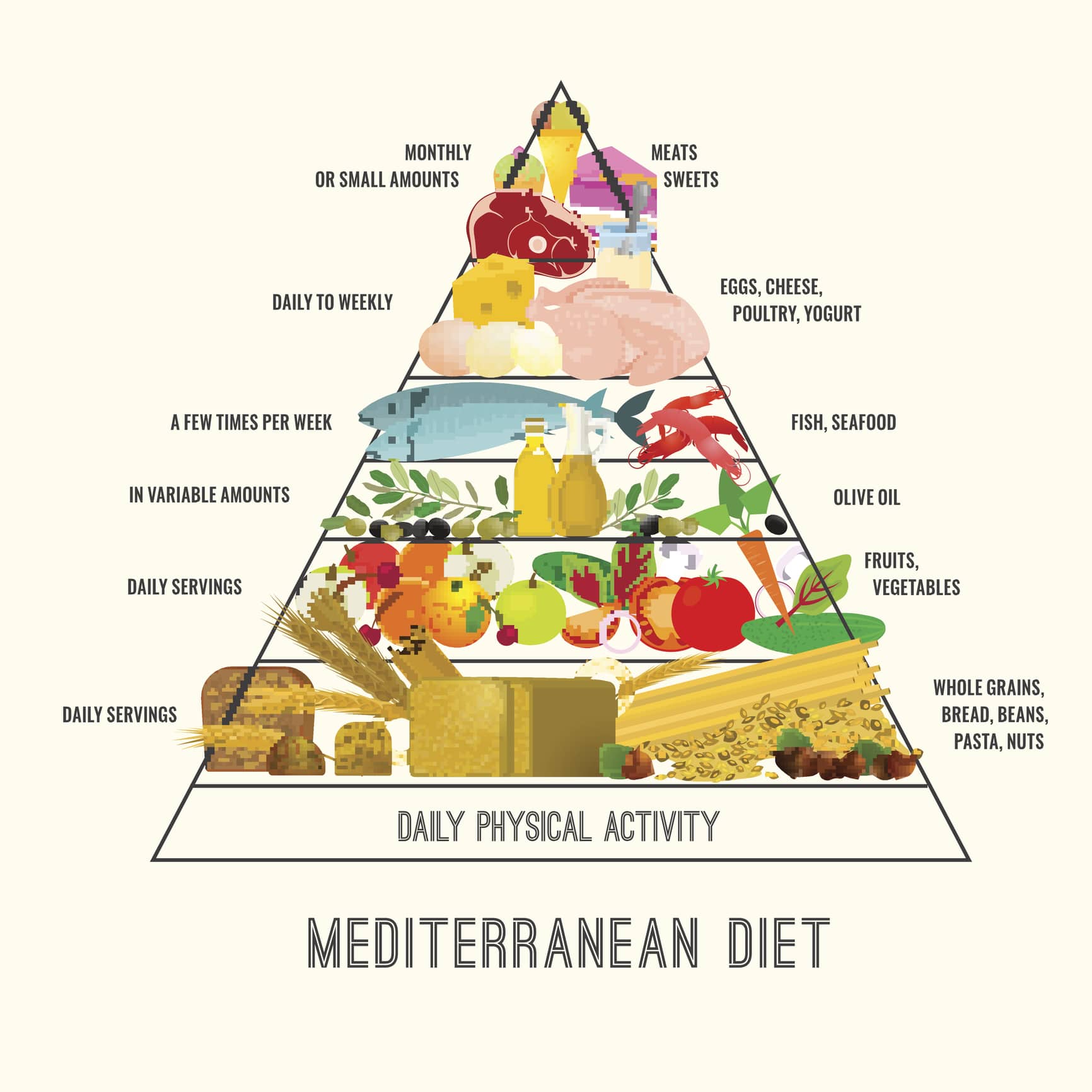
Exploring the Mediterranean Diet Pyramid
To better understand the Mediterranean Diet, let’s take a look at the Mediterranean Diet Pyramid. This pyramid breaks down the key food groups and serving recommendations that make up this healthful eating plan. At the base of the pyramid are whole grains, followed by fruits, vegetables, legumes, nuts, and seeds. Next, we have olive oil as the main source of healthy fats, with herbs and spices for flavoring. The pyramid also includes fish and seafood, poultry, eggs, and dairy products in moderation, while red meat and sweets are consumed sparingly.
Health Benefits of a Mediterranean Diet
Improved Heart Health
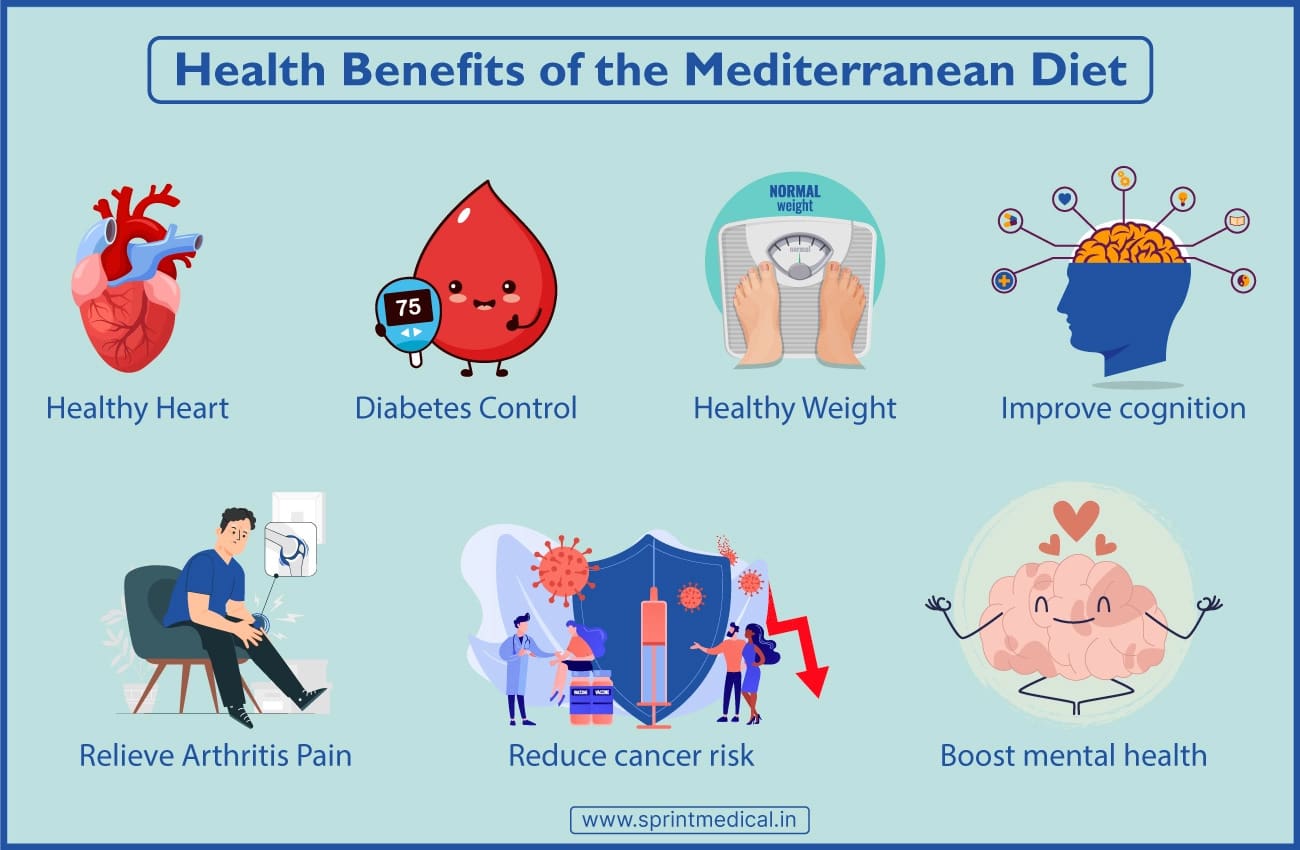
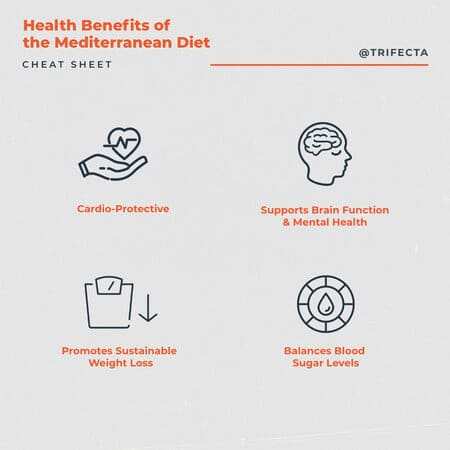
One of the most well-known benefits of following a Mediterranean Diet is its positive impact on heart health. The diet is rich in monounsaturated fats, such as olive oil, which can help lower LDL cholesterol levels and reduce the risk of heart disease. Additionally, the high fiber content from fruits, vegetables, and whole grains can help lower blood pressure and improve overall cardiovascular health.
Weight Management
If you’re looking to shed some pounds or maintain a healthy weight, the Mediterranean Diet may be the perfect choice for you. This eating plan focuses on nutrient-dense foods that are naturally low in calories, making it easier to control your weight without feeling deprived. By emphasizing portion control and a balanced mix of food groups, you can enjoy delicious meals while keeping your weight in check.
Reduced Risk of Chronic Diseases
In addition to heart health and weight management, the Mediterranean Diet has been shown to reduce the risk of various chronic diseases, including type 2 diabetes, cancer, and Alzheimer’s disease. The rich array of antioxidants, vitamins, and minerals found in the diet’s plant-based foods can help protect cells from damage and inflammation, lowering the risk of developing these serious health conditions.
Key Components of a Mediterranean Diet
Fruits and Vegetables
One of the cornerstones of the Mediterranean Diet is a generous intake of fruits and vegetables. These nutrient-packed foods are loaded with vitamins, minerals, and antioxidants that promote overall health and well-being. Aim to fill half your plate with colorful fruits and veggies at each meal to ensure you’re getting a wide range of nutrients to support your body’s functions.
| Food Group | Daily Servings |
|---|---|
| Fruits | 3 or more |
| Vegetables | 2 or more |
Whole Grains
Whole grains are another essential component of the Mediterranean Diet. Foods like whole wheat pasta, brown rice, quinoa, and oats provide a good source of fiber, which can help improve digestion, regulate blood sugar levels, and promote satiety. Choose whole grains over refined grains to maximize the health benefits of this food group.
| Food Group | Daily Servings |
|---|---|
| Whole Grains | 3 or more |
Healthy Fats
Healthy fats are a key part of the Mediterranean Diet, with olive oil being the primary fat source. Olive oil is rich in monounsaturated fats, which can help reduce inflammation, improve cholesterol levels, and support brain health. Other sources of healthy fats include nuts, seeds, and avocados, all of which offer heart-healthy benefits.
| Food Group | Daily Servings |
|---|---|
| Healthy Fats | 2 or more |
Tips for Incorporating the Mediterranean Diet into Your Lifestyle
Cook with Olive Oil
Replace butter and other oils with heart-healthy olive oil in your cooking. Drizzle it over salads, use it for sautéing vegetables, or mix it with herbs for a flavorful dipping sauce. Olive oil is a staple of the Mediterranean Diet and adds a delicious, nutritious touch to any dish.
Get Creative with Herbs and Spices
Enhance the flavors of your meals with an array of herbs and spices. Skip the salt and artificial seasonings and experiment with fresh herbs like basil, rosemary, and oregano, as well as spices such as cinnamon, turmeric, and cumin. These natural flavorings can add depth and complexity to your dishes without extra calories.
Embrace Meatless Meals
Try incorporating more plant-based meals into your weekly rotation. Beans, lentils, and chickpeas are excellent sources of protein and fiber, making them great substitutes for meat in dishes like soups, stews, and salads. Going meatless a few times a week can help reduce your carbon footprint and improve your overall health.
Potential Downsides of a Mediterranean Diet
Cost of Fresh Produce
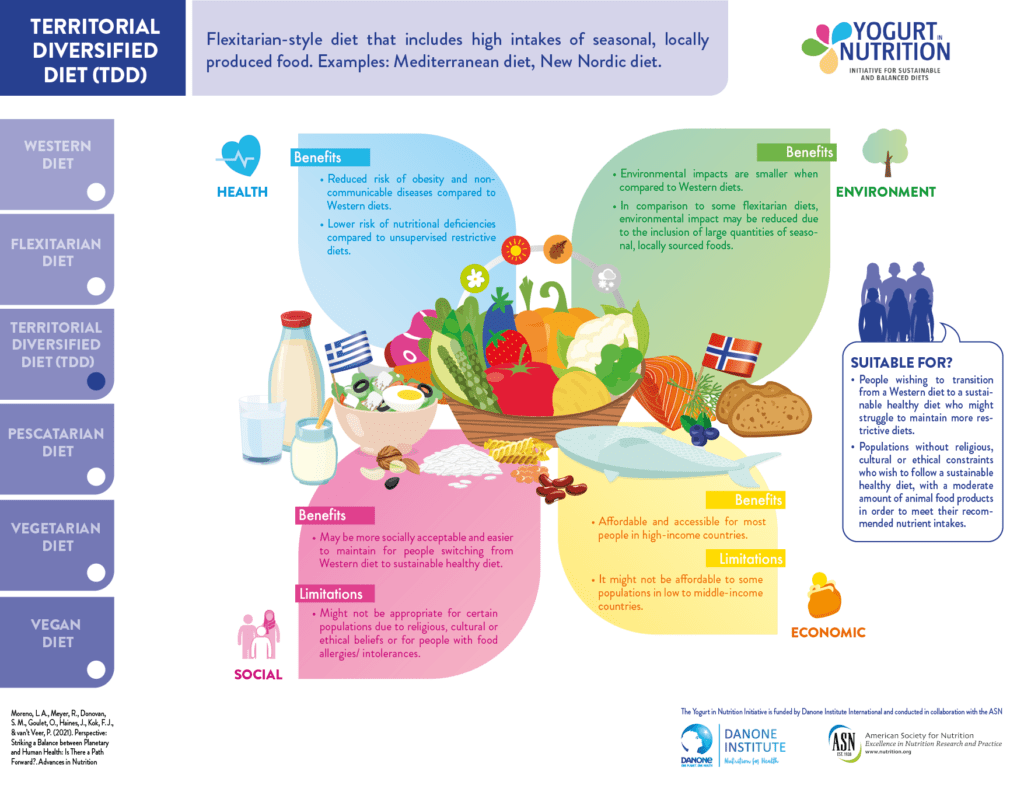
One potential downside of following a Mediterranean Diet is the cost associated with buying fresh fruits and vegetables year-round. Depending on where you live, seasonal and organic produce can be pricey, making it challenging to stick to a budget-friendly eating plan. To mitigate this issue, consider shopping at local farmers’ markets, joining a community-supported agriculture (CSA) program, or growing your own fruits and veggies at home.
Availability of Certain Foods
In some regions, the availability of certain Mediterranean Diet staples, such as olive oil, whole grains, and seafood, may be limited or expensive. If you’re unable to access these key ingredients, it can be challenging to fully embrace the traditional Mediterranean Diet. Look for local alternatives or consider supplementing with high-quality substitutes that align with the diet’s principles.
Final Thoughts
In conclusion, the Mediterranean Diet is a time-tested eating pattern that offers a wide range of health benefits for individuals of all ages. From improving heart health to promoting weight loss and reducing the risk of chronic diseases, this nutrient-rich diet has proven its effectiveness in numerous scientific studies. By focusing on whole, minimally processed foods and incorporating a variety of fruits, vegetables, whole grains, and healthy fats into your meals, you can enjoy a delicious and nutritious way of eating that supports your overall well-being. So why wait? Start reaping the benefits of a Mediterranean Diet today and embark on a journey to a healthier, happier you. Cheers to good health and great food!