
Looking for ways to boost your metabolism? Look no further! This article highlights the top ways to easily amp up your metabolism and achieve your fitness goals. From incorporating regular exercise into your routine to making smart food choices, these tried and true methods are sure to give your metabolism the jumpstart it needs. Say goodbye to sluggishness and hello to a faster metabolism with these top tips!
Eat a Protein-Rich Diet
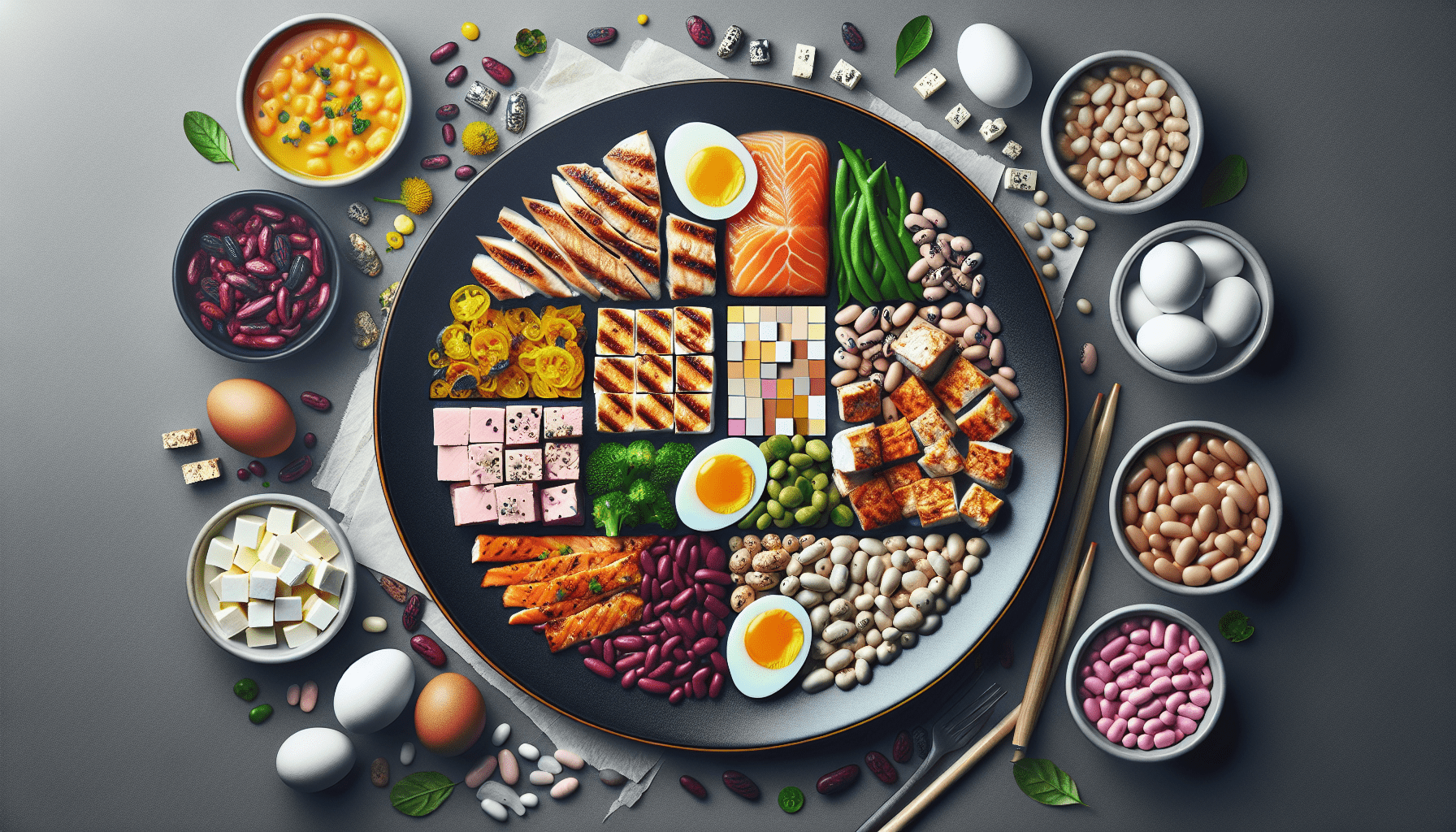
Eating a protein-rich diet is one of the key ways to boost your metabolism. Protein is essential for building and repairing tissues, and it also requires more energy to digest compared to carbohydrates and fats. By including lean meats, poultry, fish, and eggs in your meals, you can provide your body with a high-quality source of protein. For those following a plant-based diet, beans, legumes, and tofu are excellent options for getting protein. Remember to consume protein with every meal to maximize the metabolism-boosting effect. If you struggle to meet your protein needs through food alone, consider using protein supplements to supplement your diet.
Stay Hydrated
Staying hydrated is not only important for your overall health but also plays a significant role in boosting your metabolism. Drinking plenty of water throughout the day helps optimize metabolic functions, including the breakdown of carbohydrates and fats. It is recommended to avoid sugary drinks and opt for water, herbal tea, or infused water instead. These alternatives not only keep you hydrated but also minimize the intake of unnecessary added sugars. During exercise, it’s essential to stay hydrated as well, as it enhances calorie burning and aids in efficient energy utilization.
Engage in Regular Exercise
Regular exercise is a crucial component of boosting your metabolism and achieving overall health and fitness goals. Incorporating both cardio and strength training exercises into your routine allows you to maximize calorie burn and increase muscle mass. Cardio exercises like running, cycling, or swimming increase your heart rate and calorie expenditure, thereby promoting weight loss. On the other hand, strength training exercises, such as lifting weights or using resistance bands, help build muscle. Since muscle burns more calories at rest than fat, increasing your muscle mass through strength training can significantly boost your metabolism. For maximum results, consider trying high-intensity interval training (HIIT), which involves short bursts of intense exercise followed by brief recovery periods.
Get Sufficient Sleep
Getting sufficient sleep is often overlooked but plays a vital role in maintaining a healthy metabolism. Aim for 7-9 hours of quality sleep per night to allow your body to rest and rejuvenate. Sleep deprivation can disrupt your metabolism, leading to imbalances in hunger and fullness hormones such as ghrelin and leptin. Lack of sleep increases levels of the hunger hormone ghrelin while reducing levels of the fullness hormone leptin, making it more challenging to make healthy food choices. To promote better sleep, establish a regular sleep routine and create a sleep-friendly environment by keeping your bedroom cool, dark, and quiet.
Manage Stress Levels
Chronic stress can have a detrimental impact on your metabolism. When you’re stressed, your body releases cortisol, a hormone that can slow down your metabolic rate. To counteract the negative effects of stress on your metabolism, it’s important to practice stress-reducing techniques. Activities such as meditation, yoga, deep breathing exercises, or engaging in hobbies you enjoy can help reduce stress levels and promote relaxation. Additionally, seeking support from friends, family, or a therapist can be beneficial in managing stress and its impact on your overall well-being.
Increase NEAT (Non-Exercise Activity Thermogenesis)
NEAT, or non-exercise activity thermogenesis, refers to the energy expended through daily activities that are not structured exercise sessions. Increasing your NEAT can significantly contribute to boosting your metabolism. Simple changes like incorporating more movement throughout the day can make a difference. Take regular breaks to walk or stretch, use the stairs instead of elevators whenever possible, and engage in active hobbies like gardening or dancing. These small lifestyle changes can add up and increase your overall calorie expenditure.
Drink Green Tea
Green tea is well known for its numerous health benefits, including its potential to boost metabolism. It contains catechins, a type of antioxidant that can increase fat oxidation and thermogenesis, leading to increased calorie burn. Enjoy a cup of green tea in the morning or throughout the day to harness its metabolism-boosting effects. To fully reap its benefits, avoid adding excessive sugar or cream to your tea. If desired, green tea supplements can also be considered as a convenient alternative.
Eat Spicy Foods
Adding some heat to your meals can potentially give your metabolism a temporary boost. Spicy foods contain capsaicin, a compound that is known to increase thermogenesis and potentially increase calorie burn. Try incorporating spices like chili peppers, cayenne pepper, or ginger into your meals to add a fiery kick. Experiment with different levels of heat according to your tolerance and digestive sensitivity. Remember to balance your spicy dishes with other nutritious foods to create a well-rounded meal.
Stay Active Throughout the Day
Avoiding prolonged sitting or sedentary behavior is essential for maintaining a healthy metabolism. Make an effort to incorporate more movement throughout your day. Take short walks during work breaks, stand or use a standing desk if possible, and do small exercises like squats or lunges while watching TV. These activities not only increase your calorie expenditure but also promote blood circulation and overall well-being.
Eat Smaller, More Frequent Meals
Instead of consuming three large meals, consider eating 4-6 smaller meals or snacks throughout the day. Eating more frequently can help prevent metabolic slowdown and keep your metabolism active. It also helps stabilize blood sugar levels and prevents excessive hunger or overeating. When planning your meals, aim for a balance of protein, healthy fats, and carbohydrates. Listen to your body’s hunger and fullness cues to guide you in determining the appropriate portion sizes for each meal or snack.
Boosting your metabolism is possible by implementing these lifestyle changes and nutritional strategies. By following a protein-rich diet, staying hydrated, engaging in regular exercise, getting sufficient sleep, managing stress levels, increasing NEAT, incorporating green tea and spicy foods, staying active throughout the day, and eating smaller, more frequent meals, you can optimize your metabolism and support your overall health and weight management goals. Remember, consistency is key, so embrace these habits as part of a balanced lifestyle to achieve lasting results.