
Transitioning to a plant-based diet may seem daunting at first, but with the right mindset and approach, it can be a smooth and rewarding journey. By gradually incorporating more fruits, vegetables, grains, and plant-based proteins into your meals, you can improve your health, reduce your carbon footprint, and support animal welfare. With a little planning and creativity in the kitchen, you’ll soon discover a world of delicious and nutritious plant-based meals that will leave you feeling energized and satisfied. So, don’t be afraid to take the first step towards a plant-based lifestyle – your body, the planet, and the animals will thank you!
How To Transition To A Plant-Based Diet
Are you considering transitioning to a plant-based diet but not sure where to start? Making changes to your diet can be daunting, but with the right guidance and information, it can be a smooth and enjoyable transition. In this article, we will provide you with the tools and knowledge to make the switch to a plant-based diet seamlessly.
Understanding Plant-Based Diets
Before diving into the transition process, it’s essential to understand what a plant-based diet entails. A plant-based diet focuses on consuming foods primarily derived from plants, such as fruits, vegetables, whole grains, nuts, and seeds. It excludes or minimizes animal products, including meat, dairy, and eggs. This diet is rich in nutrients, fiber, and antioxidants, making it beneficial for overall health.
Benefits of a Plant-Based Diet
The benefits of a plant-based diet are vast and impact various aspects of your health. Consuming a plant-based diet can lead to increased energy levels, improved digestion, weight management, and a lower risk of chronic diseases such as heart disease, diabetes, and cancer. Additionally, it is beneficial for the environment, as plant-based diets have a lower carbon footprint compared to animal-based diets.
Types of Plant-Based Diets
There are different types of plant-based diets, each with its own focus and restrictions. Some common types of plant-based diets include:
- Vegetarian: Excludes meat, poultry, and seafood but may include dairy and eggs.
- Vegan: Excludes all animal products, including meat, dairy, eggs, and honey.
- Raw Vegan: Consists of raw, unprocessed plant foods, such as fruits, vegetables, nuts, and seeds.
- Flexitarian: Mostly plant-based but occasionally includes meat or fish.
Choose the type of plant-based diet that aligns with your preferences and lifestyle to make the transition more manageable.
Planning Your Transition
Transitioning to a plant-based diet requires careful planning and preparation to ensure you meet your nutritional needs. Before making any drastic changes to your diet, consider the following steps:
-
Set Clear Goals: Define your reasons for transitioning to a plant-based diet and set achievable goals. Whether it’s for health, environmental, or ethical reasons, having a clear purpose will help you stay motivated.
-
Educate Yourself: Research plant-based nutrition and familiarize yourself with nutrient-rich plant foods to ensure you meet your daily requirements.
-
Take It Slow: Gradually introduce plant-based meals into your diet and slowly reduce your consumption of animal products. This incremental approach will make the transition smoother and more sustainable.
-
Consult a Professional: If you have specific dietary requirements or health concerns, consult a healthcare provider or nutritionist to create a personalized plant-based meal plan.
Essential Nutrients in a Plant-Based Diet
A plant-based diet can provide all the essential nutrients your body needs, but it’s essential to pay attention to certain nutrients that may be lacking. Here are some key nutrients to focus on:
| Nutrient | Sources | Benefits |
|---|---|---|
| Protein | Beans, lentils, tofu | Building blocks for muscles |
| Iron | Spinach, lentils | Supports red blood cell production |
| Calcium | Almonds, kale | Maintains bone health |
| Vitamin B12 | Fortified foods, supplements | Supports nerve function |
By incorporating a diverse range of plant foods into your diet, you can easily meet your nutrient needs and thrive on a plant-based diet.
Building a Balanced Plant-Based Plate
Creating a well-rounded plant-based plate involves including a variety of foods that provide essential nutrients. Here’s a simple guide to building a balanced plant-based plate:
-
Fill Half Your Plate with Vegetables: Aim to include a colorful assortment of vegetables, such as leafy greens, peppers, carrots, and broccoli, to ensure you get a wide range of nutrients.
-
Add Protein Sources: Incorporate plant-based protein sources like beans, lentils, tofu, tempeh, or seitan to support muscle growth and repair.
-
Include Whole Grains: Whole grains such as quinoa, brown rice, oats, and whole wheat pasta provide fiber, vitamins, and minerals to your diet.
-
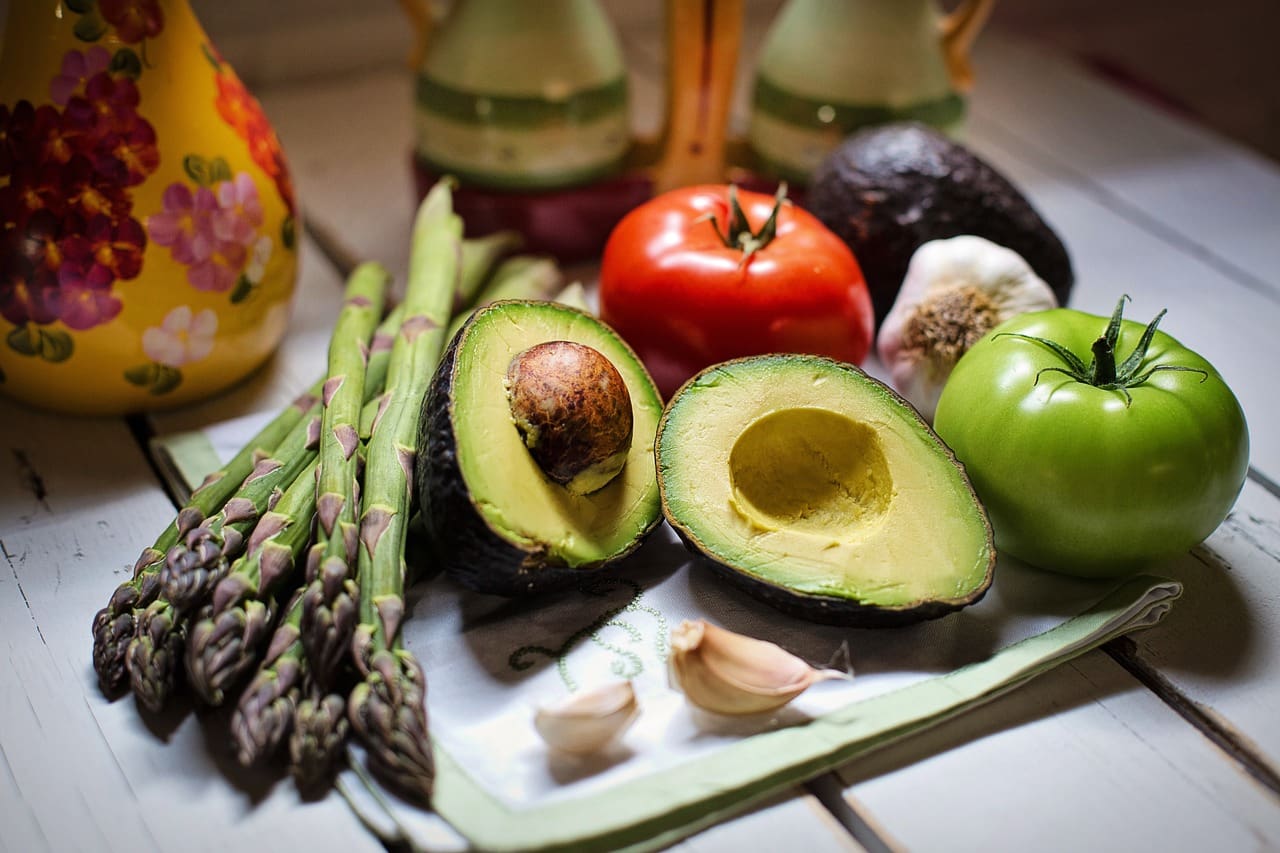
Healthy Fats: Include sources of healthy fats like avocados, nuts, seeds, and olive oil to support brain health and hormone production.
-
Don’t Forget Calcium: Include calcium-rich foods like fortified plant milks, tofu, almonds, and leafy greens to support bone health.
By following this guide, you can create balanced and nutritious plant-based meals that nourish your body and support your overall health.
Making the Switch: Simple Substitutions
Transitioning to a plant-based diet doesn’t have to be complicated or overwhelming. By making simple substitutions, you can easily adapt your favorite recipes and create plant-based versions. Here are some easy swaps to get you started:
- Meat: Replace meat with plant-based alternatives like tofu, tempeh, seitan, lentils, or beans in dishes like stir-fries, curries, salads, and tacos.
- Dairy: Substitute dairy milk with plant-based alternatives like soy, almond, coconut, or oat milk. Use dairy-free cheeses and yogurts in recipes.
- Eggs: Use flax seeds or chia seeds mixed with water as an egg replacement in baking recipes. Tofu can also be used in place of eggs in dishes like scrambles.
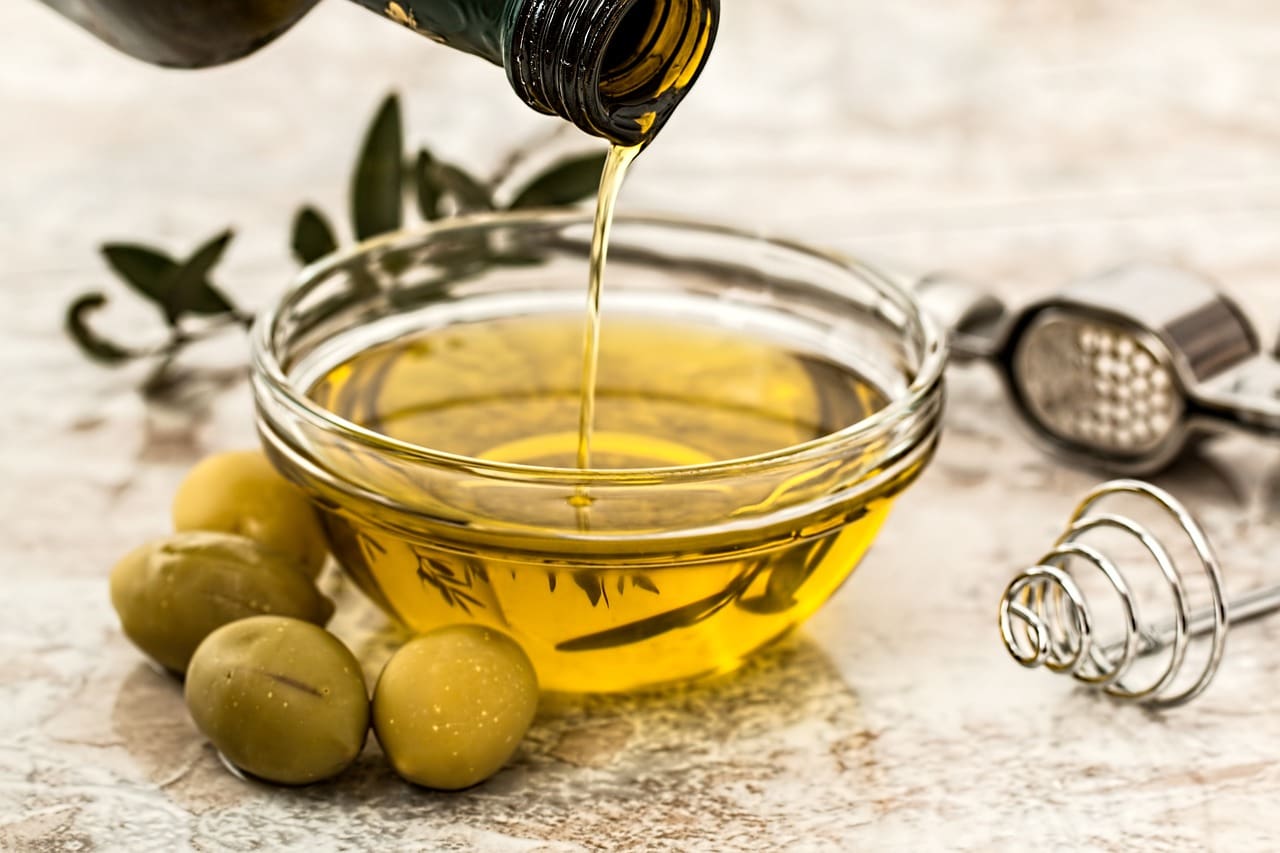
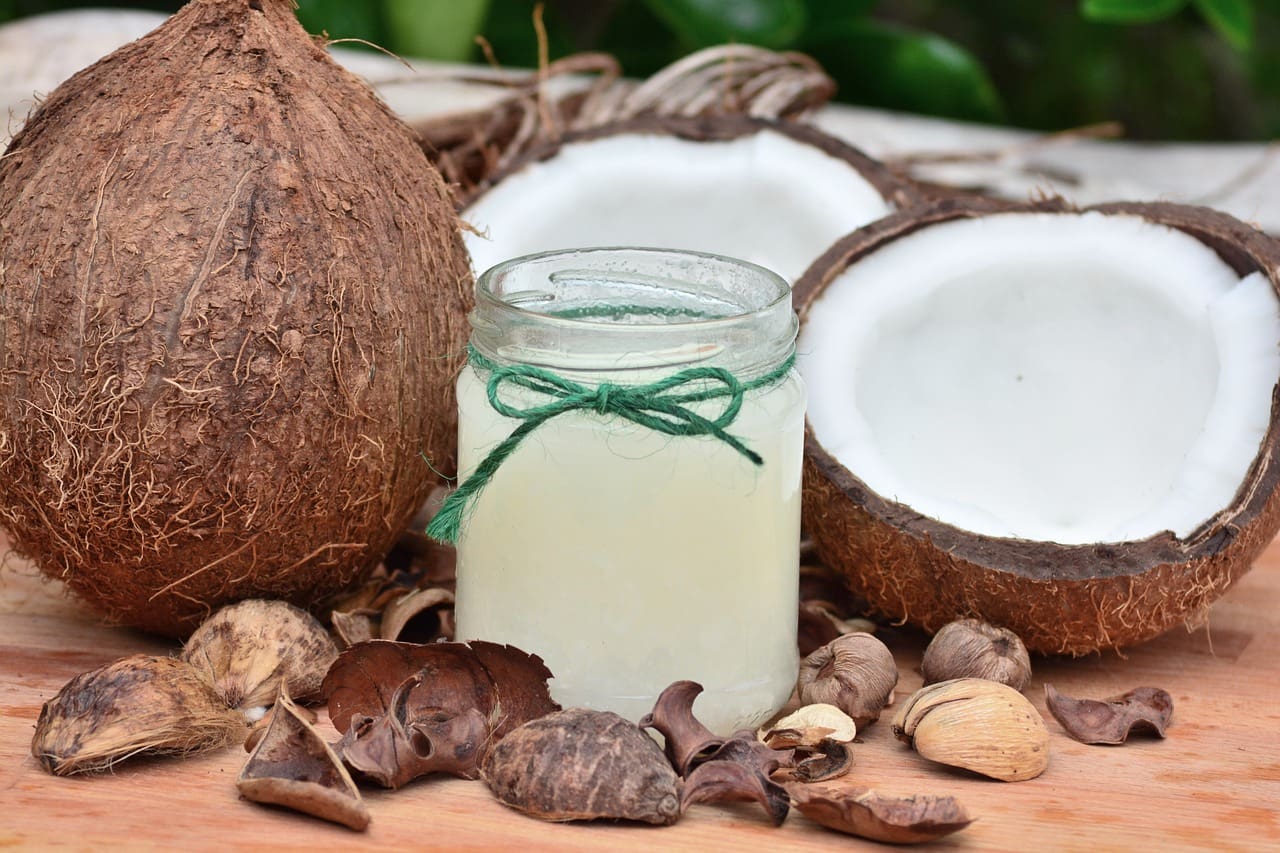
- Butter: Replace butter with plant-based alternatives like coconut oil, olive oil, or vegan butter in cooking and baking.
Experiment with these substitutions in your favorite recipes to discover delicious plant-based alternatives that are both nutritious and satisfying.
Stocking Your Plant-Based Pantry
Having a well-stocked pantry is key to making meal preparation more manageable and convenient. Here’s a list of essential items to keep in your plant-based pantry:
- Grains: Brown rice, quinoa, oats, whole wheat pasta
- Legumes: Lentils, chickpeas, black beans, kidney beans
- Nuts and Seeds: Almonds, walnuts, chia seeds, flax seeds
- Plant-Based Proteins: Tofu, tempeh, seitan
- Healthy Fats: Avocados, olive oil, coconut oil
- Herbs and Spices: Garlic, onions, oregano, turmeric, cumin
- Condiments: Soy sauce, nutritional yeast, tahini, mustard
By keeping these staple items in your pantry, you can easily whip up delicious and nutritious plant-based meals without the need for frequent grocery trips.
Overcoming Challenges
Transitioning to a plant-based diet may come with its challenges, especially if you’re used to consuming a diet rich in animal products. Here are some common challenges you may encounter and tips on how to overcome them:
- Social Situations: Eating plant-based in social settings can be challenging. Be open and communicative with friends and family about your dietary choices and suggest plant-based alternatives when dining out.
- Cravings: Cravings for familiar foods may arise when transitioning to a plant-based diet. Experiment with plant-based versions of your favorite dishes or treat yourself to a plant-based dessert to satisfy cravings.
- Nutrient Deficiencies: Pay attention to your nutrient intake and consider taking supplements for nutrients like B12, vitamin D, and omega-3 fatty acids if needed.
Remember that transitioning to a plant-based diet is a journey, and it’s okay to take it one step at a time. With patience and persistence, you can overcome challenges and reap the numerous benefits of a plant-based lifestyle.
Meal Planning and Prep
Meal planning and preparation are essential for maintaining a plant-based diet successfully. By planning your meals ahead of time and preparing ingredients in advance, you can save time and ensure you have nutritious meals readily available. Here are some tips for effective meal planning and prep:
-
Plan Your Meals: Take some time each week to plan your meals, including breakfast, lunch, dinner, and snacks. Use a meal planner or app to organize your meals and create a shopping list.
-
Batch Cooking: Prepare staples like grains, beans, and roasted vegetables in large batches to use in multiple meals throughout the week. This can save time and make meal assembly easier.
-
Prep Ingredients: Wash, chop, and pre-portion fruits and vegetables for convenient snacking and cooking. Store prepped ingredients in containers or bags for easy access.
-
Use Freezer-Friendly Foods: Prepare extra portions of soups, stews, casseroles, or sauces and freeze them for future meals. Frozen fruits and vegetables are also convenient for smoothies and stir-fries.
By incorporating meal planning and preparation into your routine, you can streamline your plant-based diet and make healthy eating more accessible and sustainable.
Staying Motivated
Maintaining motivation and staying committed to your plant-based lifestyle is key to long-term success. Here are some tips to help you stay motivated on your plant-based journey:
- Set Realistic Goals: Celebrate small victories and set achievable goals that align with your values and priorities.
- Connect with Others: Join plant-based communities, online forums, or social media groups to connect with like-minded individuals and seek support.
- Experiment with New Recipes: Keep your meals exciting and delicious by trying new plant-based recipes and exploring different cuisines.
- Track Your Progress: Keep a food journal, track your energy levels, and monitor any improvements in your health to stay motivated and accountable.
Remember that transitioning to a plant-based diet is a personal journey, and it’s okay to have ups and downs along the way. Be kind to yourself, stay focused on your goals, and celebrate your progress to stay motivated and inspired.
Conclusion
Transitioning to a plant-based diet is a rewarding and beneficial choice for your health, the planet, and the animals. By understanding the fundamentals of plant-based nutrition, planning your transition, incorporating essential nutrients, and making simple substitutions, you can seamlessly shift to a plant-based lifestyle. Remember to take it one step at a time, stay committed to your goals, and enjoy the delicious and nutritious plant-based meals you create along the way. Embrace the journey, stay motivated, and reap the numerous benefits of a plant-based diet for a healthier and more sustainable future.