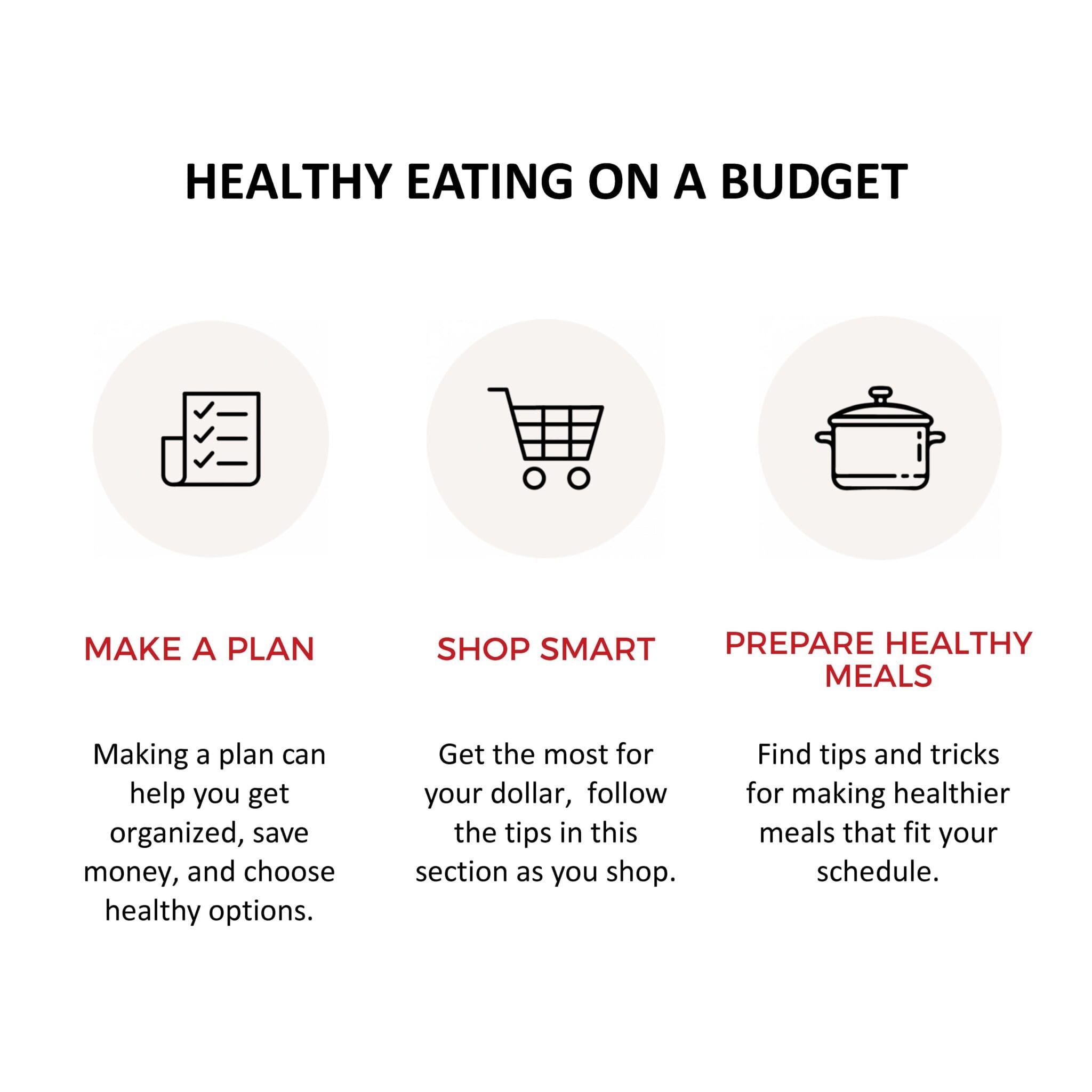
Are you looking to eat healthier but worried about the cost? Look no further! In this article, we will provide you with a variety of practical tips and tricks to help you maintain a healthy diet without breaking the bank. From shopping smartly to meal planning, we’ve got you covered. So, let’s explore the world of healthy eating on a budget and discover that good nutrition doesn’t have to be expensive!
Meal Planning
Create a weekly meal plan
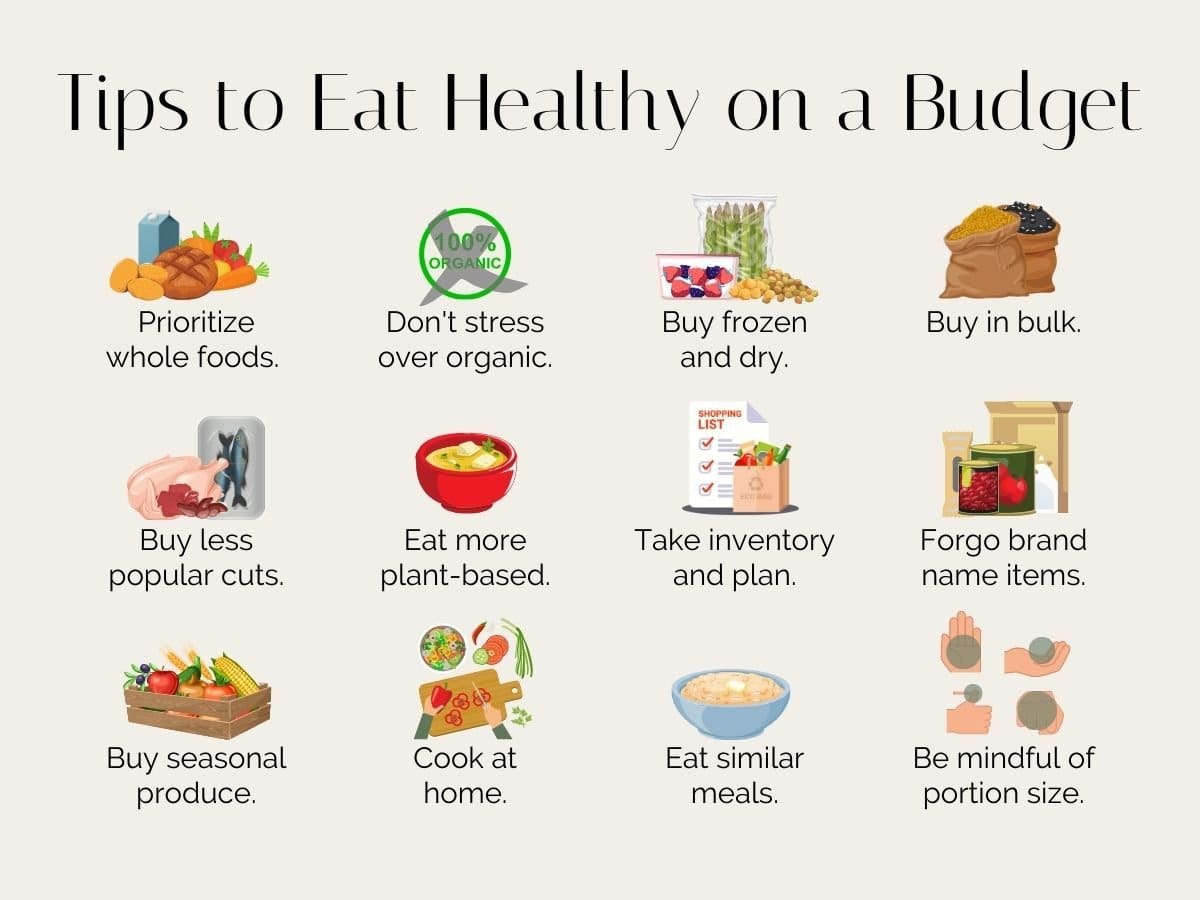
One of the most effective ways to eat healthy on a budget is to create a weekly meal plan. By planning your meals in advance, you can avoid impulsive food purchases and ensure that your grocery shopping is focused on the ingredients you need. Start by jotting down a list of meals you would like to prepare for the week, considering your dietary preferences and nutritional needs. This will give you a clear idea of what ingredients you will need to purchase and help you stay organized throughout the week.
Make a grocery list based on the meal plan
Once you have your weekly meal plan ready, it’s time to make a grocery list. Go through each recipe and note down the ingredients you’ll need to purchase. By sticking to a list, you can avoid unnecessary purchases and impulse buys. It’s also a good idea to check your pantry and fridge before making the list, as you may already have some ingredients on hand. This way, you can minimize food waste and save money by not buying duplicates.
Shop for ingredients in bulk
If you want to stretch your budget, shopping for ingredients in bulk is a smart choice. Many staple items such as grains, legumes, and spices can be purchased in larger quantities at a lower cost per unit. Not only does buying in bulk save you money, but it also reduces packaging waste. Consider investing in airtight containers to store these bulk items properly and keep them fresh for a longer period of time.
Buy seasonal produce
When it comes to fruits and vegetables, buying seasonal produce is not only budget-friendly but also more nutritious. Seasonal produce tends to be abundant and therefore less expensive. Additionally, it is often at its peak in terms of flavor and freshness. So, instead of reaching for out-of-season produce that can be pricey and lacking in taste, opt for what’s in season. Not only will you save money, but you’ll also enjoy the benefits of consuming fruits and vegetables at their best.
Cooking at Home
Prepare meals in advance
Meal prepping is a fantastic way to save time and money while eating healthy. By dedicating a few hours each week to preparing meals in advance, you can have ready-to-eat options available when you’re pressed for time or feeling too tired to cook. Cook a large batch of your favorite meals, portion them out, and refrigerate or freeze for later consumption. This not only ensures that you have nutritious meals readily available but also minimizes the temptation to order takeout or dine at expensive restaurants.
Cook large batches and freeze leftovers
Building upon the idea of meal prepping, cooking large batches of meals and freezing leftovers is a great way to save money and minimize food waste. When you cook in bulk, you utilize ingredients more efficiently and can take advantage of bulk discounts. Leftovers can be frozen in individual portions, making it easy to grab a meal on busy days or when you need a quick lunch. This strategy not only saves you money but also helps you maintain a healthy diet by avoiding the need for processed convenience foods.
Use affordable protein sources
Protein is an essential nutrient for a healthy diet, but it can often be one of the most expensive components of a meal. However, there are many affordable protein sources that you can incorporate into your diet. Dried legumes, such as lentils, chickpeas, and black beans, are a fantastic option. They are inexpensive and versatile, allowing you to create a wide variety of dishes. Eggs are another budget-friendly protein source that can be used in various ways, from omelets to frittatas. Additionally, consider incorporating plant-based proteins like tofu or tempeh, which tend to be more affordable than meat or poultry.
Opt for whole foods instead of processed alternatives
When grocery shopping on a budget, it’s important to prioritize whole foods over processed alternatives. Processed foods are often more expensive, less nutritious, and contain various additives and preservatives. By choosing whole foods like fruits, vegetables, whole grains, and lean proteins, you not only save money but also provide your body with the essential nutrients it needs. Whole foods are typically more filling and satisfying, which means you’ll eat less overall, helping you maintain a healthy weight and reducing the risk of chronic diseases.
Eating Seasonally and Locally
Buy produce from local farmers’ markets
Shopping at local farmers’ markets is not only a great way to support local farmers, but it can also be a budget-friendly option. Local produce tends to be fresher and more flavorful than what you find at supermarkets, and it’s often sold at competitive prices. Shopping at farmers’ markets also gives you the opportunity to connect with the people who grow your food, learn about their farming practices, and discover new varieties of fruits and vegetables.
Join a community-supported agriculture (CSA) program
A Community-Supported Agriculture (CSA) program is another fantastic way to access fresh, locally grown produce at an affordable price. By joining a CSA program, you essentially become a shareholder in a local farm. Each week, you receive a share of the farm’s harvest, which can include a variety of fruits, vegetables, and even herbs. CSA programs not only provide you with a weekly supply of fresh produce but also help build a sense of community and connection with local farmers.
Choose fruits and vegetables that are in season
When choosing fruits and vegetables, opt for those that are in season. Seasonal produce is often more abundant, which means that farmers can sell it at lower prices. Additionally, fruits and vegetables that are in season are typically at their peak in terms of flavor and nutritional value. By selecting seasonal produce, you can enjoy the freshest, most delicious options while staying within your budget.
Grow your own herbs and vegetables
If you have space in your backyard or even just a sunny windowsill, consider growing your own herbs and vegetables. This not only gives you access to fresh, pesticide-free produce but also saves you money in the long run. Seeds and starter plants can be relatively inexpensive, and the satisfaction of growing your own food is priceless. Even if you don’t have a green thumb, starting small with a few herbs or easy-to-grow vegetables like tomatoes or lettuce can still make a difference in your budget and overall health.
Shopping Smart
Compare prices and look for sales
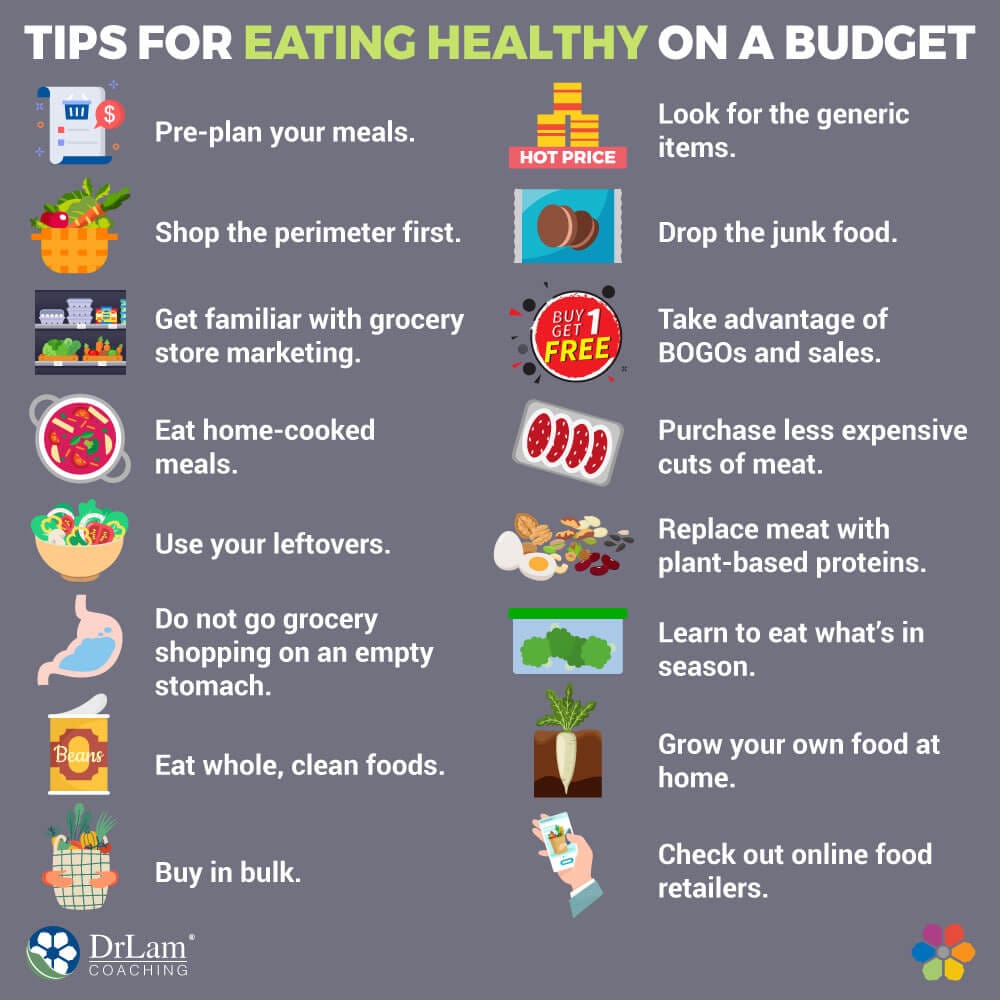
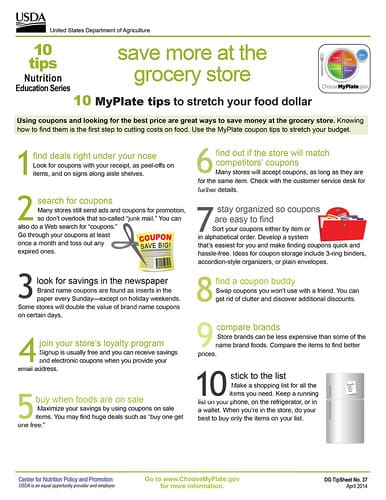
When it comes to shopping smart, it’s important to compare prices and look for sales. Before making a purchase, take the time to check the prices of different brands or stores to ensure you’re getting the best deal. Many grocery stores offer weekly sales, so keeping an eye on flyers or subscribing to email newsletters can help you take advantage of discounts. By being a savvy shopper, you can save a significant amount of money on your grocery bill.
Use coupons and discounts
Another way to save money when shopping for groceries is to use coupons and take advantage of discounts. Many stores offer digital or printable coupons that you can use at checkout. Additionally, some grocery stores have loyalty programs that provide exclusive discounts to members. Before heading to the store, take a few minutes to browse through coupon websites or your favorite grocery store’s app to see if there are any deals that align with your meal plan.
Avoid shopping when hungry
One important tip when it comes to shopping smart is to avoid shopping on an empty stomach. When you’re hungry, you’re more likely to make impulsive purchases and buy items that aren’t on your list. Eating a small, nutritious snack before heading to the store can help curb cravings and make it easier to stick to your planned purchases. Taking this simple step can save you from unnecessary spending and keep you on track with your healthy eating goals.
Shop at discount stores or ethnic markets
Shopping at discount stores or ethnic markets can be an excellent way to find affordable ingredients and save money. Discount stores often offer a wide range of products at lower prices compared to traditional supermarkets. Ethnic markets, on the other hand, can be a treasure trove of unique ingredients at competitive prices. Don’t be afraid to explore these options, as you might discover new flavors and ingredients that enhance your meals while staying within your budget.
Stocking Essentials
Keep a well-stocked pantry
Maintaining a well-stocked pantry is key to eating healthy on a budget. Having a variety of staple items and pantry essentials on hand allows you to create nutritious meals without needing to run to the store every time you cook. Some essential pantry items include whole grains like rice, quinoa, and oats, canned goods like beans and tomatoes, cooking oils, herbs, and spices. By keeping these items stocked, you’ll always have a solid foundation for your meals.
Buy staple items in bulk
As mentioned earlier, buying staple items in bulk can help you save money in the long run. Consider purchasing items like rice, pasta, dried beans, and spices in larger quantities. Not only will you reduce the cost per unit, but you’ll also reduce packaging waste. By having these staple ingredients in your pantry, you’ll be more likely to cook at home and avoid the need for pricey convenience foods or takeout meals.
Store food properly to avoid waste
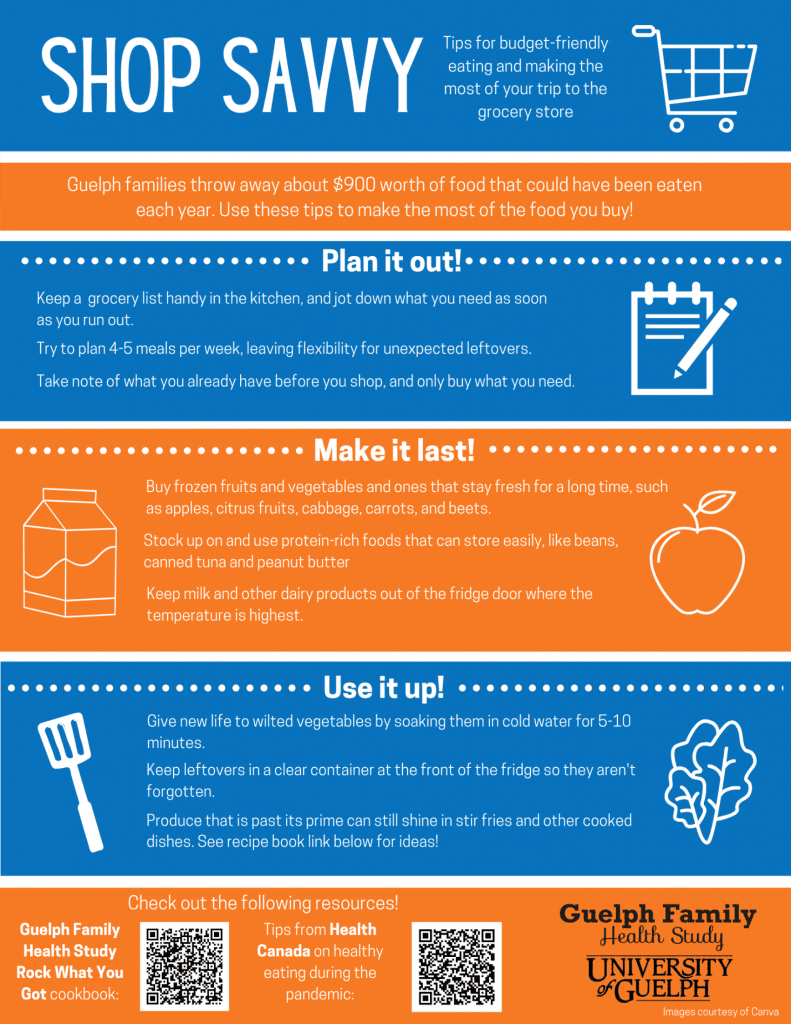
Proper food storage is essential for preventing waste and maximizing the shelf life of your groceries. Invest in airtight containers for storing dry goods like flour and pasta to keep them fresh and prevent pests. Keep your fridge organized and use clear containers to store leftover meals and perishable items. Freezing leftovers in labeled containers or freezer bags can also help preserve their quality for a longer time. By storing your food properly, you’ll minimize waste and save money by not having to throw away spoiled items.
Make your own condiments and dressings
Store-bought condiments and dressings can be expensive and often contain additives and preservatives. Making your own condiments and dressings at home is not only more cost-effective but also allows you to control the ingredients and customize flavors to your liking. Simple staples like mayo, ketchup, and vinaigrettes can be easily made from scratch with basic pantry items. There are countless recipes available online that provide step-by-step instructions, so don’t be afraid to experiment and create your own signature dressings and sauces.
Reducing Food Waste
Plan meals using ingredients you already have
Reducing food waste starts with planning meals based on the ingredients you already have in your pantry and fridge. Before heading to the store, take inventory of what you have and incorporate those items into your meal plan. This not only helps you save money by using up what you already have but also reduces the chances of food going bad and ending up in the trash. Get creative with your recipes and find ways to incorporate those odds and ends into delicious, nutritious meals.
Use leftovers creatively
Leftovers are a valuable resource when it comes to reducing food waste and saving money. Instead of letting them languish in the fridge, use your creativity to repurpose them into new dishes. For example, yesterday’s roasted chicken can be turned into a flavorful chicken salad or added to a stir-fry. Leftover rice can be transformed into a delicious fried rice dish with the addition of some vegetables and protein. By using leftovers creatively, you not only reduce waste but also save time and effort in the kitchen.
Repurpose vegetable scraps for stocks and broths
When working with fresh vegetables, don’t throw away those peels, trimmings, and scraps. Instead, repurpose them to make nutrient-rich stocks and broths. Vegetable scraps like onion skins, carrot tops, and celery leaves can be boiled with water and spices to create a flavorful base for soups, stews, and sauces. Making your own stocks and broths not only reduces waste but also adds depth of flavor to your dishes without the need for store-bought additives.
Compost food scraps
If you have access to outdoor space, consider composting your food scraps. Composting is the process of decomposing organic materials, such as fruit and vegetable scraps, coffee grounds, and eggshells, turning them into nutrient-rich soil. Not only does composting divert waste from landfills, but it also provides you with a free source of organic fertilizer for your garden or potted plants. By composting your food scraps, you contribute to sustainability efforts and create a positive impact on the environment.
Choosing Affordable Protein Sources
Buy dried legumes instead of canned
Legumes like lentils, chickpeas, and black beans are excellent sources of protein, fiber, and various other nutrients. While canned legumes offer convenience, they can be more expensive than their dried counterparts. Buying dried legumes and cooking them yourself not only saves you money but also allows you to control the sodium content and texture to your preference. Many legumes can be soaked overnight and cooked in larger batches, which can be frozen in portions for future use.
Look for sales on lean meats
Lean meats, such as chicken breast, turkey, and lean cuts of beef or pork, can be expensive. However, by keeping an eye out for sales and discounts, you can find these protein sources at more affordable prices. Many grocery stores offer discounts on meat nearing its expiration date, which can be safely frozen for later use. Another option is to purchase larger cuts of meat and portion and freeze them for individual meals, saving you money in the long run.
Use eggs as a budget-friendly protein option
Eggs are a versatile and budget-friendly protein source that can be incorporated into various meals. Whether you enjoy them scrambled, poached, or in omelets, eggs provide a complete source of protein and essential nutrients. Additionally, eggs can be used as a binder in recipes like meatballs or baked goods, further stretching your budget. Consider purchasing eggs in larger quantities or look for sales to maximize your savings.
Incorporate plant-based proteins like tofu or tempeh
Plant-based proteins like tofu and tempeh are not only affordable but also provide a wide range of health benefits. Tofu, made from soybeans, is a versatile ingredient that can be used in stir-fries, soups, and even desserts. Tempeh, made from fermented soybeans, has a nutty flavor and can be used as a meat substitute in dishes like burgers or tacos. By incorporating these plant-based proteins into your diet, you can save money and explore new flavors and textures.
Prioritizing Nutrient-Dense Foods
Focus on whole grains
Whole grains should be a staple in any healthy eating plan, and fortunately, they are also budget-friendly. Whole grains like brown rice, quinoa, and oats are not only affordable but also provide a host of essential nutrients, including fiber, vitamins, and minerals. They are also more filling compared to refined grains, which means you’ll eat less overall. Incorporating whole grains into your meals allows you to prioritize nutrient-dense foods while staying within your budget.
Include plenty of fruits and vegetables
Fruits and vegetables are nutritional powerhouses that should be an essential part of any healthy diet. Luckily, they can also be budget-friendly, especially when you choose seasonal and locally grown options. Fruits and vegetables provide a wide range of vitamins, minerals, and antioxidants that support your overall health. Consider including a variety of colorful produce in your meals to ensure you’re getting a wide range of nutrients.
Choose lean proteins
Protein is an essential macronutrient that plays a vital role in building and repairing tissues, producing enzymes, and supporting overall health. When choosing proteins, opt for lean options to maximize nutrition without breaking the bank. Lean proteins such as skinless poultry, fish, legumes, and tofu provide high-quality protein without excessive fat or added costs. By choosing lean proteins, you can prioritize nutrient-dense foods while keeping your budget in check.
Opt for healthy fats like avocados or nuts
Healthy fats are an important part of a balanced diet and can be found in foods like avocados, nuts, seeds, and olive oil. While fats tend to be more calorie-dense than proteins or carbohydrates, they provide essential nutrients and help keep you feeling satisfied. Incorporating healthy fats into your meals not only adds flavor and richness but also supports brain health, heart health, and nutrient absorption. Don’t shy away from these nutrient-dense options when grocery shopping, as they can be affordable in moderate quantities.
Meal Prepping
Plan meals in advance
Meal prepping is all about preparing your meals in advance, which not only saves time but also helps you stick to your healthy eating goals. Start by planning your meals for the week, considering your schedule and dietary needs. This ensures that you have nutritious meals prepared and ready to go, even on busy days. Set aside some time each week to plan your meals, create a shopping list, and prepare the necessary ingredients.
Prep ingredients for the week
Once you have your meal plan in place, it’s time to prep the ingredients for the week. This can include washing and chopping vegetables, marinating meats, or cooking grains and legumes in larger batches. By prepping ahead, you eliminate the need for last-minute prep work and make cooking throughout the week more efficient. Consider investing in quality food storage containers to store prepped ingredients, making it easier to assemble meals when needed.
Cook in bulk and portion meals
Cooking in bulk is a key component of meal prepping. When preparing meals, consider making larger portions that can be divided into individual servings. Portioning meals not only saves you time but also helps with portion control and eliminates the need to cook every day. Invest in portion-sized containers or freezer-safe bags to store your prepped meals. This way, you can simply grab a meal from the fridge or freezer, reheat, and enjoy a nutritious homemade meal without the hassle.
Invest in storage containers for convenience
Meal prepping relies heavily on proper food storage to maintain the quality and freshness of your meals. Investing in quality storage containers that are convenient and durable is essential. Look for containers that are airtight, freezer-safe, and microwave-safe for easy reheating. Having the right storage containers on hand makes it easier to portion out meals, store prepped ingredients, and keep your fridge or freezer organized.
Finding Budget-Friendly Recipes
Utilize online resources for inexpensive recipes
When seeking budget-friendly recipes, turn to online resources for inspiration. There are countless websites, blogs, and social media platforms dedicated to sharing affordable and nutritious meal ideas. Browse through these platforms and experiment with recipes that align with your dietary preferences and budget. Many of these resources provide step-by-step instructions, helpful tips, and even cost breakdowns, making it easier to plan your meals and keep your grocery costs in check.
Cook from scratch to save money
One of the most effective ways to eat healthy on a budget is to cook from scratch. When you prepare meals at home using whole ingredients, you have full control over the quality and cost of your meals. By avoiding pre-packaged and processed foods, you save money and often consume fewer unhealthy additives. Cooking from scratch can be a creative and rewarding experience, allowing you to experiment with flavors and tailor meals to your taste preferences.
Explore international cuisines for affordable options
If you’re looking for budget-friendly meal ideas, exploring international cuisines can be a great way to discover inexpensive options. Many cultures have traditional recipes made with affordable ingredients like beans, lentils, grains, and vegetables. For example, Mexican cuisine offers flavorful dishes like bean tacos or vegetable enchiladas that are both affordable and nutritious. Mediterranean cuisine emphasizes whole foods like fruits, vegetables, grains, and olive oil, providing a wealth of healthy and budget-friendly recipes to try.
Make use of leftovers in creative ways
Leftovers can be a goldmine when it comes to saving money and reducing food waste. Instead of letting them sit in the fridge untouched, get creative and find ways to transform them into new dishes. For example, roast chicken can be shredded and used in salads or sandwiches. Day-old rice can be made into a flavorful fried rice with the addition of some vegetables and protein. By using leftovers in creative ways, you not only save money but also maximize the flavors and textures of your meals.
In conclusion, healthy eating on a budget is entirely possible with some smart planning and a bit of creativity. By creating a weekly meal plan, making a grocery list, and shopping for ingredients in bulk, you can save both time and money. Cooking at home, using affordable protein sources, and opting for whole foods instead of processed alternatives allows you to maintain a healthy diet while sticking to your budget. Eating seasonally and locally, shopping smart, and stocking your pantry with essential items further contribute to a cost-effective and nutritious eating plan. Reducing food waste, choosing affordable protein sources, prioritizing nutrient-dense foods, and meal prepping are additional strategies to consider. Finally, finding budget-friendly recipes, cooking from scratch, and exploring international cuisines allow you to enjoy delicious and nutritious meals without breaking the bank. With these tips and tricks, you can embark on your journey of healthy eating while being mindful of your budget.