
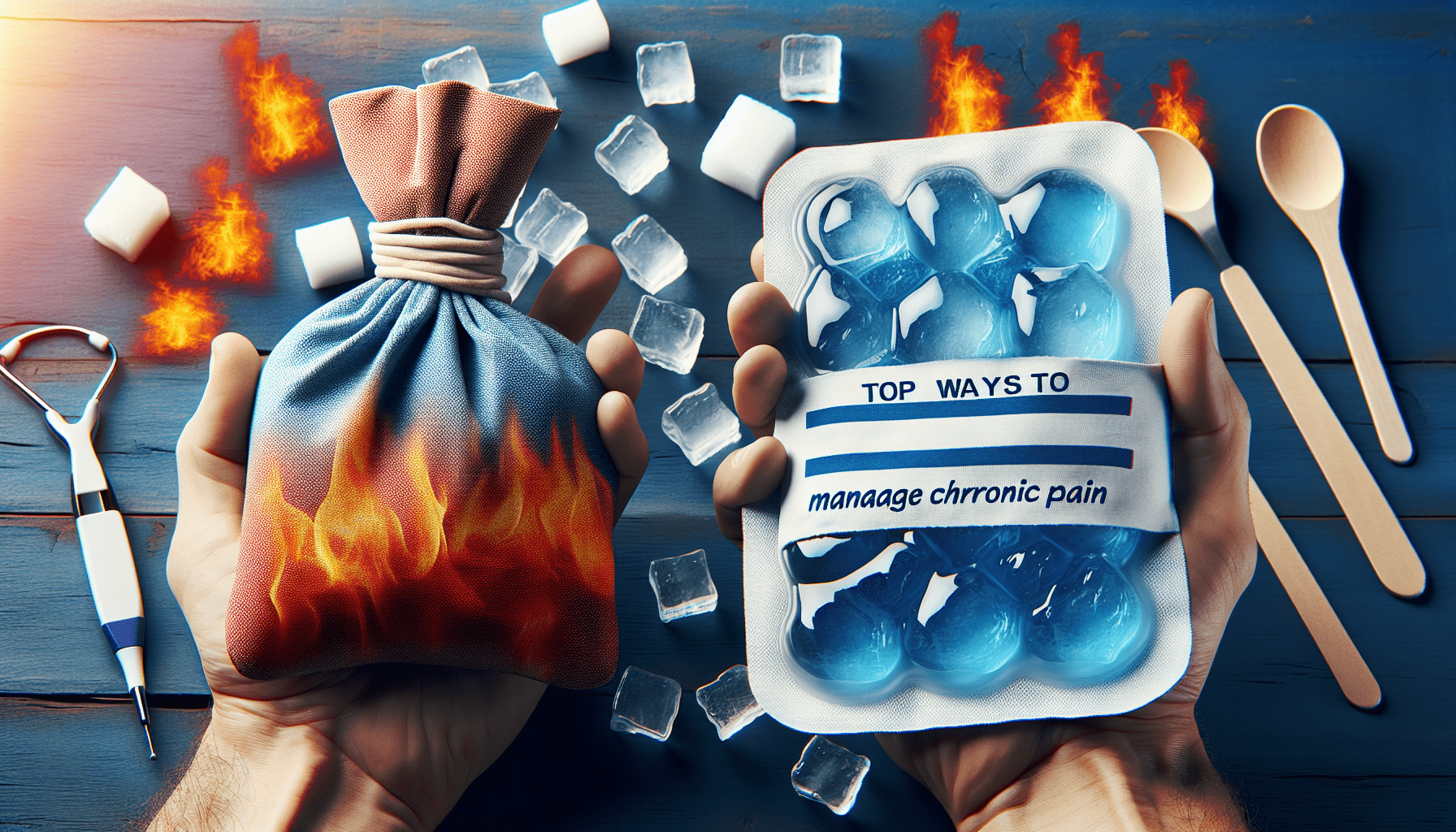
Living with chronic pain can be incredibly challenging, impacting every aspect of your life. However, there are effective strategies that can help you manage and reduce the intensity of your pain. In this article, we will explore some of the top ways to combat chronic pain, allowing you to regain control and improve your overall well-being. From lifestyle changes to alternative therapies, these approaches aim to provide you with relief and support, allowing you to live a fulfilling and pain-free life. So, let’s dive into the various strategies and discover how you can effectively manage your chronic pain.
Pain Medications
Living with chronic pain can be challenging, but there are various methods available to help manage your symptoms. One of the most common approaches is the use of pain medications. Over-the-counter pain relievers are a good starting point for managing mild to moderate chronic pain. These medications, such as ibuprofen or acetaminophen, can help reduce inflammation and provide temporary relief. However, it is important to follow the recommended dosages and consult a healthcare professional if you have any concerns.
For more severe chronic pain, prescription medications may be necessary. These medications can range from stronger non-opioid options, such as tramadol or gabapentin, to opioid medications like codeine or morphine. Non-opioid medications work by targeting specific pain signals in the body, while opioids act on the central nervous system to block pain receptors. It is essential to work closely with your doctor to find the appropriate medication and dosage for your specific needs while minimizing the risk of potential side effects or dependency.
In some cases, certain anti-seizure medications or antidepressants may also be prescribed to help manage chronic pain. Although these medications are primarily used for other conditions, they have shown effectiveness in reducing pain levels for some individuals. These medications work by altering chemical signals in the brain and nervous system, helping to reduce nerve-related pain or improving mood, respectively. As with any medication, it is crucial to discuss the potential benefits and risks with your doctor before starting any new treatment.
Physical Therapy
Physical therapy is another important component of managing chronic pain and improving overall function. It involves various exercises and techniques that target the affected area and help strengthen and stretch the muscles and joints. Stretching exercises can help improve flexibility and range of motion, while strengthening exercises focus on building muscle strength to support and stabilize the affected area. Aerobic exercises, such as walking or swimming, are beneficial for improving cardiovascular health and releasing endorphins, which are natural pain-relieving chemicals in the body.
Manual therapy, provided by a trained physical therapist, involves hands-on techniques such as massage, joint mobilization, or manipulation. These techniques can help alleviate muscle tension, reduce inflammation, and improve circulation in the affected area. Heat and cold therapy are commonly used in physical therapy to provide pain relief. Applying heat, such as hot packs or heating pads, helps increase blood flow and relax muscles, while cold therapy with cold packs or ice helps reduce swelling and numb the area.
Transcutaneous Electrical Nerve Stimulation (TENS) is a technique that uses low-voltage electrical current to stimulate nerve fibers and block pain signals. It is typically applied through small electrodes placed on the skin near the site of pain. TENS can help provide relief for certain types of chronic pain, such as back or neck pain. Another therapy commonly used in physical therapy is the application of ultrasound. This involves using sound waves to generate heat deep within the tissues, which can help reduce pain and promote healing.
Hydrotherapy, also known as aquatic therapy, takes advantage of water’s buoyancy and resistance to facilitate exercises and movements. It is especially beneficial for individuals who find weight-bearing exercises challenging due to their chronic pain. Working with a physical therapist in a pool can help reduce joint stress, increase flexibility, and improve overall strength and mobility.
Mind-Body Techniques
Managing chronic pain involves more than just physical approaches; it also requires addressing the mind-body connection. Mind-body techniques can help reduce stress, improve relaxation, and promote overall well-being. Deep breathing exercises, such as diaphragmatic breathing, can help activate the body’s relaxation response and reduce pain perception. By focusing on slow, deep breaths, you can bring more oxygen into your body, which can promote relaxation and decrease tension.
Meditation is another powerful technique that can help manage chronic pain. It involves focusing your attention and eliminating the stream of thoughts that may contribute to stress and pain. Regular meditation practice can help calm the mind, improve resilience, and reduce pain intensity. Biofeedback is a technique that uses electronic sensors to monitor and provide feedback about your body’s physiological responses, such as heart rate or muscle tension. By becoming aware of these responses, you can learn to control them and reduce pain and stress levels.
Yoga and tai chi are mind-body practices that combine gentle movements, stretches, and mindfulness. These practices can help improve flexibility, balance, and relaxation while reducing pain and promoting overall well-being. Guided imagery involves using your imagination to create calming, pleasant mental images, which can help distract from pain and induce relaxation. Progressive muscle relaxation is a technique where you systematically tense and then relax different muscle groups, helping to release muscle tension and promote relaxation.
Acupuncture, an ancient Chinese practice, involves the insertion of thin needles into specific points on the body to help balance energy flow and alleviate pain. It is believed to stimulate the release of endorphins, which are natural pain-relieving chemicals. Acupuncture has been shown to be effective in managing various types of chronic pain, including back pain, migraines, and arthritis.
Heat and Cold Therapy
Heat and cold therapy are simple yet effective methods to manage chronic pain and provide temporary relief. Hot packs, heating pads, or hot showers and baths can help improve blood circulation, relax muscles, and reduce pain and stiffness in the affected area. Applying heat for about 15-20 minutes at a time can help alleviate muscle spasms and increase joint mobility.
On the other hand, cold packs or ice packs can help reduce inflammation, numb the area, and ease pain. Cold therapy is especially beneficial for acute injuries or swelling. Applying cold for about 15-20 minutes at a time can help constrict blood vessels and decrease nerve activity, which can help reduce pain and swelling.
It is important to note that heat and cold therapy may not be suitable for everyone, so it is best to consult with a healthcare professional before using these methods, especially if you have certain medical conditions.
Massage Therapy
Massage therapy is a popular complementary approach to managing chronic pain. Several different massage techniques can be beneficial, depending on your specific needs and preferences.
Swedish massage is the most common massage technique, involving long, flowing strokes, kneading, and circular movements to relax muscles and promote circulation. Deep tissue massage focuses on manipulating deeper layers of muscles and connective tissues to alleviate chronic muscle tension and stiffness. Trigger point massage targets specific areas of muscle tightness or knots, known as trigger points, to release tension and reduce pain.
Myofascial release is a technique that involves gentle and sustained pressure on the connective tissue, helping to alleviate pain and restore mobility. Reflexology is a specific type of massage that focuses on applying pressure to specific points on the feet, hands, and ears, which are believed to correspond to various organs and systems in the body. Sports massage is designed for athletes and active individuals, focusing on preventing and treating injuries, improving flexibility, and enhancing performance.
Thai massage combines assisted yoga postures, acupressure, and deep stretching to improve flexibility, relieve muscle tension, and promote relaxation. It is performed on a mat on the floor, and the therapist uses their hands, elbows, knees, and feet to apply pressure and facilitate stretches.
Massage therapy can help improve blood flow, reduce muscle tension, and stimulate the release of endorphins, providing natural pain relief. It is important to work with a qualified massage therapist who understands your specific needs and preferences.
Alternative Therapies
In addition to conventional treatments, many individuals with chronic pain find relief and support through alternative therapies. Chiropractic care involves the manipulation and adjustment of the spine to restore proper alignment, reduce nerve interference, and alleviate pain. It is commonly used for managing back and neck pain, as well as conditions like sciatica or headaches.
Acupuncture, as mentioned earlier, involves the insertion of thin needles into specific points on the body to help restore the balance of energy flow and reduce pain. It is often used for various types of chronic pain and has been shown to be effective in certain cases.
Herbal supplements and remedies, such as turmeric or ginger, are commonly used to complement traditional treatments for chronic pain. These natural substances may have anti-inflammatory or pain-relieving properties and can provide additional relief for some individuals. It is important to consult with a healthcare professional before starting any herbal supplements, as they may interact with medications or have potential side effects.
Aromatherapy involves the use of essential oils derived from plants to promote relaxation, reduce stress, and relieve pain. These oils can be used in diffusers, added to baths, or applied topically with carrier oils. Some essential oils commonly used for pain management include lavender, peppermint, eucalyptus, and chamomile. It is essential to ensure proper dilution and discuss potential sensitivities or allergies before using essential oils.
Transcutaneous Electrical Nerve Stimulation (TENS), mentioned earlier in the physical therapy section, is also considered an alternative therapy. It uses low-voltage electrical currents to stimulate nerves and block pain signals. TENS units can be used at home and are an effective non-drug option for managing certain types of chronic pain.
Hypnosis is a technique used to induce a deeply relaxed state while focusing the mind on positive suggestions or imagery. It can help reduce pain perception, promote relaxation, and alleviate anxiety or stress associated with chronic pain. Reiki and other forms of energy healing involve the manipulation of energy fields around the body to promote healing and balance. While their effectiveness may vary, some individuals find relief and relaxation through these alternative therapies.
Cognitive Behavioral Therapy (CBT)
Cognitive Behavioral Therapy (CBT) is a widely used psychological approach for managing chronic pain. It focuses on identifying and changing negative thoughts or beliefs that contribute to pain perception and emotional distress. By recognizing and challenging these negative thought patterns, individuals can develop healthier coping mechanisms and improve their overall well-being.
CBT also incorporates behavioral activation, which involves scheduling and engaging in enjoyable or meaningful activities to counteract pain-related limitations. Engaging in activities that give a sense of accomplishment or pleasure can positively impact mood and reduce pain perception. Relaxation techniques, such as deep breathing or progressive muscle relaxation, are often taught in CBT to promote relaxation and reduce muscle tension.
Goal setting is an important aspect of CBT, allowing individuals to work towards specific achievements or improvements in managing their chronic pain. Setting realistic goals, such as gradually increasing physical activity levels or reducing medication reliance, can provide a sense of control and motivation.
Stress management techniques, such as problem-solving or time-management skills, are also taught in CBT. Chronic pain can be accompanied by significant stress and anxiety, and learning effective stress management strategies can help reduce these factors, improving overall quality of life.
Assistive Devices
Assistive devices can play a significant role in managing chronic pain and improving daily functioning. Ergonomic chairs, for example, can help provide better support and reduce strain on the back and neck. These chairs are designed to promote optimal posture and decrease discomfort during prolonged sitting.
Orthotic inserts, also known as shoe inserts or insoles, can help alleviate foot or lower limb pain by providing additional support, cushioning, or correcting abnormalities in foot mechanics. They can improve overall alignment and reduce strain on various joints, such as the knees or hips.
Canes, crutches, or walkers can provide support and stability for individuals with mobility challenges or pain-related difficulties with walking. These assistive devices can help distribute weight and reduce pressure on the affected area.
Hand splints or braces are commonly used to support and immobilize the joints, providing relief for individuals with conditions such as arthritis or carpal tunnel syndrome. These devices can help reduce pain and prevent further damage by limiting excessive movement in the affected area.
In some cases, individuals with chronic pain may require the use of wheelchairs or mobility scooters to enhance their independence and mobility. These devices can help reduce physical strain and provide support for individuals who have difficulty with walking or standing for extended periods.
It is important to consult with a healthcare professional or occupational therapist to determine the most suitable assistive devices for your specific needs and to receive proper fitting and training.
Lifestyle Changes
Making certain lifestyle changes can significantly impact how you manage chronic pain. A healthy diet plays a vital role in promoting overall well-being and managing pain. Incorporating nutrient-dense foods, such as fruits, vegetables, whole grains, lean proteins, and healthy fats, can help reduce inflammation and provide essential nutrients for optimal body function. Avoiding processed foods, excessive sugar, and alcohol can also contribute to reducing pain levels.
Regular exercise is another important lifestyle change for managing chronic pain. Engaging in physical activity can help improve flexibility, strengthen muscles, and release endorphins, which act as natural painkillers. Low-impact exercises like walking, swimming, or cycling can be beneficial for individuals with chronic pain. It is crucial to start slowly and gradually increase the intensity and duration of exercise while listening to your body’s signals.
Adequate sleep is essential for pain management and overall well-being. Chronic pain can disrupt sleep patterns, and poor sleep can, in turn, worsen the perception of pain. Establishing a regular sleep schedule, creating a relaxing bedtime routine, and ensuring a comfortable sleep environment can help improve the quality and duration of your sleep.
Stress management techniques, such as practicing relaxation exercises or engaging in enjoyable activities, are crucial for managing chronic pain. Chronic pain can be physically and emotionally draining, and finding healthy ways to cope with stress can alleviate pain symptoms. Mindfulness techniques, such as meditation or deep breathing, can help reduce stress and promote a sense of calm.
Smoking has been found to worsen pain perception and interfere with the body’s natural healing processes. Quitting smoking can not only improve overall health but also positively impact chronic pain management. It is beneficial to seek support from healthcare professionals or smoking cessation programs to increase your chances of success.
Maintaining a healthy weight is important for managing chronic pain, especially for conditions like arthritis or lower back pain. Excess weight can place additional strain on joints and exacerbate pain symptoms. Healthy eating and regular exercise can help achieve and maintain a healthy weight, reducing the burden on your body.
Avoiding alcohol and illicit drugs is crucial for individuals with chronic pain. Alcohol can interfere with sleep quality, increase inflammation, and interfere with pain medications. Illicit drugs, including opioids, can worsen pain symptoms and lead to dependency or addiction. It is essential to discuss any concerns or questions regarding medications or substance use with your healthcare provider.
Support Groups and Counseling
Living with chronic pain can be emotionally and mentally challenging, and seeking support is an important aspect of managing pain effectively. Support groups provide a safe space to connect with others who understand the challenges of living with chronic pain. Sharing experiences, strategies, and coping mechanisms with individuals facing similar issues can provide a sense of validation, understanding, and emotional support.
Individual counseling is another valuable resource for individuals with chronic pain. A licensed therapist or counselor can help explore the emotional aspects of chronic pain, provide coping strategies, and improve overall well-being. Counseling can also assist in managing related mental health concerns, such as depression or anxiety, which often coexist with chronic pain.
Online support communities are increasingly popular and offer a convenient way to connect with others experiencing chronic pain. Forums or online groups allow individuals to share insights, ask questions, and find encouragement from the comfort of their own homes.
Pain management programs, offered in a hospital, clinic, or community setting, provide multidisciplinary treatment approaches to chronic pain. These programs often include a combination of medical treatments, physical therapy, counseling, and education on pain management strategies. Participating in a pain management program can help improve function, reduce pain, and enhance overall well-being.
Mindfulness-based stress reduction programs, originally developed to manage stress, have shown effectiveness in managing chronic pain as well. These programs combine mindfulness meditation, gentle yoga, and group support to help individuals cope with pain, gain a sense of control, and improve their quality of life.
In conclusion, managing chronic pain requires a multifaceted approach that addresses physical, mental, and emotional aspects. Pain medications, physical therapy, mind-body techniques, heat and cold therapy, massage therapy, alternative therapies, cognitive-behavioral therapy, assistive devices, lifestyle changes, and support groups all play a crucial role in effectively managing chronic pain and improving overall quality of life. It is important to work with healthcare professionals, such as doctors, physical therapists, or psychologists, to develop an individualized plan that encompasses these various strategies and meets your specific needs. With the right combination of treatments and support, you can find relief and regain control over your life.