
In today’s fast-paced world, it can be challenging to prioritize our health amidst our hectic schedules. However, maintaining a healthy lifestyle is crucial for our overall well-being. This article explores some of the best ways to prevent health issues while leading busy lifestyles. From adopting simple yet effective habits to incorporating regular exercise and making mindful dietary choices, you will discover practical tips and advice that will help you take control of your well-being, even in the midst of a busy schedule. So, if you’re ready to embark on a journey towards a healthier you, read on for some insightful tips that will help you achieve a well-balanced and fulfilling life.
Maintain a Balanced Diet
Plan Your Meals Ahead
Maintaining a balanced diet is crucial for overall health and well-being. One of the best ways to achieve this is by planning your meals ahead of time. By taking a few minutes each week to create a meal plan, you can ensure that you are getting all the necessary nutrients your body needs. When planning your meals, aim to include a variety of foods from different food groups, such as fruits, vegetables, whole grains, lean proteins, and healthy fats. This will help you meet your nutritional needs and prevent any nutrient deficiencies.
Include a Variety of Nutrient-rich Foods
Another important aspect of maintaining a balanced diet is to include a variety of nutrient-rich foods in your meals. This means choosing foods that are packed with vitamins, minerals, and antioxidants. Fruits and vegetables are excellent sources of essential nutrients and should be included in every meal. Whole grains, such as brown rice and quinoa, are rich in fiber and can help improve digestion. Lean proteins, such as chicken, fish, and beans, provide the necessary building blocks for muscle growth and repair. Lastly, don’t forget about healthy fats like avocados, nuts, and olive oil, which can support brain health and reduce inflammation.
Control Portion Sizes
In addition to planning your meals and including a variety of nutrient-rich foods, it’s also important to control portion sizes. It can be easy to overeat, especially if you have a busy lifestyle. By being mindful of portion sizes, you can prevent excessive calorie intake and maintain a healthy weight. One helpful tip is to use smaller plates and bowls, as this can trick your brain into believing you are eating more than you actually are. Additionally, listen to your body’s hunger and fullness cues. Eat slowly and stop when you start to feel satisfied, rather than waiting until you are uncomfortably full. This will help prevent overeating and promote a healthy relationship with food.
Stay Hydrated
Drink Plenty of Water
Staying hydrated is essential for your overall health. Water helps regulate body temperature, aids in digestion, and supports the proper functioning of vital organs. Make it a habit to drink plenty of water throughout the day. Experts recommend drinking at least 8 cups (64 ounces) of water daily, but individual needs may vary based on factors such as activity level and climate. Carry a reusable water bottle with you wherever you go to ensure you have access to water at all times.
Limit Intake of Sugary Drinks and Alcohol
While it’s important to drink enough water, it’s equally important to limit your intake of sugary drinks and alcohol. Beverages like soda, fruit juices, and energy drinks are often loaded with added sugars and can contribute to weight gain and other health issues. Opt for water, unsweetened herbal tea, or flavored water infused with fresh fruit instead. When it comes to alcohol, moderation is key. Excessive alcohol consumption can have negative effects on your health, including liver damage and increased risk of chronic diseases. If you choose to drink alcohol, do so in moderation and be mindful of your overall intake.

Get Regular Exercise
Find Activities You Enjoy
Regular exercise is crucial for maintaining good health and preventing chronic diseases. The key to sticking with an exercise routine is finding activities that you enjoy. Whether it’s jogging, swimming, dancing, or playing a sport, there are numerous options to choose from. Experiment with different activities until you find ones that you look forward to doing. This will make it easier to incorporate exercise into your daily routine and make it a long-term habit.
Schedule Exercise into Your Daily Routine
To ensure you make time for exercise, schedule it into your daily routine. Treat it like any other important appointment and set aside dedicated time for physical activity. Whether it’s early in the morning, during your lunch break, or in the evening, find a time that works best for you. Consistency is key when it comes to exercise, so aim for at least 150 minutes of moderate-intensity aerobic activity or 75 minutes of vigorous-intensity aerobic activity each week, along with muscle-strengthening activities at least twice a week.
Try High-Intensity Interval Training
If you’re short on time but want to maximize the benefits of your workouts, consider incorporating high-intensity interval training (HIIT). HIIT involves short bursts of intense exercise followed by periods of rest or low-intensity exercise. This type of training has been shown to be effective in improving cardiovascular fitness, boosting metabolism, and burning calories. Best of all, HIIT workouts can be done in a short amount of time, making them perfect for busy individuals.
Incorporate Strength Training
In addition to cardiovascular exercise, it’s important to incorporate strength training into your fitness routine. Strength training exercises, such as lifting weights or using resistance bands, help build and maintain muscle mass, increase bone density, and boost metabolism. Aim to include strength training exercises at least two days a week, targeting all major muscle groups. If you’re new to strength training, consider working with a personal trainer to ensure proper form and technique.
Manage Stress
Practice Mindfulness and Meditation
Stress can have a negative impact on both your physical and mental health. To effectively manage stress, practice mindfulness and meditation. Mindfulness involves being fully present in the moment and paying attention to your thoughts, feelings, and sensations without judgment. Meditation, on the other hand, involves focusing your attention and eliminating the stream of thoughts that may be causing stress. Both mindfulness and meditation can help reduce anxiety, improve sleep, and enhance overall well-being.
Engage in Relaxation Techniques
In addition to mindfulness and meditation, there are other relaxation techniques you can incorporate into your daily routine to manage stress. Deep breathing exercises, progressive muscle relaxation, and guided imagery are just a few examples. Experiment with different techniques to find ones that work best for you. Incorporating relaxation techniques into your daily routine can help reduce stress levels and promote a sense of calm and relaxation.
Find Healthy Ways to Unwind
Finding healthy ways to unwind is essential for managing stress and maintaining overall well-being. Engage in activities that you find enjoyable and relaxing, such as reading a book, taking a bath, listening to music, or spending time in nature. It’s important to carve out time for self-care and prioritize activities that help you unwind and recharge. By finding healthy outlets for stress relief, you can improve your mental and emotional well-being.
Get Enough Sleep
Establish a Regular Sleep Schedule
Getting enough sleep is crucial for your physical and mental health. To ensure you get the rest you need, establish a regular sleep schedule. Try to go to bed and wake up at the same time every day, even on weekends. This helps regulate your body’s internal clock and promotes better sleep quality. Aim for 7-8 hours of sleep per night, as this is the recommended amount for most adults.
Create a Sleep-Friendly Environment
Your sleep environment plays a significant role in the quality of your sleep. Create a sleep-friendly environment in your bedroom by keeping it cool, dark, and quiet. Use blackout curtains or an eye mask to block out any light, earplugs or a white noise machine to minimize noise disturbances, and a comfortable mattress and pillow to support proper spinal alignment. Additionally, limit the use of electronic devices before bed, as the blue light emitted by screens can interfere with melatonin production and disrupt your sleep patterns.
Limit Screen Time Before Bed
Using electronic devices, such as smartphones, tablets, and computers, before bed can negatively impact your sleep. The blue light emitted by these devices can suppress the production of melatonin, a hormone that regulates sleep-wake cycles. To promote better sleep, limit your screen time in the evening, ideally at least one hour before bed. Instead, engage in relaxing activities like reading a book, practicing meditation or gentle stretching, or listening to soothing music.
Prioritize Self-Care
Make Time for Activities You Love
In the midst of a busy lifestyle, it’s crucial to prioritize self-care. Make time for activities that you love and that bring you joy. Whether it’s reading, painting, hiking, or spending time with loved ones, engaging in activities that you enjoy can help reduce stress and improve overall well-being. Remember, self-care is not selfish—it’s necessary for maintaining good physical and mental health.
Set Boundaries and Say No to Overcommitment
To prioritize self-care, it’s important to set boundaries and learn to say no to overcommitment. Busy lifestyles often lead to a constant feeling of being overwhelmed and stretched too thin. Learn to assess your priorities and obligations, and give yourself permission to decline additional responsibilities when necessary. Setting boundaries and managing your time effectively can help prevent burnout and ensure that you have time for self-care activities.
Take Breaks Throughout the Day
Taking regular breaks throughout the day is essential for maintaining productivity and avoiding burnout. Instead of pushing yourself to the limit and working non-stop, schedule short breaks during which you can relax and recharge. Step away from your desk, go for a short walk, do some stretching exercises, or simply take a few moments to clear your mind. These breaks not only help alleviate physical and mental fatigue but also improve focus and efficiency when you return to your tasks.

Schedule Regular Check-ups and Screenings
Visit Your Primary Care Physician
Regular check-ups with your primary care physician are essential for preventive health. Your doctor can assess your overall health, discuss any concerns or symptoms you may have, and recommend appropriate screenings and tests. This allows for early detection and management of any health conditions, increasing the likelihood of successful treatment outcomes. Make it a priority to schedule annual check-ups and follow your doctor’s recommendations for routine screenings.
Get Routine Health Screenings
Routine health screenings are crucial for early detection of various health conditions. These screenings may include blood pressure measurements, cholesterol checks, blood sugar tests, mammograms, pap smears, colonoscopies, and prostate exams, among others. The specific screenings you need will depend on your age, gender, and personal and family medical history. Regular screenings can help detect potential health issues early on, when they are often easier to treat.
Stay Up to Date with Vaccinations
Vaccinations are an important aspect of preventive health care. They protect against various diseases and help prevent the spread of infections. Make sure you stay up to date with your vaccinations, including routine vaccinations as well as any recommended during specific stages of life, such as the flu vaccine during flu season. Consult with your healthcare provider to determine which vaccinations you need based on your age, lifestyle, and travel plans.
Practice Good Hygiene
Wash Your Hands Regularly
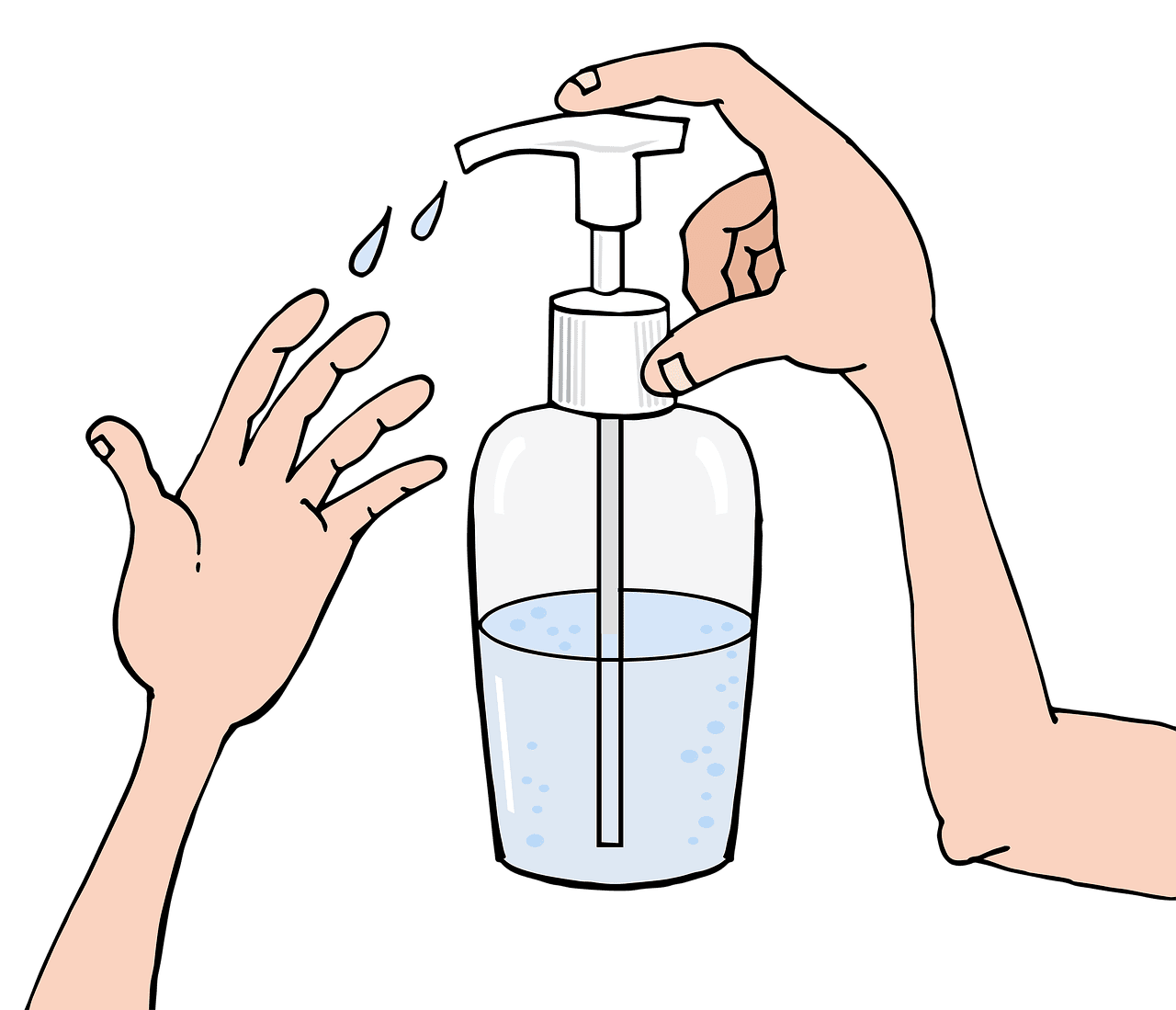
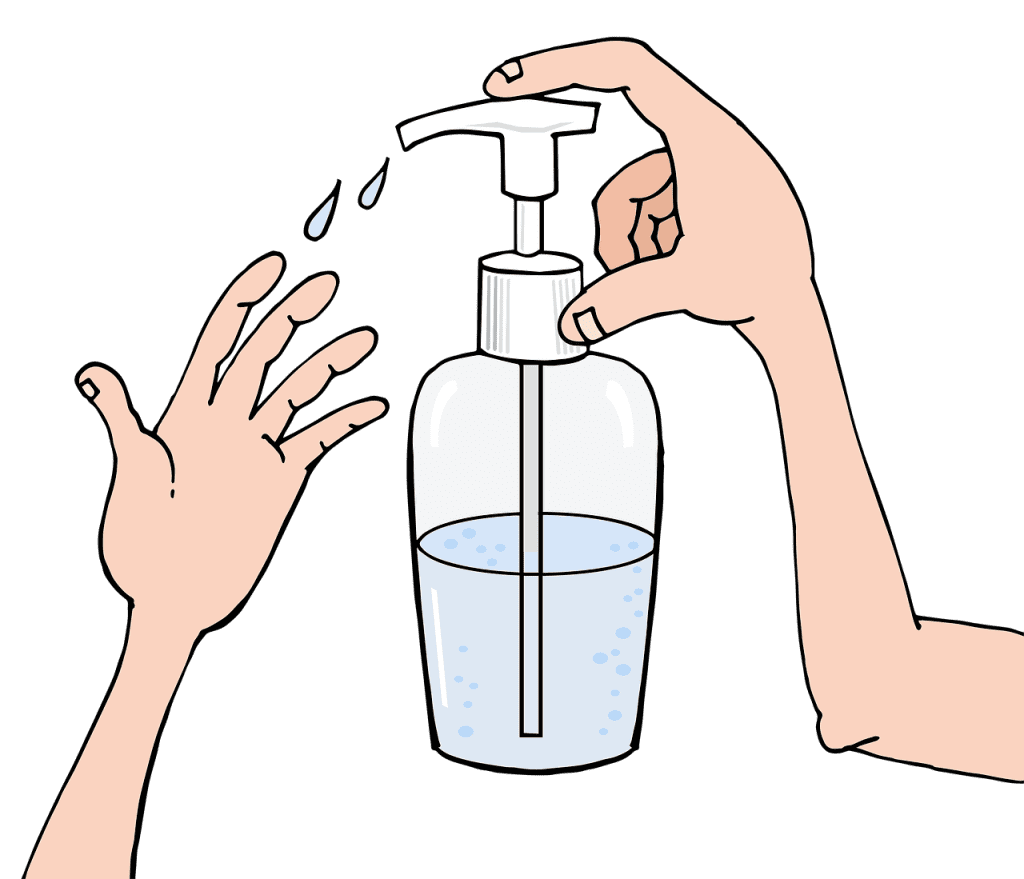
Practicing good hygiene is essential for preventing the spread of germs and reducing the risk of infections. One of the simplest yet most effective ways to maintain good hygiene is by washing your hands regularly. Use soap and water and scrub your hands for at least 20 seconds, making sure to clean all surfaces, including between your fingers and under your nails. Handwashing is especially important before eating, after using the restroom, and after being in public places.
Cover Your Mouth and Nose When Sneezing or Coughing
Covering your mouth and nose when sneezing or coughing is another important aspect of good hygiene. This helps prevent the spread of respiratory droplets that can contain contagious germs. When sneezing or coughing, use a tissue or your elbow to cover your mouth and nose, rather than your hands. Dispose of used tissues properly and wash your hands afterward. If a tissue is not available, cough or sneeze into your elbow to minimize the spread of germs.
Maintain Dental Hygiene
Proper dental hygiene is essential for oral health and overall well-being. Brush your teeth at least twice a day for two minutes each time, using a fluoride toothpaste and a soft-bristled toothbrush. Additionally, floss daily to remove plaque and food particles from between your teeth and along the gumline. Regular dental check-ups and cleanings are also important to prevent tooth decay, gum disease, and other oral health issues. Remember to replace your toothbrush every three to four months or sooner if the bristles become frayed.
Stay Active throughout the Day
Take Short Walks or Stretch Breaks
Sitting for prolonged periods can negatively impact your health, even if you exercise regularly. To counteract the negative effects of a sedentary lifestyle, try to stay active throughout the day. Take short walks or stretch breaks every hour, especially if you have a desk job. Set reminders on your phone or use apps that encourage movement and offer exercise or stretch routines. Standing up, moving around, and stretching periodically can improve blood circulation, alleviate muscle tension, and boost your energy levels.
Use Standing Desks or Adjustable Workstations
If possible, consider using a standing desk or an adjustable workstation. These ergonomic setups allow you to switch between sitting and standing positions throughout the day. Standing while working can help increase calorie expenditure, improve posture, and reduce the risk of musculoskeletal issues associated with prolonged sitting. Start by standing for short periods and gradually increase the standing time as your body adjusts. Combine standing with regular movement to maintain an active and healthy lifestyle.
Build a Support Network
Surround Yourself with Positive and Supportive People
Building a support network of positive and supportive people can significantly impact your well-being. Surrounding yourself with individuals who uplift and encourage you can help reduce stress, improve self-esteem, and enhance overall happiness. Seek out friends, family members, or colleagues who share similar goals and values, and nurture those relationships. Take the time to connect with like-minded individuals who inspire you and provide support during both good times and challenging moments.
Connect with Friends and Family
In addition to building a support network, make it a priority to regularly connect with friends and family. Strong social connections have been linked to better mental and physical health outcomes. Schedule regular catch-ups, phone calls, or video chats to stay in touch with loved ones, especially if you have a busy lifestyle. Engaging in meaningful conversations and sharing experiences with those you care about can help reduce stress, boost mood, and foster a sense of belonging.
Consider Joining Support Groups
If you are facing specific challenges or dealing with chronic health conditions, consider joining support groups. Support groups provide a safe and understanding environment where individuals facing similar situations can share experiences, offer advice, and provide emotional support. Whether online or in-person, support groups can be invaluable for navigating specific health-related issues, offering practical tips, and finding a sense of community with others who can relate to your experiences.
In conclusion, maintaining a healthy lifestyle is important, especially when leading a busy life. By following these preventive health strategies, such as maintaining a balanced diet, staying hydrated, getting regular exercise, managing stress, prioritizing self-care, scheduling regular check-ups, practicing good hygiene, staying active throughout the day, and building a support network, you can improve your overall well-being and reduce the risk of chronic diseases. Remember, small changes can make a big difference in your health, so start incorporating these habits into your daily routine today. Your body and mind will thank you!