

Did you know that staying properly hydrated is essential for maintaining overall health? Ensuring that your body receives an adequate amount of fluids can have a positive impact on various aspects of your well-being, including digestion, circulation, and even cognitive function. In this article, we will explore some of the best ways to promote proper hydration, so you can prioritize your health and well-being. So grab a glass of water and let’s dive in!

Drink Sufficient Water
One of the best ways to promote proper hydration for overall health is to drink sufficient water. Water is essential for the proper functioning of our bodies and helps to regulate body temperature, lubricate joints, and flush out toxins. To ensure you are drinking enough water, it is helpful to set a water intake goal.
Set a water intake goal
Setting a water intake goal can help you stay on track with your hydration. The recommended daily water intake varies for each individual, but a general guideline is to drink at least eight 8-ounce glasses of water per day. However, this may need to be adjusted based on factors such as activity level, body weight, and climate. You can consult with your healthcare provider to determine the appropriate water intake goal for you.
Carry a water bottle
Carrying a water bottle with you wherever you go is a great way to ensure you have access to water throughout the day. Having a water bottle on hand serves as a visual reminder to drink water regularly. Choose a reusable water bottle that is easy to carry and refill, and make it a habit to take sips of water throughout the day.
Drink water before meals
Drinking water before meals can help you stay hydrated and also assist with portion control. Sometimes, thirst can be mistaken for hunger, leading to overeating. By drinking water before meals, you can ensure that you are adequately hydrated and reduce the chances of overeating. Aim to drink a glass of water 30 minutes before each meal.
Drink water throughout the day
It is important to drink water consistently throughout the day to maintain proper hydration. Waiting until you feel thirsty may mean that you are already dehydrated. Make it a habit to take sips of water throughout the day, especially during physical activity or when exposed to hot weather. Remember, staying hydrated is a continuous process, so make sure to keep refilling your water bottle and sipping water regularly.
Incorporate Hydrating Foods
In addition to drinking water, incorporating hydrating foods into your diet is another excellent way to promote proper hydration for overall health.
Eat fruits and vegetables with high water content
Fruits and vegetables with high water content can help you stay hydrated while providing essential nutrients. Some examples of hydrating fruits include watermelon, strawberries, grapefruit, and oranges. When it comes to vegetables, cucumbers, celery, spinach, and lettuce are excellent choices. These foods not only contribute to your overall water intake but also provide vitamins, minerals, and antioxidants that are beneficial for your health.
Include soups and broths in your meals
Soups and broths are not only comforting and delicious but can also contribute to your hydration. These liquid-based foods are an excellent way to increase your water intake, especially during meals. Opt for homemade soups or broths made from fresh ingredients to maximize their nutritional benefits. Additionally, you can add hydrating vegetables and herbs to enhance the flavor and overall hydration factor of your soups and broths.
Limit Intake of Dehydrating Drinks
While it is important to focus on staying hydrated, it is equally important to limit the intake of dehydrating drinks that can hinder your hydration efforts.
Reduce consumption of sugary beverages
Sugary beverages such as sodas, energy drinks, and sweetened juices can be dehydrating due to their high sugar content. These drinks can also lead to a spike in blood sugar levels and contribute to weight gain. Opt for healthier alternatives such as water, herbal teas, or unsweetened iced tea to quench your thirst without the negative effects of excessive sugar consumption.
Minimize alcohol intake
Alcohol is known for its dehydrating effects on the body. It can increase urine production and lead to fluid loss, leaving you dehydrated if consumed in excess. If you choose to drink alcohol, it is important to do so in moderation and be mindful of your water intake. Consider alternating alcoholic beverages with glasses of water to maintain hydration and minimize the risk of dehydration.
Caffeine in moderation
Caffeinated beverages like coffee and tea can have diuretic effects, which can increase urine production and potentially contribute to dehydration. However, moderate consumption of caffeinated beverages usually does not have a significant impact on hydration levels. It is important to pay attention to how your body reacts to caffeine and adjust your water intake accordingly. If you are sensitive to caffeine or notice increased thirst or frequent urination after consuming caffeinated beverages, make sure to drink extra water to stay properly hydrated.
Use Hydration Apps and Trackers
In this digital age, there are various tools available to help you track and monitor your hydration levels. Using hydration apps and wearable trackers can be a valuable addition to your hydration routine.
Download hydration apps
There are many smartphone apps that can help you track your water intake and remind you to drink water regularly. These apps often allow you to set personal goals, monitor your progress, and provide helpful reminders throughout the day. Some hydration apps even provide personalized recommendations based on factors like age, weight, and activity level. Consider downloading a hydration app that best suits your needs and preferences to help you stay on top of your hydration goals.
Wear a smart water bottle or tracker
Another option to consider is investing in a smart water bottle or wearable tracker. These devices can track your water intake, provide real-time hydration updates, and send reminders to drink water when needed. Some smart water bottles even glow or make sounds to grab your attention and remind you to hydrate. Wearing a hydration tracker on your wrist or using a smart water bottle can be helpful in staying accountable and ensuring you meet your water intake goals.

Create Hydration Reminders
Sometimes, we need a little extra help to stay hydrated. Creating hydration reminders can be a simple yet effective way to ensure that you are consistently drinking enough water.
Set alarms on your phone
Setting alarms on your phone can serve as hydration reminders throughout the day. You can schedule alarms at regular intervals to prompt you to take a few sips of water or drink a full glass. Additionally, you can customize the alarm tones to make them more attention-grabbing and motivating. Experiment with different alarm strategies to find what works best for you in staying hydrated and on track.
Write down water intake goals
Putting your water intake goals on paper can serve as a visual reminder and help you stay accountable. Write down your daily water intake goal and keep it somewhere visible, such as on your desk, fridge, or bathroom mirror. This simple act can serve as a gentle nudge to keep drinking water throughout the day and ensure you reach your hydration goals.
Use apps and wearable devices as reminders
If you have downloaded a hydration app or are using a wearable device, take advantage of the reminder features they offer. Most hydration apps and trackers allow you to set personalized reminders that will notify you when it is time to drink water. You can customize the frequency and timing of these reminders to fit your schedule and preferences. By utilizing the reminder features, you can stay on top of your hydration goals and make drinking water a habit.
Infuse Water with Fruits and Herbs
If you find plain water to be boring or struggle with meeting your water intake goals, infusing water with fruits and herbs can be a refreshing and enjoyable solution.
Add slices of fruits and herbs to water
Simply adding slices of fruits and herbs to a jug or glass of water can provide a burst of flavor and make drinking water more appealing. Some popular fruit options for infusion include strawberries, lemon, lime, cucumber, and watermelon. For a touch of herbal goodness, mint leaves, basil, or lavender can be added. Experiment with different combinations to find your favorite flavor profile and enhance your water-drinking experience.
Try different flavor combinations
The beauty of infusing water is that the possibilities are endless. You can create a variety of flavor combinations by combining different fruits and herbs. For example, lemon and basil make a refreshing combination, while strawberry and mint provide a sweet and minty twist. Get creative and try out different flavors to keep your taste buds excited and motivated to drink more water.
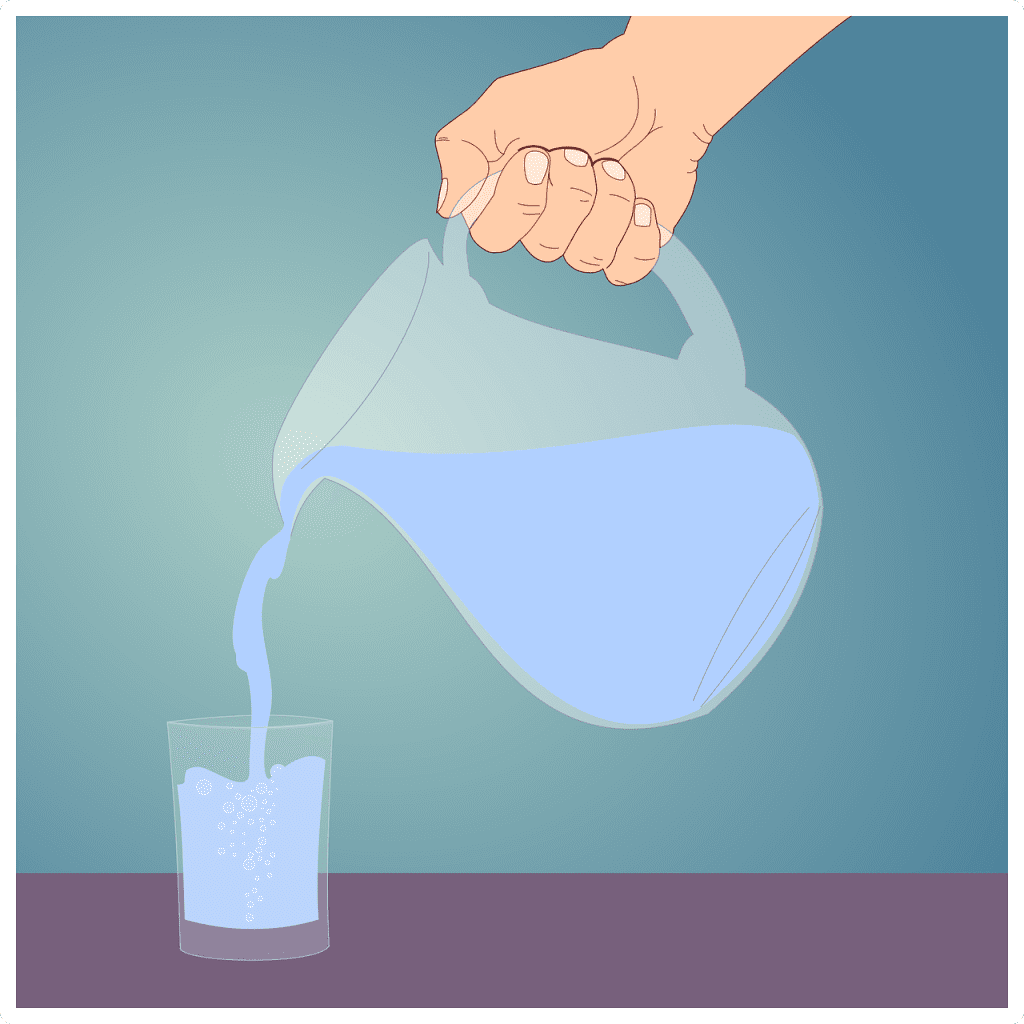
Consume Electrolyte-Rich Beverages
In addition to water, electrolytes play a vital role in maintaining proper hydration. Electrolytes are minerals in your body that help regulate fluid balance, muscle function, and nerve signaling. Including electrolyte-rich beverages in your hydration routine can be beneficial.
Include sports drinks in moderation
Sports drinks are a common source of electrolytes and can be consumed during or after intense physical activity to replenish electrolyte levels. However, it is important to consume sports drinks in moderation, as they often contain added sugars and calories. Unless you are engaging in rigorous exercise or experiencing significant electrolyte loss, water is typically sufficient for daily hydration.
Opt for natural electrolyte sources like coconut water
If you prefer a natural alternative to sports drinks, coconut water is an excellent option. Coconut water is low in calories and packed with electrolytes such as potassium, magnesium, and sodium. It can be a refreshing and hydrating choice, especially after sweating or prolonged physical activity. Keep in mind that while coconut water is hydrating, it should not replace regular water intake but rather be incorporated as part of a balanced hydration plan.
Maintain Proper Fluid Balance During Exercise
Exercise increases fluid loss through sweat, making it crucial to maintain proper fluid balance during and after physical activity.
Drink water before, during, and after exercise
To optimize hydration during exercise, it is important to drink water before, during, and after your workout. Start by hydrating before you begin exercising to ensure you are properly hydrated from the outset. During your workout, take short breaks to sip water, especially if engaging in intense or prolonged activity. After your workout, continue to drink water to replenish fluid loss and aid in recovery.
Consider electrolyte replacement during intense workouts
For intense workouts lasting longer than 60 minutes, or in extreme heat conditions, you may need to consider electrolyte replacement in addition to water. This can be achieved through sports drinks or electrolyte supplements. Electrolytes help maintain fluid balance and prevent dehydration, particularly when sodium and potassium levels may be depleted through sweat. It is essential to find the right balance of water and electrolytes for your specific exercise routine and individual needs.
Monitor Urine Color and Frequency
Monitoring your urine color and frequency can provide valuable insights into your hydration status. By paying attention to these signs, you can gauge if you are drinking enough water.
Pay attention to urine color
The color of your urine can indicate your hydration level. Ideally, your urine should be a pale yellow or straw-colored. Darker urine may be a sign of dehydration and a prompt for you to increase your water intake. Keep in mind that certain vitamins and medications can affect urine color, so it’s essential to consider other factors alongside urine color to assess hydration status accurately.
Monitor urine frequency
The frequency at which you urinate is another indicator of your hydration. Healthy individuals typically urinate between four to eight times daily. If you are urinating less frequently or experiencing concentrated urine, it may be a sign that you are not drinking enough water. On the other hand, frequent urination can also be a sign of overhydration or an underlying medical condition. It is important to find the right balance and make adjustments based on your body’s needs and signals.
Consider Environmental Factors
Environmental factors such as weather and altitude can have a significant impact on your hydration needs. It is important to adjust your hydration levels accordingly to maintain optimal health.
Increase water intake in hot or humid weather
Hot or humid weather can cause increased sweating, leading to higher fluid loss and the risk of dehydration. In such conditions, it is crucial to increase your water intake to compensate for the extra fluid loss. Carry a water bottle with you and drink water regularly, even if you do not feel thirsty. Avoid excessive sun exposure and seek shade whenever possible to minimize the heat’s impact on your hydration levels.
Adjust hydration levels at higher altitudes
At higher altitudes, the air is typically drier, leading to increased water loss through respiration. This can result in dehydration if proper hydration measures are not taken. When in high-altitude areas, make a conscious effort to drink more water than you would at lower altitudes. Additionally, limit alcohol and caffeine consumption, as they can have a more significant dehydrating effect at higher altitudes. Pay attention to how your body feels and adjust your water intake accordingly to prevent altitude-related dehydration.
By incorporating these best practices into your daily routine, you can promote proper hydration for overall health. Remember, staying hydrated is essential for optimal bodily functions, and it is crucial to listen to your body’s signals and adjust your water intake accordingly. Make hydration a priority, and you will reap the benefits of improved overall health and well-being.