

Welcome to our article on the best ways to read nutrition labels for healthy eating! Understanding nutrition labels is essential for making informed choices about the food we eat. By learning how to properly interpret these labels, you can effectively manage your nutrient intake and make healthier decisions for your diet. Stay tuned as we provide you with simple tips and tricks to help you navigate nutrition labels with ease and confidence. Have you ever found yourself staring at a nutrition label on a food product and feeling overwhelmed by all the information presented? It’s no secret that understanding nutrition labels can be confusing, but it’s an essential skill to have if you want to make healthier choices when it comes to your diet. In this article, we’ll explore the best ways to read nutrition labels for healthy eating, breaking down the information into easy-to-understand steps. Let’s dive in and learn how to navigate those labels with confidence!
Why Should You Read Nutrition Labels?
Before we dive into how to read nutrition labels, let’s first discuss why it’s important to do so. Nutrition labels provide valuable information about the nutrients and ingredients in a food product, helping you make informed choices about what you eat. By reading nutrition labels, you can:
- Make healthier food choices by selecting products that are lower in unhealthy fats, sugars, and sodium
- Track your daily intake of important nutrients like fiber, vitamins, and minerals
- Avoid allergens or ingredients that may cause adverse reactions
- Compare similar products to find the best option for your dietary needs
Reading nutrition labels is an essential step in maintaining a balanced and nutritious diet, so let’s break down how you can do it effectively.
Start with the Serving Size
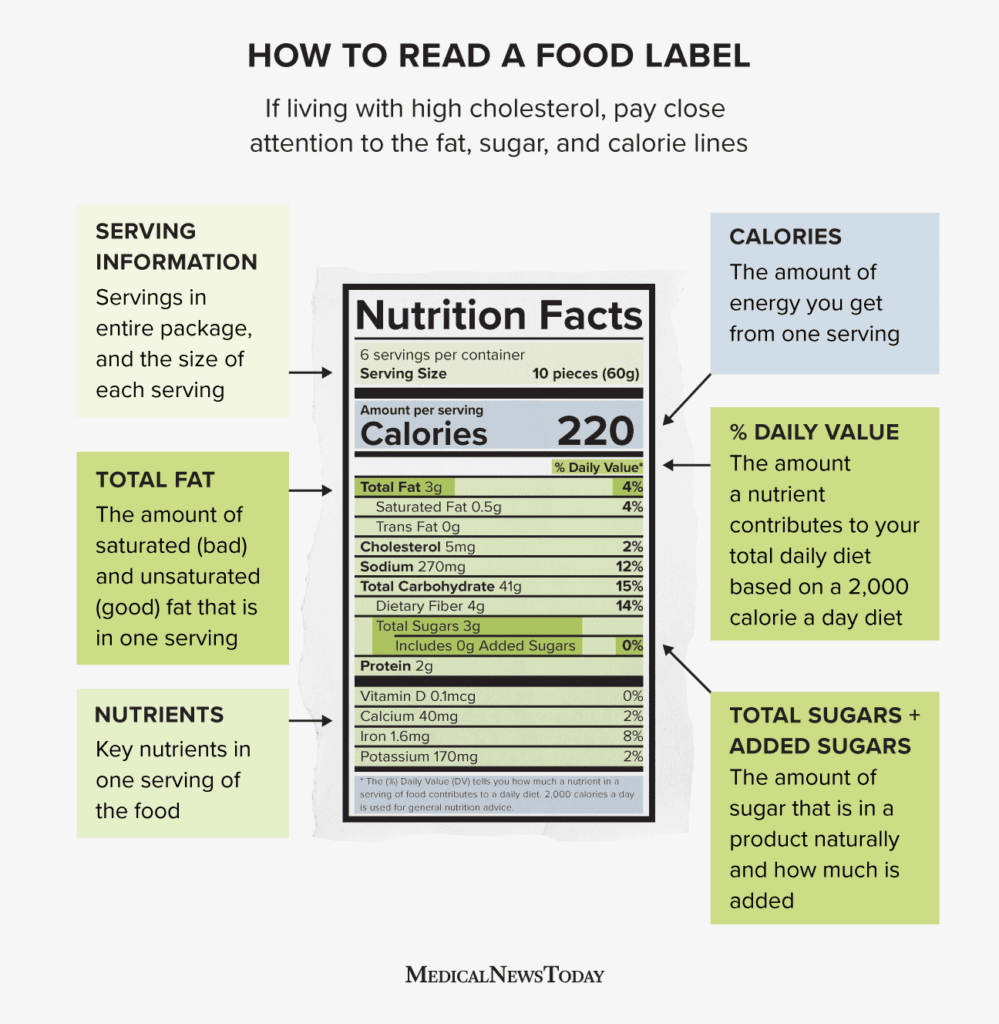
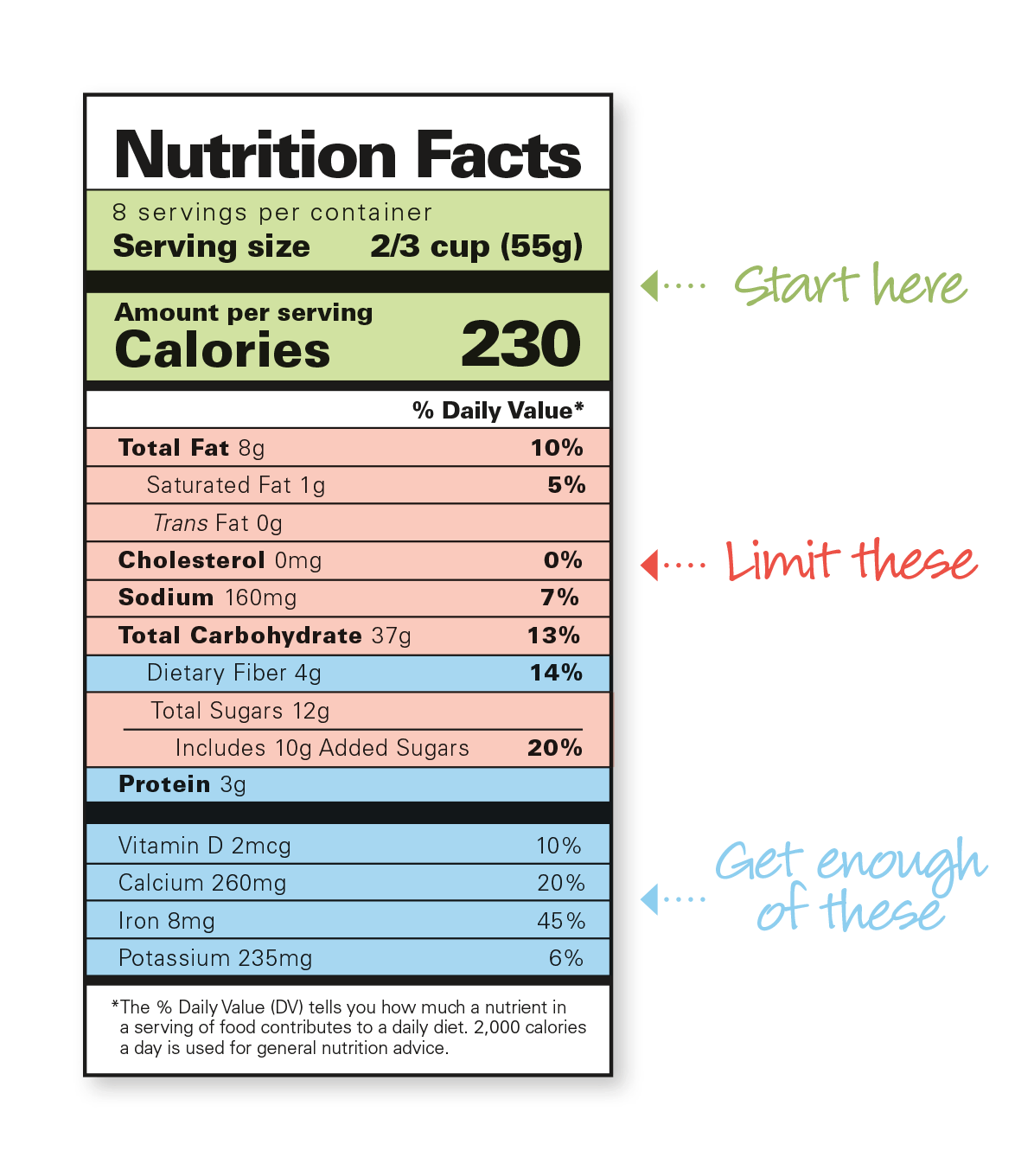
The first step in reading a nutrition label is to check the serving size. Many people overlook this crucial piece of information, but it’s essential for understanding the rest of the label. The serving size tells you the amount of food that the nutrition information is based on, as well as the number of servings in the package.
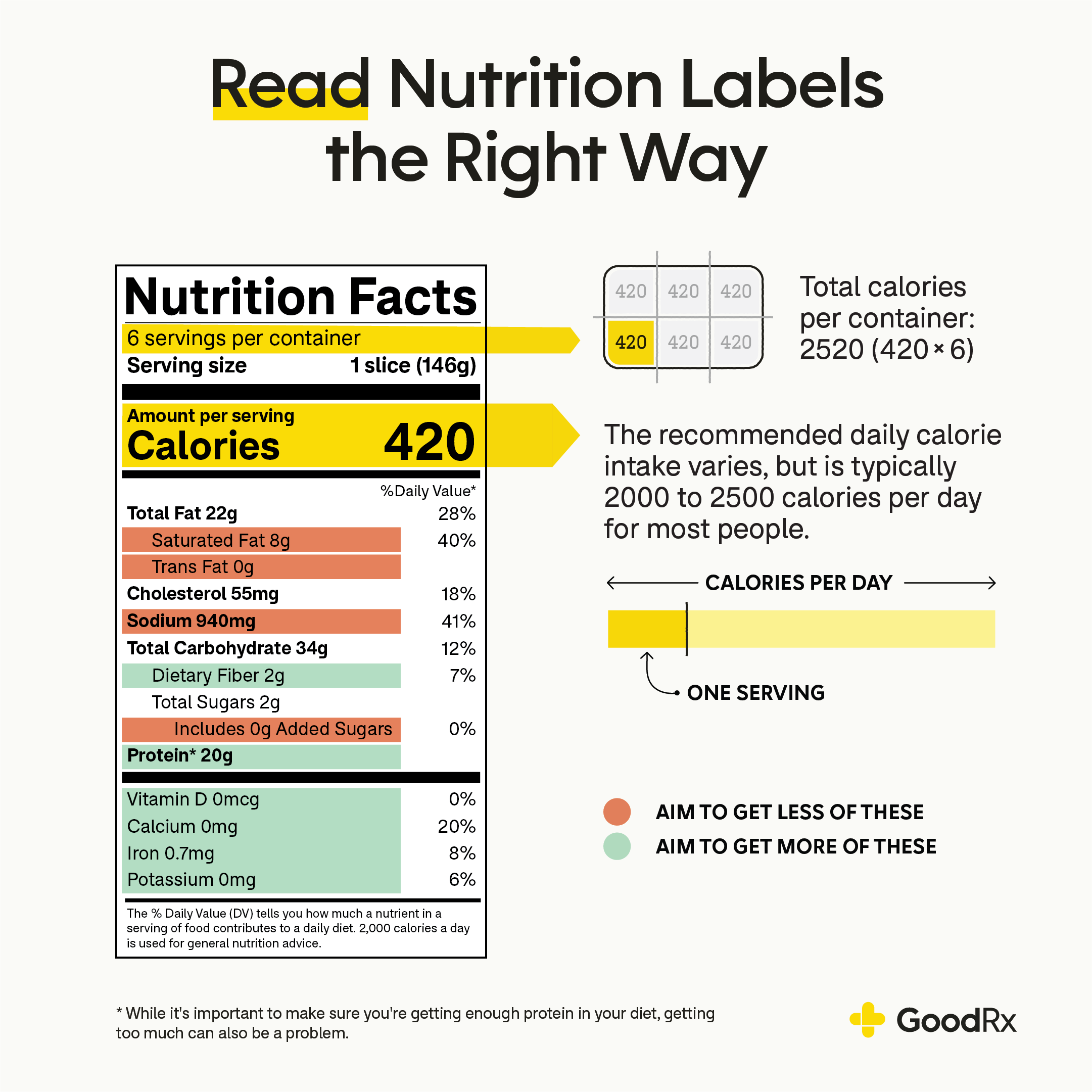
When looking at the serving size, be sure to compare it to the amount of food you actually eat. If you consume more or less than the listed serving size, you’ll need to adjust the other nutrition information accordingly. For example, if the serving size is 1 cup of cereal and you eat 2 cups, you’ll need to double the calories and nutrients listed on the label.
Pro Tip:
To make it easier to visualize serving sizes, use measuring cups or a food scale to portion out foods according to the label. This can help you understand how much you’re actually eating and make more accurate choices.
Check the Calories
Once you’ve identified the serving size, the next step is to look at the number of calories per serving. Calories are a measure of the energy your body gets from the food, and it’s important to be mindful of your calorie intake to maintain a healthy weight.
When reading the calorie information on a nutrition label, keep in mind that the number of calories listed is for one serving of the food. If you eat more or less than the serving size, you’ll need to adjust the calorie count accordingly.
Pro Tip:
When comparing similar products, look for lower-calorie options to help you make healthier choices. You can also use the calorie information to budget your daily intake and ensure you’re meeting your nutritional needs without overindulging.
Analyze the Nutrients
After checking the serving size and calorie count, it’s time to delve into the details of the nutrients listed on the label. This section provides information about the various nutrients found in the food product, including macronutrients like carbohydrates, fats, and proteins, as well as micronutrients like vitamins and minerals.
Macronutrients:
- Carbohydrates: Carbs are your body’s primary source of energy, so it’s important to include them in your diet. Look for products with complex carbohydrates like whole grains, fruits, and vegetables, and limit foods high in simple sugars.
- Fats: There are different types of fats, including saturated, unsaturated, and trans fats. Opt for products with unsaturated fats like those found in nuts, seeds, and avocados, and limit saturated and trans fats, which can raise cholesterol levels.
- Proteins: Proteins are crucial for building and repairing tissues in your body. Choose lean sources of protein like poultry, fish, beans, and tofu, and limit processed meats and high-fat animal products.
Micronutrients:
- Vitamins: Vitamins are essential for various bodily functions, such as immune health, energy production, and metabolism. Look for products rich in vitamins A, C, D, E, and K, as well as B vitamins like B12 and folate.
- Minerals: Minerals play a vital role in bone health, nerve function, and muscle contraction. Seek out foods with minerals like calcium, iron, magnesium, zinc, and potassium to support overall well-being.
Pro Tip:
Pay attention to the % Daily Value (%DV) listed on the label for each nutrient. This percentage indicates how much of the recommended daily intake of that nutrient is provided by one serving of the food. Aim to choose products that are high in essential nutrients and low in unhealthy components like saturated fats and added sugars.
Watch Out for Added Sugars and Sodium
Two nutrients that are commonly overconsumed in the Western diet are added sugars and sodium. Excessive intake of these substances can lead to health issues like obesity, high blood pressure, and heart disease, so it’s crucial to be mindful of how much you’re consuming.
Added Sugars:
Added sugars are sugars that are added to foods during processing to enhance flavor. While some foods naturally contain sugars (like fruits and dairy products), added sugars contribute to empty calories with no nutritional benefit. Look for products with little or no added sugars, and be wary of terms like “high fructose corn syrup,” “sucrose,” and “dextrose” on the ingredient list.
Sodium:
Sodium is a mineral that’s essential for maintaining fluid balance in your body, but most people consume far more sodium than they need. High sodium intake can lead to high blood pressure and other cardiovascular issues. Choose products that are lower in sodium and opt for whole foods over processed foods, which tend to be high in added salt.
Pro Tip:
To reduce your intake of added sugars and sodium, focus on eating whole, unprocessed foods as much as possible. Fresh fruits and vegetables, whole grains, lean proteins, and unsalted nuts are excellent choices for a low-sugar, low-sodium diet.
Decipher the Ingredient List
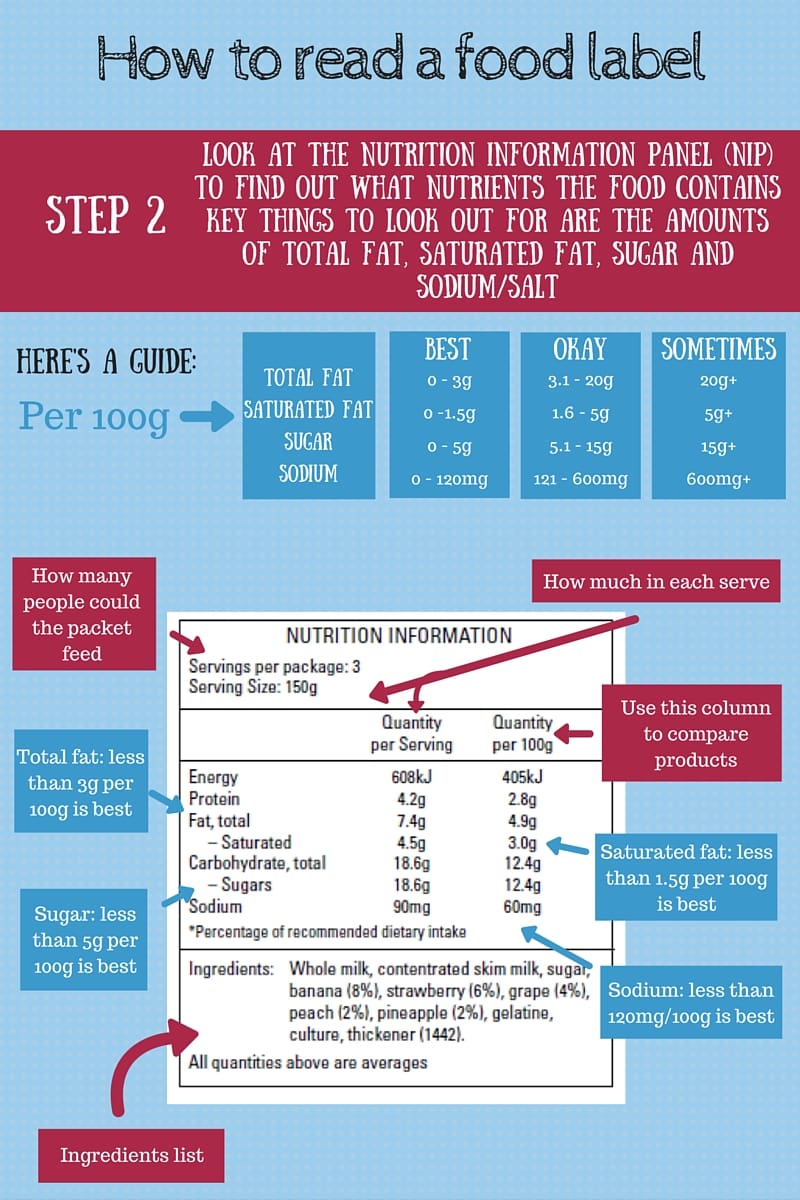
In addition to the nutrition facts panel, it’s essential to review the ingredient list on a food product. The ingredient list provides insight into what’s actually in the food you’re consuming, helping you identify potential allergens or harmful additives.
When reading the ingredient list, keep an eye out for the following:
- Common Allergens: Ingredients like peanuts, tree nuts, fish, shellfish, soy, wheat, eggs, and dairy are common allergens that can trigger reactions in sensitive individuals. If you have allergies or intolerances, make sure to scan the ingredient list carefully to avoid potential issues.
- Hidden Sugars: Sugar can go by many names on ingredient lists, such as cane sugar, high fructose corn syrup, maltose, dextrose, and more. Be on the lookout for these terms to identify products with added sugars.
- Artificial Additives: Artificial colors, flavors, sweeteners, and preservatives are often added to processed foods to enhance taste, appearance, or shelf life. While some additives are safe, others may have negative health effects. Avoid products with long lists of chemical additives and opt for minimally processed foods whenever possible.
Pro Tip:
When in doubt about an ingredient on the list, do some research to learn more about its safety and potential health effects. Websites like the Environmental Working Group (EWG) and the Center for Science in the Public Interest (CSPI) provide valuable information on food additives and their impact on health.
Use Comparison Tables
Sometimes, it can be challenging to make sense of the information presented on multiple nutrition labels, especially when comparing similar products. To make this process easier, consider creating a comparison table that lists the key nutrients side by side for quick reference.
Here’s an example of how a comparison table might look:
| Nutrient | Product A | Product B | Product C |
|---|---|---|---|
| Calories | 150 | 120 | 180 |
| Total Fat | 5g | 3g | 8g |
| Cholesterol | 10mg | 15mg | 5mg |
| Sodium | 200mg | 150mg | 250mg |
| Carbohydrates | 20g | 15g | 25g |
| Fiber | 3g | 5g | 2g |
| Protein | 8g | 6g | 10g |
By creating a comparison table like this, you can easily see how different products stack up against each other in terms of key nutrients. This can help you make an informed decision when choosing between similar food items.
Pro Tip:
Consider creating a digital template for comparison tables that you can fill in with information from different nutrition labels as needed. This way, you’ll have a handy tool for quick and easy analysis of various products while shopping.
Consult with a Nutrition Professional
If you’re still feeling overwhelmed by the information on nutrition labels or struggling to make sense of it all, don’t hesitate to seek guidance from a nutrition professional. Registered dietitians and nutritionists are trained to help individuals make informed choices about their diet, and they can provide personalized advice based on your unique needs and goals.
A nutrition professional can help you:
- Understand how to interpret nutrition labels
- Create a balanced meal plan to meet your nutritional needs
- Address specific dietary concerns or health conditions
- Navigate food allergies and intolerances
- Make sustainable lifestyle changes for long-term health
Pro Tip:
Many health insurance plans cover visits to registered dietitians or nutritionists, so be sure to check with your provider to see if this service is included in your plan. Taking the time to consult with a nutrition professional can set you on the path to better health and wellness.
Conclusion
Reading nutrition labels is a valuable skill that can empower you to make healthier choices for your diet and overall well-being. By understanding how to interpret serving sizes, calorie counts, nutrient information, ingredient lists, and comparison tables, you can navigate the world of food labels with confidence. Remember to focus on whole, unprocessed foods, limit added sugars and sodium, and seek guidance from a nutrition professional if needed. With these tips in mind, you’ll be well-equipped to read nutrition labels like a pro and make informed decisions about the foods you eat. Happy label-reading and healthy eating!