
Welcome to an article that will revolutionize the way you think about cooking at home! In this guide, you will discover the top ways to create delicious and nutritious meals in the comfort of your own kitchen. From incorporating more fruits and vegetables into your dishes to choosing leaner proteins and experimenting with different cooking methods, you’ll learn how to cook healthier meals that still pack a flavorful punch. Get ready to elevate your cooking game and create meals that will not only nourish your body but also satisfy your taste buds. Let’s get cooking! Have you ever found yourself wanting to cook healthier meals at home but not sure where to start? Making small changes to your cooking habits can have a big impact on your overall health. In this article, we will discuss the top ways to cook healthier meals at home, so you can feel great about what you’re putting on the table for you and your loved ones.
Planning Ahead for Success
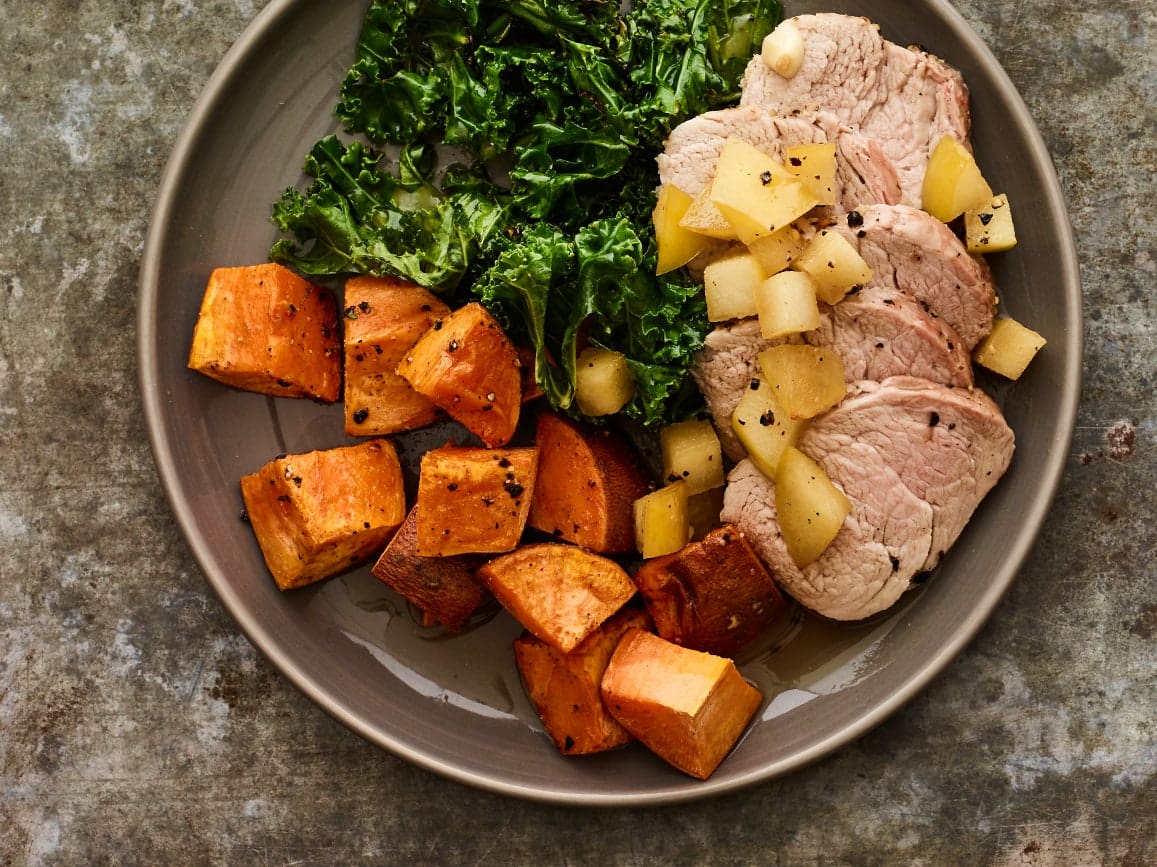
When it comes to cooking healthier meals at home, planning ahead is key. By taking the time to plan your meals for the week, you can ensure that you have all the ingredients you need on hand and avoid the temptation of ordering takeout or opting for unhealthy convenience foods. Setting aside some time each week to plan your meals can make a big difference in your overall health and well-being.
Meal Planning Tips
- Create a weekly meal plan: Sit down at the beginning of the week and write out what meals you will be making each day. This can help you stay organized and ensure that you have a balanced and nutritious diet.
- Make a shopping list: Once you have your meal plan in place, make a list of all the ingredients you will need for the week. This can help you avoid any last-minute trips to the grocery store and prevent you from impulse buying unhealthy foods.
- Prep in advance: Take some time on the weekend to prep ingredients for the week ahead. Chopping vegetables, marinating meat, or cooking grains in advance can save you time during busy weekdays and make cooking dinner a breeze.
Planning ahead for success can help you stay on track with your healthy eating goals and make cooking at home a more enjoyable experience.
Choosing Healthier Ingredients
One of the best ways to cook healthier meals at home is to focus on using fresh, whole ingredients. By choosing whole foods over processed foods, you can increase the nutritional value of your meals and reduce your intake of added sugars, salt, and unhealthy fats. When shopping for ingredients, opt for fresh fruits and vegetables, whole grains, lean proteins, and healthy fats like olive oil and avocado.
Healthy Ingredient Swaps
- Instead of white rice, try brown rice or quinoa for added fiber and nutrients.
- Swap out traditional pasta for whole wheat or bean-based pasta for increased protein and fiber content.
- Use Greek yogurt in place of sour cream in recipes for a boost of protein and probiotics.
Making small swaps like these can make a big difference in the overall nutritional value of your meals and help you cook healthier dishes at home.
Cooking Methods Matter
The way you cook your food can also have a big impact on its nutritional value. Choosing healthier cooking methods like baking, grilling, steaming, or sautéing can help preserve the nutrients in your ingredients and reduce the amount of added fats and oils in your dishes. Avoid deep-frying and using excessive amounts of oil when cooking, as these methods can add unnecessary calories and unhealthy fats to your meals.
Healthy Cooking Techniques
- Bake or roast vegetables to bring out their natural sweetness and flavors without adding extra fats.
- Grill or sauté lean proteins like chicken breast or fish for a flavorful and healthy main dish.
- Steam vegetables to retain their nutrients and vibrant colors while keeping them crisp and fresh.
By choosing healthier cooking methods, you can create delicious and nutritious meals that will satisfy your taste buds and nourish your body.
Portion Control and Mindful Eating
In addition to choosing healthy ingredients and cooking methods, practicing portion control and mindful eating can also contribute to cooking healthier meals at home. Being mindful of portion sizes can help prevent overeating and ensure that you are consuming just the right amount of food to fuel your body. Eating slowly, savoring each bite, and paying attention to your body’s hunger cues can also help you enjoy your meals more and prevent mindless eating.
Tips for Portion Control
- Use smaller plates and bowls to help control portion sizes and prevent overeating.
- Measure out serving sizes of grains, proteins, and fats to ensure you are getting the right balance of nutrients.
- Avoid eating straight from the container or bag, as this can lead to mindless eating and consuming more than you intended.
Practicing portion control and mindful eating can help you maintain a healthy weight, prevent overeating, and enjoy your meals more fully.

Incorporating More Fruits and Vegetables
Fruits and vegetables are essential components of a healthy diet and should be a staple in your meals. They are rich in essential vitamins, minerals, fiber, and antioxidants that can help protect your body against chronic diseases and promote overall health. By incorporating more fruits and vegetables into your meals, you can increase the nutritional value of your dishes and add vibrant colors and flavors to your plate.
Easy Ways to Add More Produce
- Start your day with a green smoothie packed with spinach, kale, and other leafy greens for a nutrient boost.
- Snack on fresh fruits and vegetables like carrots, bell peppers, apples, and berries throughout the day for added vitamins and fiber.
- Add extra veggies to soups, salads, stir-fries, and casseroles to increase the volume of your meals without adding extra calories.
Focusing on incorporating more fruits and vegetables into your meals can help you meet your daily nutrient needs and support a healthy lifestyle.
Experimenting with Herbs and Spices
Herbs and spices are a great way to add flavor to your meals without relying on excessive amounts of salt, sugar, or fat. By experimenting with different herbs and spices, you can create delicious and flavorful dishes that are also good for your health. Herbs and spices are not only rich in antioxidants and anti-inflammatory compounds but also have unique flavors that can elevate the taste of your meals.
Essential Herbs and Spices for Your Kitchen
- Garlic: Adds depth and flavor to a wide variety of dishes and has been shown to have numerous health benefits, including immune-boosting properties.
- Turmeric: Known for its vibrant color and earthy flavor, turmeric is a powerful anti-inflammatory spice that can help reduce inflammation in the body.
- Basil: A versatile herb that pairs well with tomatoes, pasta, and salads, basil is rich in vitamins and minerals and adds a fresh and aromatic element to dishes.
By stocking your pantry with a variety of herbs and spices, you can enhance the flavors of your meals and reduce your reliance on salt, sugar, and unhealthy fats.

Making Healthy Swaps in Recipes
Another way to cook healthier meals at home is by making simple swaps in your favorite recipes to boost their nutritional value. By substituting healthier ingredients for less healthy ones, you can create dishes that are lower in calories, sugar, and unhealthy fats while still being delicious and satisfying. Making healthy swaps in recipes can help you enjoy your favorite foods without compromising your health goals.
Healthy Recipe Swaps
- Use applesauce or mashed bananas in place of oil or butter in baking recipes for added moisture and natural sweetness.
- Swap out heavy cream for Greek yogurt or coconut milk in creamy sauces or soups for a lighter and healthier alternative.
- Substitute ground turkey or tofu for ground beef in recipes like tacos, lasagna, or meatballs for a leaner protein option.
Making healthy swaps in recipes can help you reduce the calorie and fat content of your dishes while still enjoying the flavors and textures you love.
Building Balanced Meals
Building balanced meals is essential for cooking healthier dishes at home and providing your body with the nutrients it needs to function optimally. A balanced meal should include a mix of lean proteins, healthy fats, whole grains, and plenty of fruits and vegetables to ensure you are meeting your nutrient requirements and keeping your blood sugar levels stable. By focusing on creating balanced meals, you can support your overall health and well-being.
Components of a Balanced Meal
- Protein: Include lean proteins like chicken, fish, tofu, beans, or lentils in your meals to support muscle growth and repair.
- Healthy fats: Incorporate sources of healthy fats like avocado, nuts, seeds, or olive oil to support brain health and reduce inflammation.
- Whole grains: Opt for whole grains like quinoa, brown rice, or oats for added fiber and nutrients that can help regulate digestion and promote satiety.
Building balanced meals can help you feel satisfied, maintain steady energy levels, and support your body’s overall health and well-being.

Final Thoughts
Cooking healthier meals at home doesn’t have to be complicated or time-consuming. By following the tips and strategies outlined in this article, you can make simple changes to your cooking habits that will have a big impact on your health. From planning ahead and choosing healthier ingredients to experimenting with herbs and spices and building balanced meals, there are plenty of ways to cook healthier dishes at home that are both delicious and nutritious. Remember, small changes can lead to big results, so start incorporating these tips into your cooking routine today and enjoy the benefits of a healthier lifestyle. Happy cooking!