
Hey there! Are you looking to improve your gut health and wondering which foods to avoid? Well, you’re in luck! In this article, we’ll delve into the world of gut health and explore some of the foods that you should steer clear of in order to maintain a happy and healthy digestive system. So, let’s jump right in and discover how you can make better choices for your gut health!
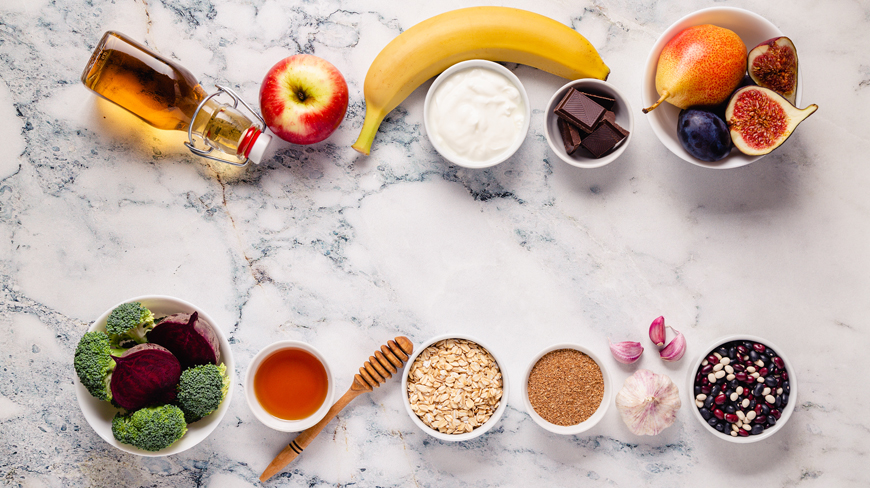
1. Processed foods
Processed foods are a major culprit when it comes to poor gut health. These foods are often high in unhealthy fats and sugars, which can wreak havoc on your digestive system. Consuming large amounts of these fats and sugars can not only lead to weight gain and obesity, but it can also increase your risk of developing chronic diseases such as heart disease and type 2 diabetes.
Another issue with processed foods is their lack of fiber. Fiber is essential for maintaining a healthy gut because it helps regulate bowel movements and promotes the growth of beneficial bacteria in your gut. Without enough fiber, your digestive system may become sluggish, leading to constipation and other digestive issues.
In addition to unhealthy fats, sugars, and lack of fiber, processed foods often contain artificial additives and preservatives. These additives are used to enhance flavor, improve shelf life, and create an appealing appearance. However, they can disrupt the delicate balance of your gut microbiome, which is made up of trillions of bacteria that play a crucial role in digestion and overall health. When the gut microbiome is disrupted, it can lead to various digestive issues, such as bloating, gas, and diarrhea.
To improve your gut health, it is important to reduce your consumption of processed foods and opt for whole, unprocessed foods instead. Whole grains, fruits, vegetables, lean proteins, and healthy fats should be the foundation of your diet to support a healthy gut.
2. Sugary beverages
Sodas, energy drinks, fruit juices, and other sugary beverages may taste refreshing, but they are detrimental to your gut health. These drinks are often loaded with added sugars, which can not only contribute to weight gain and metabolic disorders, but also wreak havoc on your gut.
Consuming excessive amounts of added sugars can lead to inflammation in the gut. This inflammation can damage the lining of the digestive tract, leading to a condition called leaky gut syndrome. When the intestinal barrier becomes compromised, harmful substances can enter the bloodstream and trigger an immune response, resulting in various health issues.
Additionally, sugary beverages can decrease the number of beneficial bacteria in your gut. These bacteria play a crucial role in digestion and help maintain a healthy gut environment. When the balance of bacteria is disrupted, it can lead to dysbiosis, an imbalance of gut bacteria that can contribute to the development of gut disorders such as irritable bowel syndrome (IBS) and inflammatory bowel disease (IBD).
To support your gut health, it is important to limit your consumption of sugary beverages. Instead, opt for water, herbal teas, or naturally flavored water with fresh fruits and herbs. These alternatives can keep you hydrated without the negative impact on your gut.
3. Artificial sweeteners
Artificial sweeteners are often found in diet sodas, sugar-free snacks, and other “low-calorie” or “sugar-free” products. While they may seem like a healthier alternative to sugar, artificial sweeteners can actually have a negative impact on your gut health.
Studies have shown that artificial sweeteners can alter the composition of your gut microbiota, the community of bacteria residing in your digestive tract. These alterations can disrupt the balance of bacteria and potentially lead to metabolic disorders such as obesity and type 2 diabetes.
Furthermore, artificial sweeteners have been linked to digestive issues and bloating. This is because these sweeteners are not fully absorbed by the body and pass through the digestive system intact. As they reach the gut, they can cause an imbalance in the bacterial composition, leading to gastrointestinal symptoms.
To protect your gut health, it is best to avoid or minimize your consumption of artificial sweeteners. Opt for natural sweeteners such as stevia, monk fruit extract, or small amounts of honey or maple syrup, if needed.
4. Dairy products
While dairy products can be a good source of calcium and protein, they may not be friendly to your gut if you have lactose intolerance or sensitivity to dairy. Lactose intolerance is a common condition characterized by the inability to digest lactose, the sugar found in milk and dairy products. This can cause digestive discomfort such as bloating, gas, diarrhea, and stomach cramps.
In addition to lactose intolerance, dairy products can be problematic for some individuals due to their high saturated fat content. High intake of saturated fats has been linked to inflammation in the gut, which can increase the risk of developing gut disorders such as IBD and colorectal cancer.
Furthermore, some people may have a sensitivity or allergy to dairy proteins, such as casein or whey. These allergies can trigger symptoms such as abdominal pain, diarrhea, and skin rashes. If you suspect that you have a dairy allergy or sensitivity, it is best to eliminate dairy products from your diet and seek alternatives for calcium and protein.
If you do not experience any negative symptoms from consuming dairy, it is still important to choose high-quality, organic, and grass-fed dairy products when possible. Additionally, incorporating plant-based alternatives such as almond milk or coconut yogurt can be beneficial for your gut health.
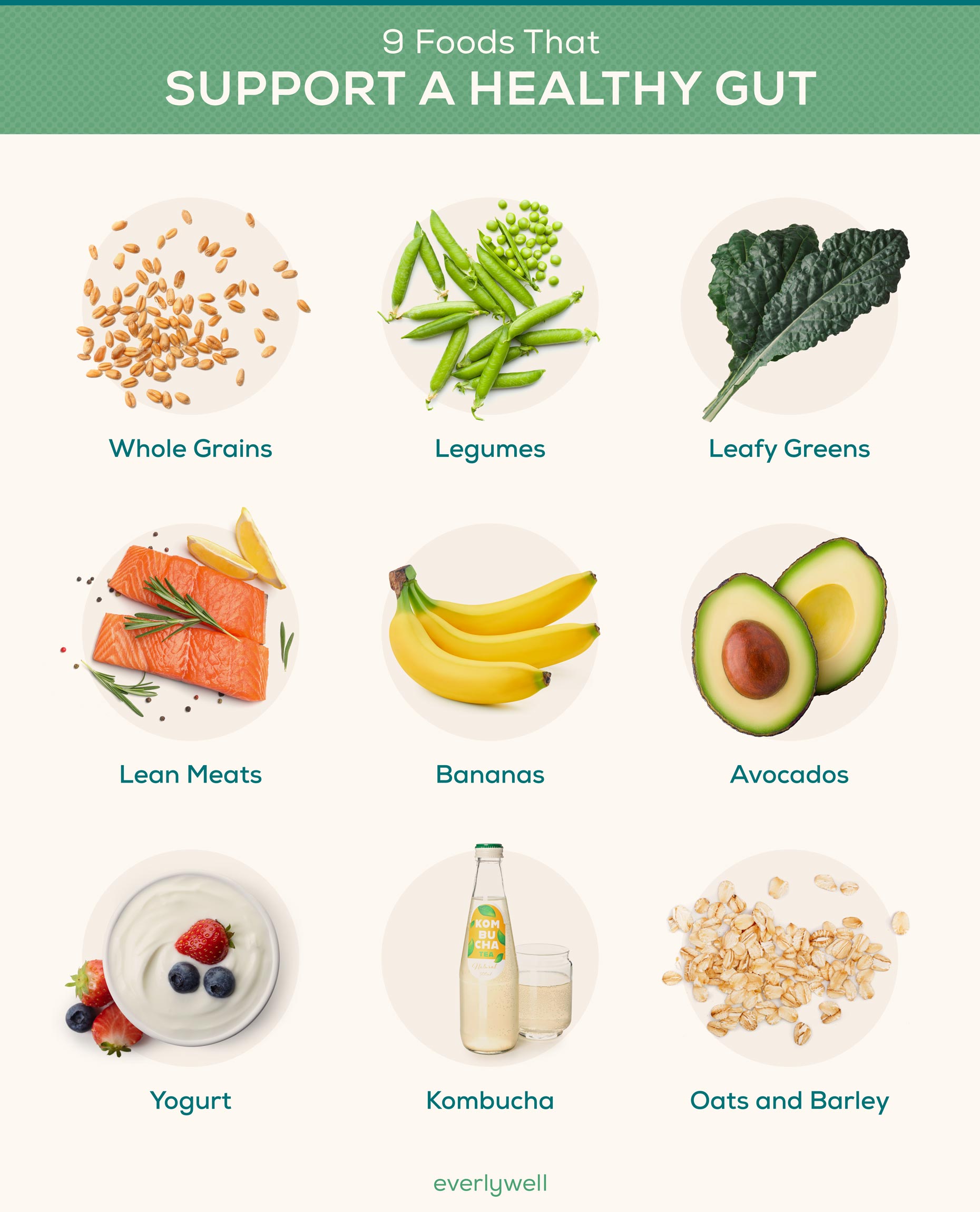
5. Gluten-containing grains
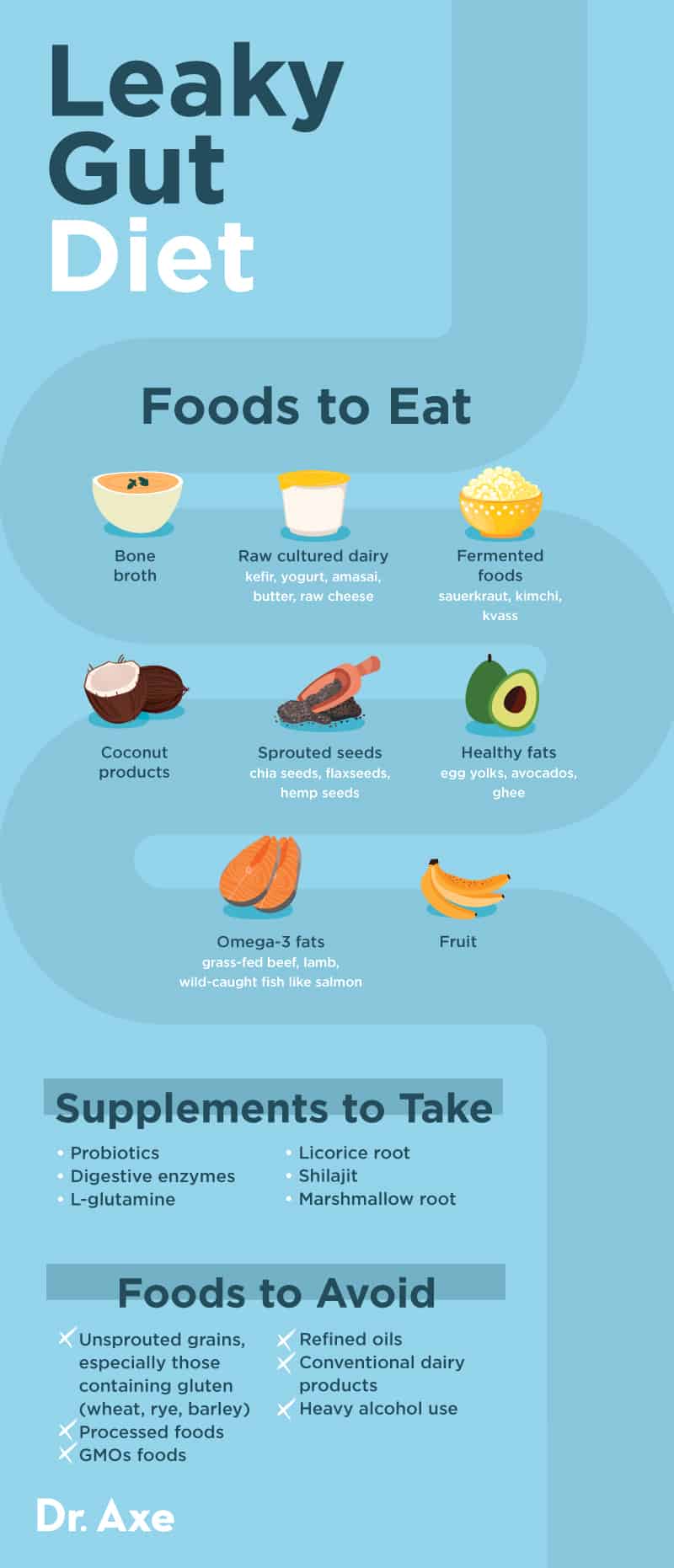
Gluten-containing grains such as wheat, barley, and rye can trigger digestive issues in individuals with gluten sensitivity or celiac disease. Gluten is a protein found in these grains that can cause an immune reaction in susceptible individuals. This reaction leads to inflammation in the gut and can damage the lining of the small intestine over time.
Even if you do not have gluten sensitivity or celiac disease, some individuals may experience gut inflammation due to gluten consumption. This can lead to symptoms such as bloating, abdominal pain, diarrhea, and fatigue.
Furthermore, some grains, including wheat, contain FODMAPs (fermentable oligosaccharides, disaccharides, monosaccharides, and polyols). FODMAPs are a type of carbohydrate that can be difficult to digest for some individuals, leading to digestive symptoms such as bloating, gas, and diarrhea.
To support your gut health, it is important to listen to your body and determine whether gluten-containing grains cause any negative symptoms. If they do, it may be beneficial to avoid or minimize your consumption of gluten and opt for gluten-free grains such as rice, quinoa, and oats.
6. Fried and fatty foods
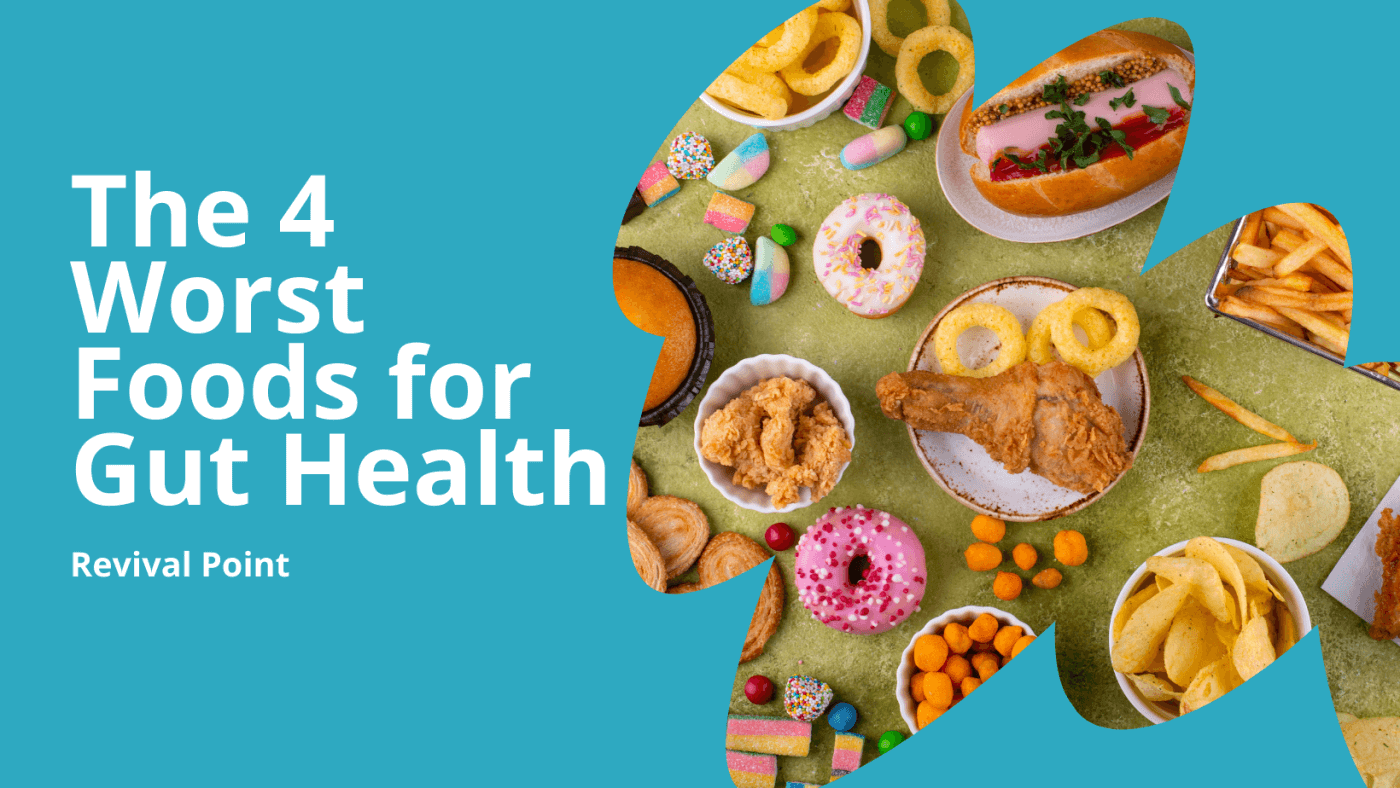
Fried and fatty foods may be delicious, but they can be detrimental to your gut health. These foods are often high in unhealthy fats, such as trans fats and saturated fats. These fats can lead to inflammation in the gut, which can contribute to the development of gut disorders.
In addition to inflammation, fried and fatty foods can slow down digestion. This is because these foods are difficult for the body to break down, requiring more time and energy for digestion. Slow digestion can lead to symptoms such as bloating, gas, and constipation.
To support your gut health, it is important to reduce your intake of fried and fatty foods. Instead, opt for healthier cooking methods such as baking, grilling, or steaming. Additionally, choose healthy fats from sources such as avocados, nuts, and seeds, which can provide essential nutrients without the negative impact on your gut.
7. Alcohol
While moderate alcohol consumption may not have a significant impact on gut health, excessive alcohol intake can be detrimental. Alcohol can disrupt the gut barrier function, which is responsible for preventing harmful substances from entering the bloodstream. When this barrier is compromised, it can lead to inflammation in the gut and increase the risk of developing gut disorders.
Furthermore, alcohol can alter the composition of the gut microbiota. This alteration can negatively impact the diversity and balance of bacteria in the gut, potentially leading to digestive issues and imbalances in overall health.
In addition to disrupting gut barrier function and altering the gut microbiota, alcohol itself can cause inflammation in the gut. This inflammation can lead to symptoms such as abdominal pain, bloating, and diarrhea.
To support your gut health, it is best to consume alcohol in moderation or avoid it altogether. If you choose to drink, it is important to do so responsibly and consider the potential impact on your gut health.
8. Artificial additives and preservatives
Artificial additives and preservatives are commonly found in processed foods and can have a negative impact on your gut health. These additives and preservatives are used to enhance flavor, improve texture, and prolong shelf life. However, they can disrupt the delicate balance of your gut microbiome and contribute to inflammation in the gut.
The gut microbiome is made up of trillions of bacteria that play a crucial role in digestion and overall health. When this balance is disrupted by artificial additives and preservatives, it can lead to digestive issues such as bloating, gas, and diarrhea.
In addition to disrupting the gut microbiome, artificial additives and preservatives may cause digestive issues in some individuals. Some people may be more sensitive to these substances and experience symptoms such as abdominal pain, nausea, and vomiting.
To protect your gut health, it is important to read food labels carefully and choose whole foods that are free from artificial additives and preservatives. Opting for fresh fruits and vegetables, lean proteins, and whole grains will not only support your gut health but also provide you with essential nutrients for overall well-being.
9. High-fat foods
While healthy fats are essential for a well-balanced diet, consuming excessive amounts of high-fat foods can have a negative impact on your gut health. These foods are often difficult for the body to digest, leading to slow digestion and potential disruption of the gut microbiome.
In addition to slowing down digestion, high-fat foods can contribute to inflammation in the gut. This inflammation can increase the risk of developing gut disorders and various other chronic diseases.
To maintain a healthy gut, it is important to consume fats in moderation and focus on healthy sources such as avocados, nuts, and seeds. These foods provide essential nutrients and healthy fats without the negative impact on your gut.
10. Excessive caffeine
While a cup of coffee in the morning may provide a temporary energy boost, excessive caffeine consumption can be detrimental to your gut health. Caffeine is a stimulant that can irritate the digestive system, leading to symptoms such as heartburn, acid reflux, and stomach ulcers.
Furthermore, caffeine can disrupt sleep patterns, which can have a negative impact on your gut health. Sleep plays a crucial role in digestion and overall well-being, and disruptions in sleep can contribute to gut issues such as irritable bowel syndrome (IBS) and inflammatory bowel disease (IBD).
To support your gut health, it is important to consume caffeine in moderation and be mindful of its potential impact on your digestive system and sleep patterns. Opting for herbal teas or decaffeinated versions of your favorite beverages can be a healthier alternative for your gut.
In conclusion, maintaining a healthy gut is crucial for overall well-being. By being mindful of the foods you consume and their potential impact on your gut health, you can make informed choices to support a healthy digestive system. Avoiding or minimizing processed foods, sugary beverages, artificial sweeteners, dairy products, gluten-containing grains, fried and fatty foods, alcohol, artificial additives and preservatives, high-fat foods, and excessive caffeine can contribute to a healthier gut and a happier you. Remember, small changes in your diet can make a big difference in your gut health.
