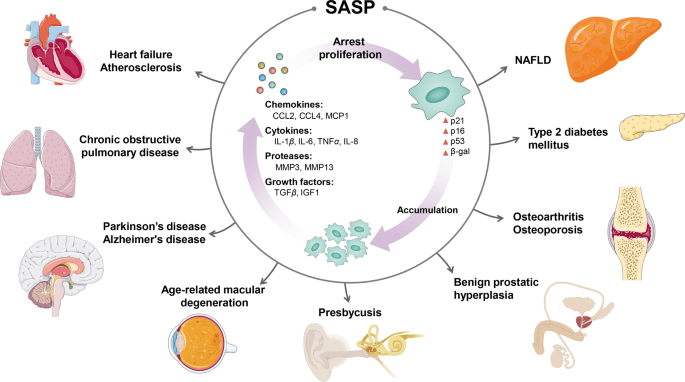
As we age, it is natural to become more concerned about our health and the potential risks of age-related diseases. In this article, we will explore the best ways to reduce the risk of age-related cancers and chronic diseases. By adopting simple lifestyle changes, such as maintaining a healthy diet, exercising regularly, and staying on top of preventative screenings, you can greatly decrease your chances of developing these conditions. So, let’s dive in and discover the key strategies to protect your health and well-being as you get older.
Maintaining a Healthy Diet
Eating a Variety of Fruits and Vegetables
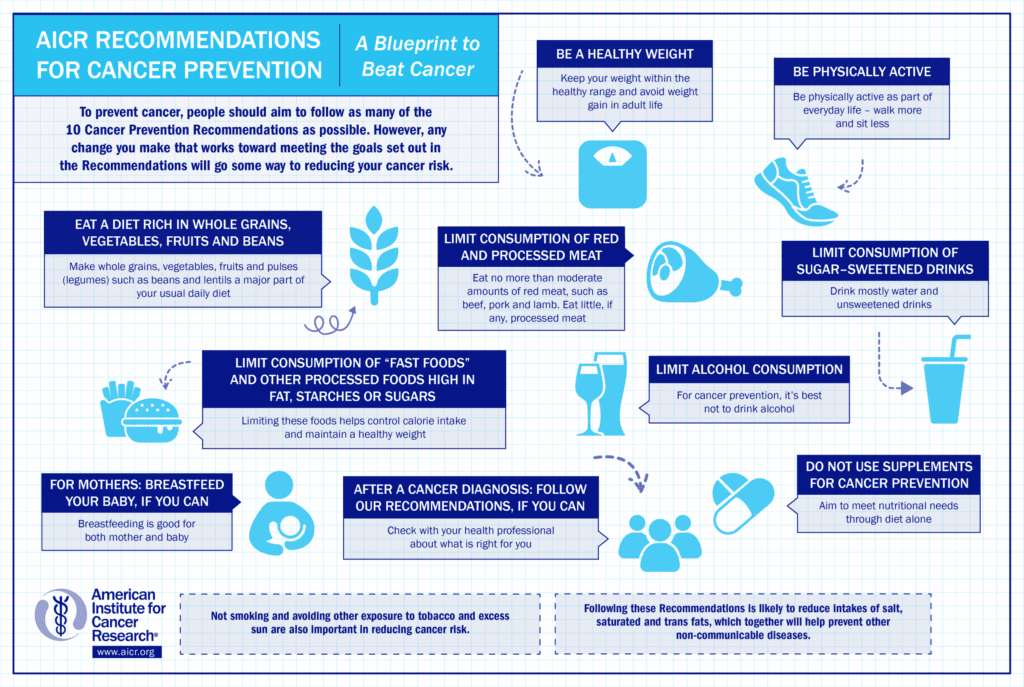
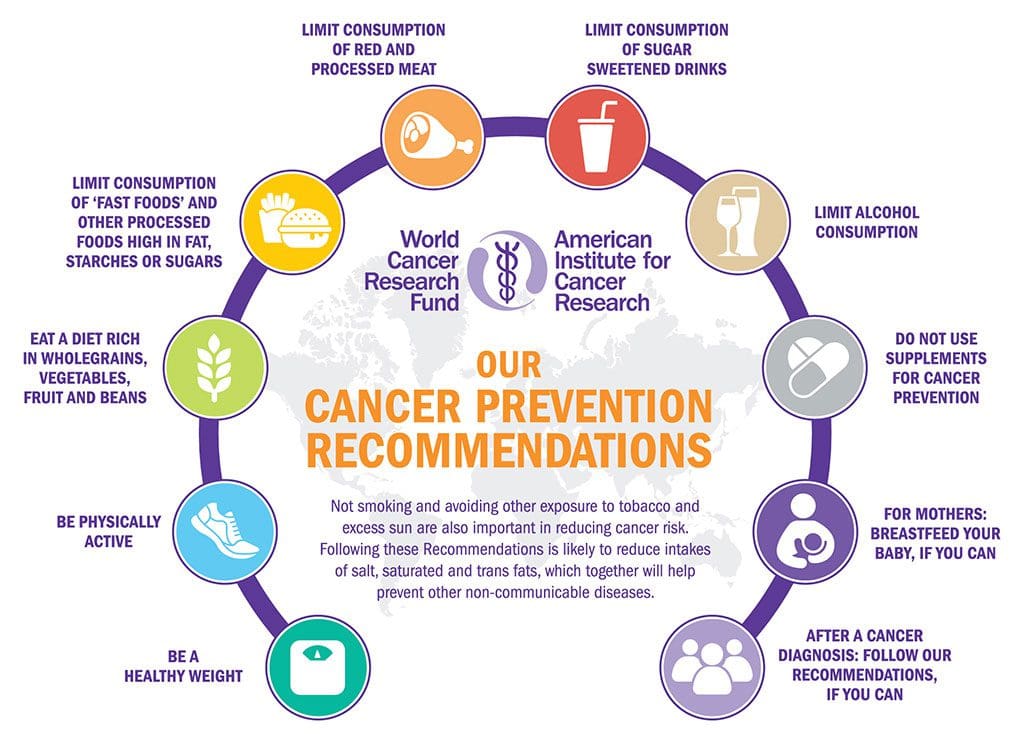
A healthy diet is a cornerstone of a healthy and vibrant life. One of the best ways to maintain a healthy diet is by eating a variety of fruits and vegetables. These nutrient-rich foods are packed with vitamins, minerals, and antioxidants that can help protect your body against age-related cancers and chronic diseases. Aim to include a colorful assortment of fruits and vegetables in your meals and snacks. Try to consume at least five servings of fruits and vegetables each day, choosing a mix of different types to benefit from a wide range of nutrients.
Including Whole Grains in the Diet
Another important aspect of a healthy diet is including whole grains. Whole grains, such as oats, brown rice, and whole wheat bread, are rich in fiber, vitamins, minerals, and antioxidants. They can help regulate blood sugar levels, promote good digestion, and reduce the risk of chronic diseases like heart disease, diabetes, and certain types of cancer. Swap refined grains like white rice and white bread with whole grain alternatives to reap the benefits of these nutritious foods.
Reducing High-Fat Foods
High-fat foods, especially those high in saturated and trans fats, can increase the risk of age-related cancers and chronic diseases. It’s important to limit the consumption of fatty meats, full-fat dairy products, fried foods, and processed snacks. Instead, opt for lean sources of protein like poultry, fish, and legumes. Choose low-fat or fat-free dairy options and incorporate healthy fats like avocados, nuts, and olive oil into your diet in moderation.
Limiting Processed and Red Meats
Processed and red meats have been associated with an increased risk of certain cancers and chronic diseases. It’s advisable to limit the intake of processed meats like bacon, sausage, and deli meats, as they often contain additives and preservatives that can be harmful to health. Red meats, such as beef, pork, and lamb, should also be consumed in moderation. When consuming red meat, opt for lean cuts and try to choose healthier cooking methods like grilling or baking instead of frying.
Regular Physical Activity
Engaging in Aerobic Exercises
Regular physical activity is essential for overall health and can significantly reduce the risk of age-related cancers and chronic diseases. Aerobic exercises, also known as cardio exercises, help improve cardiovascular health, strengthen the immune system, and maintain a healthy weight. Engage in activities like brisk walking, jogging, cycling, swimming, or dancing for at least 150 minutes per week. Start slow and gradually increase the duration and intensity of your workouts to reap the maximum benefits.
Incorporating Strength Training
In addition to aerobic exercises, it’s important to incorporate strength training into your fitness routine. Strength training helps strengthen muscles, increase bone density, improve balance, and support overall mobility. Include exercises like weightlifting, resistance band workouts, or bodyweight exercises two to three times a week. It’s crucial to focus on all major muscle groups, including the arms, legs, back, abdomen, and hips.
Doing Flexibility and Balance Exercises
Maintaining flexibility and balance is crucial for preventing falls and injuries, especially as we age. Incorporate flexibility exercises like yoga or stretching to improve joint mobility and muscle flexibility. Additionally, practicing balance exercises like tai chi or yoga poses can help improve stability and prevent falls. Aim to include flexibility and balance exercises at least two to three times a week for optimal results.
Maintaining a Healthy Weight
Calculating and Monitoring Body Mass Index (BMI)
Maintaining a healthy weight is important for reducing the risk of age-related cancers and chronic diseases. One way to assess whether you are at a healthy weight is by calculating your Body Mass Index (BMI). BMI is a measure of body fat based on your height and weight. To calculate your BMI, divide your weight in kilograms by the square of your height in meters. A BMI between 18.5 and 24.9 is considered healthy.
Adopting Portion Control
Portion control plays a crucial role in maintaining a healthy weight. Be mindful of serving sizes and try to avoid oversized portions, which can lead to excessive calorie intake. Use smaller plates and bowls to help control portion sizes visually. Include a balance of fruits, vegetables, whole grains, lean proteins, and healthy fats in your meals. Listen to your body’s hunger and fullness cues, and eat until you are satisfied, not overly stuffed.
Avoiding Crash Diets
Crash diets are not sustainable and can harm your overall health. Instead of resorting to drastic measures for weight loss, focus on making long-term lifestyle changes that promote a healthy weight. Adopt a balanced and nutritious diet consisting of whole foods, engage in regular physical activity, and practice mindful eating habits. Remember, slow and steady progress is more effective and sustainable than quick fixes.
Getting Adequate Sleep
Adequate sleep is often overlooked but plays a vital role in maintaining a healthy weight. Lack of sleep can disrupt hormone levels, increase appetite, and lead to weight gain. Aim for seven to nine hours of quality sleep each night. Establish a consistent sleep routine, create a peaceful sleep environment, and limit exposure to electronic devices before bedtime. Prioritizing sleep will contribute to both physical and mental well-being.
Avoiding Smoking and Reducing Alcohol Consumption
Benefits of Quitting Smoking
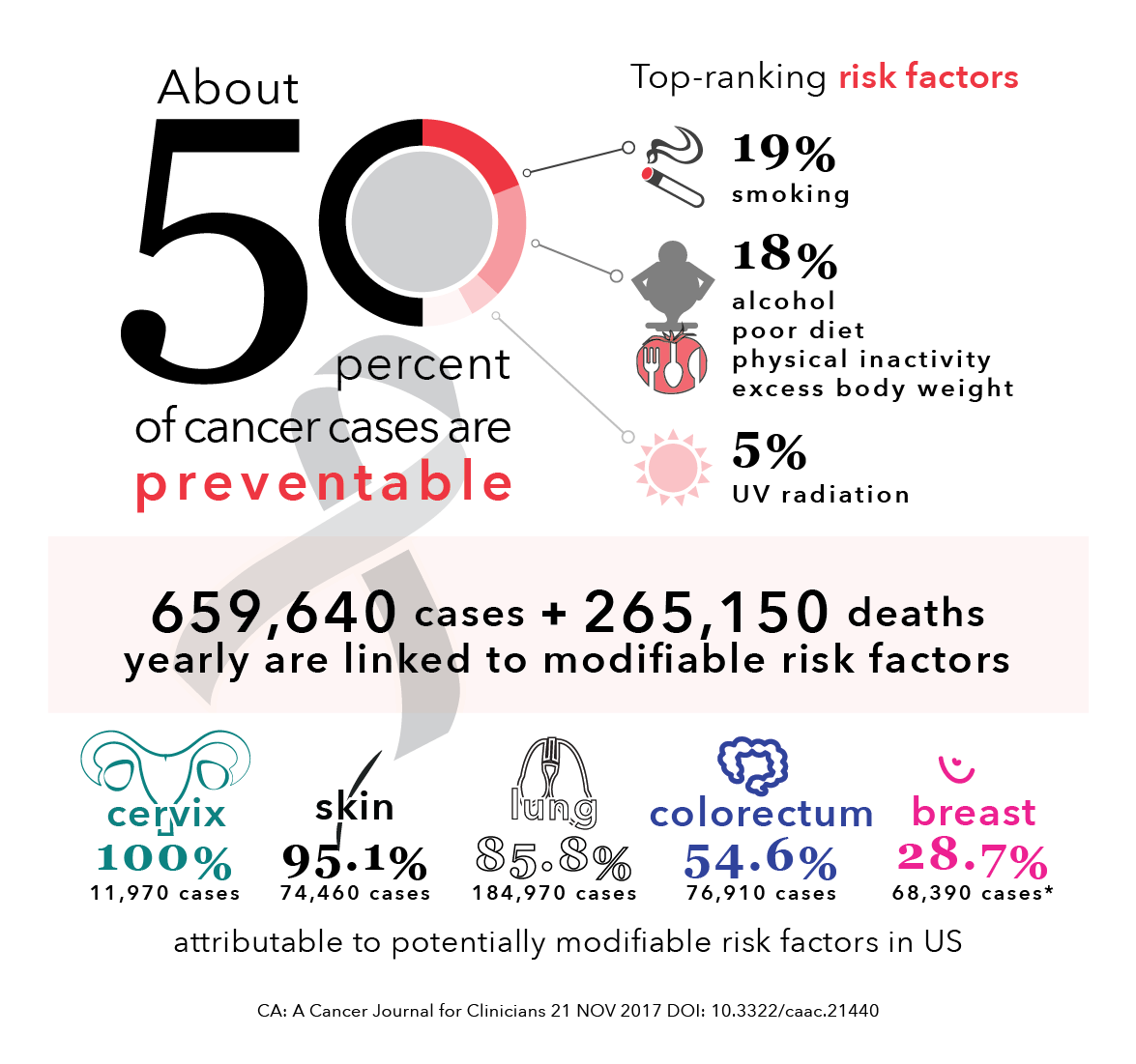
Smoking is a leading cause of age-related cancers and chronic diseases. Quitting smoking has numerous health benefits, including reducing the risk of lung cancer, heart disease, stroke, and respiratory conditions. Smoking cessation also improves lung function, boosts the immune system, and enhances overall quality of life. Seek support from healthcare professionals or join smoking cessation programs to quit successfully.
Effects of Excessive Alcohol Consumption
Excessive alcohol consumption can have serious consequences for your health. It increases the risk of various types of cancer, liver disease, heart problems, and mental health disorders. Limit your alcohol intake to moderate levels, which means up to one drink per day for women and up to two drinks per day for men. If you are struggling with alcohol addiction, reach out for professional help and support.
Seeking Help for Smoking Cessation or Alcohol Addiction
Quitting smoking or reducing alcohol consumption may be challenging, but it is achievable with the right support. Consult healthcare professionals, such as doctors or counselors, for guidance and resources to overcome these addictions. They can provide personalized treatment plans, recommend support groups, and offer strategies to cope with cravings and withdrawal symptoms. Remember that seeking help is a courageous step towards a healthier future.
Protecting the Skin from the Sun’s Harmful Rays
Using Sunscreen with Adequate Sun Protection Factor (SPF)
Protecting your skin from the sun’s harmful rays is crucial for preventing skin cancer and premature aging. Apply sunscreen with a Sun Protection Factor (SPF) of 30 or higher generously to all exposed skin, regardless of the weather. Reapply every two hours or more frequently if swimming or sweating. Additionally, use lip balm with SPF to protect your lips from the sun.
Wearing Protective Clothing and Accessories
In addition to sunscreen, wearing protective clothing can provide an extra layer of defense against the sun’s harmful UV rays. Opt for lightweight, loose-fitting clothing that covers your arms, legs, and neck. Wear wide-brimmed hats to shield your face, neck, and ears from direct sunlight. Don’t forget to wear sunglasses that offer UV protection to safeguard your eyes and the delicate skin around them.
Avoiding Excessive Sun Exposure Between 10 am and 4 pm
The sun’s rays are the strongest between 10 am and 4 pm, so it’s essential to minimize sun exposure during these peak hours. If possible, seek shade or stay indoors when the sun is at its highest point. Plan outdoor activities for early morning or late afternoon when the sun’s intensity is lower. Remember, even on cloudy or overcast days, the sun’s harmful UV rays can still penetrate and damage your skin.
Regular Health Check-ups and Screenings
Importance of Regular Health Check-ups
Regular health check-ups are crucial for detecting potential health issues early and preventing age-related cancers and chronic diseases. Schedule regular visits with your healthcare provider, even if you feel healthy, as they can perform routine screenings, monitor your overall health, and provide personalized guidance. These check-ups may include blood pressure measurements, cholesterol screenings, diabetes screenings, and vaccinations.
Types of Cancer Screenings
Early detection is essential for successful treatment of cancers. Various cancer screenings are available to detect cancer in its early stages or detect precancerous conditions. Examples include mammograms for breast cancer, Pap tests for cervical cancer, colonoscopies for colorectal cancer, and prostate-specific antigen (PSA) tests for prostate cancer. Discuss with your healthcare provider which screenings are recommended based on your age, sex, and family history.
Early Detection and Prevention Measures
In addition to regular screenings, you can take proactive steps to detect and prevent age-related cancers and chronic diseases. Be aware of any changes in your body, such as lumps, moles, or unusual bleeding, and promptly consult your healthcare provider if any concerns arise. Adopt a healthy lifestyle, including a balanced diet, regular exercise, and avoiding exposure to known carcinogens, to minimize your risk.
Maintaining a Healthy Hormone Balance
Understanding Hormone Replacement Therapy (HRT)
Maintaining a healthy hormone balance is important for overall well-being, particularly for women experiencing menopause. Hormone Replacement Therapy (HRT) is a treatment option that involves taking hormones to replace those the body no longer produces in adequate amounts. It can alleviate menopausal symptoms, improve bone health, and reduce the risk of certain age-related conditions. However, HRT should be carefully considered and discussed with healthcare professionals, weighing the potential benefits and risks.
Consulting with Healthcare Professionals
If you are experiencing symptoms related to hormonal imbalances, such as hot flashes, mood changes, or sleep disturbances, consult with healthcare professionals. They can assess your symptoms, perform appropriate tests, and recommend suitable treatment options tailored to your specific needs. They may suggest lifestyle modifications, medications, or alternative therapies to help restore hormone balance and manage symptoms effectively.
Alternative Approaches to Hormone Balance
Aside from HRT, there are alternative approaches to maintaining a healthy hormone balance. These include lifestyle modifications such as regular exercise, stress management, and a healthy diet. Certain supplements and natural remedies, like black cohosh or soy isoflavones, may also provide relief for menopausal symptoms. However, it’s important to consult with healthcare professionals before starting any new supplements or treatments.
Managing Stress and Mental Well-being
Practicing Relaxation Techniques
Chronic stress can have detrimental effects on overall health and contribute to the development of age-related cancers and chronic diseases. It’s essential to manage stress effectively to maintain optimal well-being. Engage in relaxation techniques such as deep breathing, meditation, yoga, or tai chi. Find activities that bring you joy and help you unwind, such as reading, listening to music, or spending time in nature. Prioritize self-care and make time for activities that promote relaxation and mental well-being.
Engaging in Regular Physical and Leisure Activities
Regular physical and leisure activities are not only beneficial for your physical health but also for your mental well-being. Engage in activities that you enjoy and that promote movement and social interaction. Whether it’s walking in nature, dancing, gardening, or playing a sport, find activities that bring you joy and make them a regular part of your routine. Being active can release endorphins, improve mood, and reduce stress levels.
Seeking Professional Help When Needed
If stress or mental health concerns become overwhelming, don’t hesitate to seek professional help. Mental health professionals, such as therapists or counselors, can provide guidance, support, and evidence-based interventions to help you manage stress, cope with challenges, and improve your mental well-being. Remember that seeking help is a sign of strength, and you don’t have to face difficulties alone.
Limiting Environmental Toxins Exposure
Avoiding Tobacco Smoke and Unprotected Chemical Exposure
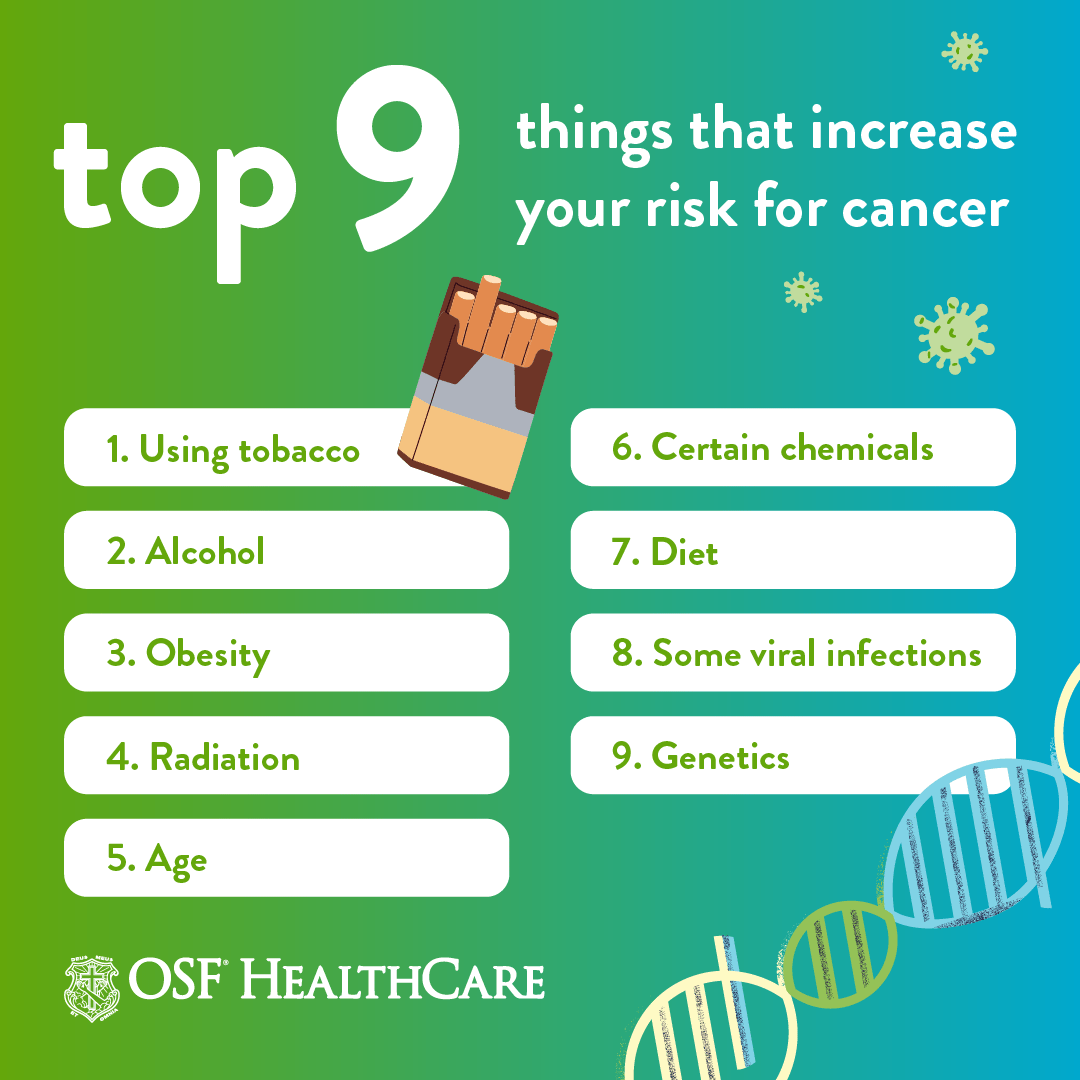
Exposure to environmental toxins can have long-term health consequences. Avoid exposure to tobacco smoke, whether by smoking yourself or being around secondhand smoke. Tobacco smoke contains harmful chemicals that can lead to several age-related cancers and chronic diseases. Additionally, be cautious with unprotected exposure to chemicals in cleaning products, pesticides, and other household items. Use protective gear and follow safety instructions when handling such substances.
Keeping Indoor Air Clean
Indoor air pollution can have adverse effects on your health, particularly for individuals with respiratory conditions or allergies. Ensure good ventilation in your home to reduce the concentration of pollutants. Use air purifiers or open windows to improve air quality. Regularly clean and maintain your heating and cooling systems to prevent the accumulation of dust and other airborne particles. Avoid smoking indoors to maintain a healthy indoor environment.
Using Natural Cleaning and Personal Care Products
Many conventional cleaning and personal care products contain potentially harmful chemicals. Consider using natural alternatives that are free from harsh ingredients. Look for eco-friendly cleaning products, or even make your own using simple ingredients like vinegar, baking soda, and essential oils. Choose organic and chemical-free personal care products, including skincare, cosmetics, and haircare. This way, you can minimize exposure to toxins and promote a healthier environment.
Maintaining a Supportive Social Network
Importance of Social Connections
Maintaining a supportive social network is essential for overall well-being. Social connections provide emotional support, a sense of belonging, and opportunities for growth and personal development. Engaging in meaningful relationships can help reduce stress, improve mental health, and lower the risk of age-related cancers and chronic diseases. Prioritize spending time with loved ones, friends, and participating in social activities that bring you joy.
Participating in Community Activities
Getting involved in community activities can further enhance social connections and contribute to a sense of purpose and fulfillment. Join local clubs, volunteer organizations, or community events that align with your interests and values. Not only will you make new connections, but you’ll also have the opportunity to give back to your community and make a positive impact. Being part of a community can foster a sense of belonging and promote overall well-being.
Building Strong Relationships
Strong and healthy relationships are the foundation of a supportive social network. Put effort into nurturing your relationships with family members, friends, and loved ones. Communicate openly, actively listen, and offer support when needed. Foster intimacy, trust, and respect in your relationships. Additionally, seek to make new connections by participating in group activities or joining clubs or organizations that align with your interests. Building strong relationships will contribute to a fulfilling and rewarding life.
In conclusion, reducing the risk of age-related cancers and chronic diseases requires a multi-faceted approach. By adopting a healthy diet, engaging in regular physical activity, maintaining a healthy weight, avoiding smoking and excessive alcohol consumption, protecting the skin from the sun’s harmful rays, undergoing regular health check-ups and screenings, maintaining a healthy hormone balance, managing stress and mental well-being, limiting exposure to environmental toxins, and maintaining a supportive social network, you can significantly reduce the risk of age-related health issues and enhance your overall well-being. Remember, small changes can make a big difference, and every positive step you take towards a healthier lifestyle is an investment in your long-term health and happiness.