Are you tired of the frequent headaches that seem to be triggered by hormonal fluctuations? If so, you’re not alone. Many women experience hormonal headaches as a result of hormonal imbalances during their menstrual cycle, pregnancy, or menopause. These headaches can be debilitating and interfere with daily life, but there are ways to manage and alleviate them. In this article, we will explore various strategies and techniques that can help provide relief from women’s hormonal headaches, allowing you to regain control and enjoy your life to the fullest.
Understanding Hormonal Headaches
What are hormonal headaches?
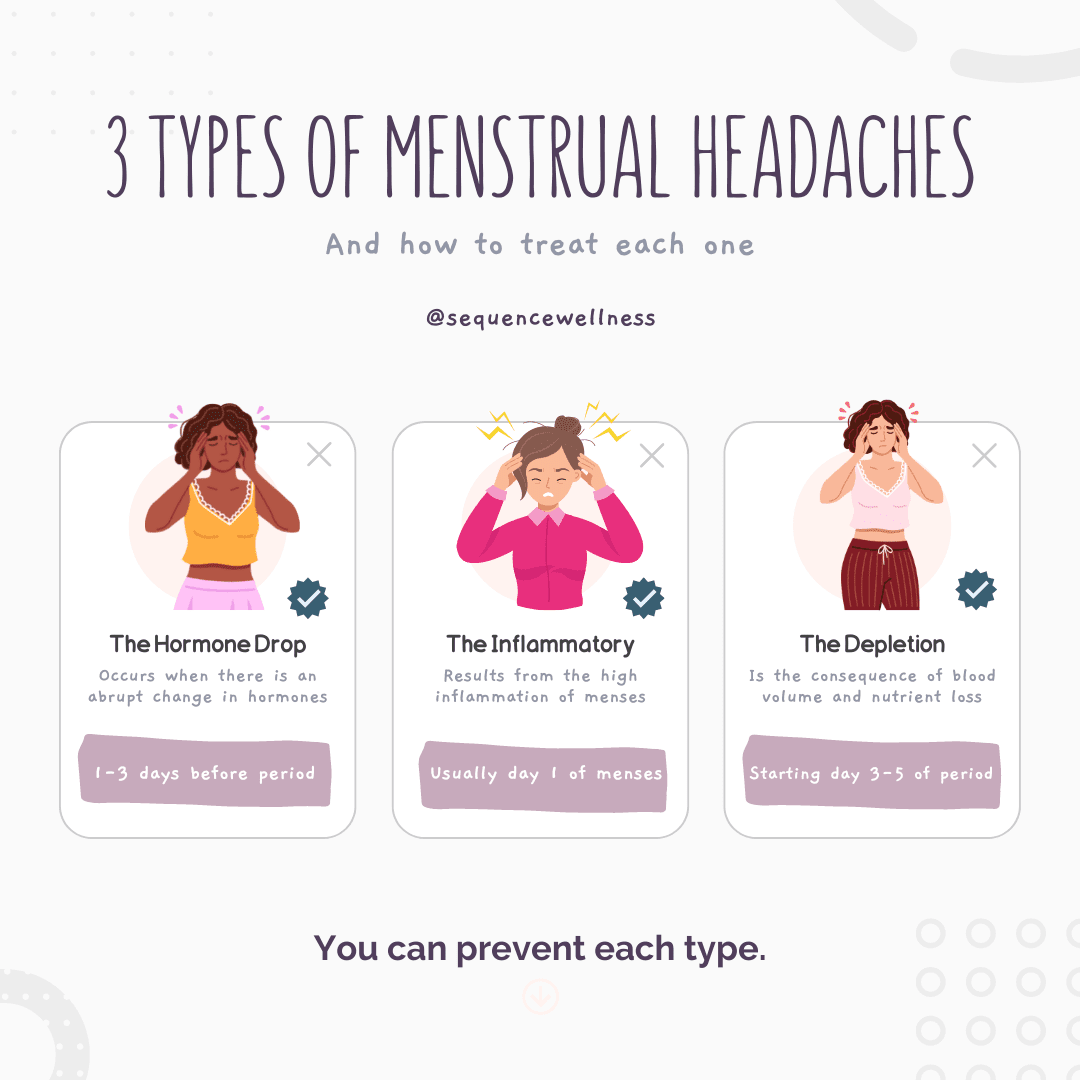
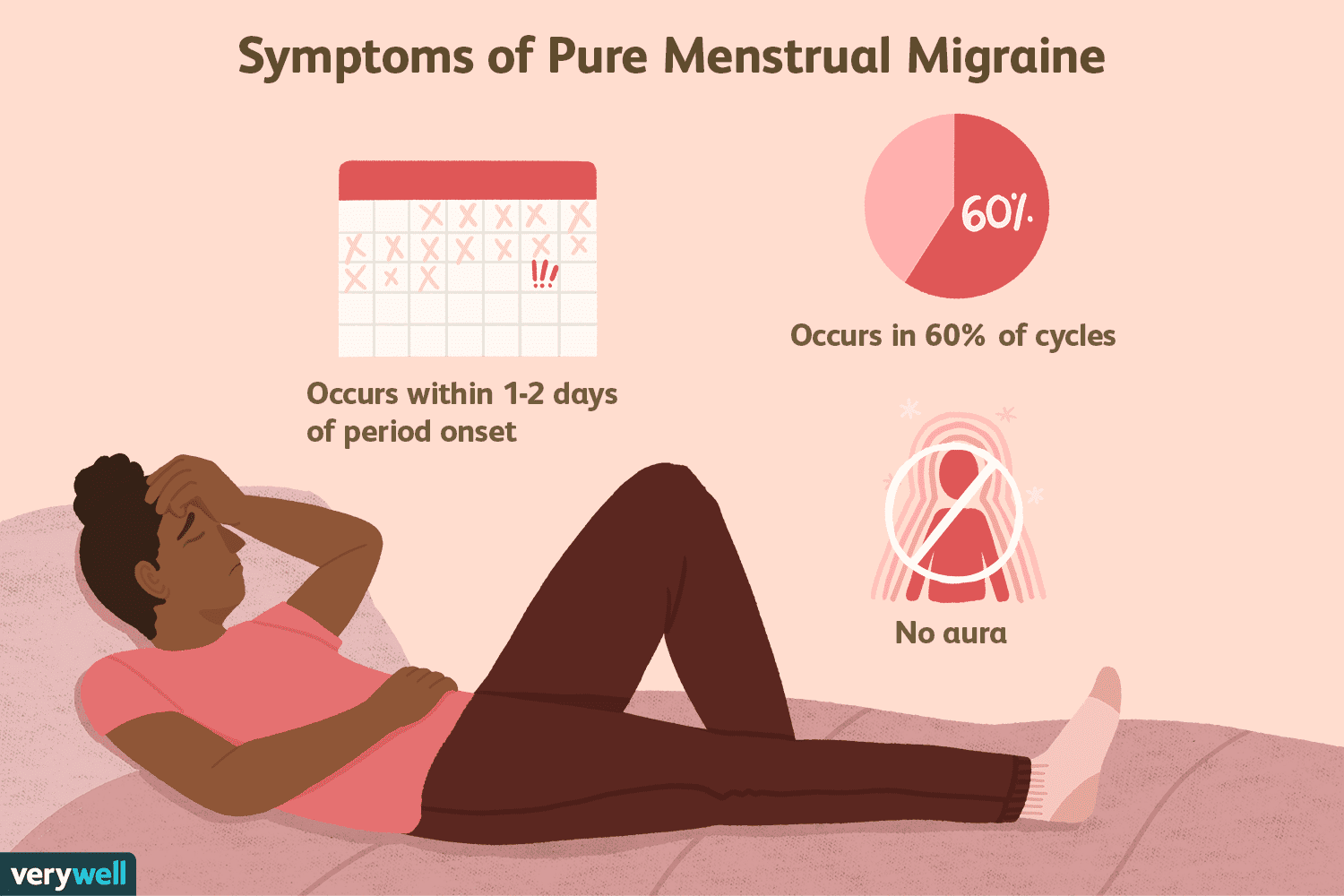
Hormonal headaches, also known as menstrual migraines, are headaches that occur in relation to hormonal changes in the body. They often occur during a woman’s menstrual cycle, but can also be triggered by other hormonal shifts such as pregnancy, menopause, or the use of hormonal contraceptives. These headaches are thought to be caused by changes in estrogen and progesterone levels.
Causes of hormonal headaches
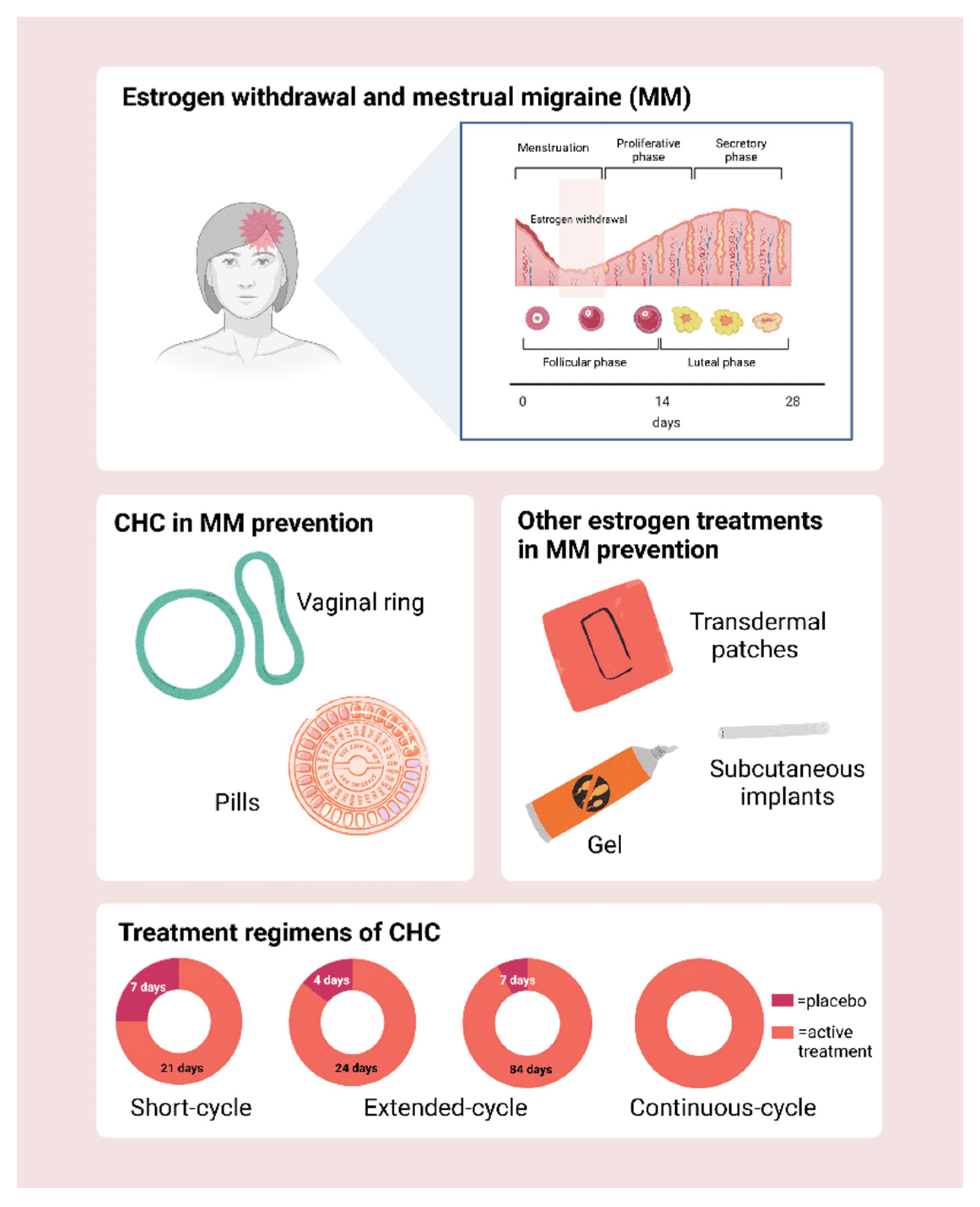
The exact cause of hormonal headaches is not fully understood, but it is believed that the fluctuation and imbalance of hormones play a significant role. Estrogen, in particular, is thought to be a key player in triggering these headaches. When estrogen levels drop, it can lead to the dilation and inflammation of blood vessels in the brain, causing pain and discomfort.
Recognizing Hormonal Headaches
Symptoms of hormonal headaches
Hormonal headaches often have distinct symptoms that differentiate them from other types of headaches. Some common symptoms include throbbing pain on one or both sides of the head, sensitivity to light and sound, nausea, and even visual disturbances such as aura. These headaches typically occur before or during menstruation and may last anywhere from a few hours to a few days.
Tracking your headaches
To better understand and manage your hormonal headaches, it can be beneficial to keep a headache diary or use a tracking app. By recording details about your headaches, such as the date and time they occur, their intensity, and any associated symptoms, you may be able to identify patterns and triggers. This information can be useful when discussing your symptoms with a healthcare provider and developing a personalized treatment plan.
Lifestyle Modifications
Maintaining a regular sleep schedule
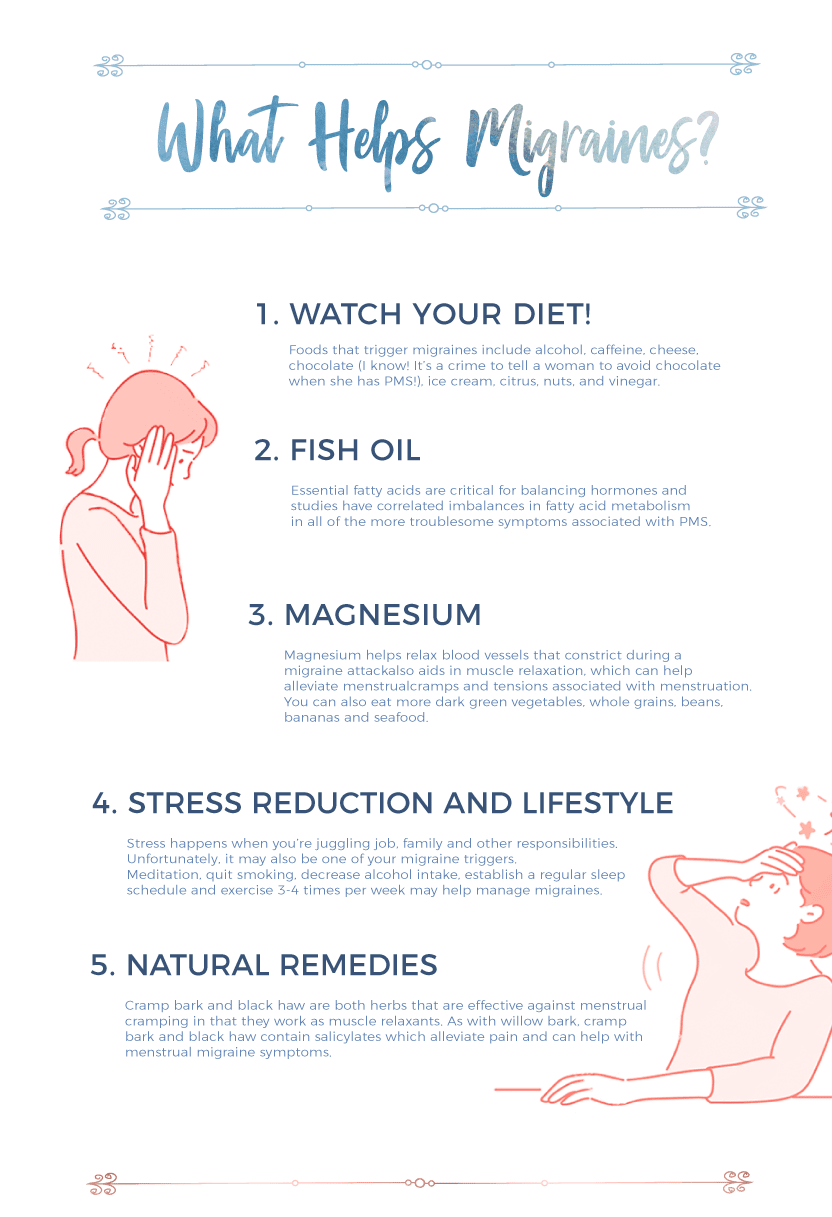
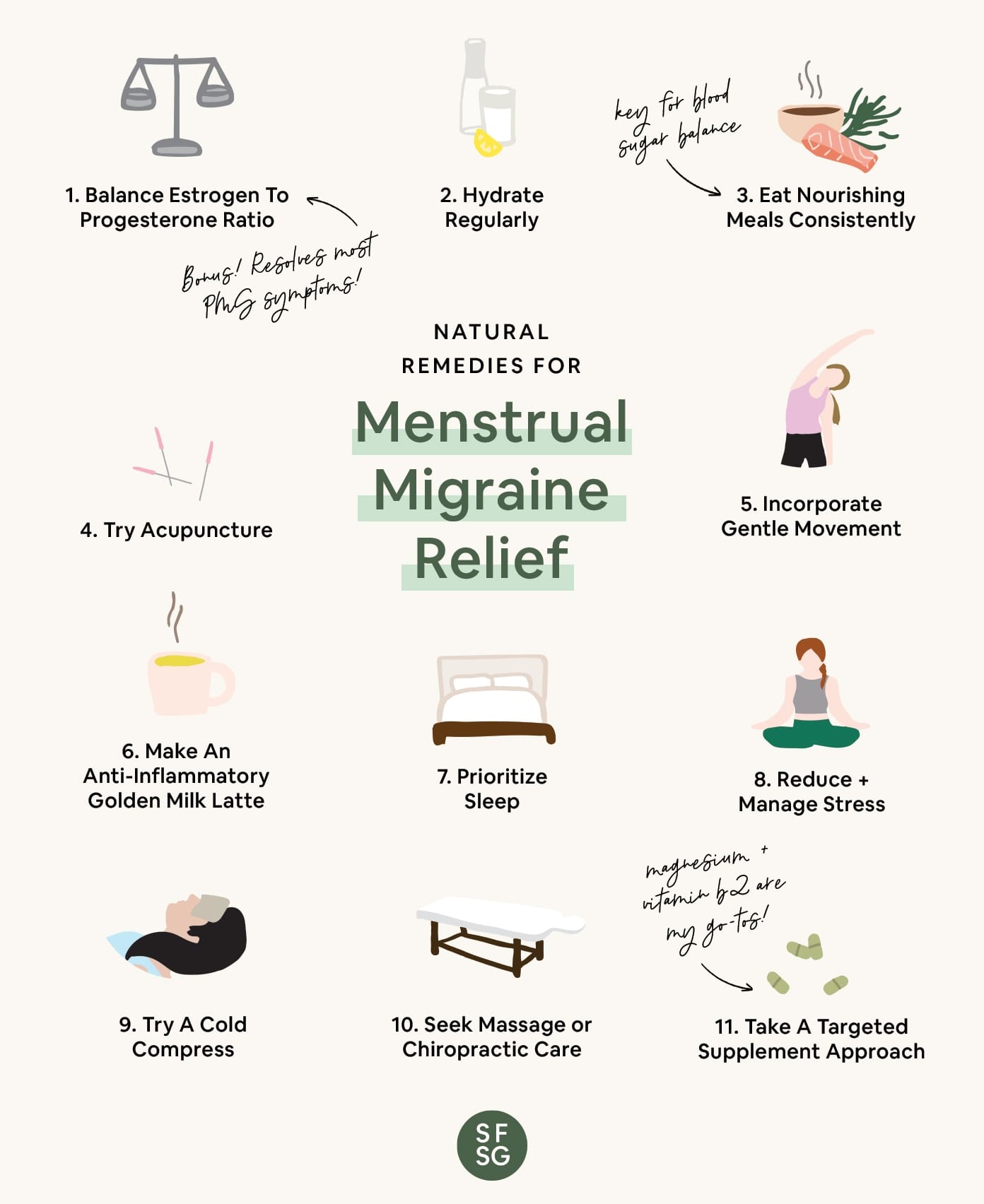
Getting enough sleep and maintaining a regular sleep schedule can help reduce the frequency and severity of hormonal headaches. Aim for seven to eight hours of quality sleep each night and try to establish a consistent sleep routine. Avoiding caffeine and electronic devices before bed, practicing relaxation techniques, and creating a peaceful sleeping environment can also promote better sleep.
Eating a balanced diet
A healthy, balanced diet can contribute to hormonal balance and overall well-being, potentially reducing the occurrence of hormonal headaches. Focus on consuming a variety of fruits, vegetables, whole grains, lean proteins, and healthy fats. Avoid skipping meals and make sure to stay adequately hydrated throughout the day. Some women also find that reducing their intake of processed foods and artificial additives can help manage their hormonal headaches.
Managing stress levels
Stress is a common trigger for hormonal headaches, so finding effective stress management techniques can be crucial. Explore different stress-reducing activities such as yoga, meditation, deep breathing exercises, or engaging in hobbies you enjoy. Taking breaks throughout the day, setting boundaries, and prioritizing self-care can also help minimize stress levels and prevent headaches.
Regular exercise
Engaging in regular physical activity not only has numerous health benefits but can also help alleviate hormonal headaches. Exercise releases endorphins, which are natural pain relievers and mood boosters. Aim for at least 30 minutes of moderate-intensity exercise most days of the week. Choose activities you enjoy, such as walking, cycling, swimming, or dancing, and remember to listen to your body and not overexert yourself.
Managing Hormonal Triggers
Identifying hormonal triggers
Recognizing and identifying your individual hormonal triggers can be instrumental in managing your headaches. Keep track of potential triggers in your headache diary and look for patterns. Some common hormonal triggers include fluctuations in estrogen levels throughout the menstrual cycle, specific foods or ingredients, changes in sleep patterns, stress, and even certain medications. Understanding your triggers can help you make informed lifestyle and dietary choices to minimize their impact.
Avoiding trigger foods
Certain foods and ingredients have been reported to trigger hormonal headaches in some individuals. Common culprits include processed meats, aged cheeses, chocolate, caffeine, artificial sweeteners, and foods high in sodium or nitrates. However, it’s important to note that triggers can vary from person to person, so it’s essential to pay attention to your own reactions and avoid or limit foods that consistently trigger your headaches.
Minimizing caffeine intake
While caffeine can provide temporary relief for headaches, it can also be a trigger for hormonal headaches in some individuals. If you suspect caffeine may be contributing to your headaches, consider gradually reducing your intake and monitoring your symptoms. Be mindful of not only coffee but also other sources of caffeine such as tea, soda, and chocolate. Remember to read labels and choose decaffeinated options when needed.
Reducing alcohol consumption
Alcohol is another potential trigger for hormonal headaches. It can cause dehydration, disrupt sleep patterns, and trigger hormonal imbalances. Limit or avoid alcohol consumption, especially during times when you are more susceptible to hormonal headaches. If you do choose to drink, do so in moderation, and be sure to stay hydrated by drinking plenty of water alongside alcoholic beverages.
Natural Remedies
Herbal supplements
Some herbal supplements have been found to help alleviate hormonal headaches. For example, studies have shown that supplements containing feverfew, butterbur, and magnesium may reduce the frequency and intensity of migraines. However, it’s important to consult with a healthcare provider before starting any herbal supplements as they may interact with other medications or have contraindications.
Essential oils
Certain essential oils may provide relief from hormonal headaches when used topically or inhaled. Lavender, peppermint, and eucalyptus essential oils are commonly used for headache relief. You can apply them to your temples, forehead, or the back of your neck, or use a diffuser to inhale their aroma. Always follow proper dilution guidelines and consider conducting a patch test before applying essential oils to your skin.
Acupuncture
Acupuncture, an ancient Chinese healing technique, involves inserting thin needles into specific points on the body. It has been used for centuries to alleviate pain and treat various conditions, including headaches. Some studies suggest that acupuncture may be effective in reducing the frequency and intensity of hormonal headaches. Consult with a licensed acupuncturist to determine if this therapy is suitable for you.
Biofeedback therapy
Biofeedback therapy involves using devices to measure and provide information about certain physiological processes in the body, such as heart rate, muscle tension, and skin temperature. By learning to control these bodily functions, individuals can potentially reduce the intensity and frequency of hormonal headaches. Biofeedback therapy is typically performed under the guidance of a trained professional who can teach you the necessary techniques.
Medications for Hormonal Headaches
Over-the-counter pain relievers
Over-the-counter pain relievers such as ibuprofen, aspirin, or naproxen sodium can help alleviate the pain of hormonal headaches. These medications are best taken at the earliest signs of a headache and according to the recommended dosage instructions. However, it’s important to consult with a healthcare provider before regularly relying on these medications to manage your headaches, as they may have side effects and potential interactions with other medications.
Prescription medications
In some cases, over-the-counter pain relievers may not provide sufficient relief, and prescription medications may be necessary. These may include triptans, which help to constrict blood vessels and block pain signals, or medications specifically designed to prevent migraines, such as beta-blockers or antiepileptic drugs. Your healthcare provider can help determine the most appropriate prescription medication based on the severity and frequency of your hormonal headaches.
Hormonal Birth Control Options
Oral contraceptive pills
Oral contraceptive pills, commonly known as birth control pills, are often prescribed to regulate hormones and prevent pregnancy. For some women, hormonal headaches can be alleviated or even eliminated by using certain types of oral contraceptives. These pills contain a combination of hormones that help balance estrogen and progesterone levels throughout the menstrual cycle. Consult with a healthcare provider to determine if oral contraceptive pills are a suitable option for you.
Patch or ring
Hormonal patches and vaginal rings are alternative methods of administering hormonal contraceptives. These options also work by providing a continuous dose of hormones to regulate the menstrual cycle. Like oral contraceptive pills, they may help reduce the frequency and intensity of hormonal headaches. Discuss with your healthcare provider to determine if a patch or ring may be a better fit for you.
Intrauterine devices (IUDs)
Intrauterine devices (IUDs) are T-shaped devices that are inserted into the uterus to prevent pregnancy. Some types of IUDs release small amounts of hormones, which can help regulate the menstrual cycle and potentially alleviate hormonal headaches. The hormonal IUDs may be a suitable option for women seeking long-term contraception while also managing their headache symptoms. Consult with a healthcare provider to determine if an IUD is appropriate for you.
Implant or injection
Hormonal implants and injections are other forms of long-acting contraception that can help regulate hormone levels and potentially reduce hormonal headaches. Implants are small rods inserted under the skin, while injections are administered every few months. These methods work by releasing hormones into the body gradually. As with any hormonal contraception, it is essential to discuss the potential benefits and risks with a healthcare provider.
Hormone Replacement Therapy
Benefits of hormone replacement therapy
Hormone replacement therapy (HRT) is a treatment option for women experiencing menopausal symptoms or hormonal imbalances. By supplementing the body with hormones, HRT can help alleviate symptoms such as hot flashes, mood swings, and in some cases, hormonal headaches. HRT can be administered in various forms, including pills, patches, creams, or gels. However, it’s crucial to discuss the potential benefits and risks with a healthcare provider before considering HRT.
Risks and considerations
While hormone replacement therapy can provide relief for some women, it may not be suitable for everyone. There are potential risks associated with HRT, including an increased risk of blood clots, stroke, heart disease, and certain types of cancer. It’s important to have a thorough discussion with a healthcare provider regarding your individual medical history, risk factors, and the potential benefits and risks of HRT before making a decision.
Seeking Professional Help
Consulting a healthcare provider
If you are experiencing frequent or severe hormonal headaches, it is essential to consult with a healthcare provider. They can assess your symptoms, review your medical history, and recommend appropriate treatment options based on your individual needs. A healthcare provider can also help monitor your overall hormonal health and make necessary adjustments to any medications or hormonal therapies you may be using.
Working with a specialist
In some cases, a referral to a headache specialist or neurologist may be necessary for more specialized care. Headache specialists are experienced in diagnosing and treating various types of headaches, including hormonal headaches. They can offer additional insights and expertise in managing and alleviating your symptoms, including evaluating potential underlying causes and providing targeted treatment options.
Exploring alternative therapies
In addition to traditional medical treatments, alternative therapies such as chiropractic care, massage therapy, or acupuncture may offer relief for some individuals. While the evidence supporting the effectiveness of these therapies for hormonal headaches may vary, some women find them helpful in managing their symptoms. It’s important to consult with healthcare providers or specialists knowledgeable in these areas to ensure safety and appropriate integration with other treatment modalities.
Self-Care Strategies
Rest and relaxation
Ensuring adequate rest and relaxation is vital for managing hormonal headaches. Taking regular breaks throughout the day, practicing relaxation techniques such as deep breathing exercises or meditation, and prioritizing self-care activities can help reduce stress and promote overall well-being. It’s also crucial to listen to your body and rest when needed, especially during times when you are more susceptible to headaches.
Applying cold or hot compress
Applying a cold or hot compress to the head or neck area can provide temporary relief from hormonal headaches. Cold compresses can help reduce inflammation and numb the area, while hot compresses can help relax tense muscles. Experiment with both methods to determine which provides the most relief for you. Remember to wrap the compress in a cloth to prevent direct contact with the skin and avoid extreme temperatures.
Hydrating adequately
Dehydration can trigger or worsen hormonal headaches, so it’s important to stay adequately hydrated throughout the day. Aim to drink at least eight glasses of water daily, and increase your intake during times of increased physical activity or hot weather. Avoid excessive consumption of sugary or caffeinated beverages, as they can contribute to dehydration. Keep a water bottle with you as a reminder to hydrate regularly.
In conclusion, managing and alleviating hormonal headaches requires a multifaceted approach that incorporates lifestyle modifications, identification and avoidance of triggers, consideration of natural remedies, and, if necessary, the use of medications or hormonal therapies. It is important to consult with a healthcare provider for an individualized treatment plan that best suits your specific needs. By understanding your triggers, practicing self-care strategies, and seeking professional help, you can take control of your hormonal headaches and improve your overall quality of life.