Welcome to an informative article on how to manage endometriosis pain through diet and lifestyle changes. Living with endometriosis can be challenging, but making simple adjustments to your daily routine and eating habits can greatly help alleviate the pain and discomfort associated with this condition. By incorporating nutrient-rich foods, reducing inflammatory triggers, and practicing stress-management techniques, you can take control of your endometriosis symptoms and improve your overall quality of life. Let’s explore some helpful tips and guidelines to help you feel better and thrive despite living with endometriosis. Have you been struggling with the pain and discomfort of endometriosis? You’re not alone. Many women face challenges managing the symptoms of this condition. The good news is that there are effective ways to manage endometriosis pain through diet and lifestyle changes. In this article, we will explore helpful tips and strategies to help you navigate this journey towards better health and well-being. Let’s dive in!
Understanding Endometriosis
Endometriosis is a condition where the tissue that lines the uterus (endometrium) grows outside of the uterus. This tissue can be found on the ovaries, fallopian tubes, and other pelvic organs. It can cause a range of symptoms, including pelvic pain, cramping, heavy periods, and infertility.
Understanding the mechanisms of endometriosis can help you make informed decisions about managing your symptoms. By recognizing the root causes of the condition, you can take proactive steps to reduce pain and discomfort.
The Role of Diet in Managing Endometriosis Pain
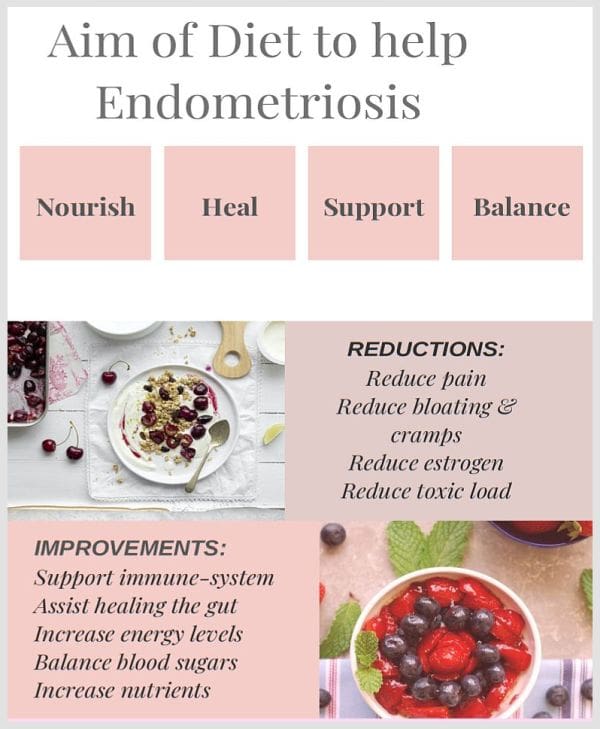
Diet plays a crucial role in managing endometriosis pain. Certain foods can trigger inflammation and exacerbate symptoms, while others can help reduce pain and promote healing. By making strategic changes to your diet, you can support your body in its healing process and alleviate discomfort.
When it comes to managing endometriosis pain through diet, focus on incorporating anti-inflammatory foods, such as fruits, vegetables, whole grains, and healthy fats. These foods can help reduce inflammation in the body and ease pain associated with endometriosis.
Foods to Avoid
Some foods can worsen symptoms of endometriosis and should be avoided or limited in your diet. These include:
- Processed Foods: Foods high in trans fats, sugar, and artificial additives can trigger inflammation in the body.
- Dairy Products: Dairy can be inflammatory for some individuals and may exacerbate symptoms of endometriosis.
- Red Meat: High intake of red meat has been linked to increased inflammation in the body and may worsen endometriosis symptoms.
By reducing or eliminating these trigger foods from your diet, you can help alleviate pain and discomfort associated with endometriosis.
Foods to Include
On the other hand, there are certain foods that can support your body in managing endometriosis pain. These include:
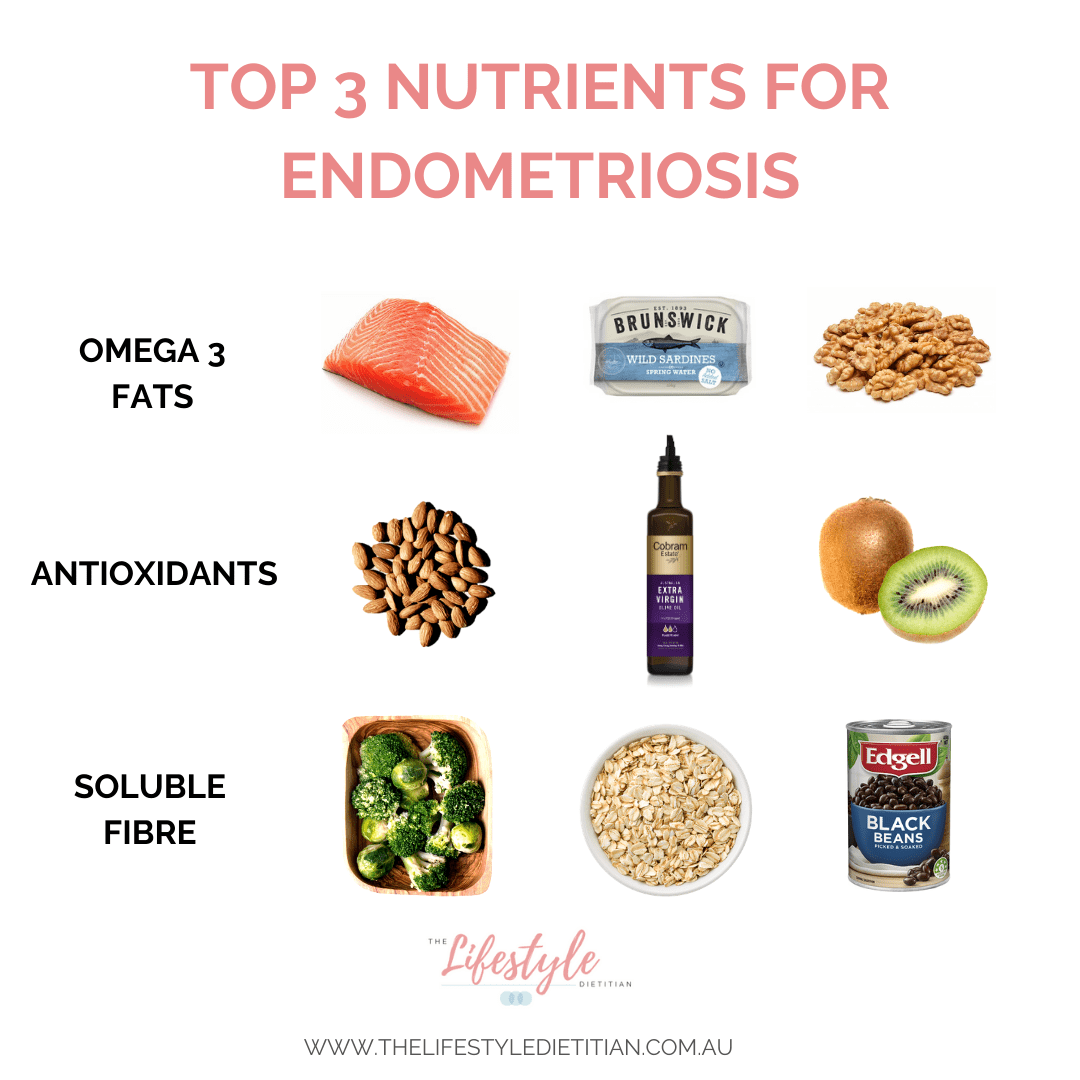
- Omega-3 Fatty Acids: Found in fatty fish, flaxseeds, and walnuts, omega-3 fatty acids have anti-inflammatory properties and can help reduce pain.
- Fresh Fruits and Vegetables: Rich in vitamins, minerals, and antioxidants, fruits and vegetables can support overall health and reduce inflammation in the body.
- Whole Grains: Opt for whole grains like quinoa, brown rice, and oats, which provide fiber and nutrients that can help manage symptoms of endometriosis.
By incorporating these foods into your diet, you can create a supportive environment for your body to heal and manage endometriosis pain effectively.
Lifestyle Strategies for Managing Endometriosis Pain
In addition to diet, lifestyle factors play a significant role in managing endometriosis pain. By making simple changes to your daily routine, you can support your body in its healing process and reduce discomfort.
Exercise Regularly
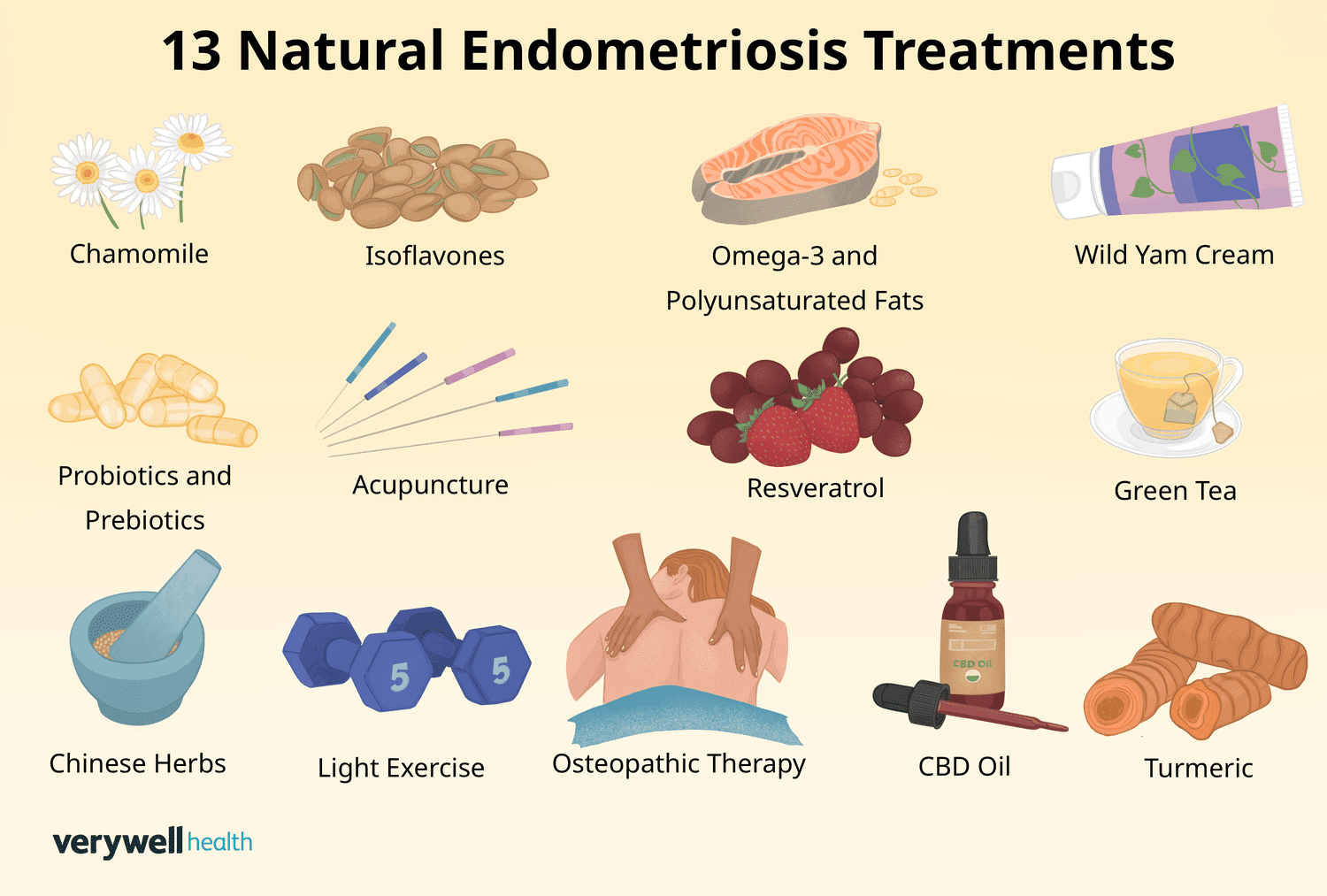
Exercise is an essential component of a healthy lifestyle, especially when managing endometriosis pain. Physical activity can help reduce inflammation, improve circulation, and alleviate pain associated with the condition. Try incorporating low-impact exercises like walking, yoga, or swimming into your routine to support your overall well-being.
Manage Stress
Stress can exacerbate symptoms of endometriosis and contribute to increased pain and discomfort. Finding ways to manage stress, such as practicing meditation, deep breathing, or mindfulness, can help you relax and support your body in coping with the condition. Make self-care a priority and prioritize activities that help you unwind and destress.
Get Adequate Sleep
Sleep is crucial for overall health and well-being, especially when managing chronic conditions like endometriosis. Aim for 7-9 hours of quality sleep each night to support your body in its healing process and reduce pain and inflammation. Establish a bedtime routine, create a restful sleep environment, and prioritize sleep hygiene for optimal results.
Supplements for Endometriosis Pain Management
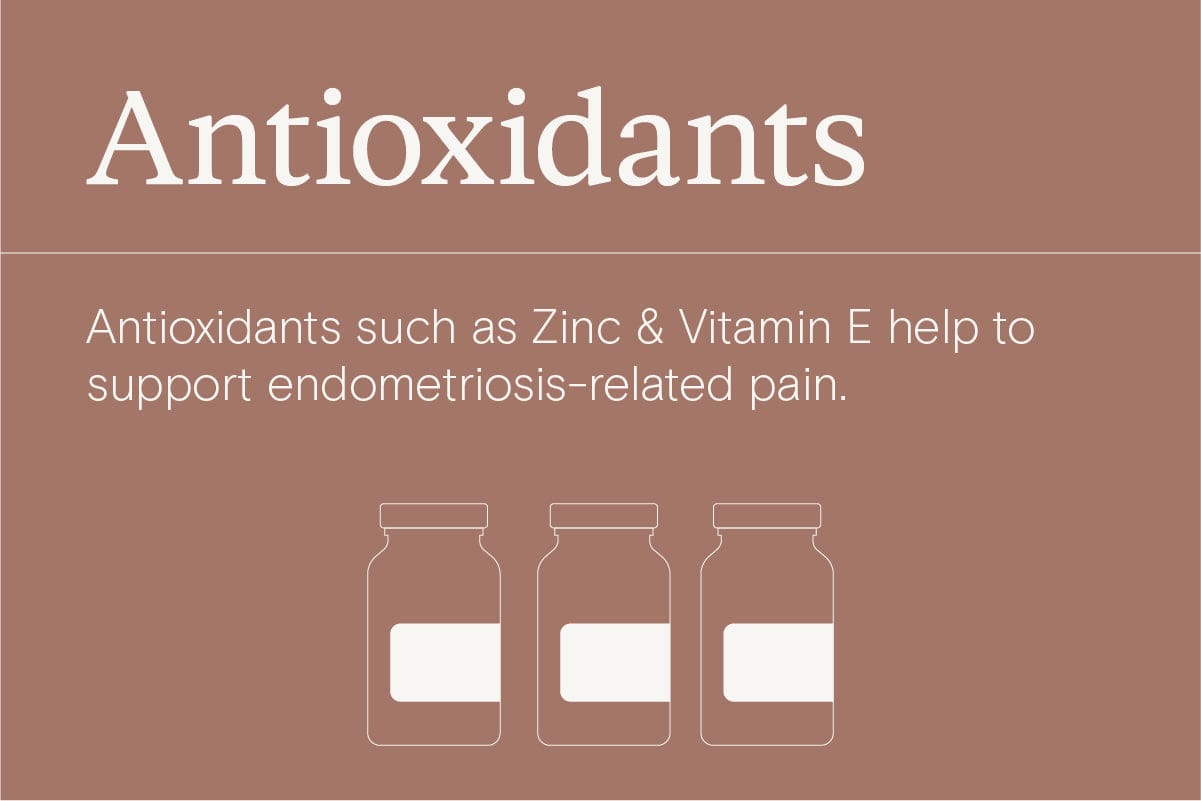
In addition to diet and lifestyle changes, certain supplements can help alleviate symptoms of endometriosis and support your overall health. Consult with your healthcare provider before adding supplements to your routine to ensure they are safe and appropriate for your individual needs.
Omega-3 Fish Oil
Omega-3 fish oil supplements are rich in anti-inflammatory fatty acids that can help reduce pain and inflammation associated with endometriosis. Look for high-quality supplements that are free of contaminants and additives for optimal results.
Turmeric
Turmeric is a powerful anti-inflammatory spice that can help reduce pain and inflammation in the body. Consider adding turmeric supplements or incorporating fresh turmeric into your diet to support your overall health and manage endometriosis symptoms.
Magnesium
Magnesium is an essential mineral that plays a crucial role in muscle function and pain management. Supplementing with magnesium can help alleviate cramping and discomfort associated with endometriosis, especially during menstruation. Look for magnesium citrate or glycinate for better absorption.
Holistic Approaches to Managing Endometriosis Pain
In addition to traditional treatments, holistic approaches can be beneficial in managing endometriosis pain and promoting overall well-being. By incorporating alternative therapies and practices into your routine, you can support your body in its healing process and reduce discomfort.
Acupuncture
Acupuncture is a traditional Chinese medicine practice that involves inserting thin needles into specific points on the body to promote healing and alleviate pain. Many women with endometriosis have found relief from symptoms through regular acupuncture sessions. Consult with a licensed acupuncturist to explore this option.
Herbal Medicine
Herbal medicine has been used for centuries to treat a variety of health conditions, including endometriosis. Certain herbs, such as chasteberry, cramp bark, and ginger, have anti-inflammatory and pain-relieving properties that can help manage symptoms of endometriosis. Consult with a qualified herbalist or naturopathic doctor to explore herbal remedies tailored to your individual needs.
Yoga and Meditation
Practicing yoga and meditation can help reduce stress, improve flexibility, and alleviate pain associated with endometriosis. By incorporating gentle yoga poses, breathing exercises, and mindfulness practices into your routine, you can support your body in coping with the condition and promote overall well-being.
Conclusion
Managing endometriosis pain through diet and lifestyle changes is a proactive and empowering approach to improving your quality of life. By understanding the role of nutrition, exercise, supplements, and holistic therapies in managing symptoms, you can create a comprehensive plan to support your body in its healing process. Remember to consult with your healthcare provider before making any significant changes to your routine and prioritize self-care and wellness as you navigate this journey towards better health and well-being. You deserve to live a life free of pain and discomfort – take the first step today towards managing endometriosis effectively.