
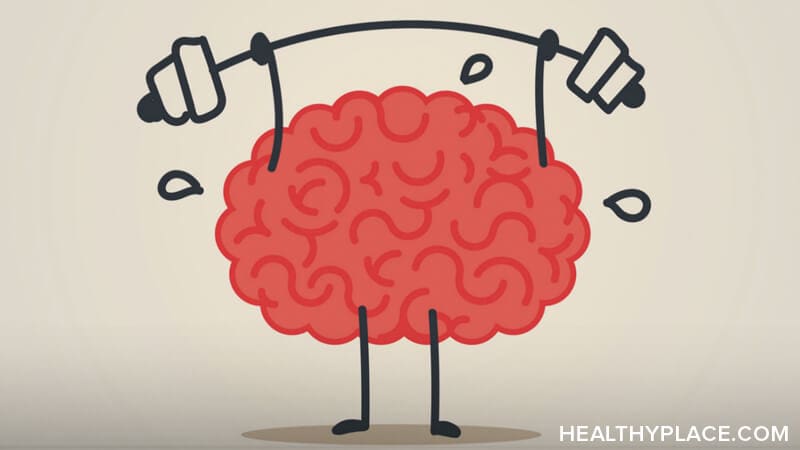
Are you looking to improve your mental and emotional well-being as a woman? In this article, we will explore some healthy habits that can positively impact your overall mental health. From practicing self-care to nurturing relationships, these habits are simple yet effective ways to prioritize your well-being. So, get ready to discover a range of strategies that can help you cultivate a healthier and happier mind.
1. Prioritize Self-Care
Schedule regular alone time
Taking care of yourself is essential for maintaining good mental and emotional well-being. It’s important to carve out dedicated alone time in your busy schedule. This can be as simple as taking a walk in nature, reading a book, or enjoying a bath. By prioritizing alone time, you give yourself the opportunity to recharge and reconnect with your own thoughts and feelings.
Engage in activities that bring joy
Engaging in activities that bring you joy is a wonderful way to boost your mental and emotional well-being. Whether it’s painting, dancing, gardening, or playing an instrument, find activities that ignite your passion and make you feel alive. By participating in activities that bring you joy, you are not only nurturing your mental and emotional health but also cultivating a sense of fulfillment and happiness in your life.
Practice self-compassion and self-acceptance
Self-compassion and self-acceptance are essential components of mental and emotional well-being. It’s important to treat yourself with kindness and understanding, just as you would a close friend. Acknowledge your strengths and accomplishments, but also embrace your imperfections and forgive yourself for mistakes. Remember that nobody is perfect, and it’s okay to have bad days. Practicing self-compassion and self-acceptance allows you to cultivate a positive relationship with yourself.
2. Maintain a Balanced Diet
Eat a variety of nutrient-dense foods
A balanced diet is crucial for both physical and mental well-being. Make sure to include a variety of nutrient-dense foods in your meals, such as fruits, vegetables, whole grains, lean proteins, and healthy fats. These foods provide your body and brain with essential nutrients, vitamins, and minerals, which can positively impact your mood and overall mental health.
Include foods rich in omega-3 fatty acids
Omega-3 fatty acids play a vital role in brain health and are known to improve mood and cognitive function. Incorporate foods that are rich in omega-3 fatty acids into your diet, such as fatty fish (salmon, trout, sardines), flaxseeds, chia seeds, and walnuts. These foods can help reduce symptoms of depression and anxiety and promote overall mental well-being.
Limit processed and sugary foods
While it’s important to incorporate nutrient-dense foods into your diet, it’s equally important to limit the consumption of processed and sugary foods. These types of foods can lead to energy crashes, mood swings, and even contribute to the development of mental health disorders. Focus on whole, unprocessed foods and opt for natural sweeteners like honey and fruits when you have a sweet craving.
3. Stay Physically Active
Engage in regular exercise
Regular exercise has numerous benefits for both your physical and mental well-being. It releases endorphins, which are known as the “feel-good” hormones, and can help reduce symptoms of anxiety and depression. Find an exercise routine that suits your preferences and schedule, whether it’s going for a run, practicing yoga, or joining a dance class. Aim for at least 150 minutes of moderate-intensity exercise or 75 minutes of vigorous-intensity exercise each week.
Try different types of physical activities
To keep your exercise routine exciting and prevent boredom, try incorporating different types of physical activities into your schedule. This could include swimming, cycling, hiking, or team sports. By exploring different activities, you not only discover what you enjoy but also challenge yourself physically and mentally.
Find an exercise routine that you enjoy
Consistency is key when it comes to maintaining an active lifestyle. Find an exercise routine that you genuinely enjoy and look forward to. If you dread going to the gym but love dancing, consider joining a dance class instead. By choosing activities that bring you joy, you’re more likely to stick with them and reap the benefits of regular physical exercise.
4. Establish Healthy Sleep Patterns
Set a consistent sleep schedule
Sleep plays a crucial role in your mental and emotional well-being. It’s important to establish a consistent sleep schedule and prioritize getting enough restful sleep each night. Aim for 7-9 hours of sleep, and try to go to bed and wake up at the same time every day, even on weekends. This helps regulate your body’s internal clock and improves the quality of your sleep.
Create a calming bedtime routine
Creating a calming bedtime routine can signal to your body and mind that it’s time to unwind and prepare for sleep. This can include activities such as reading a book, taking a warm bath, practicing relaxation techniques, or listening to soothing music. By incorporating these activities into your evening routine, you create a peaceful and relaxing atmosphere that promotes better sleep.
Avoid electronic devices before bed
The blue light emitted by electronic devices, such as smartphones, tablets, and laptops, can interfere with your sleep-wake cycle. To promote better sleep, avoid using electronic devices for at least an hour before bedtime. Instead, engage in relaxing activities that help you wind down and prepare for a restful night’s sleep.
5. Practice Stress Management Techniques
Engage in relaxation exercises (e.g., deep breathing)
Stress is a normal part of life, but ongoing or excessive stress can take a toll on your mental and emotional well-being. Engaging in relaxation exercises, such as deep breathing, can help activate your body’s relaxation response and reduce stress. Take a few moments throughout the day to practice deep breathing exercises, inhaling deeply through your nose and exhaling slowly through your mouth.
Try mindfulness meditation
Mindfulness meditation is a powerful technique for reducing stress and improving mental well-being. It involves focusing your attention on the present moment and observing your thoughts and feelings in a non-judgmental way. Start with just a few minutes of mindfulness meditation each day and gradually increase the duration as you become more comfortable with the practice.
Express yourself through journaling
Journaling is a therapeutic activity that allows you to express your thoughts and emotions freely. Take the time to write down your feelings, worries, or gratitude in a journal. This practice can help you gain clarity, process emotions, and release stress. You can also use journaling as a tool for self-reflection and personal growth.
6. Foster Supportive Relationships
Cultivate friendships with positive and like-minded individuals
Strong relationships with positive and like-minded individuals can provide a sense of belonging and support. Seek out friendships with people who uplift and motivate you. Surrounding yourself with positive influences can significantly impact your mental and emotional well-being.
Develop open and honest communication with loved ones
Open and honest communication with loved ones is essential for maintaining healthy relationships and fostering good mental health. Share your thoughts, feelings, and concerns with trusted individuals in your life. Having someone to confide in and offer support can alleviate stress and provide a sense of comfort and understanding.
Seek professional help if needed
If you’re struggling with your mental and emotional well-being, don’t hesitate to reach out to a trusted mental health professional. They can provide valuable guidance, support, and treatment options tailored to your specific needs. Therapy or counseling can be instrumental in helping you address and overcome challenges and develop effective coping strategies.
7. Engage in Mind-Boosting Activities
Read books or engage in mentally stimulating hobbies
Reading books or engaging in mentally stimulating hobbies, such as puzzles or brain games, can keep your mind sharp and improve cognitive function. These activities challenge your brain, promote creativity, and provide an opportunity for personal growth and learning. Make time for activities that actively engage your mind and ignite your curiosity.
Challenge yourself with puzzles or brain games
Puzzles and brain games, such as crosswords, Sudoku, or memory exercises, are excellent ways to keep your mind active and improve cognitive function. These activities not only provide entertainment but also help improve memory, problem-solving skills, and concentration. Challenge yourself with different types of puzzles and brain games to keep your mind stimulated.
Learn a new skill or language
Learning a new skill or language stimulates your brain and enhances your mental and emotional well-being. Whether it’s painting, playing a musical instrument, knitting, or learning a foreign language, the process of acquiring new knowledge and skills can boost your self-confidence, improve your creativity, and provide a sense of accomplishment.
8. Set Realistic Goals and Prioritize Tasks
Break goals into manageable steps
Setting realistic goals and breaking them down into manageable steps can help prevent overwhelm and increase your likelihood of success. Take the time to identify your goals and create a plan of action. By breaking your goals into smaller, achievable steps, you can maintain motivation, track your progress, and celebrate each milestone along the way.
Use time management techniques
Effective time management allows you to prioritize tasks and allocate your time wisely. This helps prevent stress, anxiety, and a feeling of being overwhelmed. Prioritize your tasks, set deadlines, and create a schedule that allows for adequate rest and leisure time. By managing your time effectively, you can reduce stress and maintain a healthy work-life balance.
Celebrate your achievements
Don’t forget to celebrate your achievements, no matter how small they may seem. Acknowledge and reward yourself for reaching your goals, completing tasks, or making progress. Celebrating your achievements not only increases your motivation but also boosts your self-esteem and enhances your overall sense of well-being.
9. Limit Media Consumption and Social Media
Be mindful of the impact of media on your mental well-being
Media, including news, social media, and entertainment, can have a significant impact on your mental well-being. Be mindful of the type and amount of media you consume and the emotions it triggers. If certain content consistently leaves you feeling anxious, stressed, or inadequate, it may be beneficial to limit your exposure and focus on more positive and uplifting sources of information.
Set boundaries with social media usage
Social media can be both a source of connection and a trigger for negative feelings. Set boundaries for yourself when it comes to social media usage. Allocate specific time periods for checking and engaging with social media, and avoid mindlessly scrolling for prolonged periods. Remember that social media often presents an idealized version of reality, and it’s important to maintain perspective and prioritize your well-being.
Engage in activities that promote presence in the moment
To counterbalance the constant digital stimulation, engage in activities that promote mindfulness and presence in the moment. This can include practices such as meditation, yoga, spending time in nature, or simply taking a break from screens and engaging in offline hobbies. By disconnecting from technology and embracing the present moment, you can cultivate a sense of calm and enhance your mental well-being.
10. Seek Professional Help if Needed
Reach out to a trusted mental health professional
If you’re experiencing persistent mental health issues or struggling to cope with challenges, do not hesitate to reach out to a trusted mental health professional. They are trained to provide support, guidance, and evidence-based interventions tailored to your specific needs. Seeking professional help is a brave and proactive step towards improving your mental and emotional well-being.
Consider therapy or counseling
Therapy or counseling can be immensely beneficial for improving mental and emotional well-being. These approaches provide a safe and confidential space to explore your thoughts, emotions, and experiences. A therapist or counselor can help you gain insight into your challenges, develop healthy coping mechanisms, and work towards positive change and personal growth.
Educate yourself about available resources
Empower yourself by educating yourself about the available resources and support systems in your community. Research mental health organizations, helplines, and online communities that provide information, support, and resources related to mental and emotional well-being. Being informed allows you to make informed decisions about your mental health and access the help you may need.
Conclusion
Prioritizing your mental and emotional well-being is crucial for leading a healthy and fulfilling life. By implementing these healthy habits and strategies into your daily routine, you can cultivate a strong foundation for overall well-being. Remember, self-care is not selfish but necessary for nurturing your mental and emotional health. Embrace these habits and experience the transformative power they have on your life.