
Living with Chronic Fatigue Syndrome (CFS) can be challenging, but with the right strategies, you can effectively manage your daily activities. This article provides valuable tips and insights on how to navigate through your daily routine, ensuring a better quality of life. From prioritizing tasks to pacing yourself, these practical suggestions will empower you to regain control over your daily activities and improve your overall well-being. Discover a range of helpful recommendations that will enable you to live your life to the fullest, even with CFS.
Establishing a Routine
Setting Regular Sleep Patterns
Setting regular sleep patterns is crucial for managing Chronic Fatigue Syndrome (CFS). A consistent sleep schedule helps regulate your body’s internal clock and promotes better restorative sleep. Aim for a fixed bedtime and wake-up time, even on weekends. Create a soothing bedtime routine that includes activities like reading or listening to calming music. Avoid stimulating activities, especially close to bedtime, such as watching TV or using electronic devices. Keep your bedroom environment comfortable, quiet, and dark to promote quality sleep.
Maintaining Consistent Meal Times
Maintaining consistent meal times can provide stability and support your energy levels throughout the day. Eating balanced meals at regular intervals helps regulate blood sugar levels, preventing energy crashes. To ensure a steady release of energy, include a combination of complex carbohydrates, lean proteins, and healthy fats in your meals. Avoid skipping meals and opt for smaller, more frequent meals if you have difficulty with digestion or appetite. Listen to your body’s hunger and fullness cues, and make sure to stay hydrated throughout the day.
Allocating Time for Rest and Relaxation
Incorporating rest and relaxation into your daily routine is essential for managing the symptoms of Chronic Fatigue Syndrome. Allow yourself scheduled breaks throughout the day to recharge and avoid pushing yourself beyond your limits. Engage in activities that promote relaxation, such as reading, practicing deep breathing exercises, or taking short naps. Remember to be mindful of your energy levels and take breaks before exhaustion sets in. Prioritizing rest and relaxation will help prevent flare-ups and conserve your energy for important tasks.
Prioritizing Tasks
Identifying and Ranking Important Activities
To effectively manage your daily activities, it’s important to identify and rank them based on their importance and urgency. Make a list of your tasks and evaluate which ones are critical and require your immediate attention. Prioritize essential activities that cannot be delegated or delayed. Consider using a color-coded system or a task management app to visually categorize and organize your tasks. By clearly defining your priorities, you can focus your energy on the most significant tasks and reduce unnecessary stress.
Breaking Down Tasks into Manageable Steps
When dealing with Chronic Fatigue Syndrome, it’s crucial to break down tasks into manageable steps. Large tasks can feel overwhelming and draining, leading to increased fatigue. Break down complex tasks into smaller, more achievable steps to make them more manageable. This approach not only helps conserve your energy but also provides a sense of accomplishment as you complete each step. Additionally, consider setting realistic timelines for each step to avoid rushing and overwhelming yourself.
Using Tools for Task Organization
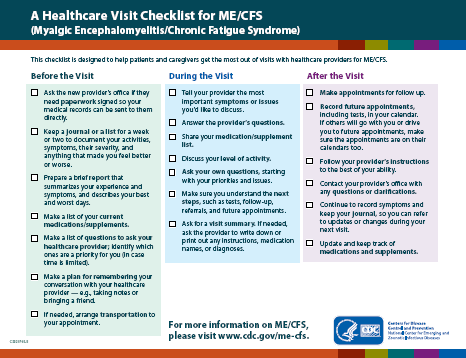
Utilizing task organization tools can significantly improve your productivity and help you stay on top of your daily activities. Consider using digital or physical planners, calendars, or to-do lists to keep track of your tasks, deadlines, and appointments. These tools can help you visualize your schedule, set reminders, and create a structured routine. Experiment with different methods to find the one that works best for you and adapt it as needed. By using task organization tools, you can effectively manage your time and reduce the cognitive load associated with remembering everything.
Managing Energy Levels
Listening to Your Body’s Signals
One of the most important aspects of managing Chronic Fatigue Syndrome is listening to your body’s signals. Pay attention to how your body feels and the energy levels you experience throughout the day. When you start to feel fatigued or experience warning signs of a flare-up, take it as a cue to rest and conserve your energy. Pushing through exhaustion can exacerbate symptoms and lead to a prolonged recovery period. Becoming attuned to your body’s signals will help you make informed decisions about when to rest and when to engage in activities.
Learning to Pace Yourself
Learning to pace yourself is a crucial skill for managing daily activities with Chronic Fatigue Syndrome. Pacing involves breaking tasks into manageable chunks and balancing activities with periods of rest. Avoid the tendency to push yourself too hard on days when you feel relatively good, as this can lead to setbacks. Instead, aim for a steady, moderate level of activity throughout the day, ensuring you have time to recover between tasks. By pacing yourself, you can maintain a more consistent energy level and prevent crashes.
Using Energy Conservation Techniques
Energy conservation techniques are helpful strategies that can alleviate fatigue and allow you to accomplish tasks more efficiently. Some techniques include prioritizing tasks, delegating responsibilities, and adopting ergonomic principles. For example, breaking tasks into smaller steps, utilizing assistive devices, and optimizing your environment for comfort and efficiency can all conserve energy. Be mindful of your energy expenditure and look for opportunities to minimize unnecessary exertion. By implementing energy conservation techniques, you can maximize your productivity while minimizing fatigue.
Creating an Accessible Living Space
Arranging Furniture and Items for Easy Reach
Creating an accessible living space is essential for individuals with Chronic Fatigue Syndrome. Arrange furniture and commonly used items in a way that minimizes physical exertion and ensures easy reach. Rearrange your furniture to create clear pathways and reduce the need for excessive bending or stretching. Place frequently used items, such as cooking utensils or toiletries, within arm’s reach to avoid unnecessary strain. Additionally, consider using adaptive equipment, such as reacher grabbers or jar openers, to make daily tasks more manageable.
Installing Assistive Devices or Modifications
Installing assistive devices or making modifications to your living space can greatly enhance accessibility and reduce physical strain. For example, grab bars in the bathroom can provide support and stability, while handrails on stairs can make navigating them easier. Consider adding ramps or lifts if you have difficulty with stairs. Adjust lighting levels to reduce eye strain and install motion-sensing lights for added convenience. These modifications can make a significant difference in your daily life by minimizing physical effort and promoting safety.
Minimizing Clutter and Hazards
Minimizing clutter and hazards in your living space is crucial for managing Chronic Fatigue Syndrome. Clutter can be physically and mentally draining, making it difficult to find things and navigate your surroundings. Take the time to declutter and organize your living space, keeping only essential items within easy reach. Remove tripping hazards such as loose rugs or wires and ensure clear pathways throughout your home. By creating a clean and hazard-free environment, you can reduce the risk of accidents and conserve your energy for activities that matter.
Developing Effective Communication
Explaining Your Condition to Family and Friends
Effectively communicating your condition to your family and friends is important for gaining their understanding and support. Many people may not fully comprehend Chronic Fatigue Syndrome and its impact on your daily life. Take the time to explain your condition, its symptoms, and how it affects your energy levels and abilities. Be open and honest about your limitations and the adjustments you need to make. Encourage questions and provide resources or educational materials to help them gain a deeper understanding. Establishing clear communication can foster empathy, reduce misunderstandings, and strengthen your support system.
Setting Boundaries and Asking for Support
Setting boundaries and asking for support are vital aspects of managing Chronic Fatigue Syndrome. Understand your limitations and communicate them to your loved ones. Let them know how they can support you, whether it’s by offering assistance with household chores, accompanying you to medical appointments, or simply providing emotional support. Establishing clear boundaries and asking for help when needed can prevent overexertion and prevent potential misunderstandings. Remember, it is not a sign of weakness to ask for support; it is a strength to know your limits and advocate for yourself.
Advocating for Yourself in Professional Settings
Advocating for yourself in professional settings is crucial to ensure you have the necessary accommodations and support to manage your condition effectively. Communicate openly with your employer or supervisor about your diagnosis and how it impacts your work. Request reasonable accommodations, such as flexible work hours, reduced workload, or modified responsibilities, if needed. Provide any necessary medical documentation to support your requests and be proactive in finding solutions that work for both parties. By advocating for yourself, you can create a work environment that supports your well-being and productivity.
Finding Support Networks
Joining Chronic Fatigue Syndrome Support Groups
Joining Chronic Fatigue Syndrome support groups can provide a valuable network of individuals who understand and share similar experiences. These groups offer a platform to connect with others who are facing similar challenges and exchange advice and coping strategies. Online or in-person support groups can provide emotional support, a sense of belonging, and a safe space to share your struggles and triumphs. Remember that you are not alone in your journey, and joining support groups can offer a source of encouragement and resilience.
Connecting with Online Communities
In addition to support groups, connecting with online communities centered around Chronic Fatigue Syndrome can offer valuable resources and support. Online forums, social media groups, and blogs can provide a wealth of information, tips, and personal stories from individuals managing the same condition. Engaging in these communities allows you to ask questions, share experiences, and learn from others’ perspectives. However, it is essential to approach online information critically and consult healthcare professionals for personalized advice.
Seeking Professional Therapy or Counseling
When living with Chronic Fatigue Syndrome, seeking professional therapy or counseling can be beneficial in managing the emotional and psychological aspects of the condition. Chronic illness can often lead to feelings of frustration, isolation, and anxiety. Therapy sessions provide a supportive environment to address these emotions, learn coping mechanisms, and develop strategies to improve your overall well-being. A qualified therapist can help you navigate the challenges associated with chronic illness and provide guidance for developing effective coping mechanisms.

Taking Care of Mental Health
Practicing Stress-Reduction Techniques
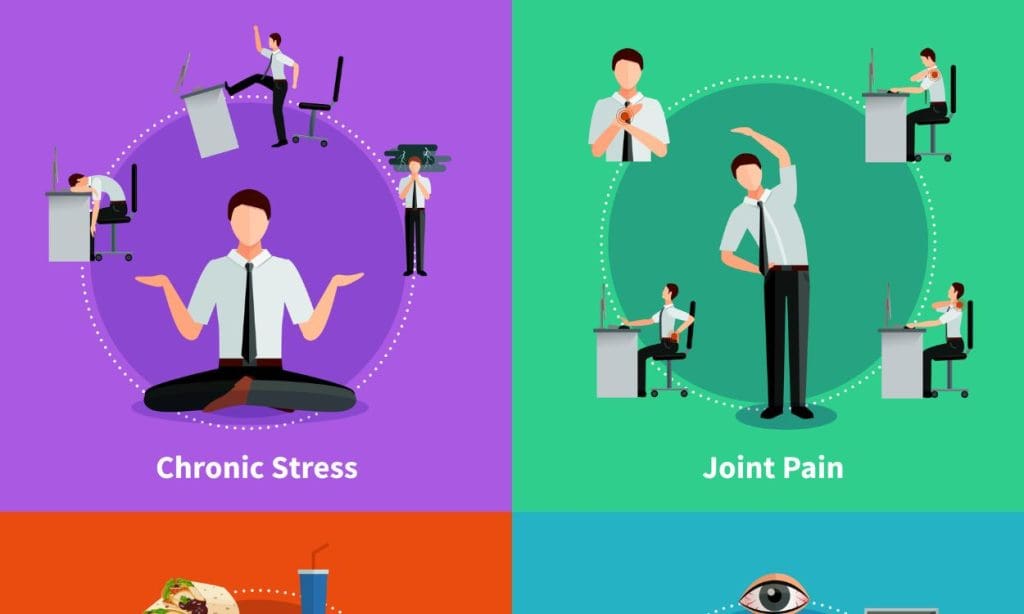
Managing Chronic Fatigue Syndrome can be a source of stress, and chronic stress can exacerbate symptoms. Incorporate stress-reduction techniques into your daily routine to promote mental well-being. Practice deep breathing exercises, mindfulness meditation, or engage in activities that bring you joy and relaxation. Find what works best for you and prioritize self-care activities that alleviate stress. By cultivating stress-reduction techniques, you can enhance your overall mental health and resilience.
Engaging in Relaxation and Mindfulness
Engaging in relaxation and mindfulness practices can significantly impact your mental well-being when living with Chronic Fatigue Syndrome. Take time each day to engage in activities that promote relaxation, such as progressive muscle relaxation, guided imagery, or gentle stretching exercises. Mindfulness exercises, such as meditation or mindful eating, can help you stay present and cultivate a sense of calm amidst the challenges of your condition. Regularly practicing relaxation and mindfulness can improve your emotional state and enhance your ability to cope with daily activities.
Addressing Anxiety and Depression
Anxiety and depression are common comorbidities in individuals with Chronic Fatigue Syndrome. It is essential to address these mental health conditions with appropriate support and treatment. Reach out to a mental health professional who specializes in chronic illness or seek therapy to address these concerns. Therapeutic interventions, such as cognitive-behavioral therapy or medication, may be recommended to manage anxiety and depression symptoms effectively. Remember, addressing your mental health is just as important as managing the physical aspects of your condition.
Adapting Exercise and Physical Activity
Consulting with Healthcare Professionals
When considering exercise and physical activity, it is crucial to consult with healthcare professionals who are familiar with Chronic Fatigue Syndrome. A healthcare provider, such as a physiotherapist or exercise physiologist, can help develop an individualized exercise plan that considers your specific needs and limitations. They can guide you through appropriate exercises and pacing techniques to avoid overexertion or exacerbating symptoms. Working closely with healthcare professionals ensures safe and effective physical activity management.
Exploring Low-Impact Exercise Options
Engaging in low-impact exercise options is important for managing Chronic Fatigue Syndrome. Low-impact exercises are gentle on the joints and muscles, reducing the risk of injury and preventing excessive fatigue. Consider activities such as walking, swimming, tai chi, or yoga. Start slowly and gradually increase the intensity or duration of your workouts as tolerated. Pay attention to your body’s response and adjust your exercise routine accordingly. Remember, listening to your body and pacing yourself is crucial for managing physical activity with Chronic Fatigue Syndrome.
Gradually Increasing Physical Activity
Gradually increasing physical activity is key to avoiding setbacks and building stamina when living with Chronic Fatigue Syndrome. Start with short, low-intensity activities and gradually increase the duration or intensity as tolerated. Pace yourself and incorporate rest periods between exercises to allow your body to recover. Incremental increases in physical activity can help improve overall fitness, reduce symptoms, and enhance your quality of life. Be patient with your progress and focus on gradual improvements rather than pushing for immediate results.
Managing Symptoms
Tracking Symptoms and Trigger Patterns
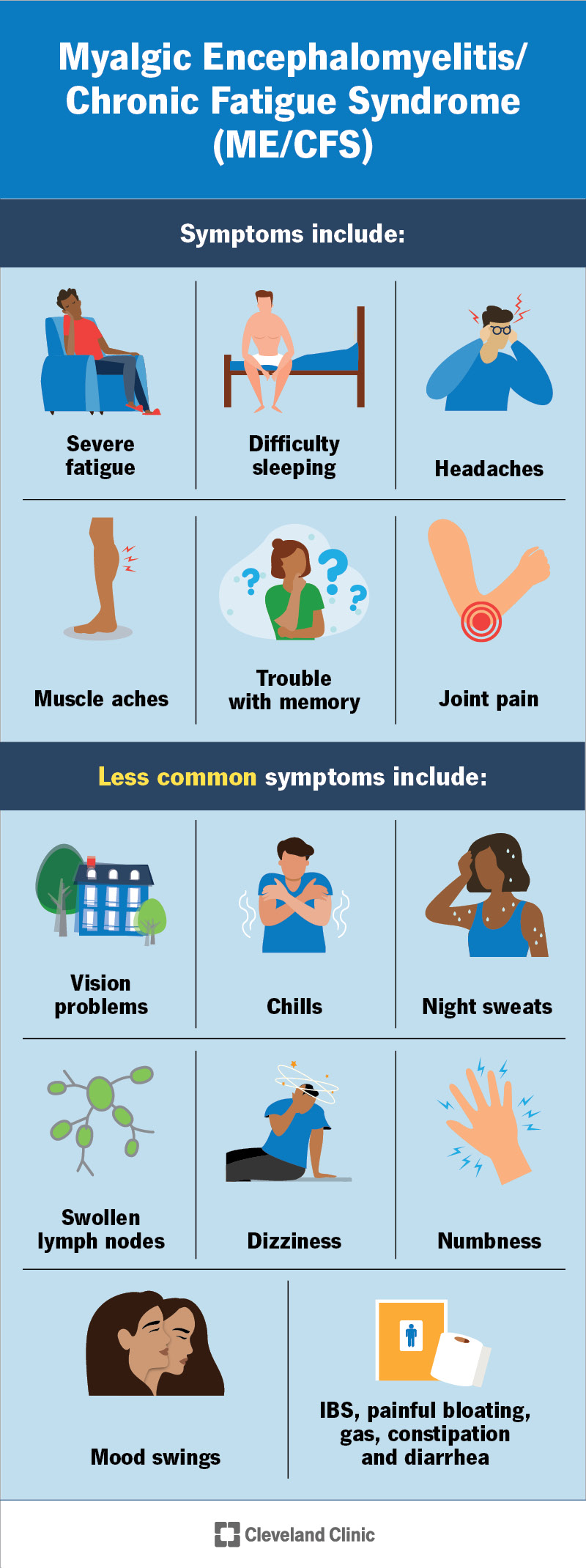
Tracking symptoms and trigger patterns is an effective strategy for managing Chronic Fatigue Syndrome. Keep a symptom diary or use a mobile app to record daily symptom severity, activity levels, and potential triggers. This information can help you identify patterns, such as specific activities or environmental factors that exacerbate your symptoms. By understanding your triggers, you can make informed decisions and modify your routines to minimize symptom flare-ups. Remember to share this information with your healthcare professionals to aid in the management of your condition.
Implementing Pain and Symptom Management Strategies
Implementing pain and symptom management strategies is essential for individuals with Chronic Fatigue Syndrome. Work with your healthcare team to develop personalized strategies that address your specific symptoms. This may include medications to manage pain or specific symptoms, as well as non-pharmacological approaches such as heat or cold therapy, relaxation techniques, or dietary modifications. Experiment with different strategies to find the combination that works best for you. Managing symptoms effectively can improve your overall well-being and help you maintain a more active lifestyle.
Exploring Alternative Therapies and Treatments
Exploring alternative therapies and treatments can be beneficial for some individuals with Chronic Fatigue Syndrome. Complementary approaches such as acupuncture, massage therapy, or hydrotherapy may provide symptom relief and improve overall well-being. However, it is essential to discuss these options with your healthcare team before incorporating them into your routine, as some therapies may interact with medications or have varying levels of effectiveness. Remember to approach alternative therapies with an open mind and be mindful of any changes or improvements in your symptoms.
Educating Yourself and Others
Staying Informed about Chronic Fatigue Syndrome
Staying informed about Chronic Fatigue Syndrome is crucial for effectively managing your condition. Keep up-to-date with current research, advancements in treatments, and new strategies for symptom management. Reliable sources such as medical journals, reputable websites, and organizations devoted to Chronic Fatigue Syndrome can provide accurate and evidence-based information. Continuously educating yourself empowers you to make informed decisions about your own care and advocate for yourself.
Educating Family, Friends, and Caregivers
Educating your family, friends, and caregivers about Chronic Fatigue Syndrome is essential for fostering understanding and empathy. Provide them with reliable resources or informational materials that explain the nature of your condition. Encourage open conversations and answer any questions they may have. By sharing knowledge, you can help your loved ones better comprehend the impact of Chronic Fatigue Syndrome on your daily life. Education also equips them with the tools to provide appropriate support and be true allies in your journey.
Advocating for Increased Awareness and Research
Advocating for increased awareness and research is crucial for the broader understanding of Chronic Fatigue Syndrome and the pursuit of effective treatments. Participate in awareness campaigns, share your story, or engage with advocacy organizations to amplify the voices of those living with the condition. Stay informed about ongoing research and clinical trials, and consider participating if opportunities arise. By actively advocating for increased awareness and research, you contribute to the collective effort of improving the lives of individuals with Chronic Fatigue Syndrome and promoting change on a larger scale.
In conclusion, living with Chronic Fatigue Syndrome requires adopting various strategies to effectively manage daily activities. By establishing a routine, prioritizing tasks, managing energy levels, creating an accessible living space, developing effective communication, finding support networks, taking care of mental health, adapting exercise and physical activity, managing symptoms, and educating yourself and others, you can navigate the challenges of Chronic Fatigue Syndrome and enhance your overall well-being. Remember, each person’s experience with Chronic Fatigue Syndrome is unique, so it’s important to find a combination of strategies that work best for you. With patience, self-care, and support, you can lead a fulfilling life while managing the impact of Chronic Fatigue Syndrome.