
Whether it’s improving your diet, staying physically active, or taking time for regular check-ups, there are plenty of simple yet effective ways to reduce the risk of chronic diseases in men. By incorporating these habits into your daily routine, you can significantly improve your overall health and well-being. In this article, we will explore some of the best strategies for minimizing the chances of developing chronic illnesses, allowing you to lead a long and fulfilling life. So, let’s dive right in and uncover the key steps that can make a world of difference for your health.

Maintain a Healthy Diet
Maintaining a healthy diet is essential for reducing the risk of chronic diseases in men. By making smart food choices, you can provide your body with the necessary nutrients to stay healthy and prevent various health conditions. Here are some key tips to follow:
Eat a variety of fruits and vegetables
Fruits and vegetables are packed with vitamins, minerals, and antioxidants that can help protect your body against chronic diseases. Aim to include a colorful variety of fruits and vegetables in your diet, as different colors indicate different nutrients. Incorporate them into your meals and snacks to ensure you are getting a wide range of nutrients.
Choose whole grains over refined grains
Whole grains, such as whole wheat, brown rice, and oats, are high in fiber and provide essential nutrients. They are healthier than refined grains, such as white bread and white rice, which have been stripped of their nutrients. Opting for whole grains can help lower the risk of heart disease, type 2 diabetes, and certain cancers.
Limit consumption of processed foods
Processed foods are often high in added sugars, unhealthy fats, and sodium. These substances can increase the risk of chronic diseases, including obesity, heart disease, and high blood pressure. Minimize your intake of processed and packaged foods, and instead opt for fresh, whole foods that are nutrient-dense.
Reduce intake of saturated and trans fats
Saturated and trans fats can raise cholesterol levels and increase the risk of heart disease. Limit your consumption of foods high in these fats, such as red meat, butter, and fried foods. Instead, focus on incorporating healthy fats, such as those found in avocados, nuts, and olive oil, into your diet.
Limit sodium intake
Excessive sodium consumption can contribute to high blood pressure, which is a major risk factor for heart disease and stroke. Be mindful of the amount of salt you add to your food and try to avoid high-sodium processed foods. Opt for herbs, spices, and other natural flavorings to season your meals instead.
Engage in Regular Physical Activity
Physical activity is crucial for maintaining overall health and reducing the risk of chronic diseases. By engaging in regular exercise, you can improve your cardiovascular health, strengthen your muscles, and boost your mental well-being. Here are some key points to consider:
Aim for at least 150 minutes of moderate-intensity aerobic activity per week
To attain significant health benefits, it is recommended to engage in at least 150 minutes of moderate-intensity aerobic activity each week. This can include brisk walking, cycling, swimming, or any activity that gets your heart rate up.
Strength training exercises at least twice a week
In addition to aerobic exercise, including strength training exercises in your routine is important for building and maintaining muscle mass. Strength training can be done using bodyweight exercises or with the assistance of weights or resistance bands. Aim for two or more days of strength training each week, targeting all major muscle groups.
Incorporate physical activity into your daily routine
Look for opportunities to be more active throughout your day. Take the stairs instead of the elevator, walk or bike to work if possible, and find activities you enjoy that keep you moving. Even small amounts of physical activity can add up and contribute to your overall well-being.
Choose activities that you enjoy
To make exercise feel less like a chore, choose activities that you genuinely enjoy. Whether it’s playing a sport, dancing, or taking a group fitness class, find something that keeps you motivated and makes you look forward to being active.
Maintain a Healthy Weight
Maintaining a healthy weight is crucial for reducing the risk of chronic diseases. Excess weight can contribute to various health conditions, including heart disease, diabetes, and certain cancers. Here are some key points to keep in mind:
Calculate and monitor your BMI
Body Mass Index (BMI) is a tool that can help determine if you are at a healthy weight for your height. Calculate your BMI and monitor it regularly to ensure you are within a healthy range. If your BMI falls into the overweight or obese categories, it’s important to take steps to achieve a healthier weight.
Limit calorie intake and make healthier food choices
To maintain a healthy weight, it’s important to balance the number of calories consumed with the number of calories burned through physical activity. Opt for nutrient-dense foods that are lower in calories, such as fruits, vegetables, lean proteins, and whole grains. Limit your intake of high-calorie, low-nutrient foods, such as sugary snacks and beverages.
Engage in regular exercise to burn calories
Regular physical activity not only helps improve overall health but also assists in burning calories and achieving a healthy weight. Combine aerobic activities with strength training to maximize calorie burn and build lean muscle mass. Aim to create a well-rounded exercise routine that includes both cardiovascular exercise and strength training exercises.
Seek professional help if necessary
If you are struggling with weight management or have underlying health conditions that make it difficult to lose weight, it’s important to seek professional help. Consult a registered dietitian or healthcare provider who can provide personalized guidance and support in achieving and maintaining a healthy weight.
Don’t Smoke or Use Tobacco Products
Smoking and using tobacco products are major risk factors for chronic diseases, including lung cancer, heart disease, stroke, and respiratory illnesses. Quitting smoking or avoiding tobacco use can significantly reduce the risk of developing these conditions. Here are some key points to consider:
Quit smoking if you are currently a smoker
If you are a smoker, quitting is the single best thing you can do for your health. Seek support from healthcare professionals, smoking cessation programs, or quit lines to help you along the way. Quitting smoking can be challenging, but the benefits to your health are enormous.
Avoid exposure to secondhand smoke
Even if you are not a smoker, exposure to secondhand smoke can still be harmful to your health. Avoid spending time in areas where smoking is allowed and encourage those around you to quit smoking to protect their health as well.
Avoid using other tobacco products such as chewing tobacco or snuff
While smoking is heavily associated with chronic diseases, other forms of tobacco use can also be detrimental to health. Chewing tobacco, snuff, and other smokeless tobacco products contain harmful chemicals and increase the risk of oral cancers and other health issues. Avoid using these products altogether.
Limit Alcohol Consumption
While moderate alcohol consumption may have some health benefits, excessive drinking can increase the risk of chronic diseases and other health problems. It’s important to set limits for yourself and practice moderation. Here are some guidelines to follow:
Set limits for yourself and stick to them
It’s essential to determine your own personal limits for alcohol consumption. The Centers for Disease Control and Prevention (CDC) defines moderate drinking as up to one drink per day for women and up to two drinks per day for men. Keep in mind that these guidelines refer to standard drink sizes, such as 12 ounces of beer, 5 ounces of wine, or 1.5 ounces of distilled spirits.
Avoid binge drinking
Binge drinking, typically defined as consuming four or more drinks for women and five or more drinks for men within a short period, can have serious health consequences. This pattern of heavy drinking can increase the risk of liver disease, heart problems, and accidents. Avoid binge drinking and opt for moderate, responsible alcohol consumption.
Choose lower-alcohol options
When consuming alcohol, opt for lower-alcohol options such as light beers or wines. These options typically have a lower alcohol content, allowing you to enjoy a drink while consuming fewer calories and less alcohol overall.
Drink in moderation, if at all
While moderate alcohol consumption may have some potential health benefits, it’s important to remember that it’s not necessary to drink alcohol to maintain good health. If you choose not to drink or if you have a history of alcohol-related problems, it’s best to avoid alcohol altogether.
Get Regular Check-ups and Screenings
Regular check-ups and screenings are vital for detecting and preventing chronic diseases. These appointments allow healthcare professionals to monitor your overall health, identify any potential issues, and provide early intervention when necessary. Here are some important points to remember:
Visit your doctor regularly for preventive care
Make it a priority to schedule regular check-ups with a healthcare provider. These visits can include general physical examinations, blood tests, and discussions about your overall health and any concerns you may have. Regular check-ups can help detect potential health issues early on and provide an opportunity for preventive care.
Get recommended screenings for various diseases
Screenings are tests or exams that can identify potential health problems before symptoms appear. These screenings can include blood pressure checks, cholesterol tests, mammograms, colonoscopies, and prostate exams, among others. Discuss with your doctor which screenings are appropriate for your age, gender, and medical history.
Monitor blood pressure, cholesterol levels, and blood sugar
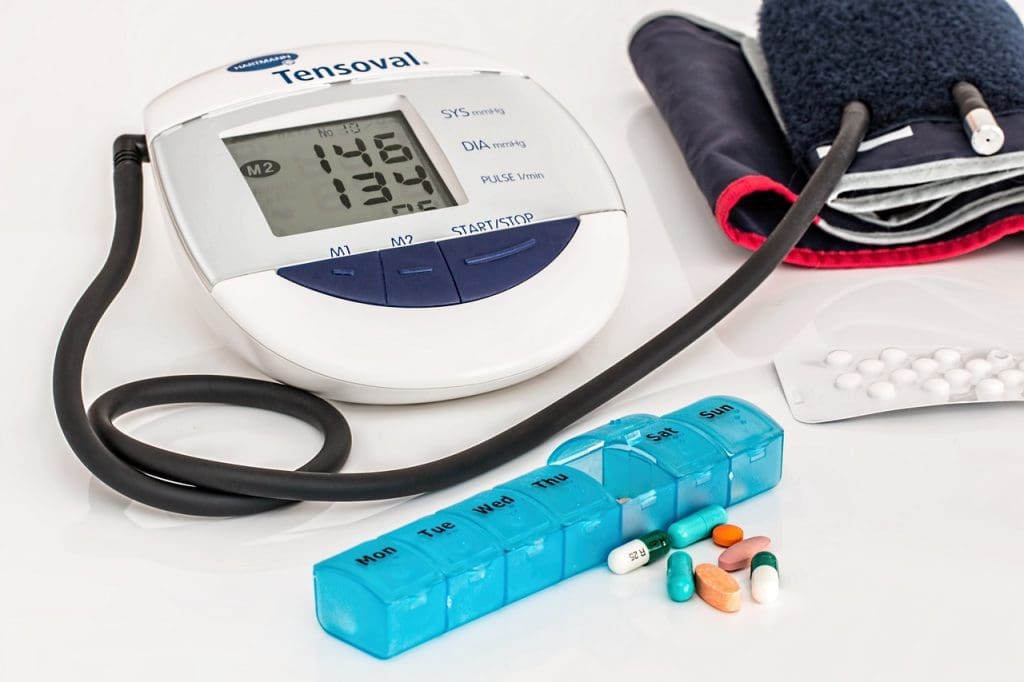
Monitoring your vital health indicators is crucial for managing chronic diseases and identifying potential health risks. Regularly check your blood pressure, cholesterol levels, and blood sugar, and discuss the results with your healthcare provider. Elevated levels of these measures can indicate an increased risk of heart disease, stroke, and diabetes.

Manage Stress
Chronic stress can have a negative impact on both physical and mental health. Managing stress is essential for overall well-being and reducing the risk of chronic diseases. Here are some key points to consider:
Identify stressors in your life
Take the time to identify the factors that contribute to stress in your life. These stressors can be related to work, relationships, finances, or personal situations. Once you have identified your stressors, you can work towards finding effective ways to manage them.
Practice stress-reducing techniques
There are various techniques you can incorporate into your daily routine to help reduce stress. These techniques include deep breathing exercises, meditation, yoga, and engaging in hobbies or activities that bring you joy. Find what works best for you and make it a priority to practice stress reduction regularly.
Get enough sleep and prioritize rest
Adequate sleep is crucial for overall health and well-being. Lack of sleep can increase stress levels and contribute to a variety of health problems. Aim for seven to nine hours of quality sleep each night and establish a nighttime routine that promotes restful sleep.
Find healthy outlets for stress such as hobbies or exercise
Engaging in activities that you enjoy can provide an outlet for stress and contribute to your overall mental well-being. Whether it’s participating in sports, playing a musical instrument, or pursuing creative hobbies, find activities that help you relax and unwind. Incorporate these activities into your routine to manage stress effectively.
Practice Safe Sex
Practicing safe sex is important for preventing sexually transmitted infections (STIs) and maintaining sexual health. By taking necessary precautions, you can reduce the risk of contracting or spreading STIs. Here are some key points to keep in mind:
Use barrier methods of contraception to prevent sexually transmitted infections
Barrier methods of contraception, such as condoms or dental dams, provide a physical barrier between partners and reduce the risk of STIs. When engaging in sexual activity, always use appropriate barrier methods to protect yourself and your partner.
Get tested for sexually transmitted infections regularly
Regular testing for STIs is crucial for early detection and treatment. If you are sexually active, particularly with multiple partners, it’s important to get tested regularly. This not only helps protect your own health but also allows you to be responsible and considerate towards your partners’ well-being.
Have open and honest communication with sexual partners
Communication is key when it comes to maintaining sexual health. Openly discuss sexual history, STI testing, and contraceptive methods with your partners. This transparency can help you make informed decisions and protect your health and the health of others.

Protect Your Skin
Protecting your skin from the sun’s harmful rays is crucial for reducing the risk of skin cancer and maintaining good skin health. Here are some important points to remember:
Limit sun exposure between 10 a.m. and 4 p.m.
The sun’s rays are the strongest between 10 a.m. and 4 p.m. During this time, it’s important to limit your sun exposure to reduce the risk of sunburn and skin damage. Seek shade or stay indoors during these hours whenever possible.
Wear protective clothing and sunscreen with SPF 30 or higher
When you are outside, protect your skin by wearing clothing that covers exposed areas, such as long sleeves, pants, and wide-brimmed hats. Additionally, apply sunscreen with a Sun Protection Factor (SPF) of 30 or higher to any exposed skin. Reapply sunscreen every two hours or more frequently if you are sweating or swimming.
Avoid indoor tanning beds
Indoor tanning beds emit harmful UV radiation that can increase the risk of skin cancer. Avoid using these devices altogether and opt for safer alternatives, such as self-tanning lotions or bronzers, to achieve a tan.
Take Care of Your Mental Health
Taking care of your mental health is just as important as taking care of your physical health. Mental health issues, such as depression and anxiety, can significantly impact overall well-being. Here are some key points to consider:
Seek support from friends, family, or professionals
Don’t hesitate to reach out to supportive friends, family members, or professionals if you are experiencing mental health concerns. Talking to someone you trust can provide valuable emotional support and guidance.
Engage in activities that promote mental well-being
Participating in activities that promote mental well-being can have a positive impact on your overall mental health. This can include activities such as practicing mindfulness, journaling, engaging in creative hobbies, or spending time in nature. Find what brings you joy and make it a regular part of your routine.
Manage stress and practice self-care
Stress management is key to maintaining good mental health. Incorporate stress-reducing techniques, such as deep breathing exercises or meditation, into your daily routine. Additionally, prioritize self-care activities that help you relax and recharge.
Be aware of signs of mental health issues and seek help when needed
It’s important to be aware of the signs and symptoms of mental health issues. If you notice persistent feelings of sadness, changes in appetite or sleep patterns, difficulty concentrating, or thoughts of self-harm or suicide, it’s crucial to seek help from a mental health professional.
By incorporating these strategies into your lifestyle, you can greatly reduce the risk of chronic diseases and improve your overall health and well-being. Remember, small steps and consistent effort can lead to significant long-term benefits. Take charge of your health today and make a commitment to live a healthier, happier life.