
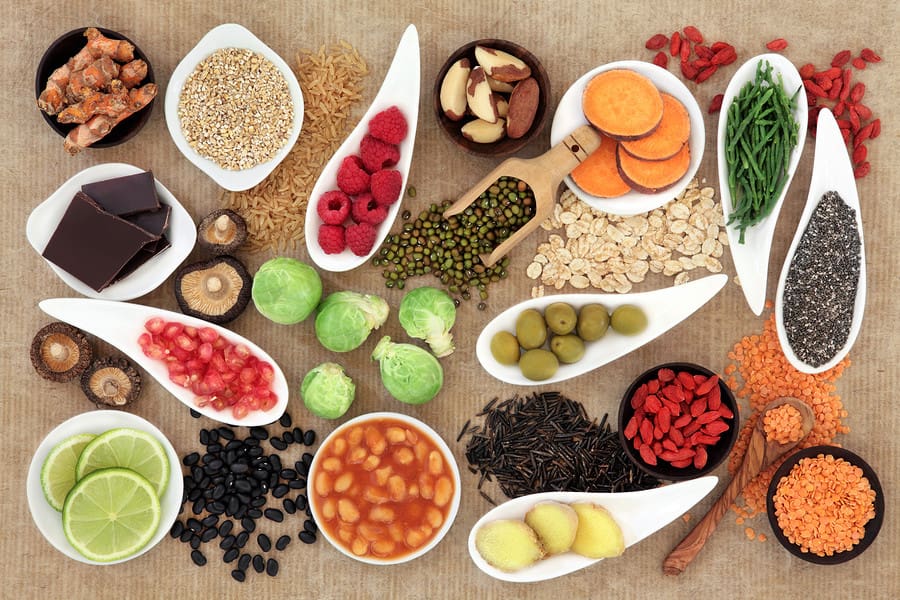
Have you ever considered how the food you eat can impact your mental well-being? Surprisingly, there is a strong connection between nutrition and mental health that often goes unnoticed. Studies have shown that a balanced diet full of nutrient-dense foods can significantly improve your mood, reduce stress, and even prevent mental health disorders. This article explores the fascinating link between nutrition and mental health, shedding light on the importance of nourishing your body to nurture your mind. So, grab a healthy snack and prepare to discover how the food you consume can have a profound impact on your mental well-being.
Nutrition and Mental Health
Good nutrition plays a crucial role in maintaining optimal mental health. The food we eat not only affects our physical well-being but also has a significant impact on our brain function and emotional state. Research has shown that there is a strong connection between diet and mental health, with certain nutrients and dietary patterns influencing cognitive function, mood, and the development of mental disorders.
The Impact of Nutrition on Mental Health
Research and studies have consistently shown that there is a direct correlation between good nutrition and mental health. Nutritional deficiencies can lead to a range of mental health issues, including depression, anxiety, and even more severe disorders such as schizophrenia. On the other hand, a diet rich in essential nutrients can help prevent and manage mental health conditions.
Diet and Mental Disorders
Multiple studies have looked at the relationship between specific dietary patterns and the prevalence of mental disorders. It has been found that a diet high in processed foods, saturated fats, and sugar is associated with an increased risk of developing mental disorders such as depression and anxiety. Conversely, a diet rich in fruits, vegetables, whole grains, lean proteins, and healthy fats has been linked to a lower risk of mental health problems.
Effects of Poor Nutrition on Mental Health
Poor nutrition, characterized by inadequate intake of essential nutrients, can have detrimental effects on mental health. Nutrient deficiencies, such as low levels of vitamins B12, D, and omega-3 fatty acids, have been linked to an increased risk of depression and other psychiatric disorders. Moreover, a diet lacking in essential nutrients can impair brain function, affecting memory, concentration, and overall cognitive performance.
The Role of Macronutrients
Macronutrients, namely carbohydrates, proteins, and fats, are essential for the proper functioning of the body and mind. Each macronutrient serves a unique role in maintaining mental health and cognitive function.
Carbohydrates and Mood
Carbohydrates are the body’s main source of energy and play a crucial role in regulating mood. They stimulate the production of serotonin, a neurotransmitter responsible for promoting feelings of happiness and well-being. Adequate consumption of complex carbohydrates, such as whole grains, fruits, and vegetables, can help stabilize mood and support overall mental health.
Proteins and Brain Function
Proteins are essential for the structure and function of the brain. They are made up of amino acids, which are the building blocks of neurotransmitters. Neurotransmitters, such as dopamine and serotonin, are crucial for proper brain communication and regulation of mood. Including adequate amounts of lean proteins, such as chicken, fish, tofu, and legumes, in your diet can support healthy brain function and prevent mood imbalances.
Fats and Cognitive Health
Healthy fats, particularly omega-3 fatty acids, are vital for brain health and cognitive function. Omega-3 fatty acids are crucial components of the brain cell membranes and play a role in neurotransmitter production. Research has shown that a deficiency in omega-3 fatty acids is associated with an increased risk of depression, anxiety, and cognitive decline. Including sources of healthy fats, such as fatty fish, nuts, seeds, and olive oil, in your diet can support optimal brain health and mental well-being.
The Role of Micronutrients
Micronutrients, including vitamins and minerals, are essential for numerous physiological processes in the body, including brain function. Adequate intake of these micronutrients is crucial for maintaining optimal mental health.
Vitamins and Minerals for Mental Health
Certain vitamins and minerals have been found to play a significant role in mental health. For example, vitamin B12 is essential for brain function and the production of neurotransmitters, while vitamin D has been linked to a lower risk of depression. Minerals like iron and zinc are also vital for brain health and the regulation of mood. Including a variety of nutrient-dense foods, such as fruits, vegetables, whole grains, and lean meats, can ensure adequate intake of these crucial micronutrients.
The Influence of Iron, Zinc, B Vitamins, and Omega-3 Fatty Acids
Iron is important for oxygen transport in the body, including to the brain, and a deficiency can lead to symptoms of fatigue, irritability, and poor concentration. Zinc is essential for neurotransmitter function and has been shown to have antidepressant effects. B vitamins, including folate, B6, and B12, are crucial for brain development and function, with deficiencies linked to an increased risk of depression and cognitive decline. Omega-3 fatty acids, particularly EPA and DHA, have been shown to have a positive impact on mood and mental health.
The Gut-Brain Axis
The gut-brain axis refers to the bidirectional communication between the gut and the brain. This connection plays a crucial role in mental health and overall well-being.
The Importance of Gut Health
A healthy gut is essential for optimal mental health. The gut is home to trillions of bacteria, collectively known as the gut microbiota, which play a crucial role in digestion, immune function, and the production of neurotransmitters. Maintaining a healthy balance of gut bacteria through a varied, fiber-rich diet can support mental health.
The Gut Microbiota and Mental Health
Recent research has highlighted the influence of the gut microbiota on mental health. Imbalances in gut bacteria, known as dysbiosis, have been associated with an increased risk of mental health disorders, including depression, anxiety, and autism spectrum disorders. Probiotics, which are beneficial bacteria found in certain foods and supplements, can help restore and maintain a healthy gut microbiota, potentially improving mental well-being.
Probiotics and Mental Well-being
Probiotics have been extensively studied for their potential to improve mental health. Research has shown that specific strains of probiotics can reduce symptoms of anxiety, depression, and stress. Consuming probiotic-rich foods, such as yogurt, kefir, sauerkraut, and kimchi, or taking probiotic supplements, may positively impact mental well-being by supporting a healthy gut microbiota.
Inflammation and Mental Health
Inflammation, typically associated with physical ailments, also plays a significant role in mental health. Chronic inflammation has been linked to the development and progression of mental disorders.
Chronic Inflammation and Mental Disorders
Chronic inflammation, which can result from poor dietary choices, obesity, and chronic stress, has been associated with an increased risk of mental disorders, including depression, anxiety, and schizophrenia. Inflammatory markers, such as C-reactive protein (CRP) and interleukin-6 (IL-6), have been found to be elevated in individuals with mental health conditions.
The Role of Anti-inflammatory Nutrients
Consuming a diet rich in anti-inflammatory nutrients can help reduce inflammation in the body and potentially improve mental health. Anti-inflammatory nutrients include omega-3 fatty acids, antioxidants (found in fruits and vegetables), and spices such as turmeric and ginger. These nutrients work by reducing the production of pro-inflammatory chemicals and supporting the body’s natural anti-inflammatory processes.
Dietary Strategies to Reduce Inflammation
In addition to consuming anti-inflammatory nutrients, adopting a balanced and nutritious diet can help reduce inflammation in the body. This includes limiting the intake of processed foods, added sugars, and unhealthy fats while emphasizing whole foods, particularly fruits, vegetables, whole grains, lean proteins, and healthy fats. Regular physical activity and stress-management techniques, such as mindfulness and meditation, can also contribute to reducing inflammation and improving mental health.
Nutrition and Specific Mental Health Conditions
Nutrition plays a vital role in the prevention and management of specific mental health conditions. Understanding the relationship between nutrition and these conditions can help guide dietary interventions and support overall mental well-being.
Depression and Nutrition
Depression is a common mental disorder that affects millions of people worldwide. Several dietary factors have been linked to depression, including low intake of omega-3 fatty acids, B vitamins, and antioxidants. Adopting a diet rich in these nutrients, along with a variety of fruits, vegetables, whole grains, and lean proteins, can potentially help alleviate depressive symptoms.
Anxiety and Diet
Anxiety disorders are characterized by excessive worry, fear, and feelings of unease. While there is no specific diet to treat anxiety, certain dietary changes can help manage symptoms. Avoiding caffeine, alcohol, and processed foods, which can exacerbate anxiety, and focusing on nutrient-dense whole foods, such as leafy greens, whole grains, and lean proteins, can support mental well-being and reduce anxiety symptoms.
ADHD and Nutritional Factors
ADHD (Attention-Deficit/Hyperactivity Disorder) is a neurodevelopmental disorder that affects both children and adults. While nutrition alone cannot treat ADHD, certain dietary factors may influence symptoms. Avoiding artificial additives, food dyes, and sugars has been suggested as a potential strategy to reduce hyperactivity and improve focus. Additionally, including nutrient-dense foods, such as lean proteins, fruits, vegetables, and whole grains, can support overall brain health and potentially alleviate ADHD symptoms.
Eating Disorders and Nutritional Interventions
Eating disorders, such as anorexia nervosa, bulimia nervosa, and binge eating disorder, are complex mental health conditions that require a multidisciplinary approach to treatment. Nutritional interventions are a crucial component of the treatment plan, aiming to restore a healthy relationship with food. Working with a registered dietitian who specializes in eating disorders can help develop an individualized meal plan that meets nutritional needs while addressing any emotional and psychological challenges related to food.
The Connection Between Food and Mood
Food has a direct impact on our mood and emotional well-being. The nutrients we consume influence the production and regulation of neurotransmitters, which are responsible for mood and emotional stability.
The Impact of Food on Mood
Certain foods can have an immediate effect on mood due to their ability to stimulate neurotransmitter production. For example, foods high in carbohydrates can temporarily boost serotonin levels, resulting in improved mood and feelings of relaxation. However, the effects of food on mood are complex, and long-term dietary patterns have a more profound impact on mental health.
Emotional Eating and Mental Health
Emotional eating is a common response to stress, anxiety, or other emotional triggers. It involves using food as a means of comfort rather than satisfying true hunger. While emotional eating may provide temporary relief, it can lead to an unhealthy relationship with food and contribute to weight gain and emotional distress. Developing healthier coping mechanisms, such as engaging in physical activity or practicing mindfulness, can help manage emotions without relying on food.
The Role of Food Addiction
Food addiction is a term used to describe an unhealthy relationship with food characterized by compulsive eating, loss of control, and cravings for certain foods. Research suggests that highly processed foods, particularly those high in added sugars and unhealthy fats, can trigger addictive-like behaviors in some individuals. Understanding the addictive nature of certain foods can help develop strategies to overcome food addiction and promote better mental health.
Promoting Mental Health through Nutrition
Adopting a balanced and nutritious diet is essential for promoting mental well-being. A few key strategies can be implemented to support optimal mental health through nutrition.
A Balanced Diet for Mental Well-being
A balanced diet is essential for overall mental well-being. This includes consuming a variety of nutrient-dense foods from all food groups, including fruits, vegetables, whole grains, lean proteins, and healthy fats. Eating a balanced diet helps ensure an adequate intake of essential nutrients that support brain function and regulate mood.
The Importance of Regular Meals
Eating regular meals throughout the day is crucial for maintaining stable blood sugar levels and preventing mood swings. Skipping meals or going long periods without eating can lead to irritability, fatigue, and difficulty concentrating. Aim to have three balanced meals and two nutritious snacks each day to support mental clarity and stable mood.
Mindful Eating and Mental Health
Practicing mindful eating involves paying attention to the present moment while eating, focusing on the sensory experience of food, and tuning into hunger and fullness cues. Mindful eating can help cultivate a healthier relationship with food, reduce emotional eating, and support overall mental well-being. Take time to savor each bite, eat slowly, and listen to your body’s signals of hunger and satiety.
Nutritional Support for Mental Health Treatment
In some cases, nutritional support may be an important component of mental health treatment. Working with a registered dietitian who specializes in mental health can help develop an individualized nutrition plan that complements other treatment modalities. Nutritional strategies, such as ensuring adequate nutrient intake, managing blood sugar levels, and incorporating specific nutrients or supplements, can support overall mental well-being.
Conclusion
Nutrition plays a significant role in mental health, impacting brain function, mood regulation, and the development of mental disorders. A balanced diet that includes a variety of nutrient-dense foods, such as fruits, vegetables, whole grains, lean proteins, and healthy fats, is vital for supporting optimal mental well-being. Understanding the connection between nutrition and mental health can empower individuals to make informed dietary choices and prioritize their mental well-being. Remember, small changes in your diet can have a big impact on your mental health, so make sure to nourish your body and mind with care.