
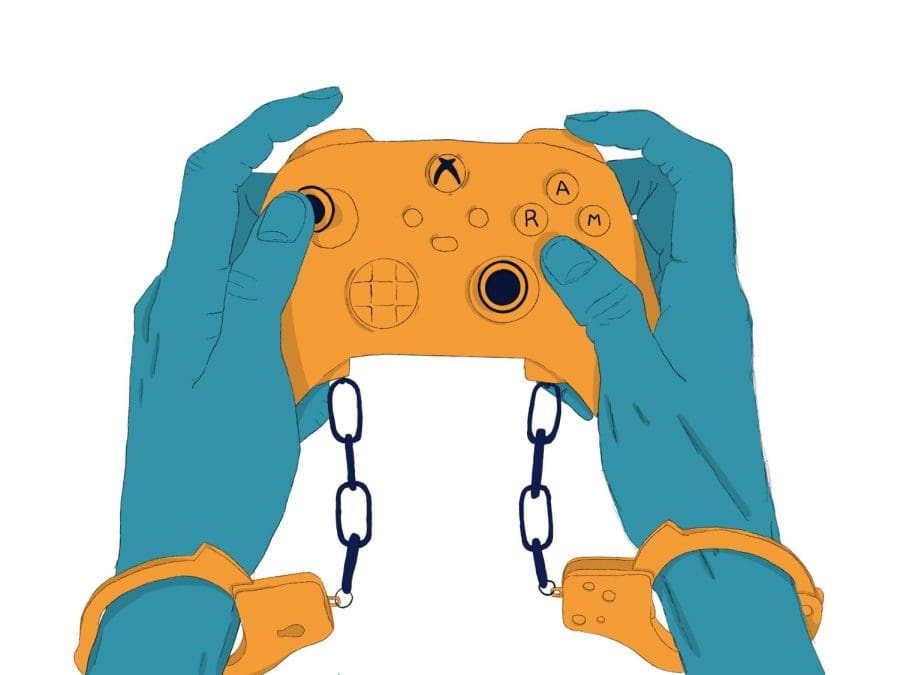
In today’s digital age, it is no surprise that the issue of gaming and screen time addiction has become increasingly prevalent, particularly among men. As more and more individuals find solace in the virtual world, it is crucial to comprehend the underlying factors contributing to this addiction and find effective ways to address it. This article aims to shed light on the phenomenon of gaming and screen time addiction in men, exploring its causes and potential consequences, while also providing practical strategies to help individuals regain control over their technology usage and lead healthier, more balanced lives.
The Impact of Gaming and Screen Time Addiction
Physical Health Effects
Excessive gaming and screen time can have a detrimental impact on physical health. Spending extended periods sitting in front of a screen leads to a sedentary lifestyle, which can contribute to weight gain, obesity, and related health issues such as cardiovascular disease and diabetes. Additionally, poor posture and repetitive movements often associated with gaming can lead to musculoskeletal problems, including neck and back pain. The lack of physical activity and outdoor exposure also increases the risk of vitamin D deficiency, weakened immune system, and lower overall fitness levels.
Mental Health Effects
The excessive use of gaming and screen time can take a toll on mental health. It may lead to increased levels of stress, anxiety, and even depression. The immersive nature of games can create a temporary escape from real-world problems, but if used as a primary coping mechanism, it can exacerbate these issues in the long run. Moreover, constantly striving to achieve virtual achievements and comparing oneself to online peers can contribute to feelings of inadequacy and low self-esteem.
Social Effects
Excessive gaming and screen time can have a negative impact on social interactions and relationships. Spending most of one’s time online and isolated from real-life social connections can lead to a sense of loneliness and detachment from the real world. This can result in difficulties in forming and maintaining meaningful relationships, both romantic and platonic. Screen time addiction may also cause individuals to neglect real-life social activities and events, further contributing to a sense of isolation and alienation.
Causes and Risk Factors
Escapism and Stress Relief
One of the main causes of gaming and screen time addiction is the desire for escapism and stress relief. Many individuals turn to gaming as a way to escape from the pressures and challenges of daily life. This form of entertainment offers a temporary respite from reality and provides a sense of control and achievement that may be lacking in other areas. Unfortunately, using gaming as the sole method of stress relief can create a dependency and lead to addiction.
Social Isolation
Social isolation can be both a cause and a consequence of gaming and screen time addiction. Some individuals may turn to online gaming as a means of connecting with others when they feel socially isolated in real life. However, excessive screen time can exacerbate the problem by further isolating individuals from face-to-face social interactions. This creates a cycle where gaming becomes the primary source of social interaction, reinforcing the addiction.
Peer Pressure
Peer pressure can also play a significant role in the development of gaming and screen time addiction. The desire to fit in and be accepted by a peer group can lead individuals to engage in excessive gaming, even if they may not have initially been inclined to do so. The constant presence of online friends and the fear of missing out on social activities within the gaming community can contribute to the addictive behaviors.
Underlying Mental Health Conditions
Underlying mental health conditions, such as depression, anxiety, or attention-deficit/hyperactivity disorder (ADHD), can increase the risk of developing gaming and screen time addiction. In some cases, individuals may turn to gaming as a means of self-medication or as a distraction from their symptoms. The repetitive and rewarding nature of gaming can provide a sense of control and temporary relief from underlying emotional or psychological issues, leading to addictive behaviors.
Signs and Symptoms of Gaming and Screen Time Addiction
Excessive Preoccupation
One of the key signs of gaming and screen time addiction is an excessive preoccupation with gaming. If you find yourself constantly thinking about gaming, planning your next gaming session, or struggling to focus on other tasks because of your desire to play, you may be exhibiting addictive behaviors. The intense craving and obsession with gaming can interfere with your daily life and responsibilities.
Withdrawal Symptoms
When addicted to gaming and screen time, individuals may experience withdrawal symptoms when they try to reduce or stop their gaming habits. These symptoms can range from restlessness and irritability to anxiety and depression. Individuals may also have difficulty sleeping or experience intense cravings to return to gaming. These withdrawal symptoms are a clear indication of addiction and can make it challenging to break free from the cycle.
Neglecting Responsibilities
Another telltale sign of gaming and screen time addiction is neglecting important responsibilities and obligations. If you find yourself consistently missing deadlines, neglecting work or school assignments, or neglecting household chores because of your gaming habits, it may be a sign that your addiction is negatively impacting your ability to function effectively in various areas of your life.
Interference with Relationships
Gaming addiction often leads to a disruption in relationships. If you find yourself spending an excessive amount of time gaming, to the detriment of spending quality time with loved ones, it can strain relationships. Neglecting social activities, missing out on family gatherings, or constantly choosing gaming over spending time with friends and family are signs that your addiction is negatively affecting your relationships.
Loss of Interest in Other Activities
When gaming and screen time addiction takes hold, individuals often lose interest in previously enjoyed activities. Hobbies, sports, and other recreational activities that once brought joy may begin to feel lackluster or unimportant in comparison to gaming. This loss of interest in other activities is a red flag that your addiction has started to dominate your life and impact your overall enjoyment.
The Male Perspective
Prevalence in Men
Gaming and screen time addiction is more prevalent among men compared to women. This disparity can be attributed to various factors, including the higher interest and engagement of men in competitive online gaming communities. Additionally, societal norms and expectations often place a greater emphasis on boys and men participating in gaming culture, leading to increased exposure and likelihood of developing addictive behaviors.
Societal and Cultural Factors
Societal and cultural factors also contribute to the higher prevalence of gaming addiction in men. Traditional gender roles tend to emphasize the importance of competition, achievement, and dominance. Online gaming provides a platform where men can fulfill these expectations and find a sense of empowerment and control. Moreover, society often stigmatizes men for expressing vulnerability or seeking help, making it more difficult for men to address and overcome their addiction.
Understanding the Appeal of Gaming and Screen Time
Virtual Achievements and Rewards
One of the reasons gaming and screen time addiction can be so enticing is the virtual achievements and rewards that come with it. Games are designed to provide a sense of accomplishment, whether it’s leveling up, unlocking new abilities, or achieving high scores. These rewards tap into the innate human desire for recognition and progression, offering a constant stream of positive reinforcement that can be highly addictive.
Social Interaction and Connection
Gaming and screen time also offer opportunities for social interaction and connection, which can be particularly appealing for individuals who struggle with face-to-face socializing. Online multiplayer games provide a platform to connect and collaborate with others around the world, fostering a sense of camaraderie and belonging. For some, the online community becomes a second family, further reinforcing the desire to spend more time gaming.
Sense of Purpose and Fulfillment
In the virtual world of gaming, individuals can assume roles and identities that may be different from their real-life situations. This ability to create and control a character or avatar offers a sense of purpose and fulfillment that may be lacking in other areas of life. Whether it’s leading a team to victory, saving the world, or solving complex puzzles, gaming provides individuals with a sense of agency and accomplishment, leading to addictive behaviors.
Recognizing and Addressing Gaming and Screen Time Addiction
Self-Assessment and Awareness
The first step in addressing gaming and screen time addiction is recognizing the problem and becoming aware of its impact on your life. Take the time to honestly evaluate your gaming habits and the consequences they have on your physical and mental health, relationships, and overall well-being. Self-reflection and awareness are crucial for motivating yourself to make a change.
Seeking Professional Help
If you find yourself struggling to overcome gaming addiction on your own, seeking professional help is highly recommended. Mental health professionals, such as therapists or counselors, can provide valuable guidance and support in overcoming addiction. They can help you develop coping mechanisms, identify underlying emotional or psychological issues, and create a personalized treatment plan to address the addiction.
Behavioral Therapies
Behavioral therapies, such as cognitive-behavioral therapy (CBT), have proven to be effective in treating gaming addiction. CBT helps individuals identify and modify unhealthy thought patterns and behaviors associated with addiction. By challenging and replacing negative thoughts and developing healthier coping strategies, individuals can break free from the cycle of addiction and regain control of their lives.
Support Groups and Peer Support
Joining support groups or seeking peer support can be incredibly beneficial for individuals struggling with gaming addiction. Sharing experiences and challenges with others who have gone through similar struggles provides a sense of belonging and understanding. Peer support can also offer valuable insights and strategies for overcoming addiction, as well as motivation and encouragement throughout the recovery process.
Lifestyle Changes and Alternative Activities
Addressing gaming and screen time addiction often requires making significant lifestyle changes. This may include limiting screen time, setting boundaries, and creating a healthier balance between gaming and other activities. Engaging in alternative activities, such as exercise, hobbies, or socializing with friends, can help fill the void left by reduced screen time and provide healthier outlets for stress relief and enjoyment.
Prevention and Education
Promoting Healthy Screen Time Habits
Prevention is crucial when it comes to gaming and screen time addiction. Promoting healthy screen time habits from an early age can help individuals develop a healthy relationship with technology. Encouraging regular breaks, setting time limits, and establishing rules around screen time can help prevent excessive use and the potential development of addictive behaviors.
Parental Involvement and Monitoring
Parents play a vital role in preventing and addressing gaming addiction in their children. Actively engaging in their children’s gaming activities, understanding the games they play, and setting clear limits and boundaries can significantly reduce the risk of addiction. Regularly monitoring screen time, encouraging a healthy balance of activities, and fostering open communication around gaming habits are essential for prevention.
Educating about the Risks and Consequences
Education is key in raising awareness about the risks and consequences of gaming and screen time addiction. Providing accurate information to individuals, families, and communities helps dispel myths and misconceptions surrounding this issue. Educating about the potential negative impact on physical and mental health, relationships, and overall well-being can empower individuals to make healthier choices and seek help when needed.
The Role of Technology in Addressing Addiction
Screen Time Tracking Apps
Screen time tracking apps can be helpful tools in addressing addiction. These apps allow individuals to monitor their screen time and track their usage patterns. By providing insights into the amount of time spent on gaming and other activities, individuals can become more aware of their habits and make informed decisions about their screen time.
In-built Parental Controls
Most gaming consoles and devices have built-in parental controls that allow parents to set limits on screen time, restrict access to certain games or content, and enforce age-appropriate restrictions. Utilizing these features can assist parents in preventing excessive gaming and screen time in their children and promoting a healthy balance.
Mindfulness and Meditation Apps
Practicing mindfulness and meditation can be beneficial for individuals struggling with gaming addiction. Mindfulness apps provide guided meditation exercises and techniques to help individuals find calm and self-awareness. These apps can also help individuals develop healthier coping mechanisms and reduce the desire to rely on gaming as a means of escape or stress relief.
Supporting Men with Gaming and Screen Time Addiction
Creating Safe Spaces for Discussion
Creating safe spaces for men to discuss their gaming addiction is crucial in breaking down stigma and encouraging help-seeking behavior. By fostering open and non-judgmental conversations, men can feel more comfortable sharing their struggles and seeking support from others who have similar experiences. These safe spaces can be physical support groups, online communities, or even dedicated helplines.
Reducing Stigma and Seeking Help
Reducing the stigma surrounding gaming addiction is essential in supporting men on their journey to recovery. Challenging societal expectations and traditional notions of masculinity that discourage vulnerability and seeking help can empower men to reach out and address their addiction. Public education campaigns, media representation, and testimonials from individuals who have successfully overcome gaming addiction can play a significant role in destigmatization.
Promoting Healthy Coping Mechanisms
Encouraging the development of healthy coping mechanisms is key to supporting men with gaming addiction. Providing resources and information on alternative activities, such as sports, hobbies, or creative outlets, can help individuals channel their energy and find fulfillment in healthier ways. By promoting positive coping strategies, men can build resilience and reduce their reliance on gaming as a sole means of stress relief or escape.
Conclusion
The importance of awareness and intervention in understanding and addressing gaming and screen time addiction in men cannot be overstated. By acknowledging the physical, mental, and social impacts of addiction, recognizing the factors that contribute to its development, and understanding the appeal of gaming, we can empower men to overcome addiction. Through self-assessment, professional help, behavioral therapies, and support systems, men can break free from the grips of addiction and regain control of their lives. By promoting prevention and education, utilizing technology responsibly, and creating supportive environments, we can work towards a future where men are equipped with the tools and resources necessary to lead healthy and fulfilling lives.