
Are you looking to take control of your reproductive health? Look no further than “The Ultimate Guide To Women’s Reproductive Health.” This comprehensive guide covers everything from menstrual cycles to pregnancy, providing you with the knowledge and understanding you need to make informed decisions about your well-being. Whether you’re a young woman just starting to navigate the world of reproductive health or someone who wants to deepen their understanding of their own body, this guide is your go-to resource. Get ready to empower yourself and take charge of your reproductive health journey.
Understanding the Female Reproductive System
The female reproductive system plays a vital role in the creation of life. It consists of various organs and structures that work together to facilitate the fertilization of an egg and sustain a pregnancy. Understanding how the female reproductive system functions is essential for every woman, as it empowers them to take control of their reproductive health and make informed decisions about their bodies.
The Basics of the Female Reproductive System
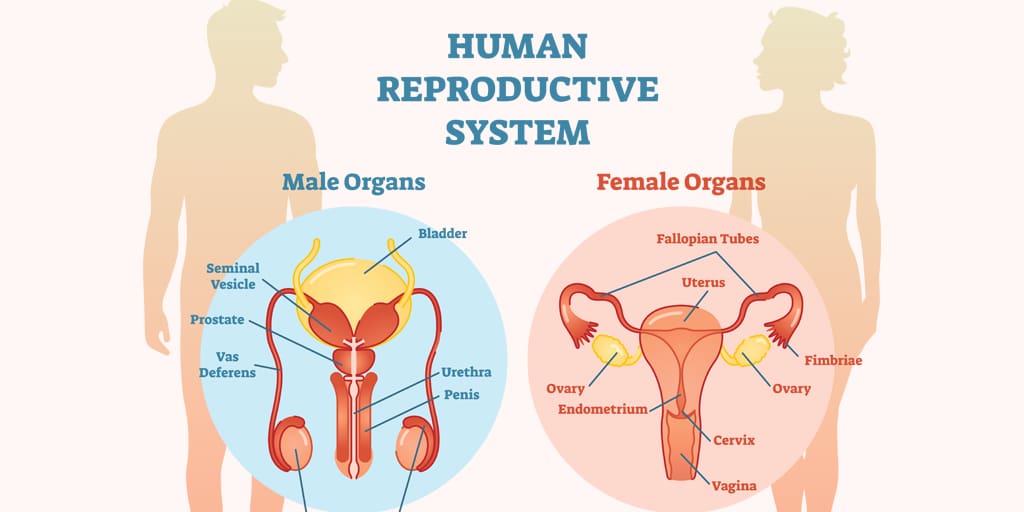
The female reproductive system consists of several key components, including the ovaries, fallopian tubes, uterus, cervix, and vagina. Each of these structures has its own unique function in the reproductive process.
The ovaries, often referred to as the “egg producers,” are a pair of small, almond-shaped organs located on either side of the uterus. They release eggs during menstruation and produce female hormones such as estrogen and progesterone.
The fallopian tubes serve as a pathway for the eggs to travel from the ovaries to the uterus. Fertilization occurs within the fallopian tubes when sperm meets the egg.
The uterus, also known as the womb, is a pear-shaped organ where a fertilized egg implants and grows into a fetus. It undergoes changes throughout a woman’s menstrual cycle to prepare for potential pregnancy.
The cervix acts as the gateway between the uterus and the vagina. It produces mucus that changes consistency during different stages of the menstrual cycle, aiding in sperm transport and protecting the uterus from infections.
Lastly, the vagina is the birth canal and the opening where menstrual blood exits the body. It also plays a crucial role in sexual intercourse and pleasure.
The Menstrual Cycle
The menstrual cycle is a monthly process that prepares the female body for pregnancy. It involves a series of hormonal and physical changes that occur in response to the release of an egg from the ovaries.
The menstrual cycle begins on the first day of menstruation, which is the shedding of the uterine lining that occurs when pregnancy does not occur. During this time, hormone levels drop, leading to the shedding of the old uterine lining in the form of menstrual blood.
Following menstruation, the uterus begins to build a new lining through the process of ovulation. Ovulation occurs when an egg is released from one of the ovaries and travels into the fallopian tube. This is the most fertile period of the menstrual cycle, as it is when fertilization can occur.
If fertilization does not occur, the hormone progesterone rises to support the potential pregnancy. However, if fertilization does occur, the fertilized egg implants into the uterine lining, leading to pregnancy.
Hormones and Their Role in Reproduction
Hormones play a crucial role in regulating the female reproductive system and facilitating the reproductive process. There are several key hormones involved, including estrogen, progesterone, follicle-stimulating hormone (FSH), and luteinizing hormone (LH).
Estrogen is responsible for the development and maintenance of female sexual characteristics. It also stimulates the growth of the uterine lining and promotes ovulation.
Progesterone helps prepare the uterus for pregnancy by thickening the uterine lining and maintaining a supportive environment for the fertilized egg.
FSH and LH are hormones released by the pituitary gland. FSH stimulates the growth of ovarian follicles, which contain the eggs. LH triggers ovulation and the release of the egg from the follicle.
By understanding the role of hormones in reproduction, women can better comprehend their menstrual cycle and identify any potential hormonal imbalances that may impact their reproductive health.
Maintaining a Healthy Menstrual Cycle
Maintaining a healthy menstrual cycle is crucial for a woman’s overall reproductive health. A regular and healthy menstruation is a sign of a well-functioning reproductive system, while irregularities or abnormalities may indicate an underlying issue that requires attention.
The Importance of Regular and Healthy Menstruation
Regular and healthy menstruation is not only a sign of a healthy reproductive system but also a key aspect of a woman’s overall well-being. Regular periods typically occur every 21 to 35 days and last for around 2 to 7 days. Any significant deviations from this pattern may warrant further investigation.
Healthy menstruation involves the proper balance of hormones and a normal flow of blood. Excessive or prolonged bleeding, severe cramping, or irregular cycles may indicate conditions like polycystic ovary syndrome (PCOS), endometriosis, or uterine fibroids. It is essential to track your periods and keep note of any changes in order to discuss them with your healthcare provider.
Managing Menstrual Symptoms
Many women experience various symptoms before and during their menstrual period. These symptoms, collectively known as premenstrual syndrome (PMS), can range from mild to severe and may include mood swings, bloating, breast tenderness, and fatigue.
Fortunately, there are several self-care measures and treatments available to help manage these symptoms. Regular exercise, a balanced diet, stress management techniques, and over-the-counter pain relievers can all contribute to alleviating the discomfort associated with PMS.
For more severe symptoms, hormonal contraceptives or medications prescribed by a healthcare provider may be recommended. It’s important to consult with a healthcare professional to determine the most appropriate treatment for individual needs.
Menstrual Hygiene
Maintaining good menstrual hygiene is essential for the overall health and well-being of women during their menstruation. Proper hygiene practices can help prevent infections and ensure a comfortable experience.
Using sanitary pads, tampons, or menstrual cups is necessary to absorb menstrual flow and keep external clothing clean. It is crucial to change these products regularly, typically every 4 to 6 hours, to prevent bacterial growth and avoid leaks.
Additionally, washing the genital area with water and mild soap is important to maintain cleanliness. Avoid using scented products or douches, as they can disrupt the natural pH balance of the vagina and increase the risk of infections.
Overall, paying attention to menstrual hygiene and adopting healthy habits during menstruation is key for maintaining a woman’s reproductive health and well-being.
Contraception and Family Planning
Contraception plays a significant role in family planning and allows individuals to make choices about if and when to have children. Understanding the different contraceptive methods available, choosing the right one for you, and being informed about emergency contraception and fertility awareness methods are all essential aspects of reproductive health.
Understanding Different Contraceptive Methods
There are numerous contraceptive methods available, each with its own benefits, effectiveness rates, and considerations. Some common methods include hormonal contraceptives (e.g., birth control pills, patches, injections), barrier methods (e.g., condoms, diaphragms), intrauterine devices (IUDs), and sterilization.
Hormonal contraceptives work by altering hormone levels to prevent ovulation or interfere with the fertilization process. Barrier methods physically block sperm from reaching the egg, while IUDs are small devices inserted into the uterus to prevent pregnancy.
Sterilization methods, such as tubal ligation for women or vasectomy for men, are permanent forms of contraception and should be considered only when one is certain about not wanting any more children.
Choosing the Right Contraception for You
Choosing the right contraception for an individual largely depends on factors such as personal preferences, medical history, lifestyle, and contraceptive effectiveness. It is essential to have open and honest discussions with healthcare providers to determine the most suitable method.
For individuals seeking long-term contraception, options like IUDs and implants are highly effective and low-maintenance. On the other hand, those who prefer non-hormonal methods may opt for barrier methods or natural family planning techniques.
Understanding the pros and cons of each method, including potential side effects or risks, can help individuals make informed decisions about their reproductive health.
Emergency Contraception
Emergency contraception, commonly known as the “morning-after pill,” is a method used to prevent pregnancy after unprotected sex or contraceptive failure. It is intended for use within a few days following unprotected sex and is not meant to be used as a routine form of contraception.
Emergency contraception is available over-the-counter without a prescription for individuals of any age in most countries. However, it is crucial to remember that it is not 100% effective and may not prevent all pregnancies.
Fertility Awareness Methods
Fertility awareness methods involve tracking and monitoring various signs of fertility to identify the most fertile days in the menstrual cycle. These methods can be used either to conceive or to avoid pregnancy, depending on an individual’s goals.
Methods include tracking basal body temperature, monitoring cervical mucus changes, and using ovulation prediction kits. While fertility awareness methods can be effective when used correctly, they require a high level of commitment, consistency, and understanding of the menstrual cycle.
Educating oneself about fertility awareness methods and seeking guidance from healthcare professionals or fertility awareness educators is crucial for maximizing effectiveness and reducing the risk of unintended pregnancies.
Common Reproductive Health Disorders
Reproductive health disorders can significantly impact a woman’s quality of life and reproductive capabilities. Awareness of common conditions such as polycystic ovary syndrome (PCOS), endometriosis, uterine fibroids, and pelvic inflammatory disease (PID) is important for early detection, diagnosis, and treatment.
Polycystic Ovary Syndrome (PCOS)
PCOS is a hormonal disorder characterized by the presence of multiple cysts on the ovaries. It can disrupt the normal ovulation process and cause symptoms such as irregular periods, excessive hair growth, acne, and weight gain.
Diagnosis of PCOS typically involves a combination of medical history evaluation, physical examination, and blood tests to assess hormone levels. Treatment may involve hormonal birth control to regulate menstrual cycles, lifestyle modifications like diet and exercise, and medications to manage specific symptoms.
Endometriosis
Endometriosis is a condition in which the tissue that normally lines the uterus grows outside of it. This can lead to severe pelvic pain, heavy or irregular periods, and fertility problems.
Diagnosis of endometriosis often involves a combination of medical history evaluation, pelvic exams, imaging tests, and minimally invasive procedures like laparoscopy. Treatment options include pain medication, hormonal therapies, or surgery to remove the abnormal tissue.
Fibroids
Uterine fibroids are non-cancerous growths that develop within the wall of the uterus. They can vary in size and number and may cause symptoms such as heavy menstrual bleeding, pelvic pain, and bladder or bowel issues.
Treatment for fibroids depends on factors such as symptom severity, the size and location of the fibroids, and individual preferences. Options may include medication, procedures to shrink or remove the fibroids, or, in severe cases, hysterectomy (removal of the uterus).
Pelvic Inflammatory Disease (PID)
PID is an infection of the female reproductive organs, usually caused by sexually transmitted infections (STIs) such as chlamydia or gonorrhea. Untreated PID can lead to serious complications, including infertility and chronic pelvic pain.
Diagnosis of PID typically involves a combination of medical history evaluation, pelvic examination, and laboratory tests. Treatment involves antibiotics to clear the infection and prevent further complications.
Pregnancy and Prenatal Care
Pregnancy is an exciting and transformative journey for women. Understanding what to expect during pregnancy, how to prepare for it, the importance of nutrition and exercise, and the role of prenatal care are all essential aspects of a healthy pregnancy.
Preparing for Pregnancy
Preparing for pregnancy involves taking proactive steps to ensure a healthy and successful journey. This includes maintaining a balanced diet, being physically active, getting regular exercise, managing stress, and avoiding harmful substances such as alcohol, tobacco, and certain medications.
Additionally, it is important to discuss any pre-existing medical conditions or medications with a healthcare provider, as they may affect the pregnancy or require adjustments in treatment.
What to Expect During Pregnancy
Pregnancy brings about various physical and emotional changes as the body undergoes significant transformations to support the growing baby. Understanding the different stages of pregnancy, typical symptoms, and changes in the body can help women navigate this unique experience.
The first trimester is marked by early pregnancy symptoms such as fatigue, breast tenderness, and morning sickness. The second trimester is often considered the most enjoyable, as many women experience a decrease in early symptoms and an increase in energy levels. The third trimester brings about the final preparations for childbirth, along with physical discomforts like backaches and increased pressure on the abdomen.
Educating oneself about the changes that occur during pregnancy and what is considered normal is crucial for maintaining a healthy and informed pregnancy.
Nutrition and Exercise During Pregnancy
Maintaining a healthy diet and engaging in regular physical activity are vital components of a healthy pregnancy. Proper nutrition during pregnancy ensures that the developing baby receives essential nutrients for growth and development while promoting the overall well-being of the mother.
A balanced diet should consist of a variety of fruits, vegetables, whole grains, lean proteins, and healthy fats. It is also important to stay hydrated and limit the consumption of caffeine and certain fish known to contain high levels of mercury.
Regular exercise during pregnancy can provide numerous benefits, including improved mood, increased energy levels, better sleep, and enhanced muscle tone. However, it is vital to consult with a healthcare provider before starting or modifying an exercise routine during pregnancy to ensure safety and appropriateness.
Prenatal Care and Visits
Prenatal care plays a crucial role in monitoring the health of both the mother and the baby throughout pregnancy. Regular prenatal appointments with healthcare providers allow for the assessment of maternal health, monitoring of fetal growth and development, and addressing any concerns or complications that may arise.
During prenatal visits, healthcare providers typically perform physical examinations, order necessary tests or screenings, discuss any potential lifestyle modifications, and provide guidance on managing common pregnancy discomforts. These visits also provide an opportunity to discuss prenatal classes, birthing plans, and postpartum care.
Attending regular prenatal visits, following healthcare provider recommendations, and maintaining open communication are integral to ensuring a healthy pregnancy and positive birth experience.
Common Pregnancy Complications
While most pregnancies progress smoothly, some women may experience complications that require medical attention. Being aware of common pregnancy complications, such as gestational diabetes, preeclampsia, miscarriage, and ectopic pregnancy, is crucial for early detection and appropriate management.
Gestational Diabetes
Gestational diabetes is a condition characterized by high blood sugar levels that occur during pregnancy. It can increase the risk of complications for both the mother and the baby if left untreated.
Regular prenatal screenings, including glucose tolerance tests, help identify gestational diabetes. Treatment may involve dietary modifications, exercise, blood sugar monitoring, and, in some cases, medication to ensure blood sugar levels remain within a healthy range.
Preeclampsia
Preeclampsia is a pregnancy disorder characterized by high blood pressure and damage to organs such as the liver and kidneys. It typically occurs after the 20th week of pregnancy and can pose serious risks to both the mother and the baby if not timely diagnosed and managed.
Symptoms of preeclampsia may include swelling, sudden weight gain, severe headaches, and vision changes. Regular prenatal appointments and blood pressure monitoring are vital for early detection. Treatment may involve bed rest, medication, and, in severe cases, delivery of the baby to protect the health of the mother.
Miscarriage
Miscarriage refers to the loss of a pregnancy before the 20th week. It is relatively common and can be emotionally challenging for many women and couples.
Miscarriages often occur due to genetic abnormalities or other factors that are beyond one’s control. Symptoms may include vaginal bleeding, cramping, and the passing of tissue. It is important to seek medical attention if experiencing any signs of a miscarriage.
Emotional support and counseling are essential for individuals and couples who have experienced a miscarriage. In subsequent pregnancies, close monitoring and early prenatal care can help minimize the risk of recurrent miscarriages.
Ectopic Pregnancy
Ectopic pregnancy occurs when a fertilized egg implants and grows outside the uterus, typically in the fallopian tubes. This can be a life-threatening condition if not diagnosed and treated promptly.
Symptoms of an ectopic pregnancy may include abdominal pain, vaginal bleeding, and shoulder pain. An ectopic pregnancy requires immediate medical attention, as it cannot develop into a viable pregnancy and can result in a ruptured fallopian tube.
Diagnosis usually involves a combination of medical history evaluation, physical examination, blood tests, and ultrasound. Treatment options range from medication to surgery, depending on the severity and stability of the ectopic pregnancy.
Labor, Delivery, and Postpartum Care
Labor, delivery, and postpartum care are important phases in the journey of bringing a child into the world. Understanding the stages of labor, pain relief options, procedures such as cesarean sections, and the recovery process is crucial for both expectant mothers and their partners.
The Stages of Labor
Labor typically consists of three stages: the early stage, the active stage, and the delivery of the placenta. During the early stage, contractions begin to intensify and cervical dilation occurs. The active stage involves further cervical dilation and stronger, closer-together contractions.
The final stage is the delivery of the placenta, which occurs soon after the birth of the baby. Each stage of labor is unique and may vary in duration and intensity. It is crucial to understand the signs of labor, such as water breaking, regular contractions, and bloody show, and seek medical attention when necessary.
Labor Pain Relief Options
Pain relief during labor is a personal choice and can vary depending on cultural, personal, and medical factors. There are various options available, ranging from natural methods and non-medicated techniques to medical interventions and pain medications.
Non-medicated pain relief options include relaxation exercises, breathing techniques, massage, hydrotherapy, and the use of birthing balls. Medical pain relief options may include epidurals, intravenous medications, or nitrous oxide.
It is important to discuss pain relief preferences with healthcare providers and create a birth plan that aligns with personal expectations and needs.
Cesarean Section
A cesarean section, commonly known as a C-section, is a surgical procedure in which an incision is made in the abdomen and uterus to deliver the baby. This procedure is typically performed when vaginal delivery poses risks to the mother or baby.
C-sections may be planned in advance or become necessary during labor due to various factors such as fetal distress, breech position, or maternal health complications. It is essential to understand the reasons for a C-section, the procedure itself, and the recovery process to be prepared for this possibility.
Recovering from Delivery
Recovering from childbirth is a unique experience for every woman. Understanding the physical and emotional changes that occur during the postpartum period can help women navigate this transition more effectively.
Physical recovery involves healing from any incisions or tears, managing postpartum bleeding, and adapting to breastfeeding or bottle-feeding. It is crucial to get plenty of rest, eat a nutritious diet, and engage in gentle exercises as advised by healthcare providers.
Additionally, adjusting to the emotional changes that may arise after childbirth, such as postpartum blues or postpartum depression, is equally important. Seeking support from loved ones, joining postpartum support groups, or consulting with mental health professionals can help manage these emotional challenges.
Breastfeeding and Lactation
Breastfeeding provides numerous benefits for both the mother and the baby. Understanding the basics of breastfeeding, proper positioning and latching techniques, and common challenges can help foster a successful breastfeeding journey.
Breast milk is the ideal source of nutrition for newborns, providing essential antibodies, nutrients, and bonding opportunities. Seeking guidance from lactation consultants, attending breastfeeding classes, and enlisting support from healthcare providers or breastfeeding support groups can help address any breastfeeding difficulties and ensure a positive experience.
Sexually Transmitted Infections (STIs)
Sexually transmitted infections (STIs) can affect women of all ages and have serious health consequences if left untreated. Understanding the different types of STIs, prevention strategies, and the importance of regular testing and treatment is crucial for maintaining sexual health.
Types of STIs
There are numerous types of STIs, including chlamydia, gonorrhea, syphilis, human papillomavirus (HPV), herpes, and human immunodeficiency virus (HIV). Each STI has its own methods of transmission, symptoms, and potential health complications.
Common symptoms of STIs include unusual vaginal discharge, genital sores or warts, pain during urination, or flu-like symptoms. However, many STIs can be asymptomatic, making regular testing essential for early detection and treatment.
Prevention and Safe Sex Practices
Preventing STIs involves practicing safe sex and adopting healthy sexual behaviors. Strategies include consistent and correct use of condoms, discussing sexual history with partners, limiting the number of sexual partners, and getting vaccinated against STIs such as HPV.
Open communication with partners about sexual health and regular testing can help reduce the risk of STI transmission. It is important to remember that abstinence is the only foolproof way to avoid STIs entirely.
STI Testing and Treatment
Regular STI testing is a crucial aspect of maintaining sexual health. Testing can detect the presence of STIs even in the absence of symptoms, allowing for timely treatment and prevention of further spread.
STI testing involves various methods, including blood tests, urine samples, and swabs from genital areas. Many healthcare providers offer confidential and discrete testing services.
If an STI is detected, treatment options depend on the specific infection. Treatment typically involves medication to eliminate the infection, prevent complications, and reduce the risk of transmission to sexual partners. It is important to complete the prescribed treatment and follow up with healthcare providers to ensure effectiveness.
Menopause and Aging
Menopause is a natural biological process that marks the end of a woman’s reproductive years. Understanding the symptoms and changes associated with menopause, managing menopausal symptoms, maintaining bone health, and addressing sexual health are important considerations as women age.
Understanding Menopause and its Symptoms
Menopause occurs when the ovaries stop releasing eggs and hormone production declines, leading to the cessation of menstrual periods. The average age of menopause is around 51 years, although it can vary.
Menopausal symptoms commonly include hot flashes, night sweats, mood swings, vaginal dryness, and changes in sexual desire. These symptoms can vary in severity and duration, impacting a woman’s quality of life.
Understanding the normal physiological changes associated with menopause can help women navigate this transition with greater ease and seek appropriate support or treatment as needed.
Managing Menopausal Symptoms
Many women experience menopausal symptoms that can significantly impact their daily lives. Fortunately, there are various self-care measures, lifestyle modifications, and medical treatments available to manage these symptoms effectively.
Healthy lifestyle habits, such as regular exercise, a balanced diet, stress management, and getting enough sleep, can significantly alleviate menopausal symptoms. Avoidance of triggers like alcohol, caffeine, and spicy foods may also help reduce the frequency and severity of symptoms.
For women experiencing severe or persistent symptoms, hormone replacement therapy (HRT) may be recommended. HRT involves taking prescribed medications to replenish hormone levels and alleviate menopausal symptoms.
It is essential to consult with healthcare providers to explore the most suitable management options based on individual circumstances and health considerations.
Maintaining Bone Health
Bone health is a significant aspect of women’s health as they age, particularly during and after menopause. Decreased estrogen levels during menopause can contribute to bone loss and increase the risk of osteoporosis, a condition characterized by weakened and brittle bones.
To maintain optimal bone health, it is important to ensure an adequate intake of calcium and vitamin D through diet and supplements if necessary. Engaging in weight-bearing exercises, such as walking or lifting weights, can also help strengthen bones.
In some cases, healthcare providers may recommend bone density testing and prescribe medications to prevent or treat osteoporosis. Regular check-ups and discussions with healthcare providers are crucial for assessing and addressing individual bone health needs.
Sexual Health and Aging
Sexual health remains important throughout a woman’s life, including during and after menopause. While natural changes may occur with aging, addressing sexual health concerns and maintaining intimacy is essential for overall well-being.
Vaginal dryness and discomfort during intercourse are common concerns for many women experiencing menopause. Over-the-counter lubricants or moisturizers can help alleviate these symptoms. Additionally, healthcare providers may recommend vaginal estrogen therapy to address specific vaginal changes.
Open communication with partners about sexual desires, concerns, and expectations is crucial for maintaining intimacy. Seeking support from healthcare providers or therapists who specialize in sexual health can also be beneficial in addressing any challenges that arise.
Cancer Prevention and Screening
Cancer prevention and regular screening are vital components of women’s reproductive health. Understanding the risks, signs, and screening options for breast, cervical, and ovarian cancers can help detect these diseases at an early stage and ensure timely intervention.
Breast Cancer
Breast cancer is one of the most common cancers in women and affects both younger and older populations. Understanding the risk factors, recognizing symptoms, and undergoing regular screening are essential for early detection and treatment.
Risk factors for breast cancer include a family history of the disease, certain gene mutations, hormonal factors, and lifestyle factors such as obesity and alcohol consumption. It is important to be aware of any changes in breast appearance or feel, including lumps, nipple discharge, or skin changes, and seek medical attention for further evaluation.
Regular mammograms, clinical breast examinations, and breast self-exams are recommended for breast cancer screening. Awareness of personal risk factors and discussions with healthcare providers about appropriate screening intervals are crucial for personalized care.
Cervical Cancer
Cervical cancer is a preventable disease primarily caused by the human papillomavirus (HPV). Understanding the risk factors, signs, and importance of regular cervical cancer screenings through Pap smears or HPV testing is crucial for early detection and prevention.
Risk factors for cervical cancer include HPV infection, multiple sexual partners, smoking, and a weakened immune system. Regular screenings, starting at the recommended age or as advised by healthcare providers, can help detect precancerous changes in the cervix before they progress to cancer.
The HPV vaccine is another important preventive measure that can significantly reduce the risk of cervical cancer. It is typically recommended for individuals in their early teens but can be given up to age 26 for those who have not been previously vaccinated.
Ovarian Cancer
Ovarian cancer is a relatively rare but potentially aggressive form of cancer that primarily affects older women. Being aware of risk factors, recognizing symptoms, and discussing appropriate early detection methods with healthcare providers can aid in the timely diagnosis and management of ovarian cancer.
Risk factors for ovarian cancer include a family history of the disease, genetic mutations, age, and certain reproductive factors. Symptoms often present at later stages and may include abdominal bloating, pelvic pain, changes in bowel or bladder habits, and feeling full quickly.
While there is currently no reliable screening test for ovarian cancer, healthcare providers may recommend imaging tests, blood tests, or genetic counseling for women at higher risk. Maintaining open communication with healthcare providers and reporting any concerning symptoms promptly is crucial for early detection and intervention.
Screening Tests and Early Detection
Regular screening tests and early detection play a crucial role in preventing or detecting reproductive cancers at an early stage when treatment is most effective. Following recommended guidelines for breast, cervical, and ovarian cancer screenings based on personal and family history is important for proactive reproductive health care.
Breast cancer screening typically involves mammograms, clinical breast exams, and breast self-exams. Cervical cancer screenings generally include Pap smears or HPV testing. Ovarian cancer does not have a consistent screening test, but selected imaging tests or genetic counseling may be recommended for individuals at higher risk.
Adhering to recommended screening guidelines, understanding personal risk factors, and promptly seeking medical attention for any concerning symptoms can significantly improve outcomes and increase chances of successful treatment.
In conclusion, understanding and prioritizing women’s reproductive health are vital for overall well-being and quality of life. The comprehensive information provided in this guide serves as a valuable resource for women of all ages, empowering them to take control of their reproductive health, make informed decisions, and seek appropriate care throughout their reproductive journey. By understanding the female reproductive system, maintaining a healthy menstrual cycle, practicing contraception and family planning, addressing common reproductive health disorders, preparing for pregnancy, navigating pregnancy complications, and embracing postpartum care, women can prioritize their reproductive health and enjoy optimal well-being at every stage of life.