
Are you seeking a natural way to care for your skin and maintain a healthy glow? Look no further! In this article, we will explore the best ways to preventively care for your skin using all-natural methods. Say goodbye to harsh chemicals and hello to a radiant complexion. From nourishing your skin from within to using only the finest ingredients, we have your skincare needs covered. So, grab a cup of tea, sit back, and let us guide you on your journey to healthy and beautiful skin.
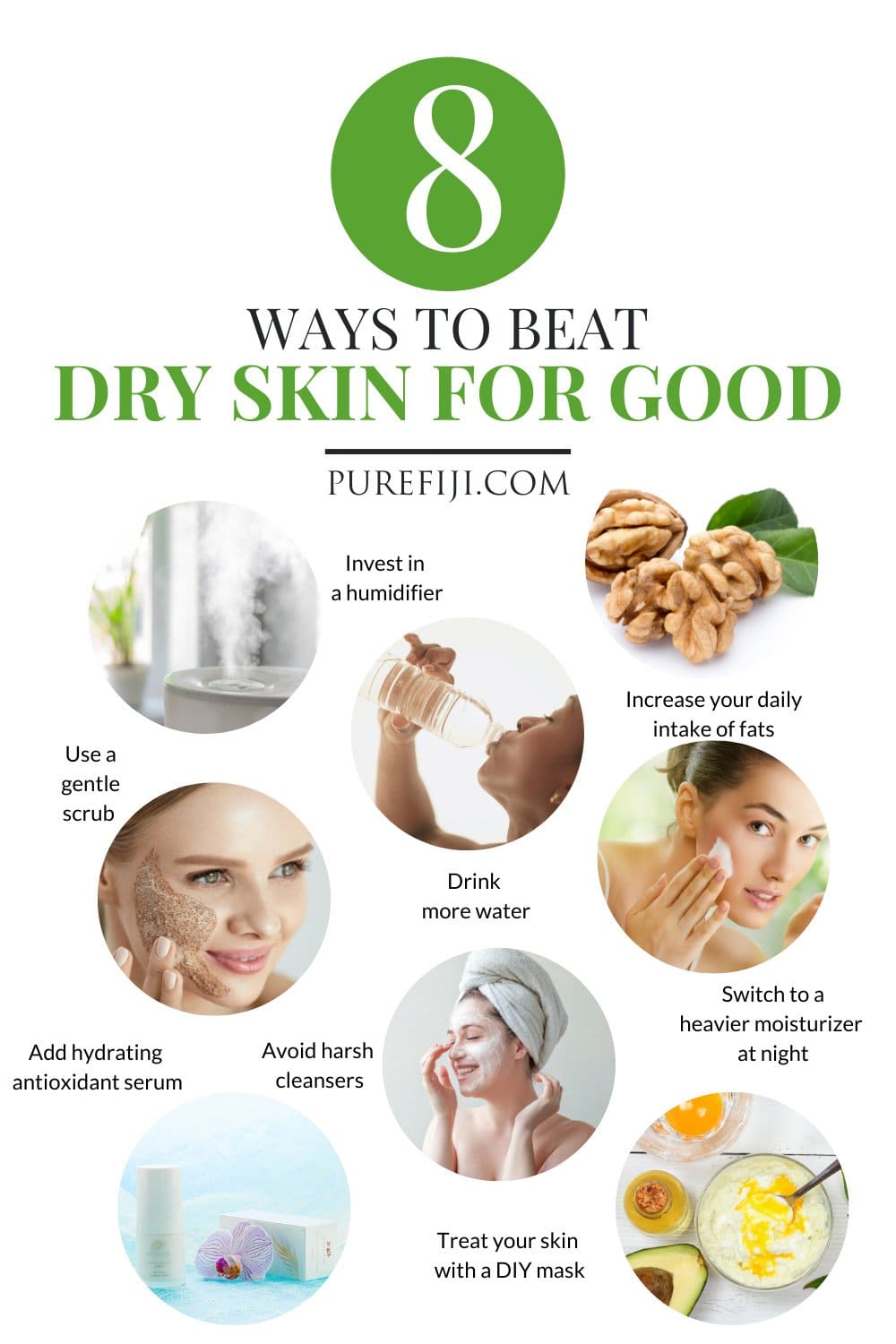
Choosing the Right Cleanser
Identify your skin type
Before you can find the perfect cleanser for your skin, it’s important to identify your skin type. Understanding your skin type will help you choose a cleanser that will effectively cleanse your skin without causing any irritation or dryness. There are generally four main skin types: normal, oily, dry, and combination. Normal skin is balanced and not overly oily or dry. Oily skin tends to produce excess oil, leading to a shiny and greasy appearance. Dry skin lacks moisture and can feel tight or flaky. Combination skin is a mix of oily and dry, with some areas being more oily (usually the T-zone) and others being drier (usually the cheeks). Once you know your skin type, you can look for cleansers specifically formulated for your needs.
Avoid harsh ingredients
When choosing a cleanser, it’s important to avoid harsh ingredients that can strip your skin of its natural oils and cause irritation. Many commercial cleansers contain ingredients like sulfates, alcohol, and synthetic fragrances, which can be harsh and drying. Instead, opt for cleansers that are gentle and free from harsh chemicals. Look for cleansers with natural and soothing ingredients like chamomile, green tea, and lavender. These ingredients can help calm and nourish your skin while effectively removing dirt and impurities.
Look for natural and organic options
If you’re conscious about the ingredients you put on your skin, consider choosing natural and organic cleansers. These products are made with plant-based ingredients and are free from harmful chemicals and toxins. Natural cleansers often contain ingredients like aloe vera, coconut oil, and jojoba oil, which can nourish and hydrate your skin. Organic cleansers are made with ingredients that are grown without the use of pesticides or synthetic fertilizers, making them a healthier choice for both your skin and the environment. Look for cleansers with certifications like USDA organic or Ecocert to ensure their authenticity.
Nourishing with Moisturizers
Choose moisturizers suitable for your skin type
Just like with cleansers, it’s important to choose moisturizers that are suitable for your skin type. If you have oily skin, look for lightweight, oil-free moisturizers that won’t clog your pores. On the other hand, if you have dry skin, opt for richer and more hydrating moisturizers that will replenish moisture in your skin. Combination skin may require a moisturizer that can balance both oiliness and dryness. It’s always a good idea to test a small amount of the moisturizer on your skin before applying it all over your face to ensure that it suits your skin well.
Look for natural ingredients like aloe vera and shea butter
When selecting a moisturizer, pay attention to the ingredients list. Look for natural ingredients that can provide nourishment and hydration to your skin. Aloe vera, for example, is known for its soothing and moisturizing properties. It can help calm inflammation and restore moisture balance in your skin. Shea butter is another powerful ingredient that can deeply moisturize and nourish your skin, leaving it soft and supple. Other natural moisturizing ingredients to look for include coconut oil, argan oil, and hyaluronic acid.
Apply moisturizer daily for hydrated and supple skin
To maintain healthy and hydrated skin, it’s important to make moisturizing a part of your daily skincare routine. After cleansing, gently pat your skin dry with a towel and then apply a moisturizer while your skin is still slightly damp. This will help lock in moisture and keep your skin hydrated throughout the day. Massage the moisturizer onto your face and neck using upward motions, focusing on areas that tend to be drier, like the cheeks and forehead. Don’t forget to extend the moisturizer down to your neck and décolletage as well. For best results, apply your moisturizer both in the morning and evening.
Protecting with Sunscreen
Use broad-spectrum sunscreen with SPF 30 or higher
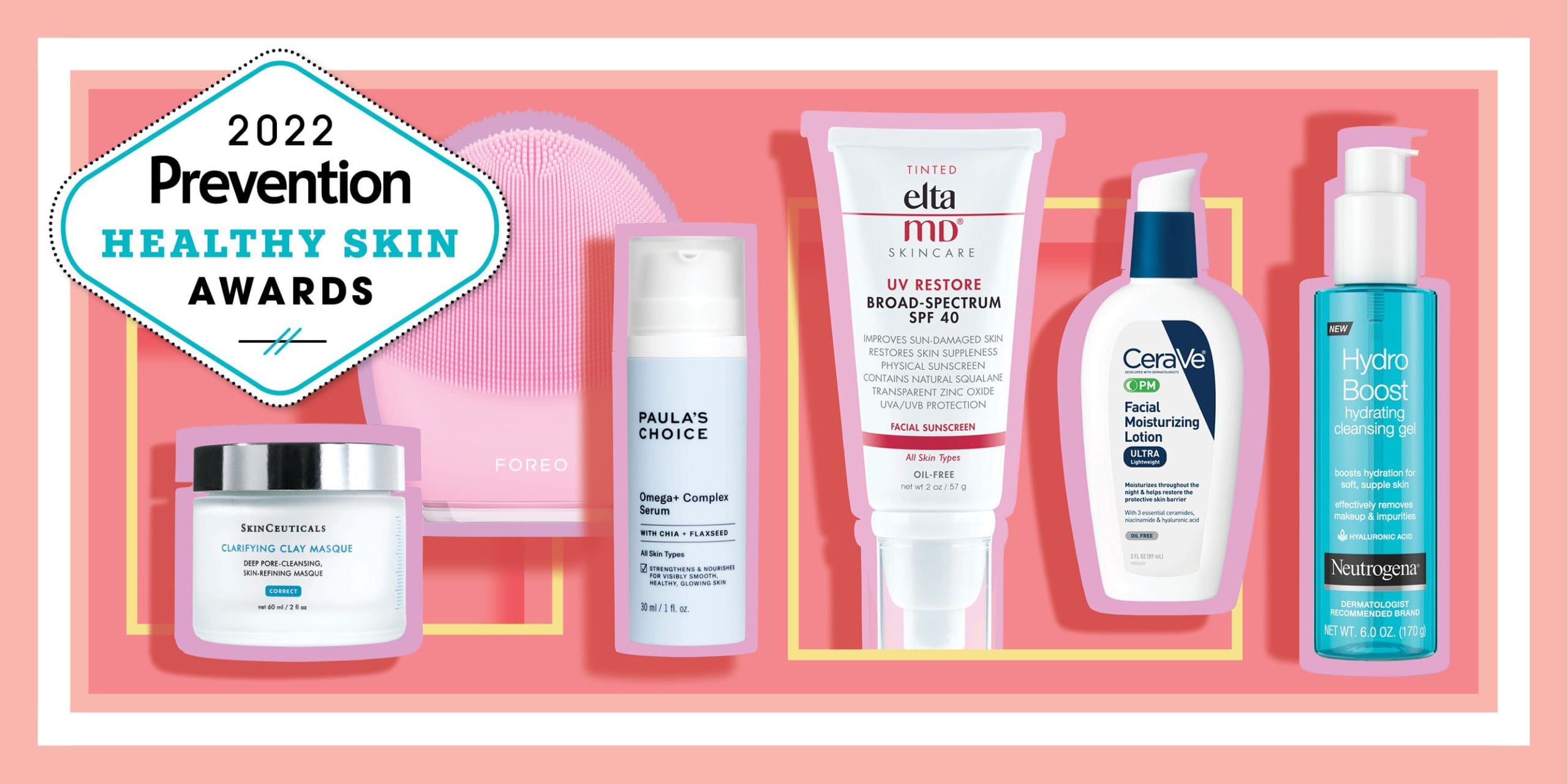
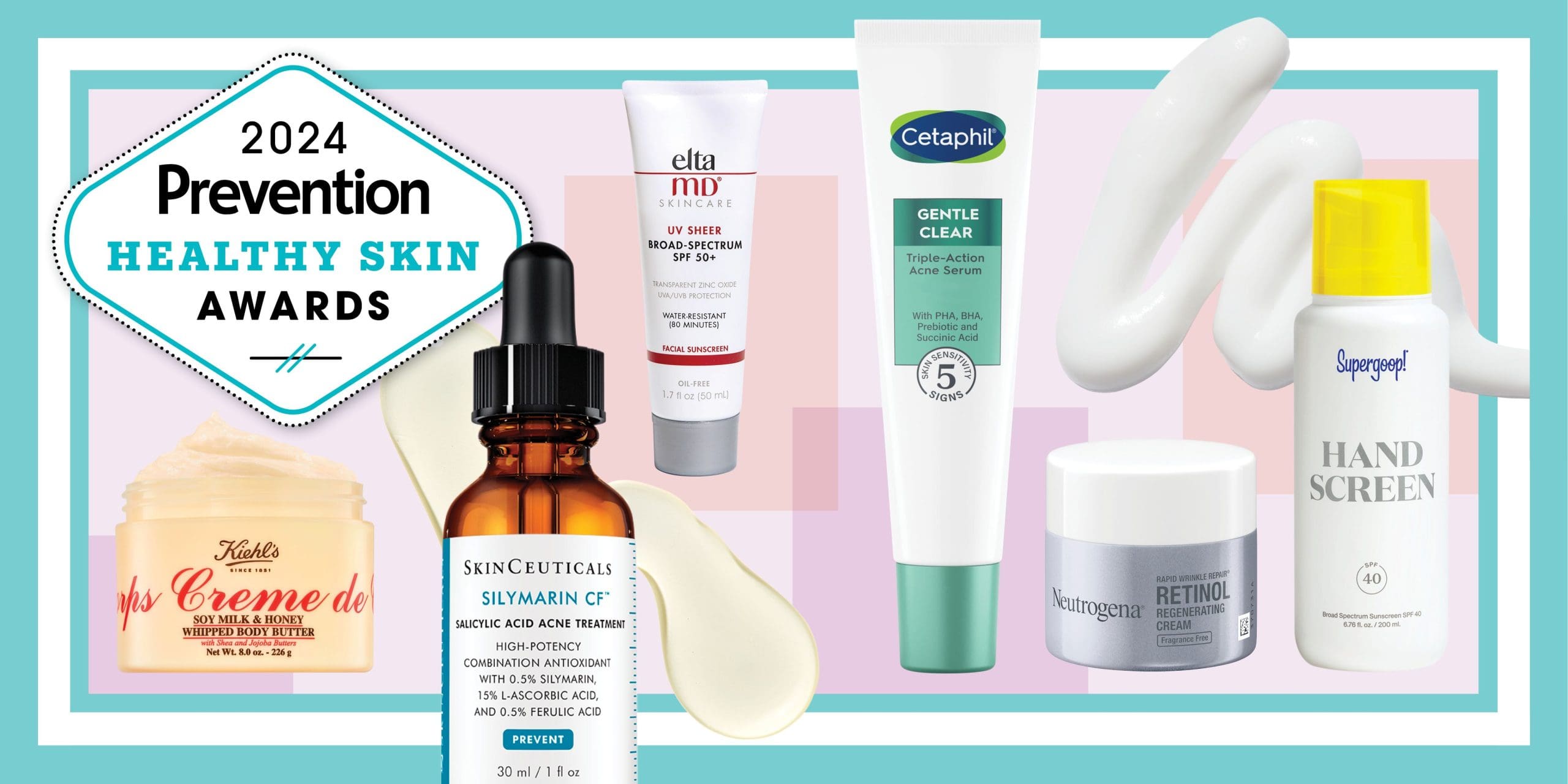
One of the most important steps in any skincare routine is protecting your skin from the sun’s harmful rays. Sunscreen plays a crucial role in preventing skin damage, premature aging, and even skin cancer. When choosing a sunscreen, opt for a broad-spectrum formula that protects against both UVA and UVB rays. Look for a minimum SPF (sun protection factor) of 30 or higher to ensure adequate protection. Higher SPF numbers indicate greater protection from the sun’s harmful rays.
Reapply sunscreen every two hours
Applying sunscreen once in the morning may not be enough to keep your skin protected throughout the day. Sunscreen should be reapplied every two hours, especially if you’re spending time outdoors or engaging in activities that may cause sweating or water exposure. Even if you’re indoors, UV rays can still penetrate through windows, so it’s essential to prioritize sun protection throughout the day. Use the recommended amount of sunscreen for your face and body, and remember to apply it to easily forgotten spots like the back of your hands, ears, and neck.
Wear protective clothing and accessories
While sunscreen is crucial for sun protection, it shouldn’t be your only line of defense. Wearing protective clothing and accessories can provide additional protection from the sun’s harmful rays. Opt for lightweight and breathable clothing made with UPF (Ultraviolet Protection Factor) fabric, which can effectively block UV rays. Wide-brimmed hats can shield your face, neck, and ears from the sun. Don’t forget to protect your eyes by wearing sunglasses that offer UV protection. By combining sunscreen with these protective measures, you can minimize sun damage and keep your skin healthy.
Exfoliating for Renewed Skin
Use gentle exfoliators once or twice a week
Exfoliating is an important step to remove dead skin cells, unclog pores, and reveal a brighter complexion. However, it’s essential to exfoliate gently to avoid damaging your skin. Over-exfoliation can cause irritation, redness, and even lead to skin barrier disruption. Aim to exfoliate once or twice a week, depending on your skin’s sensitivity and needs. For a physical exfoliation, look for gentle scrubs with round and smooth particles like sugar or rice bran. If you prefer a chemical exfoliation, opt for products containing alpha-hydroxy acids (AHAs) or beta-hydroxy acids (BHAs), which can help dissolve dead skin cells and improve skin texture.
Look for natural exfoliating ingredients like sugar or rice bran
When choosing an exfoliator, consider products that use natural exfoliating ingredients. Sugar scrubs, for example, are a popular choice as they provide gentle physical exfoliation without being too harsh on the skin. The small granules help to buff away dead skin cells and leave the skin feeling soft and smooth. Rice bran is another natural exfoliator that is often used in skincare products. It contains enzymes that can gently exfoliate the skin, remove impurities, and promote a brighter complexion. These natural ingredients not only provide effective exfoliation but also nourish and improve the overall health of your skin.
Avoid over-exfoliation to prevent skin damage
While exfoliation can bring many benefits to your skin, it’s important not to overdo it. Over-exfoliation can disrupt your skin’s natural barrier, leading to dryness, redness, and increased sensitivity. Pay attention to your skin’s response and adjust the frequency of exfoliation accordingly. If you notice any signs of irritation or excessive dryness, take a break from exfoliation for a while until your skin recovers. Always remember to follow up with a moisturizer after exfoliating to replenish the skin’s moisture barrier.

Maintaining a Healthy Diet
Eat a balanced diet rich in fruits and vegetables
Your diet plays a significant role in the health and appearance of your skin. To promote healthy and glowing skin, it’s important to eat a balanced diet that includes a variety of fruits and vegetables. These colorful foods are packed with vitamins, minerals, and antioxidants that can help protect your skin from damage and promote cell turnover. Include a rainbow of fruits and vegetables in your meals to ensure you’re getting a wide range of nutrients. Blueberries, spinach, sweet potatoes, and bell peppers are just a few examples of nutritious foods that can benefit your skin.
Include foods high in antioxidants and omega-3 fatty acids
Antioxidants are crucial for maintaining healthy skin as they help fight against free radicals, which can cause skin damage and premature aging. Include foods that are rich in antioxidants in your diet, such as berries, dark chocolate, green tea, and leafy greens. Omega-3 fatty acids, found in foods like fatty fish, walnuts, and flaxseeds, can help reduce inflammation and keep your skin hydrated from within. Consuming these nutrient-rich foods regularly can contribute to a healthier complexion.
Stay hydrated by drinking plenty of water
Hydration is essential for healthy and radiant skin. Drinking an adequate amount of water throughout the day helps maintain the skin’s moisture balance and supports its natural functions. Aim to drink at least eight glasses of water per day, or more if you’re physically active or live in a hot climate. If you find it challenging to drink plain water, infuse it with fruits, herbs, or a slice of citrus for added flavor. Additionally, you can hydrate your skin from the outside by using a hydrating mist or facial spray throughout the day to combat dryness and keep your skin looking refreshed.
Getting Enough Sleep
Establish a consistent sleep routine
Getting enough sleep is vital for your overall health and well-being, including the health of your skin. Establishing a consistent sleep routine can help regulate your body’s internal clock and improve the quality of your sleep. Aim to go to bed and wake up at the same time each day, even on weekends. This regular sleep schedule can help ensure that you’re getting enough restorative sleep and allow your skin to regenerate and repair itself overnight.
Create a relaxing environment for better sleep
Creating a relaxing environment can help promote better sleep quality. Make your bedroom a peaceful sanctuary by minimizing noise, keeping the room cool and dark, and investing in a comfortable mattress and pillows. Avoid using electronic devices, such as smartphones or tablets, before bedtime as the blue light emitted from these devices can interfere with your sleep patterns. Instead, engage in calming activities like reading a book, taking a warm bath, or practicing relaxation techniques like deep breathing or meditation.
Aim for seven to eight hours of quality sleep each night
To maintain optimal health and keep your skin looking its best, aim for seven to eight hours of quality sleep each night. While the exact amount of sleep needed may vary for individuals, this range is generally considered sufficient for most adults. During deep sleep, your body repairs and regenerates cells, including the cells in your skin. Lack of sleep can lead to dull-looking skin, fine lines, and dark circles under the eyes. By prioritizing sleep and allowing your body to rest and rejuvenate, you’ll notice improvements in your skin’s appearance and overall well-being.
Reducing Stress Levels
Practice stress-reducing activities like meditation or yoga
Stress can take a toll on your skin, leading to breakouts, dullness, and premature aging. To maintain healthy skin, it’s important to incorporate stress-reducing activities into your daily routine. Meditation, yoga, and deep breathing exercises are all effective ways to relax your mind and body. These practices can help reduce stress hormones and promote a sense of calm and well-being. Allocate some time each day to engage in these activities, even if it’s just for a few minutes. You’ll not only notice improvements in your skin but also in your overall mental and physical health.
Identify and manage stress triggers
In addition to practicing stress-reducing activities, it’s important to identify and manage the stress triggers in your life. Take note of situations, people, or activities that tend to cause stress and find healthy ways to cope with them. This might include setting boundaries, seeking support from loved ones, or engaging in activities that bring you joy and relaxation. By managing stress effectively, you can prevent its negative impact on your skin and maintain a healthy and vibrant complexion.
Ensure you have enough time for relaxation and self-care
In the hustle and bustle of daily life, it’s easy to neglect self-care and relaxation. However, taking the time to prioritize yourself and indulge in activities that bring you joy is essential for your skin’s health and overall well-being. Set aside time each week for self-care rituals, whether it’s taking a warm bath, reading a book, or practicing a hobby you love. Engaging in activities that make you happy can help reduce stress levels and bring balance to your life. Remember, self-care is not selfish but necessary for maintaining a healthy mind, body, and skin.
Avoiding Harmful Chemicals
Read labels and avoid products with harmful ingredients like parabens and sulfates
When it comes to skincare, it’s important to be mindful of the ingredients in the products you use. Many conventional skincare products contain harmful chemicals like parabens, sulfates, and synthetic fragrances, which can irritate the skin and disrupt your body’s hormonal balance. Take the time to read labels and avoid products that contain these harmful ingredients. Opt for products that are labeled as “paraben-free,” “sulfate-free,” and “fragrance-free” to minimize your exposure to these potentially toxic substances.
Choose natural and organic skincare products
To avoid harmful chemicals, consider switching to natural and organic skincare products. These products are made with plant-based ingredients that are derived from nature and free from harsh chemicals. Look for certifications like USDA organic or Ecocert to ensure the authenticity of the products. Natural and organic skincare products not only benefit your skin but also contribute to a healthier planet by reducing the use of synthetic ingredients and supporting sustainable farming practices.
Be cautious of hidden chemicals in fragrances and preservatives
Although a product might appear to be natural or organic, it’s important to be cautious of hidden chemicals in fragrances and preservatives. Fragrances are often made up of a blend of chemicals, some of which can be allergenic or irritating to the skin. Look for products that use natural essential oils for fragrance instead. Similarly, preservatives are necessary to extend the shelf life of skincare products, but certain preservatives like formaldehyde-releasing agents can be harmful. Look for products that use natural preservatives like plant-derived extracts or opt for products with shorter shelf lives that don’t require preservatives.
Maintaining a Skincare Routine
Cleanse, moisturize, and protect your skin twice a day
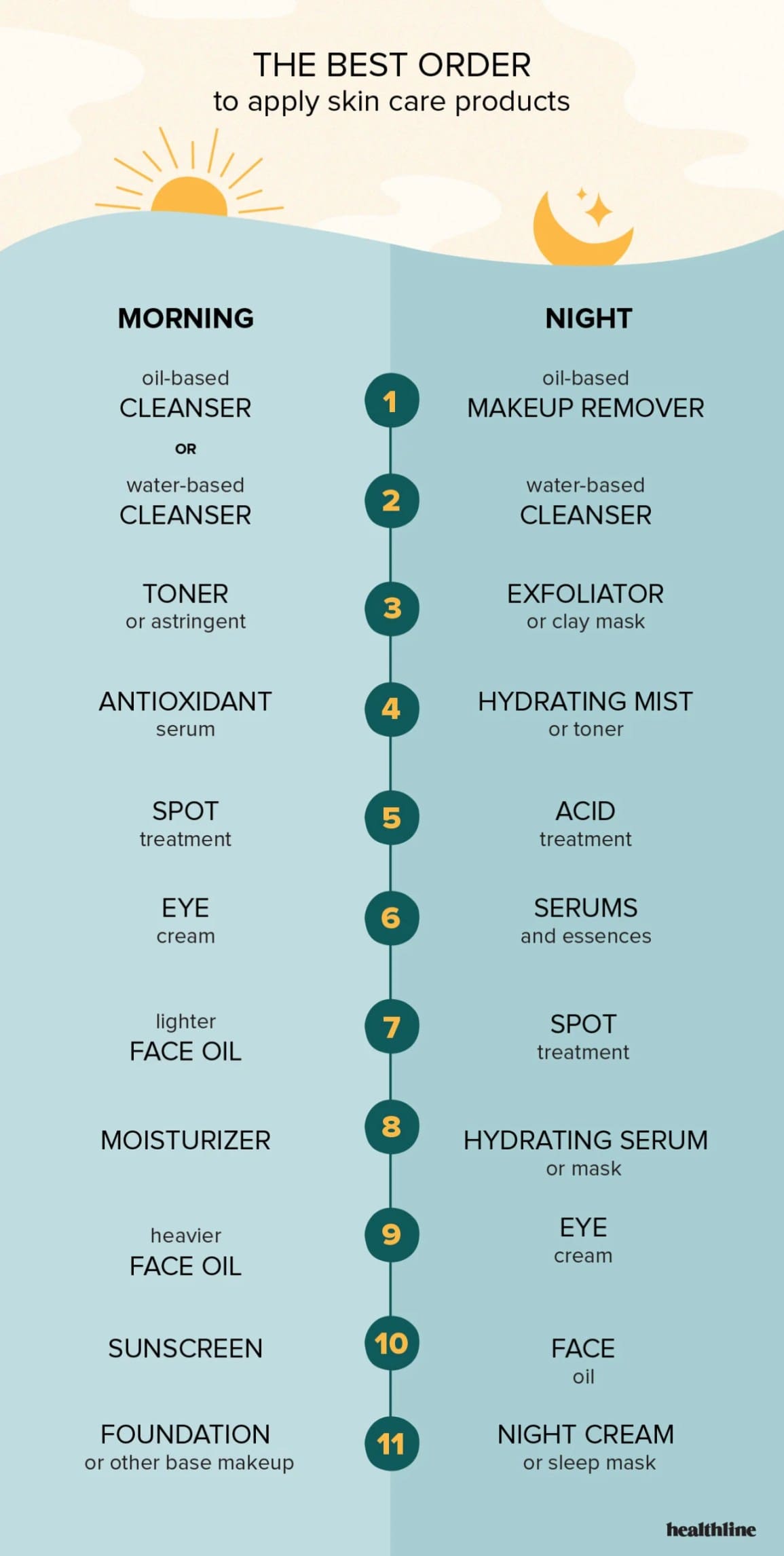
Maintaining a consistent skincare routine is key to achieving and maintaining healthy skin. Start by cleansing your skin twice a day, once in the morning and once in the evening, to remove dirt, oil, and impurities. Follow up with a moisturizer to hydrate and nourish your skin. In the morning, always apply sunscreen to protect your skin from harmful UV rays. At night, consider incorporating additional steps like serums or treatments that target specific skin concerns, such as fine lines or hyperpigmentation. By following a consistent routine, you’ll give your skin the care it needs and set the foundation for a healthy complexion.
Follow the skincare steps in the correct order
The order in which you apply your skincare products is essential for ensuring their effectiveness. As a general guideline, start with the thinnest consistency products and work your way up to the thickest. This allows each product to be absorbed properly and for the active ingredients to penetrate the skin effectively. After cleansing, apply any serums or treatments that you use, followed by your moisturizer. Finish off with sunscreen during the day. If you’re using multiple serums or treatments, give each product a few minutes to absorb before applying the next one. By following the correct order, you’ll get the most out of your skincare products.
Be consistent with your skincare routine
Consistency is key when it comes to skincare. While it may be tempting to skip steps or take shortcuts when life gets busy, it’s important to remain consistent with your skincare routine. Consistency allows your skin to adapt to the products and their active ingredients, leading to better results over time. Remember that skincare is a long-term commitment, and it may take several weeks or even months to see noticeable improvements. Stick to your routine, even when you don’t immediately see results, and be patient. Your skin will thank you in the long run.
Seeking Professional Advice
Consult a dermatologist for personalized skincare recommendations
If you’re struggling with specific skin concerns or conditions, it’s always a good idea to consult a dermatologist. A dermatologist is a skincare expert who can assess your skin’s needs and provide personalized recommendations. Whether you’re dealing with acne, rosacea, or signs of aging, a dermatologist can recommend the most suitable treatments and products for your skin. They can also provide guidance on how to best care for your skin and address any concerns you may have. Don’t hesitate to seek professional advice to ensure you’re giving your skin the best possible care.
Ask for advice on specific skin concerns or conditions
During your visit to the dermatologist, don’t hesitate to ask for advice on specific skin concerns or conditions you may be dealing with. Whether it’s persistent acne, hyperpigmentation, or sensitive skin, discussing your concerns with a professional can help you understand the underlying causes and find the most effective solutions. They may recommend prescription medications, professional treatments, or specific skincare products that are best suited to your needs. Taking the time to seek expert advice can make a significant difference in achieving your skin goals.
Stay updated on the latest skincare research and trends
Skincare is a constantly evolving field, with new research and trends emerging regularly. To stay informed and make informed decisions about your skincare routine, it’s essential to stay updated on the latest information. Follow reputable skincare experts, dermatologists, and scientists who share evidence-based information and advice. Keep in mind that not all trends or products may work for everyone, so it’s important to stay informed and make choices that are suitable for your skin and lifestyle. By staying updated, you’ll be able to make educated decisions and continue to improve and refine your skincare routine over time.
In conclusion, achieving all-natural skincare involves making mindful choices in your skincare routine and lifestyle. By choosing the right cleanser, nourishing with moisturizers, protecting with sunscreen, exfoliating for renewed skin, maintaining a healthy diet, getting enough sleep, reducing stress levels, avoiding harmful chemicals, maintaining a skincare routine, and seeking professional advice when needed, you can promote healthy and radiant skin. Remember, skincare is not just about achieving external beauty but also about prioritizing your overall health and well-being. Start implementing these practices into your daily life, and you’ll notice the positive changes in your skin and, most importantly, in how you feel about yourself.