
Are you struggling with hormonal imbalances and looking for natural ways to restore harmony within your body? Look no further, as we delve into the topic of what to eat for hormone balance. In this article, you will discover a variety of nutrient-rich foods that can help regulate your hormones and promote overall well-being. Whether you’re seeking relief from menstrual irregularities, mood swings, or other hormonal issues, these dietary tips will steer you on the path towards hormonal equilibrium. Get ready to revitalize your body with the power of food!
1. Importance of Hormone Balance
– What is hormone balance?
Hormone balance refers to the optimal functioning and stability of the hormones in your body. Hormones act as messengers in your body, regulating various systems and functions such as metabolism, mood, reproduction, and growth. When your hormones are in balance, they work together harmoniously, keeping you healthy and functioning optimally.
– The importance of maintaining hormone balance
Maintaining hormone balance is crucial for overall well-being. When your hormones are out of balance, it can lead to a range of health issues such as weight gain, fatigue, mood swings, irregular periods, infertility, and even chronic diseases like diabetes and heart disease. Hormonal imbalances can occur due to various factors, including stress, poor diet, lack of physical activity, and exposure to toxins. Therefore, it is essential to prioritize hormone balance to support overall health and vitality.
2. Foods for Hormone Balance
– Understanding the role of food in hormone balance
The food we consume plays a significant role in hormone balance. Certain nutrients and compounds found in food can either support or disrupt hormonal health. By including hormone-balancing foods in our diet, we can nourish our bodies and promote optimal hormone functioning.
– Essential nutrients for hormonal health
To maintain hormone balance, it is important to include specific nutrients in your diet. These include vitamins such as vitamin D, vitamin B6, and vitamin E, as well as minerals like zinc and magnesium. These nutrients play crucial roles in hormone production and regulation.
– Hormone-balancing foods to include in your diet
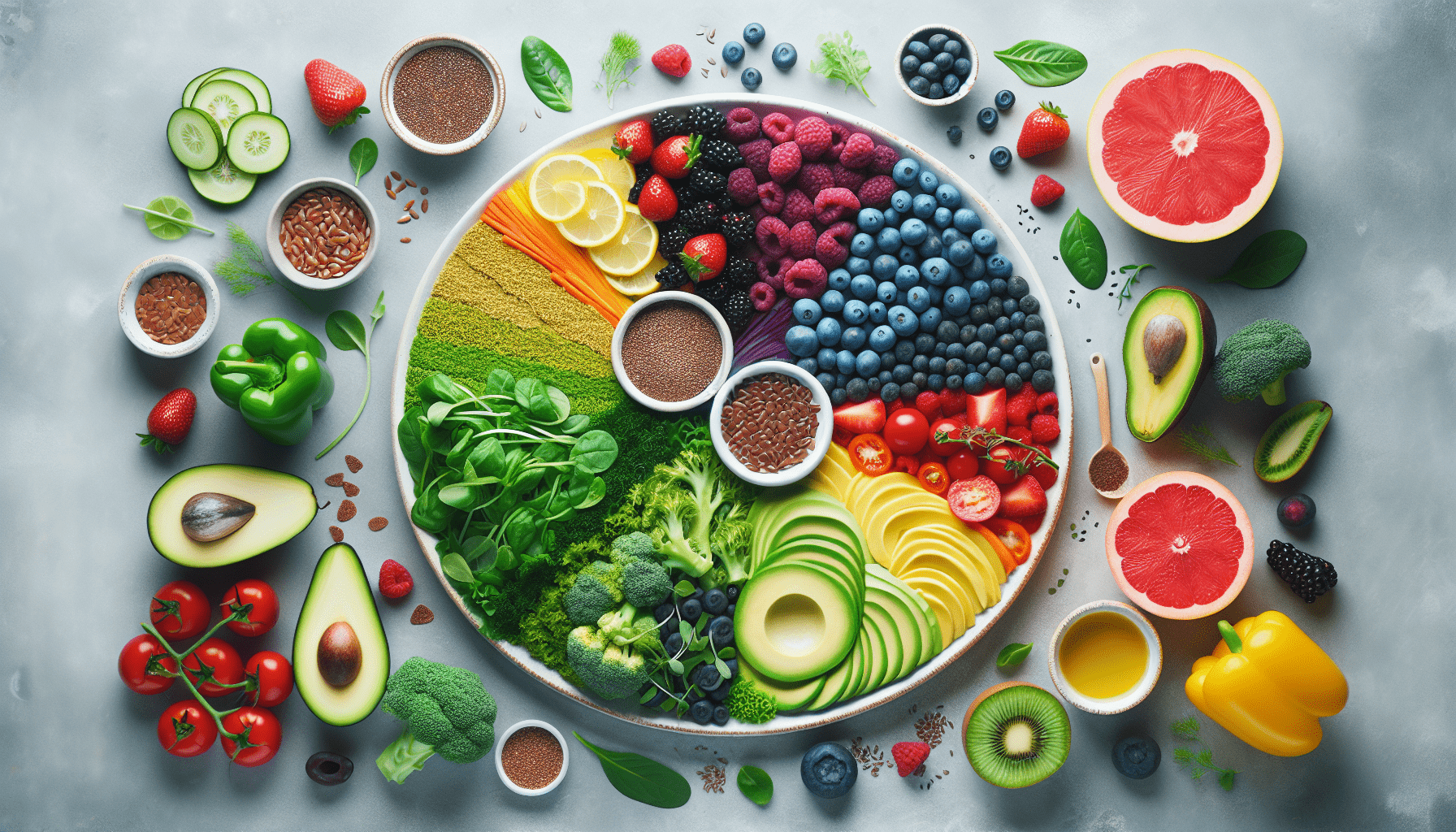
Several foods have been found to support hormone balance. Incorporating these foods into your daily meals can help promote hormonal health. Some examples of hormone-balancing foods include:
- Leafy green vegetables (e.g., spinach, kale)
- Berries (e.g., blueberries, strawberries)
- Avocados
- Wild-caught fish (e.g., salmon, mackerel)
- Flaxseeds and chia seeds
- Nuts and seeds
- Fermented foods (e.g., yogurt, sauerkraut)
Including a variety of these foods in your diet can provide the necessary nutrients and compounds to support hormone balance and overall well-being.
3. Phytoestrogen-Rich Foods
– Introduction to phytoestrogens
Phytoestrogens are naturally occurring compounds found in plants that have a similar structure to estrogen, a hormone in the human body. These compounds can have both weak estrogen-like effects and anti-estrogen effects, depending on various factors.
– Benefits of phytoestrogen-rich foods
Consuming phytoestrogen-rich foods can be beneficial for hormone balance. Phytoestrogens can help regulate estrogen levels in the body by either mimicking estrogen or blocking its effects. This can be particularly helpful for women going through menopause, as phytoestrogens can help alleviate symptoms such as hot flashes and mood swings.
– Examples of phytoestrogen-rich foods
There are several foods rich in phytoestrogens that you can easily incorporate into your diet. Some examples include:
- Soy and soy products (e.g., tofu, tempeh, edamame)
- Flaxseeds
- Sesame seeds
- Legumes (e.g., chickpeas, lentils)
- Berries
- Cruciferous vegetables (e.g., broccoli, cauliflower)
Including these foods in your meals can provide you with the benefits of phytoestrogens and support hormone balance.
4. Omega-3 Fatty Acids
– Importance of omega-3 fatty acids for hormone balance
Omega-3 fatty acids are essential fats that play a crucial role in hormone balance. They have anti-inflammatory properties and can help regulate hormone production. Omega-3 fatty acids are also important for brain health, heart health, and maintaining healthy skin.
– Sources of omega-3 fatty acids
To ensure you are getting enough omega-3 fatty acids in your diet, include the following food sources:
- Fatty fish (e.g., salmon, sardines)
- Chia seeds
- Flaxseeds
- Walnuts
- Hemp seeds
Incorporating these foods into your meals can help support hormone balance and overall health.
5. Cruciferous Vegetables
– Why cruciferous vegetables are beneficial for hormone balance
Cruciferous vegetables are a group of vegetables that belong to the Brassicaceae family. These vegetables are rich in nutrients, fiber, and antioxidants, making them excellent choices for hormone balance. Cruciferous vegetables also contain a compound called indole-3-carbinol, which has been found to support estrogen metabolism and maintain hormonal balance.
– Different types of cruciferous vegetables
Some common types of cruciferous vegetables include:
- Broccoli
- Cauliflower
- Kale
- Brussels sprouts
- Cabbage
- Bok choy
– Ways to incorporate them into your meals
To benefit from the hormone-balancing properties of cruciferous vegetables, you can include them in your meals in various ways. You can steam, roast, or stir-fry them as side dishes or incorporate them into salads, smoothies, or soups. Adding cruciferous vegetables to your meals can provide you with essential nutrients and support hormone balance.
6. Healthy Fats
– The role of healthy fats in hormone regulation
Healthy fats play a crucial role in hormone regulation. They help the body produce and balance hormones, including those involved in reproductive health, mood regulation, and metabolism. Consuming healthy fats also aids in nutrient absorption and supports brain health.
– Examples of healthy fats to include in your diet
To support hormone balance, incorporate these healthy fats into your diet:
- Avocados
- Olive oil
- Coconut oil
- Nuts and seeds
- Fatty fish (e.g., salmon, tuna)
Including these healthy fats in your meals can provide the necessary building blocks for hormone production and regulation.
7. High-Fiber Foods
– The connection between fiber and hormone balance
High-fiber foods play a crucial role in hormone balance. Fiber helps regulate blood sugar levels, which in turn helps maintain stable hormone levels. Additionally, fiber supports healthy digestion, which is essential for eliminating excess hormones and promoting optimal hormone metabolism.
– Fiber-rich foods to consume for hormonal health
To increase your fiber intake and support hormone balance, include these foods in your diet:
- Whole grains (e.g., brown rice, quinoa)
- Legumes (e.g., beans, lentils)
- Berries
- Vegetables (especially leafy greens)
- Chia seeds
- Flaxseeds
Incorporating these high-fiber foods into your meals can help support hormone balance and overall digestive health.
8. Protein Sources
– Importance of protein for hormonal balance
Protein is essential for hormone balance as it provides the building blocks for hormone production. Consuming an adequate amount of protein supports the production and regulation of hormones involved in muscle growth, metabolism, and overall health.
– Different sources of protein to consider
To ensure you are getting enough protein for hormone balance, include these sources in your diet:
- Lean meats (e.g., chicken, turkey)
- Fish
- Eggs
- Legumes
- Greek yogurt
- Quinoa
- Nuts and seeds
Incorporating a variety of these protein sources into your meals can help support hormonal health.
9. Foods to Avoid
– Foods that can disrupt hormone balance
To maintain hormone balance, it is important to avoid or limit certain foods that can disrupt hormonal health. These include:
- Processed foods high in refined sugars and unhealthy fats
- Trans fats found in fried foods and processed snacks
- Excessive caffeine
- Alcohol in large amounts
– Harmful additives and ingredients to watch out for
When shopping for packaged foods, it is important to read labels and be mindful of harmful additives and ingredients. Some additives to watch out for include artificial sweeteners, preservatives, and food dyes. Opting for whole, unprocessed foods and cooking from scratch can help you avoid these potentially hormone-disrupting ingredients.
10. Optimal Meal Planning
– Tips for creating hormone-balancing meals
When planning your meals for hormone balance, consider the following tips:
- Focus on whole, unprocessed foods
- Include a variety of fruits and vegetables
- Prioritize lean proteins and plant-based protein sources
- Incorporate healthy fats
- Include high-fiber foods
- Avoid or limit processed and sugary foods
- Stay hydrated by drinking plenty of water
– Sample meal ideas
Here are some sample meal ideas that incorporate hormone-balancing foods:
- Breakfast: Veggie omelet with spinach, mushrooms, and avocado
- Lunch: Grilled salmon with quinoa and roasted Brussels sprouts
- Snack: Greek yogurt with berries and a sprinkle of chia seeds
- Dinner: Stir-fried tofu with broccoli and brown rice
- Dessert: Dark chocolate with a handful of walnuts
Remember, individual nutritional needs may vary, so it is important to consult with a healthcare professional or registered dietitian to create a personalized meal plan that suits your specific needs and goals.
In conclusion, maintaining hormone balance is crucial for overall health and well-being. By incorporating hormone-balancing foods such as phytoestrogen-rich foods, omega-3 fatty acids, cruciferous vegetables, healthy fats, high-fiber foods, and protein sources into your diet while avoiding harmful substances, you can support your body’s natural hormonal equilibrium. Remember to prioritize whole, unprocessed foods and stay hydrated to optimize your hormone balance. Bon appétit!