
Welcome, dear reader! In this article, you will discover the most popular ways to relax and unwind after a long day. Whether it is indulging in a soothing bubble bath, practicing mindfulness through meditation, or getting lost in a good book, these simple yet effective methods will help you recharge and rejuvenate your mind, body, and soul. So sit back, relax, and let’s explore the top ways to unwind and find peace in your daily routine. Have you been feeling stressed out and overwhelmed lately? Do you find it hard to relax and unwind after a long day at work or taking care of your family? If so, you’re not alone. Many people struggle to find effective ways to de-stress and recharge their batteries. In this article, we will explore some of the most popular ways to relax and unwind, so you can find what works best for you. Let’s get started!
Understanding Stress and the Importance of Relaxation
Before we dive into the different ways to relax and unwind, it’s important to understand why relaxation is so crucial for our overall well-being. When you’re stressed, your body releases cortisol, also known as the stress hormone. High levels of cortisol can lead to a variety of health issues, including anxiety, depression, fatigue, and even heart disease.
Relaxation techniques help to lower cortisol levels in your body, reduce muscle tension, improve sleep quality, and boost your immune system. By incorporating regular relaxation practices into your daily routine, you can protect both your physical and mental health.
Why is it important to relax and unwind?
Relaxation is essential for your overall well-being. It helps to reduce stress, improve your mood, enhance your productivity, and promote better sleep. By taking time to relax and unwind, you can recharge your energy levels and face life’s challenges with a clear mind and a positive attitude.
Most Popular Ways to Relax and Unwind
Now that you understand the importance of relaxation, let’s explore some of the most popular ways people choose to relax and unwind. From meditation to exercise to spending time in nature, there are countless options to choose from. Find what works best for you and make it a regular part of your self-care routine.
Meditation and Mindfulness
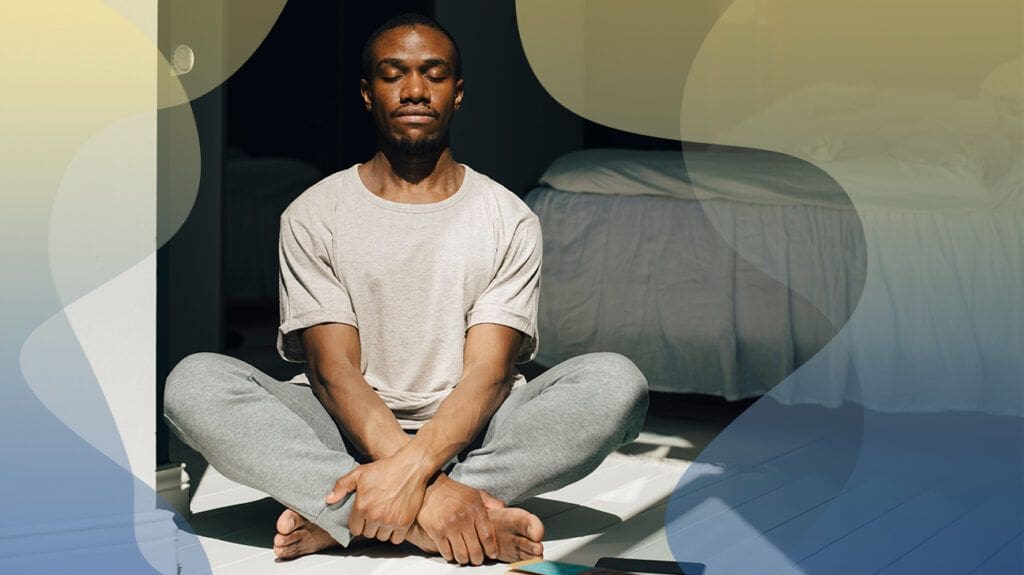
Meditation and mindfulness practices have been used for centuries to promote relaxation, reduce stress, and improve mental clarity. Many people find peace and tranquility by setting aside time each day to meditate and focus on the present moment.
You can start by finding a quiet space, sitting or lying down comfortably, and closing your eyes. Focus on your breath, inhaling deeply through your nose and exhaling slowly through your mouth. Notice any thoughts that come into your mind, but gently let them go and refocus on your breath.
Practicing meditation for just a few minutes each day can have a profound impact on your overall well-being. You may find that you feel calmer, more centered, and better able to cope with stress and anxiety.
Exercise and Physical Activity
Exercise is not only essential for your physical health but also plays a crucial role in managing stress and boosting your mood. When you engage in physical activity, your body releases endorphins, also known as the “feel-good” hormones, which can help to reduce stress and improve your mental well-being.
Whether you prefer to go for a run, take a yoga class, or go hiking in nature, finding an exercise routine that you enjoy is key to sticking with it long-term. Regular physical activity can help to alleviate feelings of anxiety, depression, and tension, leaving you feeling more relaxed and energized.
Spending Time in Nature
Nature has a way of calming the mind, soothing the soul, and restoring a sense of peace and balance. Many people find solace in spending time outdoors, whether it’s taking a walk in the park, going camping in the wilderness, or simply sitting outside and breathing in the fresh air.
Research shows that spending time in nature can lower cortisol levels, reduce blood pressure, and improve overall well-being. Even just a few minutes of exposure to nature can have a positive impact on your mood and mental health. So next time you’re feeling stressed, consider stepping outside and connecting with the natural world around you.
Socializing and Connecting with Others
Humans are social beings by nature, and connecting with others is essential for our emotional well-being. Whether you spend time with friends, family, colleagues, or members of your community, socializing can help to reduce feelings of loneliness, improve your mood, and enhance your overall quality of life.
Make an effort to reach out to others, schedule regular meetups or phone calls, join a club or organization, or volunteer in your community. Building strong social connections can provide a support system during challenging times and offer a sense of belonging and purpose.
Reading, Listening to Music, or Watching Movies
Sometimes, all you need to relax and unwind is to escape into a good book, get lost in your favorite music, or watch a captivating movie. Reading, listening to music, and watching films are popular ways to take your mind off stress and immerse yourself in a different world.
Find a genre that appeals to you, whether it’s fiction, non-fiction, classical music, rock ‘n’ roll, or action-packed films. Create a cozy reading nook, put on your headphones, or curl up on the couch with a blanket and your favorite snack. Let yourself get lost in the story or the melodies, and allow your mind to relax and recharge.
Practicing Self-Care and Pampering Yourself
Self-care is about taking the time to nurture your mind, body, and soul, and prioritizing your well-being above all else. Whether it’s taking a bubble bath, getting a massage, or indulging in a spa day, pampering yourself can be a luxurious way to relax and unwind.
Set aside time each week to treat yourself to a self-care ritual, whether it’s getting a manicure, going for a long walk in nature, or savoring a delicious meal. Focus on activities that bring you joy, comfort, and relaxation, and make them a regular part of your routine.
Creating a Relaxation Routine
Now that you have explored some of the most popular ways to relax and unwind, it’s time to create a relaxation routine that works for you. By incorporating different relaxation practices into your daily or weekly schedule, you can build resilience to stress, improve your mental well-being, and boost your overall quality of life.
Tips for creating a relaxation routine:
-
Start small: Begin by incorporating one relaxation practice into your daily or weekly routine, such as meditation, exercise, or spending time in nature. Gradually add more practices as you feel comfortable and find what works best for you.
-
Set aside time: Schedule dedicated time each day or week to relax and unwind, whether it’s early in the morning, after work, or on the weekends. Treat this time as sacred and prioritize your well-being above all else.
-
Be consistent: Consistency is key when it comes to relaxation. Make a commitment to yourself to practice relaxation techniques regularly, even when you’re feeling stressed or overwhelmed. Over time, you’ll notice the benefits of a consistent relaxation routine.
-
Listen to your body: Pay attention to how you feel before, during, and after engaging in relaxation practices. Notice what works best for you and adjust your routine as needed to meet your evolving needs and preferences.
-
Stay open-minded: Be willing to try new relaxation techniques, activities, or practices to see what resonates with you. Keep an open mind and experiment with different approaches until you find what helps you relax and unwind.
By following these tips and creating a relaxation routine that works for you, you can cultivate a sense of peace, balance, and well-being in your life. Remember that relaxation is a personal journey, and what works for one person may not work for another. Explore different options, be patient with yourself, and enjoy the process of finding what brings you joy and relaxation.
Final Thoughts
In conclusion, finding effective ways to relax and unwind is essential for your overall well-being. Whether you choose to meditate, exercise, spend time in nature, socialize with others, or pamper yourself, the key is to prioritize self-care and make relaxation a regular part of your routine.
Experiment with different relaxation practices, listen to your body, and be open to trying new approaches until you find what works best for you. Remember that relaxation is a personal journey, and there is no one-size-fits-all solution. Find what brings you joy, peace, and serenity, and make it a priority in your daily life.
By taking the time to relax and unwind, you can reduce stress, improve your mood, and enhance your overall quality of life. So go ahead, explore the most popular ways to relax and unwind, and find what brings you peace and tranquility. Your mind, body, and soul will thank you for it.