
Have you ever wondered how to effectively manage chronic pain as you age? In this article, we explore the connection between longevity and chronic pain management and provide useful strategies to help you find relief. Whether you are experiencing ongoing discomfort or looking for preventative measures, we offer practical tips to enhance your quality of life and improve your overall well-being. Discover the key to living a long and pain-free life.
Understanding Chronic Pain
Chronic pain is a complex condition that affects millions of people around the world. Unlike acute pain, which is temporary and typically associated with an injury or illness, chronic pain persists for weeks, months, or even years. It can greatly impact a person’s quality of life, physical and mental well-being, and overall longevity. To effectively manage chronic pain, it is important to understand its causes, types, and the toll it can take on one’s health.
Causes and Types of Chronic Pain
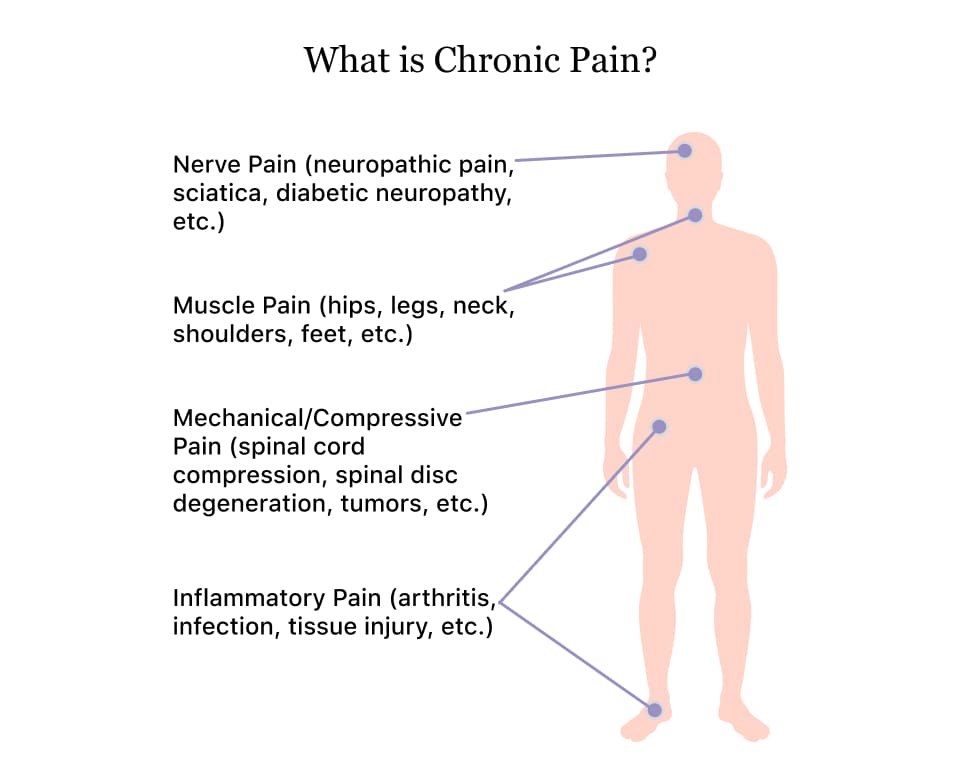
Chronic pain can have various causes, ranging from underlying medical conditions to injuries or nerve damage. Common causes include arthritis, fibromyalgia, endometriosis, migraines, and back or neck injuries. The different types of chronic pain can manifest in different ways, affecting different areas of the body. Some individuals may experience constant, dull aches, while others may have intermittent sharp pain or burning sensations. It is essential to identify the specific type and cause of chronic pain to develop an effective management plan.
Impact of Chronic Pain on Longevity
Living with chronic pain can have a profound impact on an individual’s well-being and longevity. The constant experience of pain can lead to sleep disturbances, fatigue, depression, anxiety, and decreased physical functioning. Additionally, chronic pain can limit mobility, making it difficult to engage in daily activities and leading to a sedentary lifestyle. Over time, these factors can contribute to a decline in overall health and reduce life expectancy. Managing chronic pain effectively is crucial to not only relieve the immediate symptoms but also to improve long-term outcomes and promote a healthier, longer life.
Traditional Approaches to Chronic Pain Management
Traditional approaches to chronic pain management typically involve a combination of medication, physical therapy, and, in some cases, surgical interventions. These methods aim to alleviate pain symptoms and improve functionality.
Medication and Pain Relief
Medications are commonly prescribed to manage chronic pain, including nonsteroidal anti-inflammatory drugs (NSAIDs), opioids, and antidepressants. These medications help reduce inflammation, block pain signals, and provide relief. However, it is crucial to use medications under the guidance of a healthcare professional and be aware of potential side effects and risks associated with long-term use.
Physical Therapy and Rehabilitation
Physical therapy plays a crucial role in managing chronic pain by improving strength, flexibility, and overall physical functioning. Therapists use various techniques, such as exercises, stretches, and manual therapy, to target specific areas of pain and prevent further complications. Rehabilitation programs also focus on educating individuals about body mechanics, posture, and ergonomics to minimize pain triggers and promote healthier movement patterns.
Surgical Interventions
In some cases, surgical interventions may be necessary to address the underlying cause of chronic pain. Surgical procedures range from minimally invasive techniques, such as arthroscopy, to more extensive surgeries like joint replacements or spinal fusion. These interventions aim to correct structural abnormalities, remove damaged tissues, or restore functionality. However, surgery is typically considered a last resort when other conservative treatments have not provided adequate relief.
Alternative Therapies for Chronic Pain
In addition to traditional approaches, alternative therapies offer additional options for individuals seeking relief from chronic pain. These therapies focus on holistic and non-pharmacological methods to support pain management.
Acupuncture and Acupressure
Acupuncture and acupressure are ancient healing practices derived from Traditional Chinese Medicine. Acupuncture involves inserting fine needles into specific points on the body, while acupressure applies pressure to the same points. Both therapies are believed to stimulate the body’s natural healing processes, alleviate pain, and promote overall well-being.
Massage Therapy
Massage therapy utilizes manual techniques to manipulate the soft tissues of the body, promoting relaxation, improving circulation, and reducing muscle tension. Different types of massage, such as Swedish, deep tissue, or trigger point therapy, can target specific areas of pain and provide relief. Regular massage sessions can also help manage stress, enhance sleep quality, and improve overall physical and mental well-being.
Chiropractic Care
Chiropractic care focuses on the diagnosis and treatment of musculoskeletal disorders, particularly those affecting the spine. Chiropractors use spinal adjustments, manipulations, and other techniques to align the spine, alleviate nerve compression, and reduce pain. This non-invasive approach aims to restore proper function and mobility without the need for medication or surgery.
Herbal Remedies
Herbal remedies have been used for centuries to manage a variety of health conditions, including chronic pain. Certain herbs, such as turmeric, ginger, and devil’s claw, possess anti-inflammatory and analgesic properties that can help reduce pain and inflammation. However, it is essential to consult with a healthcare professional before using any herbal remedies, as they may interact with medications or have potential side effects.
Lifestyle Changes for Chronic Pain Management
Alongside medical interventions, lifestyle changes play a significant role in managing chronic pain effectively. These changes focus on promoting overall health, reducing pain triggers, and improving long-term well-being.
Exercise and Physical Activity
Regular exercise and physical activity are vital for managing chronic pain. Engaging in low-impact exercises, such as walking, swimming, or yoga, can help increase strength, flexibility, and endurance. Physical activity releases endorphins, the body’s natural painkillers, and promotes overall well-being. It is crucial to consult with a healthcare professional or physical therapist to develop a safe and tailored exercise program.
Diet and Nutrition
Proper nutrition can influence pain levels and overall health. A well-balanced diet rich in fruits, vegetables, whole grains, and lean proteins can help reduce inflammation, promote tissue healing, and support overall well-being. Certain foods, such as fatty fish, turmeric, and dark chocolate, have anti-inflammatory properties that can benefit individuals with chronic pain. However, it is important to consult with a healthcare professional or registered dietitian to develop a personalized nutrition plan.
Stress Management
Stress can exacerbate chronic pain and negatively impact overall health. Incorporating stress management techniques, such as deep breathing exercises, meditation, or engaging in hobbies, can help alleviate stress and promote relaxation. Finding healthy ways to cope with stress and practicing self-care is essential for maintaining a balanced and positive mindset while living with chronic pain.
Sleep Hygiene
Quality sleep is crucial for recovery and overall well-being. Chronic pain can often disrupt sleep patterns, leading to fatigue and increased pain sensitivity. Practicing good sleep hygiene, such as maintaining a consistent sleep schedule, creating a comfortable sleep environment, and establishing a relaxing bedtime routine, can help improve sleep quality. Additionally, avoiding stimulants like caffeine and electronic devices before bed can promote better sleep.
Mind-Body Techniques for Pain Relief
Mind-body techniques focus on the connection between the mind, body, and pain perception. These techniques aim to promote relaxation, reduce stress, and redirect attention away from pain.
Meditation and Mindfulness
Meditation and mindfulness practices involve focusing attention and quieting the mind to achieve a state of calm and relaxation. These techniques can be particularly helpful in managing chronic pain by reducing stress, improving coping mechanisms, and increasing pain tolerance. Regular practice of meditation or mindfulness can create a sense of inner peace and improve overall well-being.
Yoga and Tai Chi
Yoga and Tai Chi integrate physical postures, breathing techniques, and meditation to promote relaxation, flexibility, and balance. These mind-body practices can help reduce pain, improve strength and mobility, and enhance overall physical and mental well-being. Both yoga and Tai Chi offer modified poses and exercises for individuals with chronic pain, making them accessible to individuals of all fitness levels.
Biofeedback
Biofeedback is a technique that allows individuals to gain awareness and control over certain body functions, such as heart rate, blood pressure, and muscle tension. By monitoring bodily responses through sensors, individuals can learn to regulate their physiological responses to pain and stress. Biofeedback training helps individuals develop self-awareness and acquire skills to manage pain more effectively.
Technology-Assisted Pain Management
Advancements in technology have paved the way for innovative approaches to chronic pain management. These technological interventions aim to provide pain relief and improve overall well-being.
Transcutaneous Electrical Nerve Stimulation (TENS)
TENS is a non-invasive pain management technique that uses low-voltage electrical currents to provide relief. Electrodes are placed on the skin near the area of pain, and these currents help stimulate nerve pathways, blocking pain signals from reaching the brain. TENS units can be used at home and offer a drug-free alternative for managing chronic pain.
Virtual Reality Therapy
Virtual reality (VR) therapy immerses individuals in a computer-generated environment, diverting attention away from pain and promoting relaxation. VR therapy can be used as a distraction technique during painful procedures or as a form of relaxation therapy. By creating an immersive and interactive experience, VR therapy can help reduce the perception of pain and improve overall well-being.
Pain-Relieving Devices
Various pain-relieving devices, such as heat pads, cold compresses, or topical creams, can provide localized relief for chronic pain. Heat therapy can help relax muscles and improve blood flow, while cold therapy can reduce inflammation and numb the area. Additionally, wearable devices, like pain relief bands or electrode pads, can provide targeted pain relief through electrical stimulation.
Complementary and Integrative Medicine
Complementary and integrative medicine approaches combine traditional medical practices with alternative therapies to optimize pain management and overall well-being.
Ayurveda
Ayurveda is a traditional Indian system of medicine that focuses on achieving balance and harmony within the body and mind. It utilizes herbal remedies, dietary modifications, meditation, and lifestyle practices to promote overall health and manage chronic pain. Ayurvedic treatments are tailored to the individual’s specific constitution and aim to address the underlying causes of pain.
Homeopathy
Homeopathy is a holistic approach to medicine that aims to stimulate the body’s natural healing processes. Homeopathic remedies, made from highly diluted substances, are prescribed based on the individual’s specific symptoms and constitution. Homeopathy seeks to address the root cause of chronic pain and improve overall well-being.
Naturopathy
Naturopathy combines natural therapies with conventional medicine to support the body’s inherent healing abilities. Naturopathic treatments for chronic pain may include nutrition counseling, herbal medicine, physical therapies, and lifestyle adjustments. These individualized treatments aim to restore balance and promote optimal health.
Psychotherapy and Mental Health Support
Chronic pain can take a toll on mental health, leading to increased stress, anxiety, and depression. Psychotherapy and mental health support offer valuable resources for individuals navigating the emotional and psychological aspects of living with chronic pain.
Cognitive Behavioral Therapy
Cognitive Behavioral Therapy (CBT) is a widely recognized form of psychotherapy that focuses on changing negative thought patterns and behaviors. CBT helps individuals identify and challenge negative beliefs about pain, develop coping strategies, and modify behaviors that contribute to pain chronification. CBT empowers individuals to manage chronic pain more effectively and improve overall quality of life.
Acceptance and Commitment Therapy
Acceptance and Commitment Therapy (ACT) is a mindfulness-based approach that emphasizes accepting pain rather than fighting or avoiding it. ACT teaches individuals to change their relationship with pain, focus on their values, and take steps towards a fulfilling life despite physical limitations. It encourages individuals to engage in meaningful activities and pursue personal goals, promoting psychological flexibility and overall well-being.
Support Groups
Joining support groups or seeking peer support can provide valuable emotional and social support for individuals with chronic pain. Sharing experiences, challenges, and coping strategies with others who understand can reduce feelings of isolation and provide a sense of community. Support groups can also offer practical advice, resources, and a platform for individuals to express their feelings and concerns.
Importance of a Multidisciplinary Approach
Managing chronic pain effectively often requires a multidisciplinary approach that involves collaboration between healthcare professionals from different specialties.
Collaboration between Healthcare Professionals
Medical doctors, physical therapists, psychologists, and other healthcare professionals work together to develop comprehensive treatment plans for individuals with chronic pain. Each healthcare professional brings their expertise to the table, addressing the physical, mental, and emotional aspects of chronic pain. Collaborative decision-making ensures that all aspects of an individual’s health and well-being are considered when developing a personalized treatment plan.
Customized Treatment Plans
Every individual’s experience of chronic pain is unique, and so is their treatment plan. Customized treatment plans take into account the individual’s specific needs, preferences, and goals. Treatment may include a combination of medications, physical therapy, alternative therapies, lifestyle modifications, and psychosocial support. A customized approach ensures that the treatment plan addresses the specific causes and symptoms of chronic pain and promotes long-term relief and improved quality of life.
Self-Care Strategies for Longevity with Chronic Pain
Taking an active role in self-care is essential for managing chronic pain and promoting longevity. These strategies focus on maintaining a positive mindset, seeking emotional support, and nurturing social connections.
Embracing a Positive Mindset
Cultivating a positive mindset can significantly impact how one copes with chronic pain. Shifting the focus from limitations to possibilities, practicing gratitude, and adopting a growth mindset can help individuals navigate the challenges of living with pain. Positive thinking can also enhance overall well-being and improve overall life satisfaction.
Seeking Emotional Support
Chronic pain can sometimes feel isolating and emotionally challenging. Seeking emotional support from friends, family, or mental health professionals can help individuals navigate the emotional rollercoaster of chronic pain. Therapy, counseling, or support groups can provide a safe space to express feelings, develop coping skills, and gain insights from others who have similar experiences.
Maintaining Social Connections
Maintaining social connections is crucial for overall well-being and longevity, especially when living with chronic pain. Engaging in social activities, spending time with loved ones, and participating in hobbies or support groups can provide a sense of belonging and emotional support. Social connections can also distract from pain, reduce stress, and enhance overall life satisfaction.
In conclusion, understanding and effectively managing chronic pain is essential for promoting longevity and improving quality of life. By exploring various approaches, from traditional methods to alternative therapies, lifestyle changes, mind-body techniques, and integrating self-care strategies, individuals can find the relief they deserve. It is crucial to work with healthcare professionals, develop personalized treatment plans, and stay resilient in the face of chronic pain. With the right tools and support, individuals can navigate the challenges of chronic pain and live a fulfilling, healthier, and longer life.