Whether you’re a woman or someone who cares about the women in your life, taking care of breast health is crucial. Maintaining healthy breasts goes beyond just scheduling regular check-ups; it involves adopting a proactive approach to prevent and reduce the risk of breast cancer. In this article, you will discover practical and effective ways to support breast health, from implementing a nutritious diet and exercise routine to being mindful of the products you use daily. By incorporating these habits into your lifestyle, you will not only promote breast health but also empower yourself and others to prioritize overall well-being.
Regular Breast Self-Exams
Importance of Self-Exams
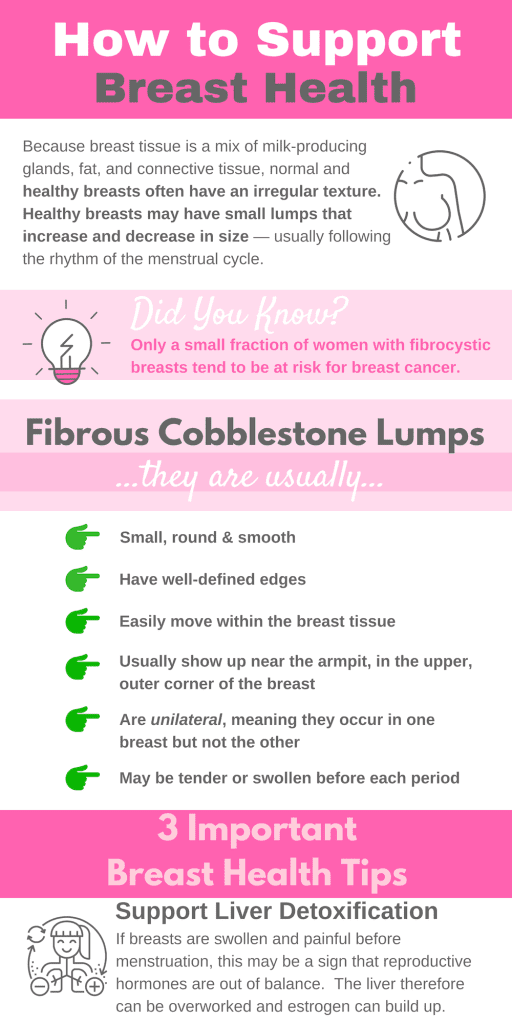
Regular breast self-exams are an essential part of maintaining breast health. By taking the time to examine your own breasts on a routine basis, you can become more familiar with how they normally feel and look, making it easier to detect any changes that may occur. Breast self-exams can help in the early detection of any abnormalities, such as lumps or changes in the size, shape, or texture of the breasts. Early detection is crucial in identifying potential breast health issues, including breast cancer, as it greatly increases the chances of successful treatment and recovery.
How to Perform a Self-Exam
Performing a breast self-exam is a simple and straightforward process that you can do in the comfort of your own home. Start by visually inspecting your breasts in front of a mirror, with your arms by your sides, and then raised above your head. Look for any noticeable changes in the shape, symmetry, or skin texture of your breasts. Next, use the pads of your fingers to gently apply pressure in a circular motion around your breasts, checking for any lumps or thickening. Be sure to cover the entire breast area, including the nipple and the surrounding tissue. Finally, repeat this process while lying down, as this can help to detect any abnormalities that may not be as easily noticeable when standing.
When to Perform Self-Exams
It is recommended to perform a breast self-exam at least once a month, preferably a few days after your menstrual period ends. This is because hormonal changes during the menstrual cycle can cause temporary changes in breast tissue, making it easier to detect irregularities once the cycle has ended. However, if you no longer menstruate or have irregular periods, choose a specific day each month to perform your self-exam. By consistently conducting self-exams at regular intervals, you can develop a baseline for what is normal for your breasts, making it easier to identify any changes that may occur in the future.
Annual Medical Check-ups
Benefits of Annual Check-ups
In addition to regular self-exams, it is crucial to schedule annual check-ups with your healthcare provider. These check-ups offer the opportunity for a comprehensive breast examination by a medical professional who can conduct a more thorough assessment of your breast health. Not only can your doctor check for any abnormalities, but they can also provide guidance and support for maintaining optimal breast health. Annual check-ups also allow for the discussion of any concerns or questions you may have, ensuring that you stay informed and up-to-date on any advancements in breast health and cancer prevention.
What to Expect During a Check-up
During a typical breast check-up, your healthcare provider will perform a physical examination of your breasts, which may include both visual and manual inspections. They will feel for any lumps, changes in texture, or other abnormalities in the breast tissue and the surrounding lymph nodes. The doctor may also recommend additional tests, such as mammograms or ultrasounds, depending on your age and individual risk factors. These tests can provide a more detailed look at your breast tissue and help detect any potential issues at their earliest stages. By regularly attending annual check-ups, you are taking a proactive step towards maintaining and promoting your breast health.
Key Tests for Breast Health
There are several key tests that healthcare professionals may recommend to assess breast health. Mammograms are one of the most common tests, particularly for women over the age of 40, as they can detect breast abnormalities, including cancerous tumors, even before they can be felt. Other imaging tests, such as ultrasounds or MRIs, may be ordered if further investigation is needed or for younger women with dense breast tissue. Genetic testing may also be considered for individuals with a family history of breast cancer or certain genetic mutations. These tests can help determine an individual’s risk of developing breast cancer and inform decisions about prevention and early detection strategies.
Maintaining a Healthy Lifestyle
Importance of a Healthy Lifestyle
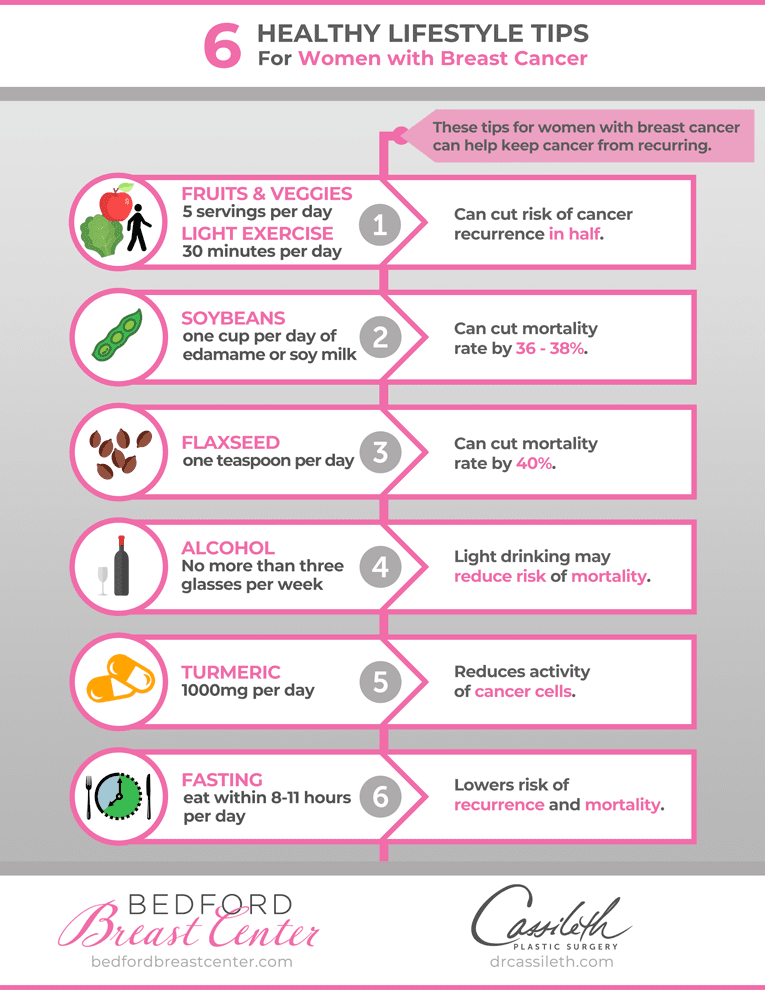
Maintaining a healthy lifestyle is paramount when it comes to overall well-being, including breast health. A healthy lifestyle can help reduce the risk of developing various diseases, including breast cancer. By adopting healthy habits, you are not only taking charge of your physical health but also empowering yourself to lead a vibrant and fulfilling life.
Eating a Nutrient-Rich Diet
One of the fundamental aspects of maintaining a healthy lifestyle is consuming a nutrient-rich diet. Incorporating a wide variety of fruits, vegetables, whole grains, lean proteins, and healthy fats into your daily meals can provide the body with the essential nutrients it needs to function optimally. Certain foods, such as cruciferous vegetables like broccoli and kale, have been associated with a lower risk of breast cancer. It is also important to limit the consumption of processed and sugary foods, as they can contribute to weight gain and other health issues.
Engaging in Regular Exercise
Regular physical activity plays a crucial role in promoting overall health and reducing the risk of various diseases, including breast cancer. Aim for at least 150 minutes of moderate-intensity aerobic exercise or 75 minutes of vigorous-intensity exercise per week. Additionally, incorporating strength training exercises into your routine can help maintain muscle mass and promote bone health. Exercise not only helps control weight but also improves cardiovascular health and boosts the immune system, all of which contribute to maintaining optimal breast health.
Getting Adequate Sleep
Sleep is often overlooked in discussions about a healthy lifestyle, but it plays a vital role in overall well-being, including breast health. Aim for 7 to 8 hours of quality sleep each night. Sleep deprivation and poor sleep quality have been linked to an increased risk of various health issues, including breast cancer. Establishing a regular sleep routine, creating a comfortable sleeping environment, and practicing relaxation techniques before bed can all help ensure that you get the restorative sleep your body needs.
Limiting Exposure to Environmental Toxins
Understanding Environmental Toxins
Environmental toxins are substances found in our environment that have the potential to cause harm to our health. These toxins can be found in various sources, including the air we breathe, the water we drink, the food we consume, and the products we use. Exposure to certain toxins has been associated with an increased risk of developing breast cancer and other health issues. Understanding these toxins and taking steps to limit exposure is crucial for maintaining optimal breast health.
Common Sources of Toxins
Toxins can be found in everyday products and substances, such as household cleaning products, pesticides, personal care products (e.g., cosmetics, skincare), and even certain plastics. Some toxins, such as those found in cigarette smoke, are well-known contributors to an increased risk of breast cancer. Additionally, exposure to environmental pollutants, such as air pollution and hazardous chemicals, has been linked to various adverse health effects, including breast cancer. Becoming aware of the potential sources of toxins in your environment is the first step towards reducing exposure.
Tips to Reduce Exposure
There are several steps you can take to minimize your exposure to environmental toxins. First, opt for natural and eco-friendly cleaning products that do not contain harsh chemicals. Choose organic and locally sourced foods whenever possible to reduce exposure to pesticides and other contaminants. Be mindful of the personal care products you use and choose those that are free from harmful chemicals, such as parabens and phthalates. Finally, be conscious of the air quality in your home and workplace, and consider using air purifiers or opening windows to improve ventilation. By making these small changes, you can create a healthier environment and reduce your risk of exposure to harmful toxins.
Breastfeeding
Benefits of Breastfeeding
Breastfeeding is a natural process that provides numerous benefits for both mother and baby. Breast milk contains essential nutrients and antibodies that help protect infants from infections and diseases. Beyond the immediate benefits, breastfeeding has long-term advantages for both maternal and child health. Breastfed children may have a reduced risk of obesity, respiratory infections, and certain childhood cancers. For mothers, breastfeeding can lower the risk of breast and ovarian cancers, as well as potentially aid in postpartum weight loss.
How Breastfeeding Supports Breast Health
Breastfeeding has a positive impact on breast health in multiple ways. It helps maintain hormonal balance by suppressing the production of estrogen, which can decrease the risk of hormone-sensitive breast cancers. Breastfeeding also stimulates the release of oxytocin, a hormone that plays a role in milk production and may have protective effects against breast cancer. Additionally, breastfeeding promotes breast tissue involution, the process in which the breast tissue returns to its pre-pregnancy state, reducing the number of potentially cancerous cells.
Tips for Successful Breastfeeding
Breastfeeding can sometimes come with its challenges, but with the right support and information, it can be a rewarding and fulfilling experience. Seek information and guidance from healthcare professionals, lactation consultants, and support groups. Establishing a good latch, ensuring proper positioning, and maintaining a healthy diet are important factors in successful breastfeeding. It is also helpful to create a supportive environment where you can nurse comfortably and establish a routine that works for you and your baby. Remember that each breastfeeding journey is unique, and it is important to be patient and kind to yourself throughout the process.
Keeping a Healthy Weight
Link Between Weight and Breast Health
Maintaining a healthy weight is crucial for overall well-being, including breast health. Research has shown that excess body weight, particularly obesity, is associated with an increased risk of breast cancer, as well as a higher likelihood of more aggressive tumor types. The connection between weight and breast health is related to hormonal factors, as excess body fat can lead to increased estrogen production, which, in turn, can contribute to the development of hormone-receptor-positive breast cancers. By making efforts to achieve and maintain a healthy weight, you can potentially reduce your risk of developing breast cancer and improve your overall health.
Maintaining a Healthy Body Mass Index
One way to assess if you are within a healthy weight range is by calculating your body mass index (BMI). BMI is a measure of body fat based on height and weight. A BMI between 18.5 and 24.9 is considered within the healthy range. If your BMI falls outside of this range, consider consulting with your healthcare provider to discuss appropriate lifestyle modifications and weight management strategies. Achieving and maintaining a healthy BMI can help reduce breast cancer risk and improve overall health outcomes.
Strategies for Weight Management
When it comes to weight management, making sustainable lifestyle changes is key. Focus on adopting a balanced and nutritious diet, rich in fruits, vegetables, whole grains, and lean proteins. Aim to incorporate regular physical activity into your routine, engaging in exercises that you enjoy and that fit your lifestyle. Additionally, be mindful of portion sizes, practice mindful eating, and reduce the consumption of sugary beverages and processed foods. By making small, sustainable changes over time, you can achieve a healthy weight and support optimal breast health.

Coping with Stress
Impact of Stress on Breast Health
Stress is an inevitable part of life, but prolonged or chronic stress can have detrimental effects on your overall health, including breast health. High levels of stress can disrupt hormone levels and weaken the immune system, potentially making the body more susceptible to illnesses, including breast cancer. Additionally, stress can lead to unhealthy coping mechanisms, such as emotional eating or increased alcohol consumption, which can contribute to weight gain and other risk factors for breast cancer. Finding healthy ways to manage and cope with stress is essential for maintaining optimal breast health.
Healthy Ways to Manage Stress
For effective stress management, it is important to find healthy coping mechanisms that work for you. Exercise is an excellent stress reliever, as it releases endorphins, improves mood, and promotes overall well-being. Engaging in relaxation techniques such as deep breathing exercises, meditation, or yoga can help reduce stress and promote a sense of calm. Establishing a strong support system of friends and family who you can talk to and lean on during challenging times is also crucial. Additionally, finding activities you enjoy, such as hobbies or creative outlets, can provide a positive distraction and help alleviate stress.
Stress Reduction Techniques
Incorporating stress reduction techniques into your daily life can help manage and reduce stress levels. Practice self-care regularly by engaging in activities that bring you joy and relaxation, such as taking a bath, reading a book, or watching a movie. Prioritize rest and sleep, as adequate rest can help rejuvenate both the body and mind. It can also be beneficial to identify and address the underlying causes of stress in your life, such as work-related or relationship stressors, and consider seeking professional help or counseling if needed. Remember, taking care of your mental and emotional well-being is just as important as taking care of your physical health.
Knowing Your Family History
Understanding Genetic Risk Factors
Family history plays a significant role in determining an individual’s risk of developing breast cancer. Certain genetic mutations, such as BRCA1 and BRCA2, can increase the likelihood of developing breast cancer and other associated cancers. Understanding your family history and any potential genetic risk factors can help you make informed decisions about your breast health and engage in appropriate screening and prevention strategies.
Talking to Your Family about Breast Health
One way to gather information about your family history and genetic risk factors is by having open and honest conversations with your family members. Discussing any known cases of breast cancer, their age of diagnosis, and the information relating to other cancers in the family is important. Encourage relatives to share their health history, and consider documenting this information for future reference. Being aware of your family history can help guide conversations with healthcare professionals and inform decisions regarding genetic testing or other preventive measures.
Genetic Testing for Breast Cancer
Genetic testing can be an important tool in assessing an individual’s risk of developing breast cancer. Based on your family history and other risk factors, your healthcare provider may recommend genetic testing to identify any potential genetic mutations that could increase your risk. It is essential to understand the potential benefits, limitations, and implications of genetic testing, as well as the emotional aspects that may arise from the results. Genetic counseling can provide guidance and support throughout the testing process, helping individuals make informed decisions about their breast health.

Raising Awareness
Importance of Breast Health Awareness
Raising awareness about breast health is crucial in promoting early detection, prevention, and empowering individuals to take charge of their own health. Education and awareness campaigns can help disseminate accurate information about breast health, including risk factors, screening guidelines, and prevention strategies. By increasing breast health awareness, we can ensure that individuals are equipped with the knowledge and resources necessary to make informed decisions about their breast health.
Breast Health Awareness Campaigns
Breast health awareness campaigns are organized efforts to educate and inform the public about breast health. These campaigns aim to promote regular self-exams, annual check-ups, and mammograms, as well as raise funds for research and support services. They often involve community events, educational seminars, and social media campaigns to reach a wide audience. Participating in or supporting these campaigns can contribute to the overall awareness and understanding of breast health and make a positive impact in the lives of individuals and communities.
Educating Others about Breast Health
Each individual has the power to educate and inform others about the importance of breast health. Share accurate information with your friends, family, and community members, encouraging them to prioritize regular self-exams, annual check-ups, and healthy lifestyle choices. Utilize social media platforms, local organizations, or community events to spread awareness and share resources related to breast health. By playing an active role in educating others, you can help shape a supportive and knowledgeable community that values and promotes breast health.
Supporting Breast Cancer Research
The Importance of Research
Advancements in breast cancer research have played a significant role in improving prevention, detection, and treatment strategies. By supporting breast cancer research, you contribute to the ongoing efforts to understand the complexities of the disease and find innovative solutions to combat it. Research funding helps scientists and medical professionals pursue breakthrough discoveries, develop targeted therapies, and improve the overall outcomes for individuals diagnosed with breast cancer.
Ways to Support Breast Cancer Research
There are numerous ways to support breast cancer research and make a meaningful impact. Consider participating in fundraising events, such as walks or runs, where proceeds go towards research initiatives. Donate directly to reputable breast cancer research organizations that prioritize research investments. Volunteer your time or skills to assist with research projects or support services for those affected by breast cancer. Stay informed about clinical trials and consider participating if you are eligible. Your support, no matter how big or small, can contribute to the advancement of breast cancer research and bring us closer to a future without this devastating disease.
Fundraising and Donations
Fundraising and donations are vital to supporting breast cancer research. Organize a fundraising event in your community, workplace, or school to raise funds for breast cancer research organizations. Engage your friends, family, and colleagues to participate and contribute to your fundraising efforts. Additionally, consider making a personal donation to a reputable breast cancer research organization or participating in workplace giving programs. Every dollar donated can make a difference and help fund critical research initiatives, bringing us one step closer to finding more effective prevention, treatment, and ultimately a cure for breast cancer.
In conclusion, supporting breast health involves a multifaceted approach that encompasses regular self-exams, annual check-ups, maintaining a healthy lifestyle, limiting exposure to environmental toxins, breastfeeding, keeping a healthy weight, coping with stress, understanding your family history, raising awareness, and supporting breast cancer research. By incorporating these strategies into your life and encouraging others to do the same, you can promote optimal breast health and contribute to the ongoing efforts to prevent, detect, and effectively manage breast cancer. Remember, taking care of your breast health is an investment in your overall well-being and a way to ensure a healthier future.