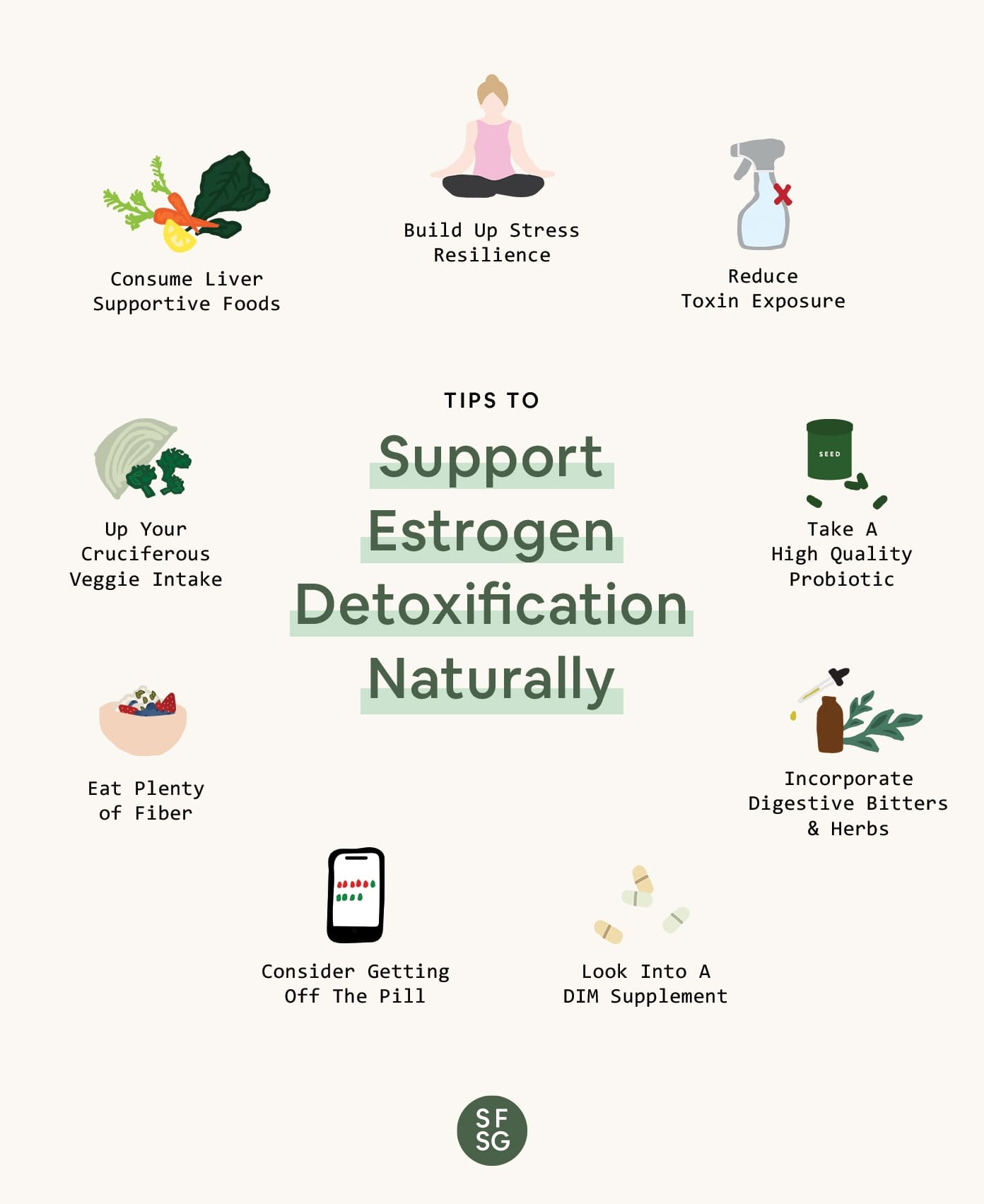
In the pursuit of overall wellness, it’s essential to prioritize and support hormonal health. Hormones play a crucial role in maintaining various functions in our body, affecting everything from mood and energy levels to metabolism and fertility. To help you achieve a balanced and vibrant lifestyle, this article will share some of the best ways to support hormonal health. By implementing these practices into your daily routine, you can promote overall well-being and achieve a harmonious mind and body.
Regular Exercise
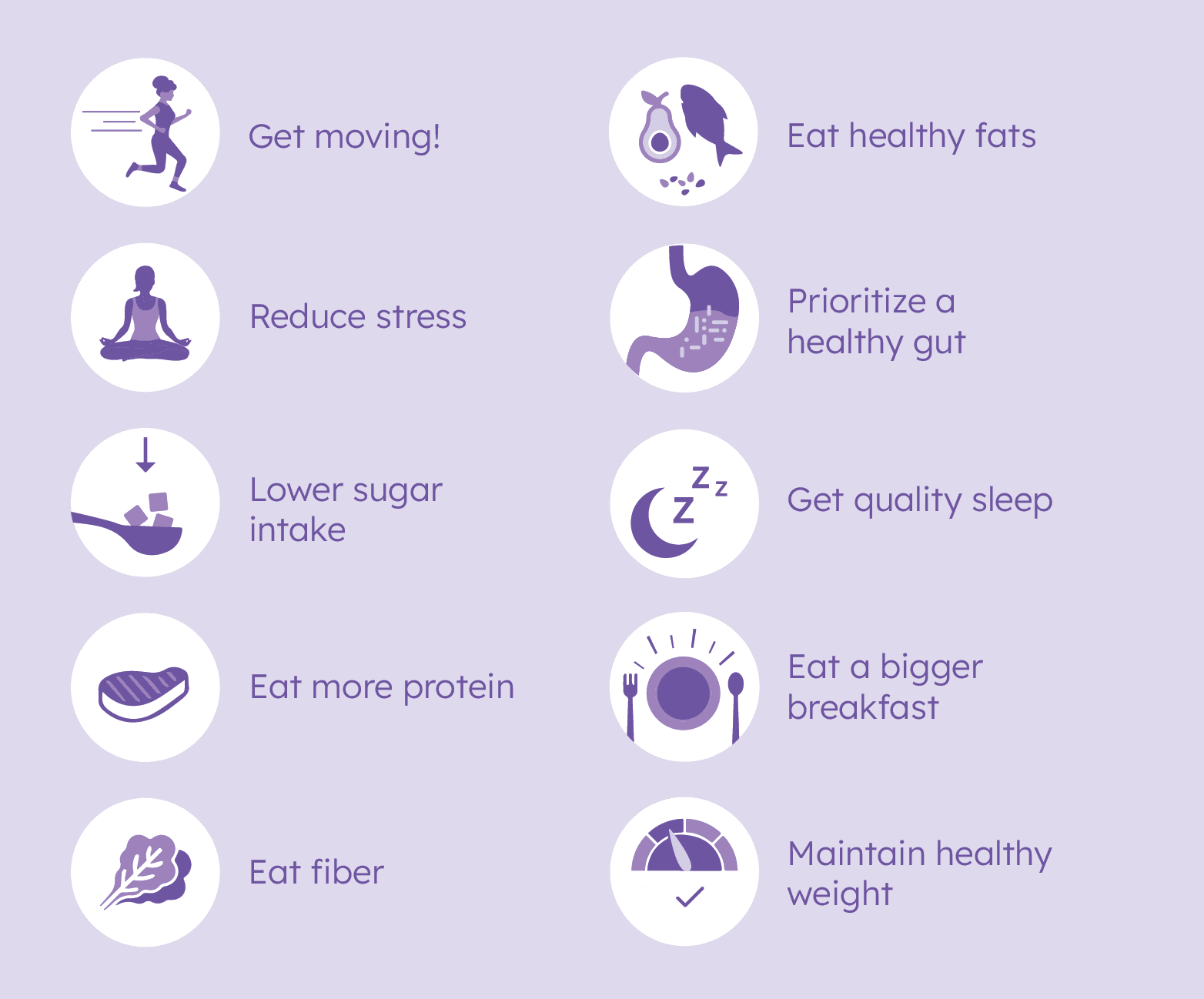
Regular exercise is an essential component of maintaining hormonal health and overall well-being. Engaging in aerobic exercises such as running, swimming, or cycling can help to increase blood flow, improve cardiovascular health, and boost mood. These exercises also release endorphins, which are known as “feel-good” hormones that can help to reduce stress and anxiety.
In addition to aerobic exercises, incorporating strength training into your fitness routine can have numerous benefits for your hormonal health. Strength training helps to build and maintain muscle mass, which can help to regulate hormone levels. It also increases bone density, which is important for preventing conditions such as osteoporosis. So, don’t forget to include exercises like weightlifting or bodyweight exercises in your workout regimen.
Yoga and Pilates are two forms of exercise that focus on strength, flexibility, and mindfulness. These practices not only improve physical fitness but also promote mental well-being. Yoga and Pilates help to reduce stress levels and improve sleep quality, both of which are crucial for hormonal balance. So, make sure to allocate some time for these calming and centering exercises as part of your fitness routine.
Balanced Diet
Maintaining a balanced diet is key to supporting hormonal health. Incorporating certain types of food into your daily meals can contribute to hormone regulation and overall well-being.
Including healthy fats in your diet is important as they play a vital role in hormone production and function. Foods like avocado, nuts, seeds, and fatty fish like salmon or tuna are excellent sources of healthy fats. These fats are rich in omega-3 fatty acids, which have been shown to reduce inflammation and support hormonal balance.
Another crucial component of a balanced diet is consuming enough protein. Protein is essential for the production of hormones and helps to ensure their proper functioning. Sources such as lean meat, poultry, fish, legumes, and dairy products are all excellent sources of protein. By including these in your meals, you can support your hormonal health and provide your body with the necessary building blocks for optimal functioning.
Complex carbohydrates are also an important part of a healthy diet. Foods like whole grains, fruits, and vegetables provide the body with essential nutrients and fiber. Fiber plays a vital role in maintaining stable blood sugar levels, which is crucial for hormonal balance. Moreover, including plenty of fruits and vegetables in your diet ensures an adequate intake of vitamins and minerals, which are essential for overall health.
Limiting sugar and processed foods is crucial for hormonal health. Consuming excessive amounts of sugar and processed foods can lead to imbalances in insulin levels, which can negatively impact hormone production and function. Opt for natural sweeteners, such as honey or maple syrup, and try to minimize your consumption of packaged and processed foods.
Staying hydrated is another important aspect of maintaining hormonal health. Drinking an adequate amount of water throughout the day helps to support overall bodily functions and ensures proper hydration. Aim to drink at least eight glasses of water a day, but the exact amount may vary depending on your individual needs and activity levels.
Manage Stress
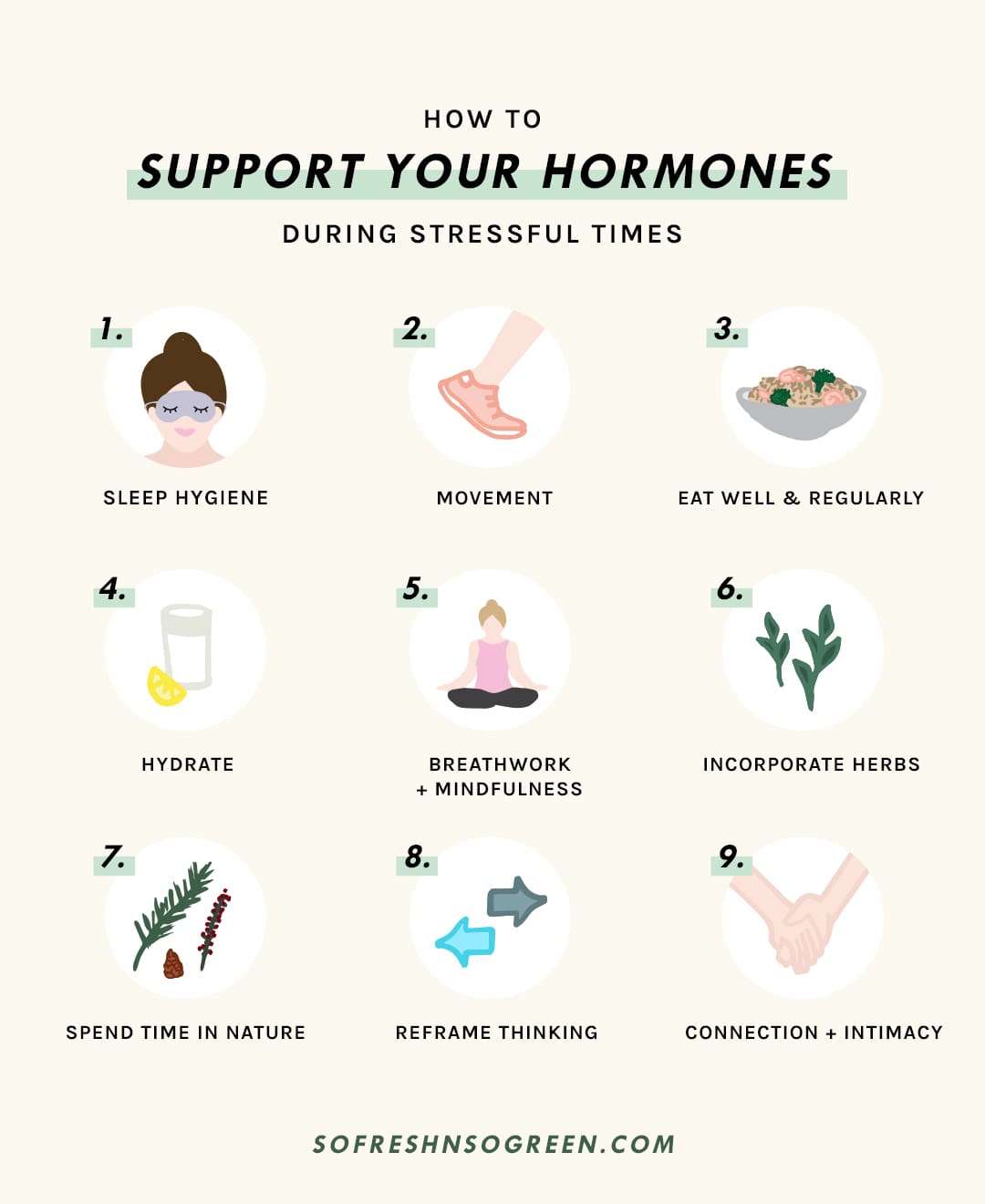
Stress management is essential for maintaining hormonal health and overall well-being. Chronic stress can disrupt the balance of hormones in the body and has negative effects on physical and mental health. Incorporating stress-reducing techniques into your daily routine can help support hormonal balance.
Practice relaxation techniques such as deep breathing exercises, meditation, or practicing mindfulness. These techniques help to activate the body’s natural relaxation response, reducing stress and promoting a sense of calm.
Getting enough sleep is crucial for hormonal health. Lack of quality sleep can disrupt hormone production, leading to imbalances. Aim for 7-9 hours of uninterrupted sleep each night to support optimal hormone regulation and overall well-being.
Engaging in stress-relieving activities such as hobbies, spending time in nature, or participating in activities you enjoy can help reduce stress levels. Find activities that bring you joy and make time for them regularly.
Avoid overworking and find a healthy work-life balance. Overworking and pushing yourself too hard can lead to chronic stress and hormone imbalances. Set boundaries and prioritize self-care to maintain optimal hormonal health.
Maintain a Healthy Weight
Maintaining a healthy weight is important for hormonal health and overall well-being. Excess body weight, especially around the waist, can lead to hormonal imbalances and increase the risk of various health conditions.
Monitoring caloric intake is crucial for maintaining a healthy weight. Consuming more calories than your body needs can lead to weight gain and potential hormonal imbalances. Be mindful of portion sizes and maintain a calorie balance that is appropriate for your activity level and individual needs.
Opt for nutrient-dense foods that provide essential vitamins, minerals, and other nutrients without excessive calories. Focus on consuming whole foods such as fruits, vegetables, lean proteins, and whole grains.
Practicing portion control is important for maintaining a healthy weight. Be mindful of portion sizes and avoid overeating. Pay attention to hunger and fullness cues to ensure you’re eating in moderation.
Engaging in regular physical activity is key to maintaining a healthy weight and supporting hormonal health. Aim for at least 150 minutes of moderate-intensity aerobic activity each week, along with strength training exercises. Regular exercise helps to burn calories, improve metabolism, and support overall hormonal balance.
Avoid Toxins
Avoiding toxins is crucial for maintaining hormonal health. Chemicals found in many everyday products can disrupt hormone production and function, leading to imbalances and potential health issues.
Choose organic or natural products whenever possible to minimize exposure to harmful chemicals. This includes personal care products, cleaning supplies, and household items. Look for products that are free from parabens, phthalates, and other potentially harmful substances.
Limit exposure to chemicals by being mindful of your environment. Avoid smoking and secondhand smoke, limit alcohol consumption, and minimize exposure to environmental pollutants whenever possible.
Check household product labels to ensure they are free from harmful chemicals. Look for products that are labeled as environmentally friendly or chemical-free.
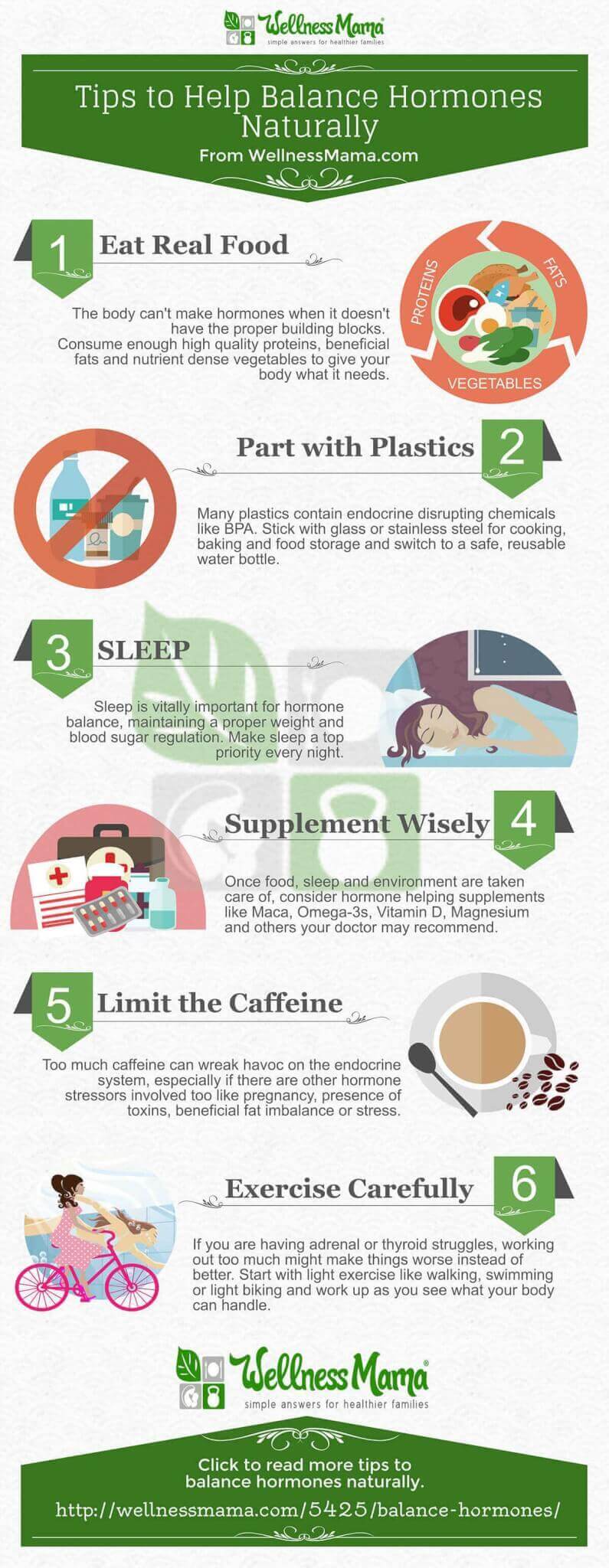
Minimize plastic use as much as possible. Plastics can contain hormone-disrupting chemicals that can leach into food and beverages. Opt for glass or stainless steel containers for storing food and drinks.
Support Gut Health
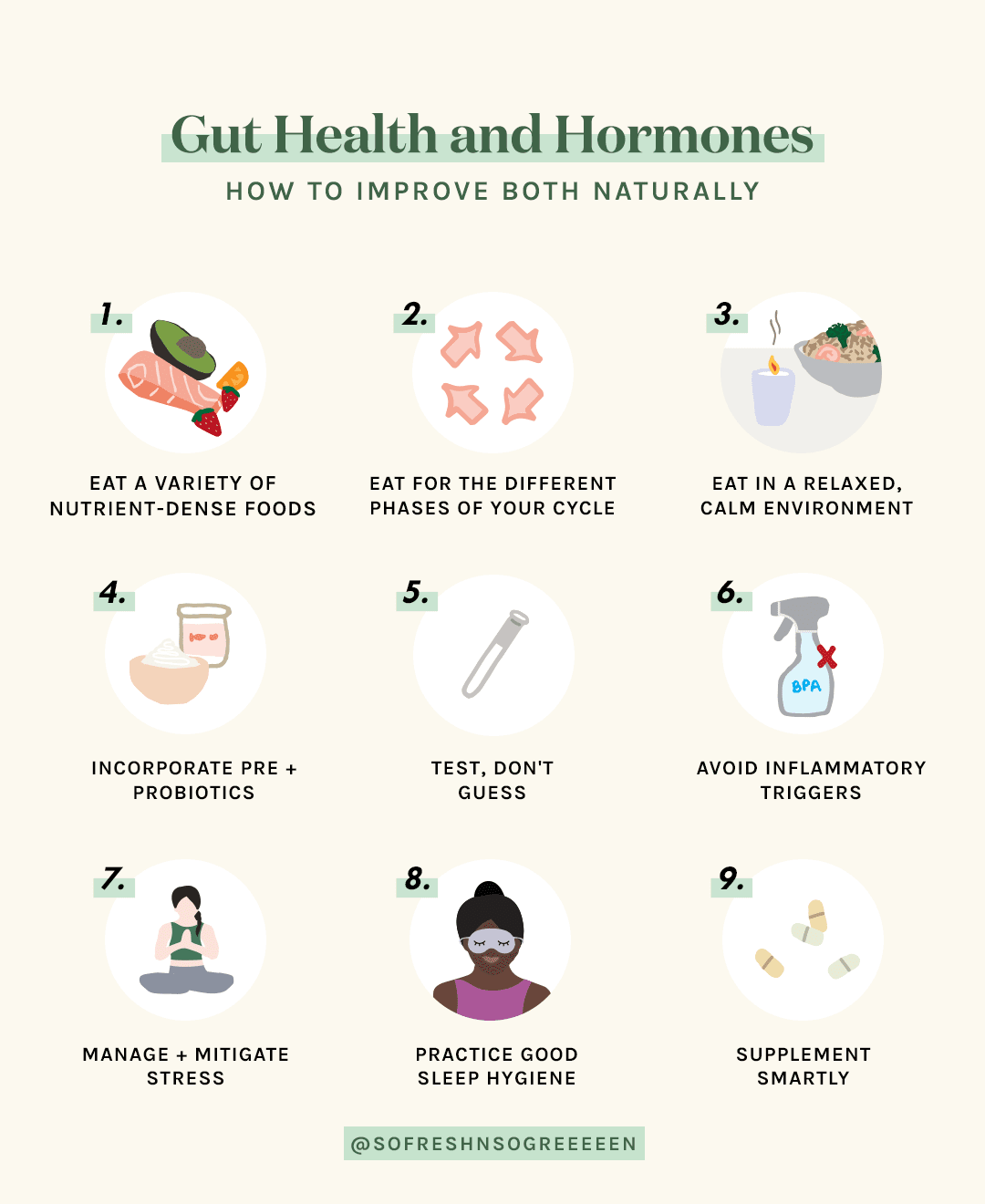
Maintaining a healthy gut is essential for overall health and hormonal balance. The gut microbiome plays a crucial role in hormone production and regulation. Follow these tips to support a healthy gut:
Eat fermented foods such as yogurt, kefir, sauerkraut, and kimchi. These foods contain beneficial bacteria that help to maintain a healthy gut microbiome.
Include prebiotics and probiotics in your diet. Prebiotic-rich foods like onions, garlic, and bananas provide nourishment for beneficial gut bacteria. Probiotic supplements or foods like yogurt can also help to support a healthy gut microbiome.
Avoid excessive antibiotic use unless absolutely necessary. Antibiotics can disrupt the balance of gut bacteria, potentially leading to hormonal imbalances. Only use antibiotics when prescribed by a healthcare professional and follow their instructions carefully.
Staying hydrated is important for gut health. Drink plenty of water throughout the day to support optimal digestion and maintain a healthy gut microbiome.
Get Sufficient Vitamins and Minerals
Obtaining sufficient vitamins and minerals is essential for hormonal health and overall well-being. Certain nutrients play a vital role in hormone production and function. Here are some key ones to focus on:
Vitamin D is important for hormone regulation, especially for reproductive health. Spend time outdoors to get natural sunlight, which helps the body produce vitamin D. If sunlight exposure is limited, consider taking a vitamin D supplement under the guidance of a healthcare professional.
Vitamin B12 is crucial for the production of red blood cells and maintaining a healthy nervous system. Include sources of vitamin B12 in your diet, such as eggs, dairy products, fish, and fortified foods. If you follow a plant-based diet, consider taking a B12 supplement.
Magnesium is involved in over 300 biochemical reactions in the body, including hormone production and regulation. Include magnesium-rich foods such as leafy green vegetables, nuts, seeds, and whole grains in your diet. Magnesium supplements can also be considered under the guidance of a healthcare professional.
Omega-3 fatty acids play a crucial role in hormone production and inflammation regulation. Include foods like fatty fish (salmon, mackerel, sardines), flaxseeds, chia seeds, and walnuts in your diet to ensure an adequate intake of omega-3 fatty acids. A fish oil supplement can also be considered under the guidance of a healthcare professional.
Consider Herbal Supplements
Certain herbal supplements may support hormonal health and overall well-being. Here are a few that may be worth considering:
Ashwagandha is an adaptogenic herb that has been used in traditional medicine to support hormonal balance. It may help to reduce stress levels and support overall well-being.
Maca is a root vegetable native to Peru that has gained popularity for its potential benefits in supporting hormonal health. It is believed to help balance hormones and improve energy levels.
Evening primrose oil contains gamma-linolenic acid (GLA), which may help to support hormonal balance, particularly in women. It is often used to alleviate symptoms of PMS and menopause.
Chasteberry, also known as Vitex, is a herb commonly used to support hormonal balance in women. It may help regulate menstrual cycles and alleviate symptoms of PMS.
Always consult with a healthcare professional before considering herbal supplements, especially if you have any underlying health conditions or are taking medications.
Limit Alcohol and Caffeine
Moderation is key when it comes to alcohol and caffeine consumption. Both substances can have an impact on hormone production and function if consumed in excess.
Limit alcohol consumption to moderate levels. Excessive alcohol intake can disrupt hormone levels and lead to imbalances. Aim for no more than one drink per day for women and two drinks per day for men.
Similarly, excessive caffeine intake can disrupt hormone production and function. Limit your daily caffeine intake to moderate levels. Aim for no more than 400 mg of caffeine per day, which is roughly equivalent to four cups of brewed coffee.
Be mindful of individual sensitivities and adjust your intake based on how caffeine affects your body. Some individuals may need to consume less caffeine or avoid it altogether to maintain optimal hormonal health.
Consult with a Healthcare Professional
Regular health check-ups are crucial for maintaining hormonal health and overall wellness. Consult with a healthcare professional to assess your hormonal health and address any concerns or imbalances.
During regular check-ups, discuss any hormonal concerns you may have with your healthcare professional. They can help evaluate your symptoms, perform necessary tests, and recommend appropriate treatments or lifestyle modifications.
Consider hormone therapy if necessary. In some cases, hormonal imbalances may require medical intervention. Your healthcare professional can guide you and determine whether hormone therapy is appropriate for your specific situation.
Remember, everyone’s hormonal health needs are unique, so it’s important to consult with a healthcare professional for personalized advice and guidance.