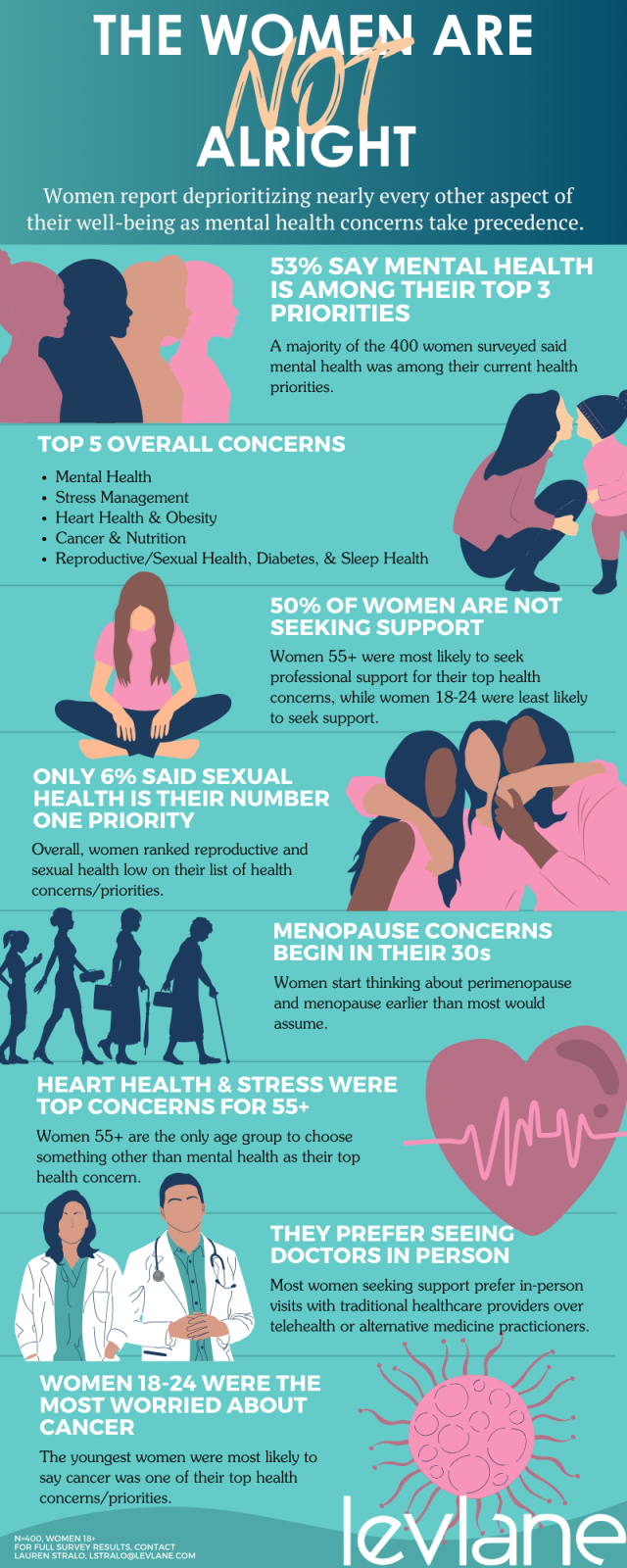
In this article, we explore the intricacies of women’s emotional health and well-being. With a focus on understanding the unique challenges and experiences that women face, we delve into the various factors that contribute to their emotional well-being. From societal pressures to hormonal fluctuations, this article aims to shed light on the importance of addressing and nurturing women’s emotional health. By gaining a deeper understanding of these issues, we can create a supportive environment that promotes women’s overall well-being.
Social and Emotional Factors
Importance of social connections
Having strong social connections is crucial for women’s emotional health and well-being. Building and maintaining relationships helps create a support system, which can provide comfort, advice, and a sense of belonging. These connections allow women to share their experiences, challenges, and joys, fostering deeper emotional connections and reducing feelings of isolation.
Emotional support networks
An emotional support network plays an essential role in women’s emotional well-being. These networks consist of family, friends, and loved ones who offer understanding, empathy, and active listening. Emotional support networks can provide a safe space for women to express their emotions, seek advice, and receive validation, which can contribute to a greater sense of happiness and fulfillment.
Impact of relationships on emotional well-being
The quality of relationships that women have can significantly impact their emotional well-being. Positive, healthy relationships characterized by trust, respect, and effective communication foster emotional security and happiness. On the other hand, toxic or abusive relationships can cause emotional distress, anxiety, and depression. It is important for women to cultivate relationships that uplift and support their emotional well-being while recognizing and leaving unhealthy relationships.
Mental Health
Prevalence of mental health issues in women
Mental health issues are prevalent among women, with studies consistently showing higher rates of disorders such as anxiety and depression compared to men. This disparity may be influenced by a combination of biological, social, and cultural factors. It is crucial to recognize and address these disparities to ensure proper support and treatment for women experiencing mental health challenges.
Common mental health disorders in women
Women are more prone to certain mental health disorders, including generalized anxiety disorder, panic disorder, and eating disorders. Factors such as hormonal fluctuations, societal expectations, and experiences of trauma or discrimination can contribute to the development of these disorders. Recognizing the signs and symptoms of these disorders and seeking professional help is essential for women’s mental health and overall well-being.
Mental stressors unique to women
Women face a variety of unique mental stressors that can impact their emotional health. Balancing multiple roles, such as being a caregiver, professional, and partner, can lead to increased stress levels. Additionally, reproductive health concerns, such as infertility, pregnancy-related complications, and menopause, can also contribute to mental distress. It is important to acknowledge and address these stressors to support women’s emotional well-being.
Hormonal Influences
Effect of hormonal changes on emotional health
Hormonal changes throughout a woman’s life, such as those occurring during puberty, the menstrual cycle, pregnancy, and menopause, can have a significant impact on emotional health. Fluctuating hormones can lead to mood swings, irritability, and emotional sensitivity. Understanding the role of hormones in emotional well-being can help women navigate these changes and seek appropriate support when needed.
Menstrual cycle and mood fluctuations
Many women experience mood fluctuations during different phases of their menstrual cycle. Hormonal changes, such as fluctuations in estrogen and progesterone levels, can contribute to premenstrual syndrome (PMS), which may cause mood swings, irritability, and feelings of sadness or anxiety. Tracking these patterns and practicing self-care during menstruation can help mitigate the impact on emotional well-being.
Role of hormones in postpartum depression
After childbirth, women may experience postpartum depression, which is thought to be influenced by hormonal changes. The abrupt drop in hormone levels, along with the physical and emotional adjustments of motherhood, can contribute to feelings of sadness, anxiety, and fatigue. Understanding the role of hormones and seeking support from healthcare professionals is vital for identifying and treating postpartum depression effectively.
Life Transitions
Impact of major life events on emotional well-being
Major life events, such as moving to a new city, starting a new job, or experiencing the loss of a loved one, can significantly impact a woman’s emotional well-being. These transitions often involve adjustments, stress, and emotional vulnerability. It is important to acknowledge and give oneself time to process these changes, seek support, and practice self-care during these periods of transition.
Navigating career changes and identity
Career changes can be both exciting and challenging for women, as they often involve navigating shifting identities, responsibilities, and expectations. Adjusting to a new work environment, developing new skills, or seeking career advancement can cause stress and anxiety. Building a support network, practicing self-compassion, and setting realistic expectations can help women navigate these transitions with greater emotional well-being.
Effects of marriage and motherhood on mental health
Marriage and motherhood are significant life events that can bring immense joy and fulfillment, but they can also impact a woman’s mental health. Adjusting to the demands of balancing a partnership, parenting, and personal well-being can be challenging. It is important for women to communicate openly with their partners, seek support, and prioritize self-care to maintain emotional well-being while navigating these roles and responsibilities.
Self-Care Practices
Understanding the importance of self-care
Self-care is crucial for women’s emotional health and well-being. Prioritizing self-care involves recognizing and addressing personal needs, setting boundaries, and engaging in activities that bring joy and relaxation. Practicing self-care allows women to recharge, reduce stress, and cultivate emotional resilience, ultimately improving their overall well-being.
Healthy coping mechanisms and stress reduction techniques
Developing healthy coping mechanisms and stress reduction techniques is essential for managing emotional well-being. Engaging in activities such as exercise, meditation, mindfulness, and creative outlets can help reduce stress and promote emotional balance. Additionally, seeking professional help, such as counseling or therapy, can provide valuable tools and support for managing stress and addressing underlying emotional concerns.
Balancing responsibilities and personal well-being
Women often juggle multiple responsibilities, including work, family, and personal obligations. Balancing these responsibilities while maintaining personal well-being can be challenging. Prioritizing self-care, setting boundaries, and seeking support from loved ones can help women find a healthy equilibrium between responsibilities and personal needs.
Cultural and Societal Influences
Societal expectations and pressures on women
Societal expectations and pressures play a significant role in women’s emotional health. Unrealistic beauty standards, gender roles, and cultural norms can create undue pressure and impact self-esteem and body image. Challenging these expectations, promoting body positivity, and fostering inclusive environments can contribute to improved emotional well-being and self-acceptance.
Cultural norms affecting emotional health
Cultural norms and beliefs may influence how emotional health is perceived and addressed. Some cultures may stigmatize mental health concerns or prioritize the collective well-being over individual emotional needs. Understanding and challenging these cultural norms, along with promoting culturally sensitive mental health resources, can help women access appropriate support and address emotional concerns.
Addressing stigmas and promoting self-acceptance
Addressing stigmas surrounding mental health and promoting self-acceptance are vital for women’s emotional well-being. Breaking the silence surrounding mental health challenges and encouraging open conversations can reduce stigmatization and contribute to a culture of acceptance and support. Promoting self-acceptance and self-compassion allows women to embrace their emotions and seek help when needed without judgment or shame.
Physical Health and Well-being
Link between physical and emotional health
Physical and emotional health are deeply interconnected. Engaging in regular physical activity, maintaining a nutritious diet, and getting sufficient sleep can positively impact emotional well-being. Physical health practices promote the release of endorphins, reduce stress levels, and improve overall mood, contributing to improved emotional health.
Importance of exercise and nutrition for mental well-being
Regular exercise and a balanced, nutritious diet are important elements for maintaining mental well-being. Exercise releases neurotransmitters such as endorphins, serotonin, and dopamine, which are known to improve mood and reduce symptoms of anxiety and depression. Similarly, a diet rich in essential nutrients, including omega-3 fatty acids and B vitamins, supports brain health and emotional well-being. Prioritizing exercise and nutrition can have positive effects on women’s overall mental health.
Impact of chronic illnesses on emotional well-being
Living with a chronic illness can significantly impact a woman’s emotional well-being. Coping with pain, managing treatment, and adjusting to lifestyle changes can cause stress, anxiety, and depression. Seeking support from healthcare professionals, engaging in support groups, and developing coping strategies can help women navigate the emotional challenges associated with chronic illness.
Trauma and PTSD
Understanding the impact of trauma on emotional health
Experiencing trauma, whether it be physical, emotional, or psychological, can have long-lasting effects on a woman’s emotional health. Trauma can lead to conditions such as post-traumatic stress disorder (PTSD), anxiety disorders, and depression. Understanding the impact of trauma and creating a safe environment for healing and support is essential for women on their path to emotional well-being.
Recognizing symptoms of PTSD
Post-traumatic stress disorder (PTSD) is a mental health condition that can develop after experiencing or witnessing a traumatic event. Symptoms of PTSD include intrusive thoughts, nightmares, flashbacks, heightened anxiety, and emotional numbness. Recognizing these symptoms and seeking professional help is crucial for women who may be living with PTSD.
Seeking help and support for trauma recovery
Seeking help and support is essential for women who have experienced trauma and are working towards recovery. Therapy, counseling, and support groups are valuable resources for women to process their emotions, learn coping strategies, and find support from others who have had similar experiences. It is important for women to prioritize their healing journey and reach out for help when needed.
Resilience and Empowerment
Building resilience and emotional strength
Building resilience is crucial for women’s emotional well-being. Resilience refers to the ability to bounce back from challenges, adapt to adversity, and maintain emotional well-being. Cultivating resilience involves developing healthy coping mechanisms, fostering a positive mindset, and seeking support when needed. By building emotional strength and resilience, women can navigate life’s challenges with greater ease and overall well-being.
Promoting self-empowerment and assertiveness
Promoting self-empowerment and assertiveness is essential for women’s emotional well-being. Empowerment involves recognizing one’s own worth and capabilities, setting boundaries, and advocating for oneself. Fostering assertiveness skills allows women to express their needs, desires, and opinions effectively, contributing to improved self-esteem and emotional health.
Overcoming societal limitations and stereotypes
Societal limitations and stereotypes can restrict women’s emotional well-being. Overcoming these limitations involves challenging gender norms and biases, advocating for equal opportunities, and promoting inclusivity. By empowering women to break free from societal restrictions, they can lead fulfilling lives and improve their emotional well-being.
Seeking Support and Seeking Help
Importance of seeking support for emotional well-being
Seeking support is essential for women’s emotional well-being. Whether it is from friends, family, or mental health professionals, having a support system can provide emotional validation, guidance, and a sense of belonging. Seeking support can enhance resilience, foster personal growth, and improve overall emotional well-being.
Identifying when professional help is needed
Recognizing the need for professional help is important for women experiencing emotional challenges. If symptoms of anxiety, depression, or other mental health concerns persist and interfere with daily life, it may be time to seek professional help. Mental health professionals can provide proper diagnoses, formulate effective treatment plans, and offer support tailored to individual needs.
Resources and avenues for seeking help
There are numerous resources available for women seeking help for their emotional well-being. Local mental health clinics, counseling centers, and online therapy platforms offer a range of services to support women’s mental health. Beyond professional help, support groups, helplines, and community organizations can also provide valuable support and guidance. Women should explore these resources to access the help they need on their journey to emotional well-being.
In conclusion, understanding women’s emotional health and well-being involves considering various factors, including social connections, mental health, hormonal influences, life transitions, self-care practices, cultural and societal influences, physical health, trauma, resilience, and seeking support. By addressing and prioritizing these aspects, women can cultivate emotional well-being and lead fulfilling lives. It is essential to recognize the unique challenges women face and create a supportive environment that promotes self-acceptance, empowerment, and the seeking of help when needed.