

Are you feeling overwhelmed and stressed in your daily life? If so, it might be time to focus on building healthy habits for a balanced mind. In this article, we will explore some simple yet effective ways to nurture your mental well-being and promote a sense of balance in your day-to-day activities. By incorporating these habits into your routine, you can find inner peace, improve your overall mental health, and live a more fulfilling life. So, let’s dive in and discover how you can create a calmer, happier, and more balanced mind.

1. Exercise regularly
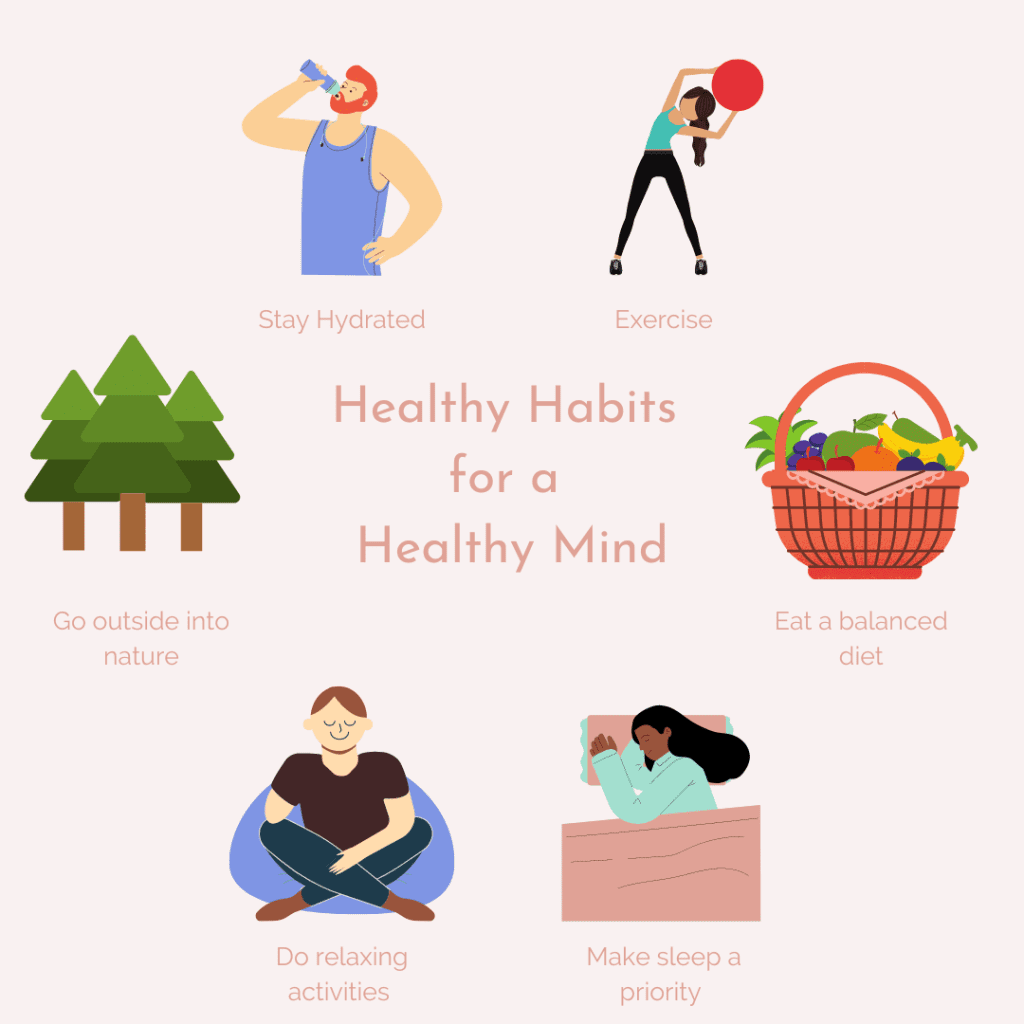
Regular exercise is not only beneficial for your physical health but also plays a crucial role in maintaining a balanced mind. Engaging in regular exercise has numerous benefits, including reducing stress levels, boosting mood, and improving sleep quality. Exercise helps release endorphins, which are natural mood lifters, and can also increase the production of serotonin, a neurotransmitter that contributes to feelings of well-being. Additionally, exercise promotes better cognitive function and can help reduce symptoms of anxiety and depression.
To start incorporating exercise into your routine, it’s essential to find activities that you enjoy. This can be anything from going for a run, cycling, swimming, or even practicing yoga or dancing. Experiment with different types of exercise to find what suits you best and keeps you motivated. It’s also vital to set realistic goals and gradually increase the intensity and duration of your workouts. Creating a regular exercise routine that fits into your schedule is crucial for long-term success. Consider incorporating exercise into your daily life by dedicating specific times for physical activity and making it a priority.
2. Prioritize sleep
Quality sleep is a fundamental pillar of mental health and well-being. Getting enough restful sleep each night allows your body and mind to recover, recharge, and prepare for the challenges of the next day. Lack of sleep can negatively impact your mood, cognitive function, and overall mental well-being.
To prioritize sleep, establish a consistent sleep schedule by going to bed and waking up at the same time every day, even on weekends. This helps regulate your body’s internal clock and promotes better sleep quality. Creating a relaxing bedtime routine can also signal to your body that it’s time to rest. Avoid stimulating activities such as using electronic devices before bed, and instead, engage in calming activities like reading or taking a warm bath. Additionally, create a sleep-friendly environment by keeping your bedroom cool, dark, and quiet.
3. Practice mindfulness
Mindfulness is the practice of paying attention to the present moment without judgment. It involves intentionally focusing your attention on your thoughts, feelings, bodily sensations, and the environment around you. Practicing mindfulness can have a profound impact on your mental well-being.
Mindfulness has been shown to reduce stress, anxiety, and symptoms of depression. It enhances self-awareness, improves concentration, and increases overall feelings of calm and contentment. There are various techniques you can use to cultivate mindfulness, including mindful breathing, body scans, and guided meditation. Incorporating mindfulness into your daily routine, even for just a few minutes a day, can have significant benefits for your mental health.
4. Engage in positive self-talk
Negative self-talk can significantly impact your mental well-being. It’s important to recognize and challenge negative thoughts and replace them with positive ones. By reframing negative thoughts into more positive and realistic ones, you can cultivate a more supportive and compassionate inner dialogue.
Start by becoming aware of negative self-talk patterns. When you catch yourself engaging in negative thoughts, challenge them by asking yourself if they are based on facts or if there might be alternative explanations. Replace negative thoughts with more positive and encouraging ones, focusing on your strengths and achievements. Using affirmations, such as repeating positive statements about yourself, can also help rewire your mindset and build self-confidence.

5. Maintain a healthy diet
Proper nutrition is not only essential for physical health but also plays a crucial role in supporting mental well-being. The food we consume directly impacts brain function, mood, and overall mental health. A well-balanced diet rich in nutrients is key to maintaining optimal mental well-being.
Incorporate foods that are high in omega-3 fatty acids, such as fatty fish, walnuts, and flaxseeds, as they have been linked to reduced symptoms of depression and anxiety. Eating a variety of fruits and vegetables provides important vitamins, minerals, and antioxidants that support brain health. Whole grains, lean proteins, and healthy fats also contribute to a well-rounded and nourishing diet.
Meal planning and preparation can help ensure you have nutritious meals readily available even on busy days. Make a habit of cooking meals at home using fresh ingredients, and consider batch cooking or prepping meals in advance to save time and make healthier choices easier.
6. Limit screen time
Excessive screen time can have detrimental effects on mental health. While technology can be useful and entertaining, spending too much time in front of screens can contribute to feelings of isolation, increased stress levels, and disrupted sleep patterns.
Setting boundaries and time limits for screen usage is essential for maintaining a balanced mind. Establish designated screen-free times, such as during meals or before bed, to disconnect and engage in other activities. Find alternative ways to spend your time, such as engaging in hobbies, spending time outdoors, or connecting with friends and loved ones face-to-face. By limiting screen time, you can create space for more fulfilling activities and improve your overall mental well-being.
7. Foster social connections
Strong social connections and a sense of belonging are crucial for mental well-being. Having a support system and maintaining meaningful relationships can provide emotional support, reduce stress levels, and increase feelings of happiness and fulfillment.
To foster social connections, make an effort to build and maintain relationships with friends, family, and colleagues. Reach out to loved ones regularly, whether it’s through phone calls, video chats, or in-person meetups. Joining social clubs or organizations that align with your interests can also provide opportunities to meet new people and expand your social network. Investing time and energy into nurturing social connections can greatly contribute to your mental well-being.
8. Set realistic goals
Goal-setting is a powerful tool for motivation and personal growth. By setting realistic and achievable goals, you can give yourself something to strive towards and feel a sense of accomplishment when you reach them. Goals provide direction, focus, and a sense of purpose, which are all important for maintaining a balanced mind.
Using the SMART goal-setting approach can help you set goals that are specific, measurable, attainable, relevant, and time-bound. Break your larger goals into smaller, manageable steps to make them more achievable and increase your chances of success. Celebrate your progress along the way and adjust your goals as needed. By setting realistic goals and working towards them, you can foster a sense of personal fulfillment and motivation.

9. Practice self-care
Taking care of your own well-being is essential for maintaining a balanced mind. Prioritize self-care activities that nourish your body, mind, and soul. Engaging in self-care not only helps reduce stress levels but also promotes overall mental well-being and resilience.
Self-care activities can vary depending on your preferences and interests. It can be as simple as taking a relaxing bath, going for a walk in nature, or indulging in a creative hobby. Allocate regular time for self-care, whether it’s daily or weekly, and make it a non-negotiable part of your routine. By investing time and energy into yourself, you can recharge and show up as your best self in all areas of life.
10. Seek professional help when needed
Recognizing when professional help may be necessary is crucial for addressing any mental health challenges and seeking assistance. Sometimes, despite our best efforts and healthy habits, there may be underlying issues that require the expertise of a mental health professional.
Pay attention to any signs or symptoms that persist or significantly impact your daily life. These may include persistent feelings of sadness or hopelessness, changes in appetite or sleep patterns, difficulty concentrating, or thoughts of self-harm. If you experience any of these symptoms or other concerning mental health issues, reach out to a mental health professional or your primary care physician for guidance.
Finding the right mental health professional can involve some trial and error, but it’s important to find someone you feel comfortable talking to and who can provide the support and guidance you need. Overcoming any stigma associated with seeking help is crucial for prioritizing your mental health and well-being. Remember that reaching out for assistance is a sign of strength, and professional help can provide valuable tools and resources to support your journey towards a balanced mind.