
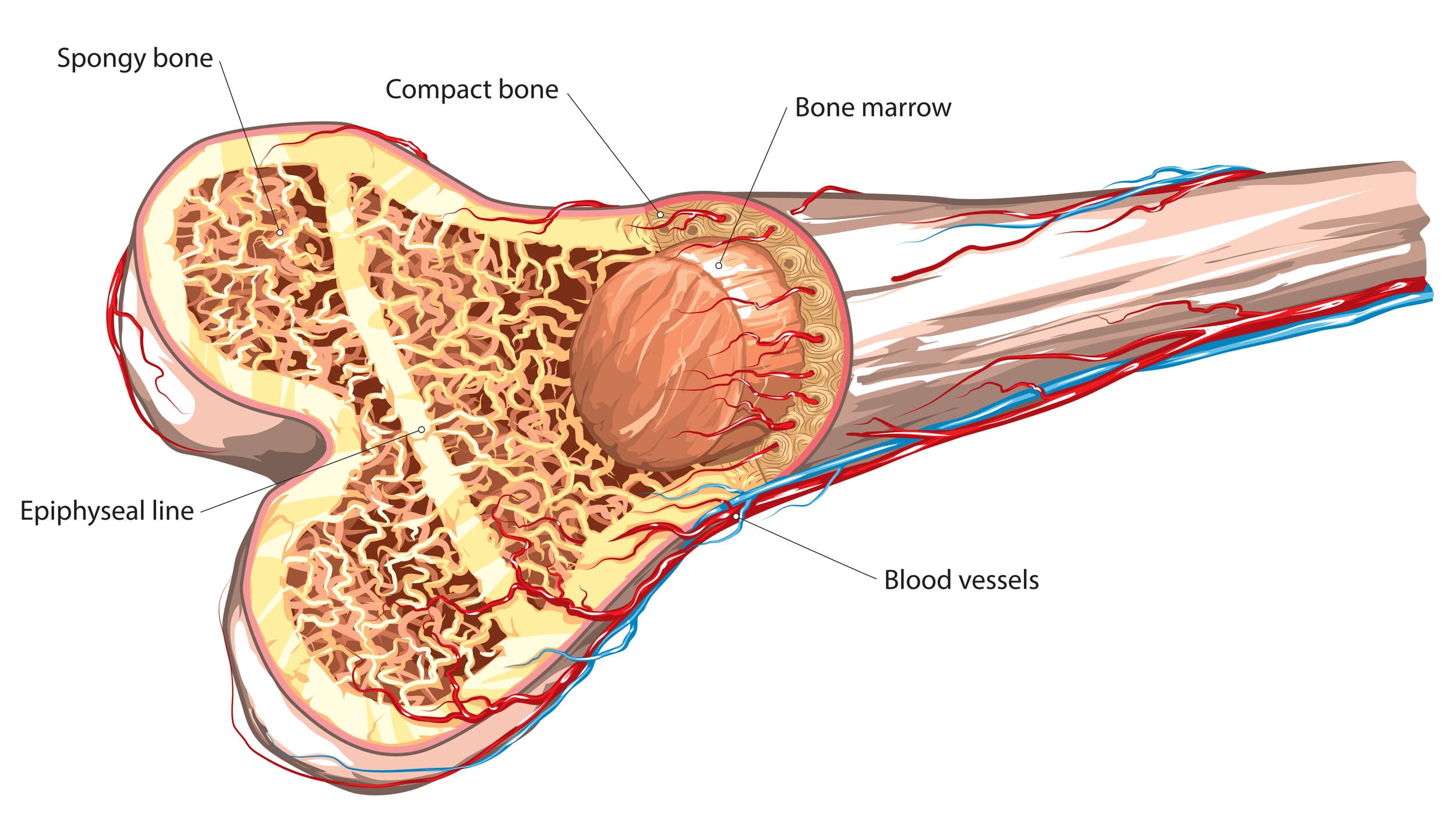
Are you eager to take charge of your bone health and ensure a strong foundation for the years to come? Look no further! “The Complete Guide to Women’s Bone Health” has arrived to equip you with all the vital information you need. From understanding the unique factors influencing women’s bone health to exploring the best strategies for prevention and maintenance, this comprehensive guide is your ultimate resource. Discover the key tips, exercises, and dietary habits that will empower you to prioritize your bone health and thrive in every aspect of your life. It’s time to embrace a future of strength, resilience, and lifelong vitality!
Understanding Bone Health
What is bone health?
Bone health refers to the overall strength and wellness of our skeletal system. It encompasses various factors including bone density, structural integrity, and the ability to resist fractures and other injuries. Maintaining good bone health is crucial for a healthy and active lifestyle, as bones provide support to our body, protect vital organs, and allow us to engage in physical activities.
Why is bone health important for women?
Bone health is particularly important for women due to several reasons. Women tend to have lower bone density compared to men, and they also experience unique changes in hormones, especially during menopause, which can affect bone health. In addition, women are more prone to conditions like osteoporosis, osteopenia, and menopause-related bone loss. By focusing on bone health, women can reduce the risk of fractures and other bone-related issues later in life.
Common bone health concerns in women
There are several common bone health concerns that women should be aware of. Osteoporosis, a condition characterized by weak and brittle bones, is a significant concern. Osteopenia, a precursor to osteoporosis, is another common condition. Menopause-related bone loss, which occurs due to hormonal changes during menopause, can also affect bone health. Lastly, stress fractures, often seen in athletes or individuals with repetitive impact on their bones, can impact bone strength and integrity.
Factors Affecting Women’s Bone Health
Hormonal changes
Hormonal changes, particularly during menopause, can have a significant impact on bone health in women. Estrogen plays a crucial role in maintaining bone density, and its decline during menopause can lead to a loss of bone mass. This decline in estrogen levels makes women more susceptible to conditions like osteoporosis and osteopenia. Additionally, certain hormonal disorders can also affect bone health.
Nutrition and diet
Proper nutrition, especially consuming adequate amounts of calcium and vitamin D, is essential for maintaining strong and healthy bones. Calcium is a key mineral that helps build and maintain bone density, while vitamin D facilitates the absorption of calcium. Women should aim to consume calcium-rich foods like dairy products, leafy greens, and fortified products. It’s also important to ensure sufficient vitamin D intake through sunlight exposure or supplements.
Physical activity and exercise
Regular physical activity and exercise are crucial for maintaining strong bones. Weight-bearing exercises, such as walking, running, and dancing, help stimulate bone formation and increase bone density. Resistance exercises, like lifting weights or using resistance bands, also contribute to bone strength. Additionally, balance and posture exercises can help prevent falls and reduce the risk of fractures. Engaging in a variety of exercises that target different muscle groups is key to promoting bone health.
Smoking and alcohol consumption
Smoking and excessive alcohol consumption can both have negative effects on bone health. Smoking has been linked to a higher risk of osteoporosis, as it reduces estrogen levels and impairs the body’s ability to absorb calcium. Similarly, excessive alcohol consumption can decrease bone density and increase the risk of fractures. Quitting smoking and limiting alcohol intake are important steps toward maintaining optimal bone health.
Medical conditions and medications
Certain medical conditions and medications can affect bone health in women. Conditions like rheumatoid arthritis, celiac disease, and hormonal disorders can impact bone density. Additionally, medications like corticosteroids, anticonvulsants, and some cancer treatments may weaken bones. It’s essential for women to communicate with their healthcare provider about any medical conditions or medications that may potentially impact bone health.
Assessing Bone Health
Bone density screenings
Bone density screenings, typically done through a dual-energy x-ray absorptiometry (DXA) scan, are used to assess bone mineral density. These screenings can help identify the presence of osteoporosis or osteopenia. The results of the screening are usually presented as a T-score, which compares bone density to that of a healthy young adult. Regular bone density screenings are recommended for women over the age of 65, or younger women with risk factors for bone loss.
Calcium and vitamin D levels
Measuring calcium and vitamin D levels is another way to assess bone health. Blood tests can determine if there are any deficiencies in these essential nutrients. Low calcium or vitamin D levels can indicate a higher risk of bone-related issues. If deficiencies are detected, supplements or dietary changes can be recommended to restore optimal levels and support bone health.
Other diagnostic tests
In certain cases, additional diagnostic tests may be recommended to assess bone health. These can include blood tests to measure markers of bone turnover, which provide information about the rate of bone formation and breakdown. Bone scans, such as a computed tomography (CT) scan or magnetic resonance imaging (MRI), may also be used to detect fractures, tumors, or other abnormalities in the bones.
Maintaining Bone Health
A balanced diet rich in calcium and vitamin D
Maintaining a balanced diet that incorporates foods rich in calcium and vitamin D is essential for bone health. Calcium can be obtained from dairy products, fortified alternatives like soy milk, leafy greens, and nuts. Vitamin D can be sourced from sunlight exposure and foods like fatty fish, egg yolks, and fortified products. Supplementing with calcium and vitamin D can be considered if dietary intake is insufficient.
Weight-bearing and muscle-strengthening exercises
Engaging in weight-bearing exercises, such as walking, jogging, or dancing, can help maintain and improve bone density. These activities put stress on the bones, stimulating them to become stronger. Muscle-strengthening exercises, like lifting weights or doing resistance training, also contribute to bone health. It’s important to consult with a healthcare provider or fitness professional to develop an exercise routine that suits individual needs and abilities.
Quitting smoking and limiting alcohol intake
As mentioned earlier, smoking and excessive alcohol consumption have negative effects on bone health. Quitting smoking is crucial, as it improves overall health and reduces the risk of osteoporosis. Additionally, limiting alcohol intake to moderate levels or avoiding it altogether can help maintain optimal bone density and reduce fractures.
Managing medical conditions and medications that affect bone health
For women with medical conditions or taking medications that impact bone health, it’s essential to work closely with healthcare providers to manage these factors. Properly managing conditions like rheumatoid arthritis or hormonal disorders can help reduce the risk of bone loss. Healthcare providers can also explore alternative medications that have a lesser impact on bone health, if possible.
Preventing Osteoporosis
Understanding osteoporosis
Osteoporosis is a condition characterized by low bone density and deterioration of bone tissue, leading to weak and fragile bones. It primarily affects older individuals, particularly postmenopausal women, although it can occur in men as well. Osteoporosis increases the risk of fractures, most commonly in the hip, spine, and wrist. Understanding the risk factors, symptoms, and consequences of osteoporosis is crucial in its prevention and management.
Preventive measures
Preventing osteoporosis involves a combination of lifestyle modifications and medical interventions. Ensuring a calcium and vitamin D-rich diet, engaging in regular weight-bearing and muscle-strengthening exercises, quitting smoking, and limiting alcohol consumption are important preventive measures. Additionally, hormone replacement therapy (HRT) or other medications may be prescribed by healthcare providers for women at high risk of osteoporosis or those already diagnosed with the condition.
Bone-healthy lifestyle choices
Adopting bone-healthy lifestyle choices can significantly reduce the risk of osteoporosis. This includes maintaining a well-balanced diet, engaging in regular exercise, prioritizing bone health screenings, avoiding smoking, and practicing moderation when consuming alcohol. These lifestyle choices, when combined, have a cumulative effect in maintaining and improving bone health throughout a woman’s life.
Common Bone Health Issues in Women
Osteoporosis
Osteoporosis is a common bone health issue, particularly in postmenopausal women. As mentioned earlier, it is characterized by low bone density and increased risk of fractures. Women with a family history of osteoporosis, advanced age, low body weight, or certain medical conditions are at a higher risk. Prevention, early detection, and appropriate treatment can help manage osteoporosis effectively.
Osteopenia
Osteopenia refers to a condition where bone mineral density is lower than normal but not low enough to be classified as osteoporosis. It often precedes the development of osteoporosis and can be seen as a warning sign. Managing osteopenia through lifestyle modifications and appropriate medical interventions can help prevent its progression to osteoporosis.
Menopause-related bone loss
During menopause, women experience a decline in estrogen levels, which can significantly impact bone health. This hormonal change can lead to a rapid loss of bone mass, making women particularly vulnerable to osteoporosis during this stage. Hormone replacement therapy and lifestyle modifications can help mitigate menopause-related bone loss and reduce the risk of fractures.
Stress fractures
Stress fractures are small cracks or severe bruising within a bone, usually caused by repetitive impact or stress on the bones. Athletes or individuals engaged in high-intensity activities are particularly susceptible to stress fractures. Ensuring proper warm-up, cool-down, and adequate rest periods, as well as wearing appropriate footwear, can help prevent stress fractures and promote bone health.
Bone Health Supplements
Calcium supplements
Calcium supplements may be recommended to ensure adequate daily intake when dietary sources are insufficient. These supplements are available in various forms such as calcium carbonate or calcium citrate. It’s important to follow healthcare provider recommendations regarding the dosage and timing of calcium supplements to maximize their effectiveness and minimize any potential side effects.
Vitamin D supplements
Vitamin D supplements are often prescribed in conjunction with calcium supplements. Since the body requires vitamin D to absorb calcium, maintaining optimal vitamin D levels is essential for supporting bone health. Supplements can help achieve adequate vitamin D levels, especially in individuals with limited sunlight exposure or those with certain medical conditions.
Other bone-supporting supplements
In addition to calcium and vitamin D, there are other supplements that can support bone health. These may include magnesium, phosphorus, vitamin K, and various trace minerals. However, it’s important to consult with a healthcare provider before taking any supplements to ensure they are suitable and safe for individual needs.
Lifestyle Modifications for Strong Bones
Exposure to sunlight
Sunlight exposure is an important source of vitamin D, which is essential for calcium absorption and bone health. Spending time outdoors and getting direct sunlight on the skin (without sunscreen) for around 10 to 15 minutes a day can help maintain optimal vitamin D levels. However, it’s important to protect the skin from excessive sun exposure to reduce the risk of skin damage and potential skin cancers.
Quitting smoking
Quitting smoking is beneficial for overall health, including bone health. Smoking has been linked to a higher risk of osteoporosis and can negatively impact bone density. By quitting smoking, individuals can reduce the risk of bone-related issues and improve overall bone health.
Limiting alcohol consumption
Excessive alcohol consumption has been associated with a decrease in bone density and an increased risk of fractures. Women should aim to consume alcohol in moderation, adhering to guidelines set by healthcare professionals. Limiting alcohol intake plays a vital role in maintaining optimal bone health.
Maintaining a healthy weight
Maintaining a healthy weight is crucial for overall health, including bone health. Both being underweight and overweight can negatively impact bone density and increase the risk of fractures. A well-balanced diet, regular exercise, and overall healthy lifestyle choices can help individuals achieve and maintain a healthy weight, supporting optimal bone health.
Exercises for Stronger Bones
Weight-bearing exercises
Weight-bearing exercises involve activities where your body works against gravity while on your feet. These exercises stimulate the bones to build and maintain their density. Walking, jogging, hiking, dancing, and jumping rope are excellent weight-bearing exercises that can help strengthen bones and improve overall bone health.
Resistance exercises
Resistance exercises, such as lifting weights or using resistance bands, target specific muscle groups and help improve bone strength. These exercises create tension in the muscles, which in turn puts stress on the bones and stimulates them to become stronger. Incorporating resistance exercises into a workout routine can aid in maintaining bone health and preventing bone loss.
Balance and posture exercises
Balance and posture exercises not only help improve stability but also contribute to bone health. These exercises focus on strengthening the muscles responsible for maintaining proper alignment and balance. Tai Chi, yoga, and Pilates are examples of exercises that can enhance both posture and balance, reducing the risk of falls and fractures.
Seeking Professional Help
Consulting with a healthcare professional
Consulting with a healthcare professional, such as a primary care physician or an endocrinologist, is essential for assessing and managing bone health. These professionals can conduct necessary screenings, evaluate individual risk factors, provide personalized recommendations, and monitor bone health over time. Regular check-ups and open communication with healthcare providers can ensure optimal bone health.
Seeking specialized care
In some cases, specialized care from a bone health specialist or orthopedic specialist may be necessary. These experts can provide further guidance, conduct more advanced diagnostic tests if needed, and develop specialized treatment plans tailored to individual needs. Seeking specialized care can be beneficial, especially for women at high risk of bone-related issues or those already diagnosed with conditions like osteoporosis.
Support groups and resources
Living with bone health conditions can sometimes be challenging. Joining support groups or seeking resources from reputable organizations can provide valuable support and information. These groups and resources can offer educational materials, connect individuals with others experiencing similar challenges, and provide a platform for sharing experiences and coping strategies.
In conclusion, understanding and prioritizing bone health is crucial for women of all ages. By adopting a bone-healthy lifestyle, including proper nutrition, regular exercise, and avoidance of harmful behaviors like smoking and excessive alcohol consumption, women can reduce the risk of bone-related issues and maintain strong bones throughout their lives. Regular check-ups with healthcare professionals and seeking specialized care when necessary are important steps in ensuring optimal bone health. With the right knowledge and proactive approach, women can take charge of their bone health and enjoy a life full of strength and vitality.