Looking to take your workouts to the next level? Look no further! In this article, you will discover some effective ways to incorporate interval training into your fitness routine. Interval training is a powerful technique that alternates between high-intensity bursts of exercise and short recovery periods. Not only does it help improve endurance and burn calories, but it also keeps your workouts exciting and engaging. Whether you’re a beginner or a seasoned athlete, these tips will help you make the most out of your interval training sessions. Get ready to challenge your body and achieve your fitness goals in no time!
1. Understanding Interval Training
What is Interval Training?
Interval training is a method of exercise that involves alternating between periods of high-intensity exercise and periods of rest or lower intensity. It is a highly effective way to improve cardiovascular fitness, burn calories, and boost overall athletic performance. By pushing your body to its limits during the intense bursts of exercise and then allowing it to recover during the rest periods, interval training helps to maximize the efficiency and effectiveness of your workouts.
Benefits of Interval Training
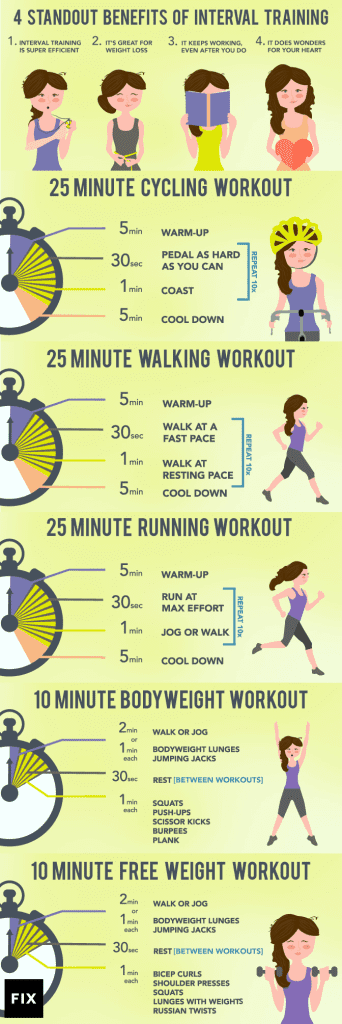
Interval training offers numerous benefits that make it a popular choice among fitness enthusiasts. Firstly, it increases your aerobic and anaerobic capacity by challenging your cardiovascular and muscular systems to adapt to the demands of intense exercise. This leads to improved endurance and power. Secondly, interval training is a time-efficient workout method. Since it combines high-intensity bursts with periods of rest, you can achieve optimal results in less time compared to traditional steady-state cardio workouts. Additionally, interval training promotes fat loss and boosts metabolism, making it an effective tool for weight management. Lastly, interval training can be easily customized to suit your specific fitness goals and can be adapted to accommodate different fitness levels and preferences.
2. Determining Your Fitness Level
Assessing Your Current Fitness Level
Before embarking on an interval training program, it is important to assess your current fitness level. This will help you determine where you are starting from and set realistic goals for yourself. You can assess your fitness level by performing tests to measure your cardiovascular endurance, muscular strength, and flexibility. Common tests include a 1-mile run or a timed 3-minute step test for cardiovascular endurance, push-ups or bench press for muscular strength, and sit-and-reach test for flexibility. It is recommended to consult with a fitness professional or use online resources to ensure that your assessment is accurate and reliable.
Setting Realistic Goals
Once you have assessed your current fitness level, it is crucial to set realistic goals for yourself when incorporating interval training into your workouts. Goals can vary depending on individual preferences and objectives, but they should be specific, measurable, attainable, relevant, and time-bound (SMART). For example, a goal might be to improve your 1-mile run time by 30 seconds within 8 weeks. Setting realistic goals will help you stay motivated and provide a sense of accomplishment as you progress through your interval training program.
3. Choosing the Right Interval Training Method
High-Intensity Interval Training (HIIT)
High-Intensity Interval Training (HIIT) is one of the most popular and effective forms of interval training. It involves short bursts of maximum effort exercise followed by short rest periods. HIIT can be done with a variety of exercises such as sprinting, cycling, or bodyweight exercises. The high-intensity intervals not only challenge your cardiovascular system but also engage multiple muscle groups, leading to increased calorie burn and improved overall fitness.
Tabata Training
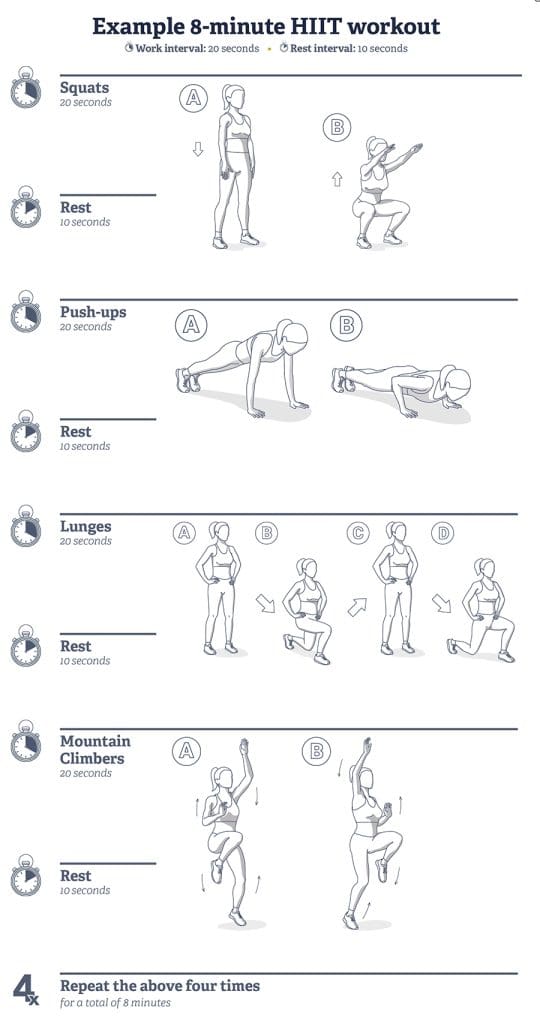
Tabata training is a specific type of HIIT named after Dr. Izumi Tabata, a Japanese researcher who popularized this method. It consists of 20 seconds of all-out exercise followed by 10 seconds of rest, repeated for a total of 4 minutes. Tabata training is known for its efficiency and effectiveness, as it pushes your body to the limit in a short amount of time. It is ideal for those who are short on time but still want to reap the benefits of interval training.
Fartlek Training
Fartlek training, derived from Swedish words meaning “speed play,” is a form of interval training that involves varying the intensity and duration of your running or aerobic exercises. By incorporating random bursts of high-intensity effort into your workout, such as sprinting to a certain landmark, and then returning to a steady pace, you can improve your endurance, speed, and overall cardiovascular fitness. Fartlek training allows for flexibility and creativity in designing your workouts and can be adapted to any fitness level.
Circuit Training
Circuit training combines interval training with resistance exercises, providing a comprehensive full-body workout. It involves performing a series of exercises in a circuit, with short rest periods between each exercise. The high-intensity nature of circuit training helps to build strength, improve cardiovascular fitness, and burn calories. This type of interval training is particularly beneficial for those looking to improve both their muscular strength and endurance.
4. Designing an Interval Training Workout
Warming Up Properly
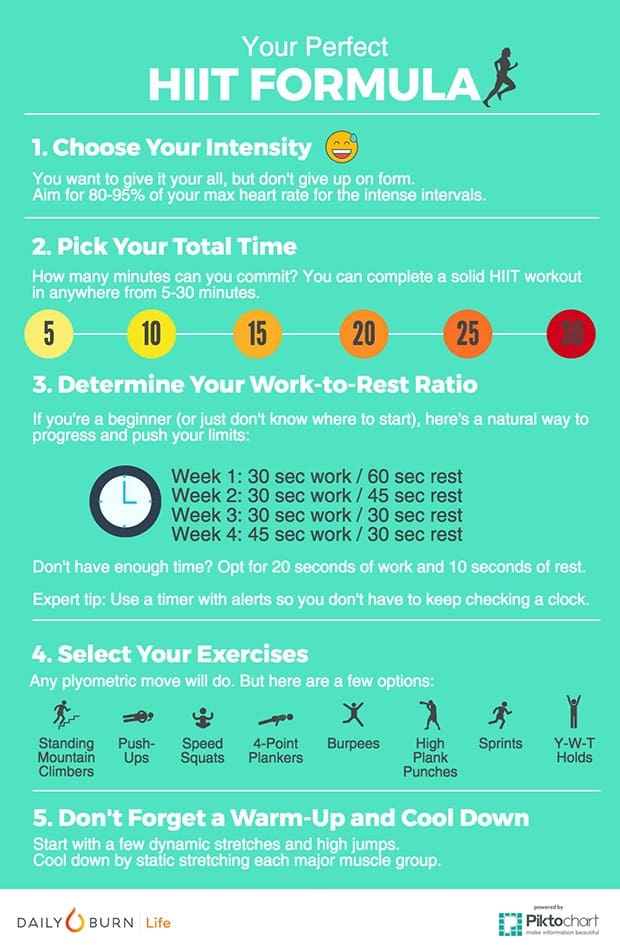
Before diving into your interval training workout, it is essential to warm up properly to prepare your body for the intense exercise ahead. A warm-up should consist of dynamic stretches and exercises that target the major muscle groups involved in your workout. This helps increase blood flow, improve flexibility, and reduce the risk of injury. Some warm-up exercises include jogging, high knees, arm circles, and leg swings. Aim for 5-10 minutes of light aerobic activity followed by dynamic stretches.
Structuring Your Intervals
When designing an interval training workout, it is important to structure your intervals in a way that challenges your body while still allowing for adequate recovery. The ratio of work to rest can vary depending on your fitness level and goals. For beginners, a good starting point is a 1:2 or 1:3 work-to-rest ratio. This means that if you perform 30 seconds of high-intensity exercise, you should allow yourself 60-90 seconds of rest before the next interval. As you progress, you can decrease the rest time and increase the work time to continue challenging yourself.
Selecting Exercises
When selecting exercises for your interval training workout, it is important to choose ones that target different muscle groups and offer a good balance of cardiovascular and strength training. This ensures that you are getting a well-rounded workout and maximizing the benefits of interval training. For example, you could incorporate exercises like burpees, mountain climbers, kettlebell swings, and jump squats. Remember to choose exercises that you are comfortable with and can perform with proper form to minimize the risk of injury.
Incorporating Rest Intervals
Rest intervals are an essential part of interval training as they allow your body to recover and recharge before the next high-intensity interval. During the rest intervals, you should focus on active recovery, such as walking or light jogging, to keep your heart rate elevated and maintain blood flow to your muscles. The duration of the rest intervals should be long enough to allow for sufficient recovery but not too long that it hinders the overall intensity of the workout.
Progressing Over Time
As you become more comfortable with interval training, it is important to continually challenge yourself by increasing the intensity or duration of your intervals. This progression can be achieved by increasing the work-to-rest ratio, increasing the number of intervals, or incorporating more challenging exercises. By continually pushing yourself outside of your comfort zone, you will continue to see improvements in your fitness level and maximize the benefits of interval training.
5. Utilizing Different Equipment
Treadmill Interval Training
Treadmill interval training is a popular choice for those who prefer running indoors or want to control their pace and incline. It involves alternating between periods of high-intensity running or sprinting and periods of slower jogging or walking. Incorporating incline intervals on the treadmill can further challenge your lower body muscles and increase the calorie burn. To design a treadmill interval training workout, start with a warm-up, then alternate between the high-intensity and low-intensity intervals for the desired duration, and finish with a cool-down.
Stationary Bike Interval Training
For those who prefer low-impact workouts or have joint issues, stationary bike interval training is an excellent option. It provides a challenging cardiovascular workout while minimizing the stress on your joints. Similar to treadmill interval training, you can vary the resistance and speed on the stationary bike to create different levels of intensity. Start with a warm-up, alternate between high-intensity sprints and low-intensity recovery periods, and finish with a cool-down.
Jump Rope Interval Training
Jump rope interval training is a versatile and affordable option that can be done anywhere with limited space. It combines cardiovascular exercise with coordination and endurance training. To incorporate jump rope intervals into your workout, start with a warm-up, then alternate between periods of high-intensity jumping and periods of rest. You can vary the jump rope techniques, such as high knees, double-unders, or crisscrosses, to keep the workout challenging and engaging. Finish with a cool-down and some stretching to prevent muscle tightness.
Bodyweight Interval Training
Bodyweight interval training is a convenient and effective option that requires minimal equipment. It utilizes your body weight as resistance to build strength, improve cardiovascular fitness, and increase overall mobility. Exercises such as push-ups, squats, lunges, planks, and burpees can be incorporated into your bodyweight interval training workout. Start with a warm-up, perform each exercise at a high intensity for the desired duration, and allow for rest periods in between. Finish with a cool-down and stretching to promote recovery.
6. Incorporating Interval Training into Cardio Workouts
Running
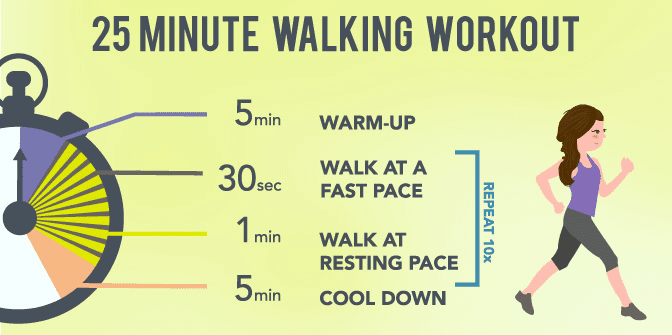
Running is an excellent form of cardiovascular exercise, and interval training can help you maximize its benefits. To incorporate interval training into your running routine, start with a warm-up, then alternate between periods of fast-paced running and recovery jogging or walking. This can be done by time intervals, such as running at a high intensity for 1 minute and recovering for 2 minutes, or by distance intervals, such as sprinting to a certain landmark and then recovering. Finish with a cool-down and stretching to prevent muscle tightness.
Cycling
Cycling is another great cardiovascular activity that can be transformed into a high-intensity interval training workout. Whether you prefer outdoor cycling or indoor cycling on a stationary bike, interval training can help challenge your cardiovascular system and build lower body strength. To incorporate interval training into your cycling workouts, start with a warm-up, then alternate between fast-paced sprints and recovery periods. You can vary the resistance, speed, and duration of each interval to keep the workout challenging and engaging. Finish with a cool-down and stretching.
Swimming
Swimming is a low-impact, full-body workout that can be enhanced with interval training. To incorporate interval training into your swimming routine, start with a warm-up, then alternate between swimming at a high intensity and swimming at a slower, recovery pace. You can vary the stroke, distance, or time intervals to keep the workout interesting. Interval training in the pool not only improves cardiovascular fitness but also enhances muscular endurance and overall body coordination. Finish with a cool-down and stretching in the water.
Rowing
Rowing is a fitness activity that engages both your upper and lower body muscles, making it an ideal choice for interval training. Whether you have access to a rowing machine or prefer rowing on the water, interval training can help you take your rowing workouts to the next level. To incorporate interval training into your rowing routine, start with a warm-up, then alternate between rowing at a high intensity and rowing at a lower intensity or rest. You can vary the duration or stroke rate of each interval to keep the workout challenging. Finish with a cool-down and stretching.
7. Combining Interval Training with Strength Training
Benefits of Combining Interval Training and Strength Training
Combining interval training with strength training offers a multitude of benefits for your overall fitness and performance. Firstly, it allows you to simultaneously improve cardiovascular fitness and build muscular strength and endurance. This combination helps to create a more balanced physique and enhances your overall athletic ability. Secondly, the intensity of interval training promotes increased calorie burn and metabolic rate, which can aid in weight loss and body composition improvements. Lastly, incorporating strength training exercises into your interval training workouts helps to target specific muscle groups and improves functional strength.
Splitting Your Workouts
To incorporate both interval training and strength training into your workouts effectively, it is essential to split your workouts into separate days or sessions. This allows you to focus on each component without compromising the quality or intensity of your exercises. For example, you could dedicate 2-3 days a week to interval training workouts and 2-3 days a week to strength training workouts. Be sure to allow for rest days in between to promote recovery and prevent overtraining.
Choosing Compound Exercises
When combining interval training and strength training, it is beneficial to choose compound exercises that target multiple muscle groups simultaneously. Compound exercises, such as squats, deadlifts, push-ups, and pull-ups, require more muscle recruitment and energy expenditure compared to isolation exercises. This provides a greater challenge to your cardiovascular system and promotes a higher calorie burn during your workouts. Additionally, compound exercises help to improve overall strength and functional movement patterns, which can enhance your performance in various activities.
8. Recovering Properly from Interval Training
Cooling Down After Workouts
After completing a challenging interval training workout, it is essential to cool down properly to help your body recover and return to its resting state. Cooling down allows your heart rate and breathing to gradually return to normal and helps prevent post-workout dizziness and muscle soreness. A proper cool-down can be achieved through 5-10 minutes of light aerobic activity or stretching exercises that target the major muscle groups you worked during your workout. This helps to flush out metabolic waste, reduce muscle tightness, and promote relaxation.
Stretching and Mobility Exercises
Stretching and mobility exercises are crucial components of post-workout recovery, especially after intense interval training. These exercises help improve flexibility, maintain joint range of motion, and reduce the risk of muscle imbalances and injuries. Focus on stretching the muscle groups that were primarily used during your workout, such as the quadriceps, hamstrings, calves, and shoulders. Incorporating dynamic stretches, such as leg swings or arm circles, can further enhance your mobility and flexibility.
Proper Nutrition and Hydration
Proper nutrition and hydration are paramount for recovery after interval training workouts. During intense exercise, your body utilizes glycogen stores for energy, and your muscles undergo microtears that need to be repaired. Consuming a balanced meal or snack within 30-60 minutes after your workout helps replenish glycogen stores and kickstarts the muscle recovery process. Include lean protein, complex carbohydrates, and healthy fats in your post-workout meal to promote muscle repair and growth. Hydration is equally important, so be sure to drink enough water throughout the day, especially during and after your workouts.
Rest and Recovery Days
Incorporating rest and recovery days into your training routine is crucial for allowing your body to repair and adapt to the demands of interval training. Rest days provide the necessary time for your muscles, joints, and nervous system to recover from the high-intensity workouts. It is important to listen to your body and take rest or active recovery days when needed. Active recovery can involve lighter activities such as yoga, walking, or stretching, which promote blood flow and aid in recovery without placing excessive stress on your body. By prioritizing rest and recovery, you ensure that your body is prepared for the next challenging interval training session.

9. Monitoring Your Progress
Tracking Workouts and Progression
Monitoring your progress is essential when incorporating interval training into your workouts. By tracking your workouts, you can measure your improvements, stay motivated, and identify areas that may need additional attention. Keep a workout journal or use a fitness tracking app to record the details of each interval training session, including the exercises, duration, intensity, and any additional notes or observations. This allows you to evaluate your progress over time and make adjustments as necessary to continuously challenge yourself.
Reassessing Your Fitness Level
Regularly reassessing your fitness level is important to ensure that your interval training program remains effective and aligned with your goals. Every few months, perform the same fitness tests that you did initially to gauge improvements in your cardiovascular endurance, muscular strength, and flexibility. You may also consider using heart rate monitors or fitness tracking devices that can provide additional data on your workouts and help you assess your progress objectively. Reassessing your fitness level allows you to set new goals and make necessary adjustments to your interval training program.
Making Adjustments
As you progress with your interval training workouts, it is important to make adjustments to continue challenging your body and avoiding plateaus. This can involve increasing the duration or intensity of your intervals, incorporating new exercises or equipment, or modifying the work-to-rest ratio. Gradual progression ensures that your body continues to adapt and improve while minimizing the risk of overtraining or injury. Consulting with a fitness professional or seeking guidance from experienced trainers can help you make appropriate adjustments based on your specific needs and goals.
10. Staying Motivated and Avoiding Burnout
Setting Short-Term and Long-Term Goals
Setting both short-term and long-term goals is an effective way to stay motivated and maintain consistency with your interval training workouts. Short-term goals can be achieved within a few weeks or months, while long-term goals may take several months or even years to accomplish. Short-term goals provide immediate satisfaction and a sense of accomplishment, while long-term goals keep you focused and accountable for your progress. Write down your goals, track your progress, and celebrate your achievements to maintain motivation and enthusiasm for interval training.
Varying Your Workouts
Repeating the same interval training workout can quickly lead to boredom and decreased motivation. To keep your workouts fresh and exciting, vary your exercises, interval durations, rest periods, and training methods. This not only challenges your body in different ways but also prevents mental burnout. You can try new exercises, experiment with different intervals and intensities, or explore alternative training methods, such as outdoor boot camps or group fitness classes. Incorporating variety into your workouts keeps you engaged, motivated, and eager to continue your interval training journey.
Finding a Workout Buddy
Exercising with a workout buddy or joining a fitness group can provide an added level of motivation and accountability. Having someone to train with offers social support, friendly competition, and a sense of camaraderie. You can plan interval training workouts together, share fitness goals, and cheer each other on during challenging intervals. Look for like-minded individuals or join local fitness communities to find a workout buddy who shares your passion for interval training. Working out together not only makes your training sessions more enjoyable but also increases your chances of staying committed to your fitness journey.
Incorporating Other Forms of Exercise
While interval training is a highly effective workout method, it is important to incorporate other forms of exercise into your routine to maintain balance and prevent overuse injuries. Incorporating activities such as yoga, Pilates, or flexibility training can help improve your mobility, posture, and overall body awareness. Additionally, participating in recreational sports or outdoor activities can provide a different kind of workout experience while still challenging your cardiovascular fitness. By diversifying your exercise routine, you not only avoid burnout but also develop a well-rounded fitness foundation.
Incorporating interval training into your workouts can have a transformative effect on your fitness level and overall health. By understanding the principles of interval training, assessing your fitness level, selecting the appropriate training methods, designing effective workouts, utilizing different equipment, and ensuring proper recovery, you can maximize the benefits and achieve your fitness goals. Stay motivated, listen to your body, and have fun as you embark on your interval training journey. Remember, consistency and enthusiasm will lead to long-term success in your fitness endeavors.