Welcome to the ultimate buyer’s guide for choosing the right CPAP machine for sleep apnea. If you or a loved one is in need of a CPAP machine to treat sleep apnea, navigating through the various options can be overwhelming. This article will provide you with expert advice and tips on what factors to consider when selecting the best CPAP machine to meet your specific needs and preferences. From machine types to important features to look out for, we’ve got you covered in making an informed decision for a better night’s sleep. Let’s dive in and find the perfect CPAP machine for you! Are you struggling with sleep apnea and looking for the right CPAP machine to improve your sleep quality and overall health? Choosing the right CPAP machine can be a daunting task with so many options available in the market. This comprehensive buyer’s guide will help you navigate through the process and make an informed decision on selecting the best CPAP machine for your specific needs.
Understanding Sleep Apnea and the Importance of CPAP Machines
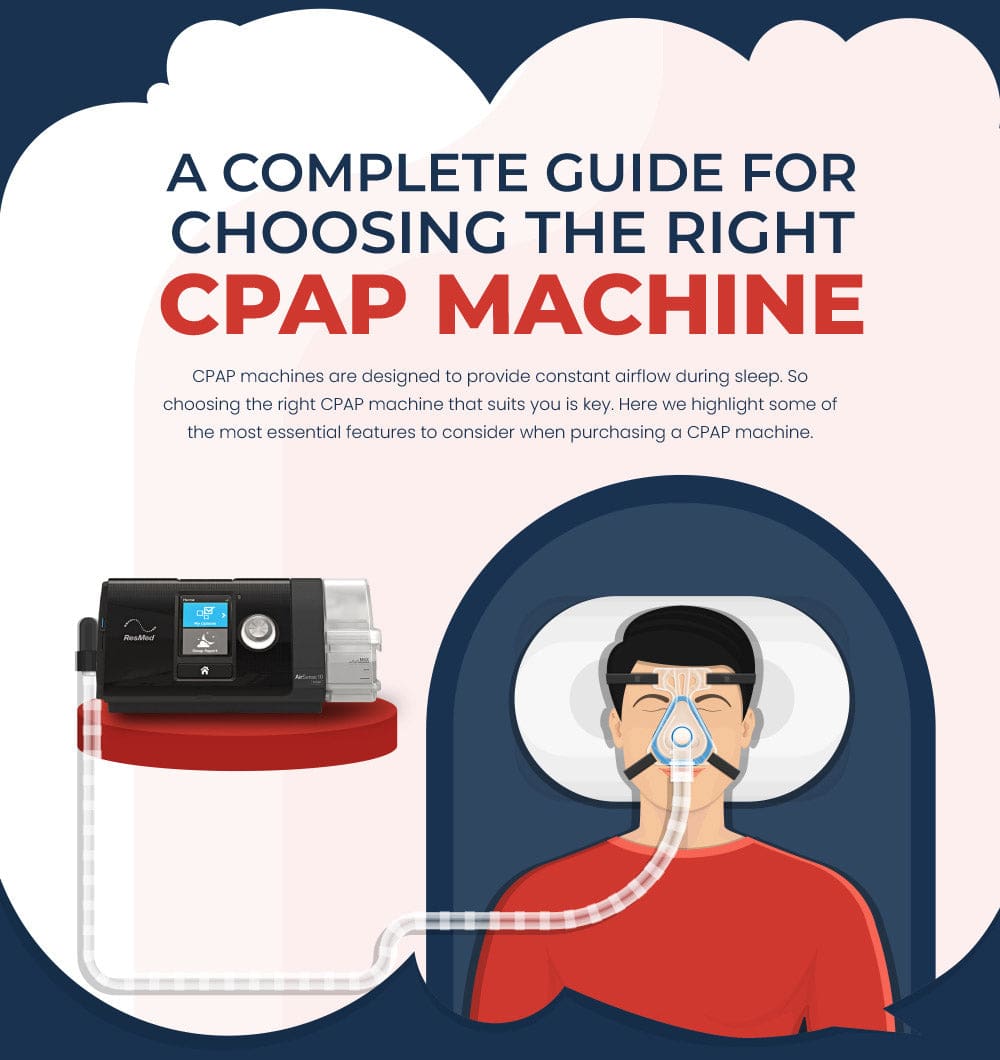
Sleep apnea is a common sleep disorder that affects millions of people worldwide. It is characterized by pauses in breathing or shallow breaths during sleep, leading to poor sleep quality, daytime fatigue, and other health issues. Continuous Positive Airway Pressure (CPAP) machines are the most common treatment for sleep apnea, providing a steady flow of air pressure to keep the airways open while sleeping.
Why CPAP Therapy is Essential for Sleep Apnea Management
CPAP therapy is considered the gold standard treatment for sleep apnea due to its effectiveness in reducing symptoms and improving sleep quality. By using a CPAP machine consistently, you can experience benefits such as:
- Reduced daytime fatigue and improved energy levels
- Decreased risk of heart disease, stroke, and other serious health conditions
- Improved focus, concentration, and overall cognitive function
- Better mood and emotional well-being
- Enhanced quality of life and overall health
Understanding the importance of CPAP therapy in managing sleep apnea is crucial for making the right decision when choosing a CPAP machine.
Types of CPAP Machines and How They Work
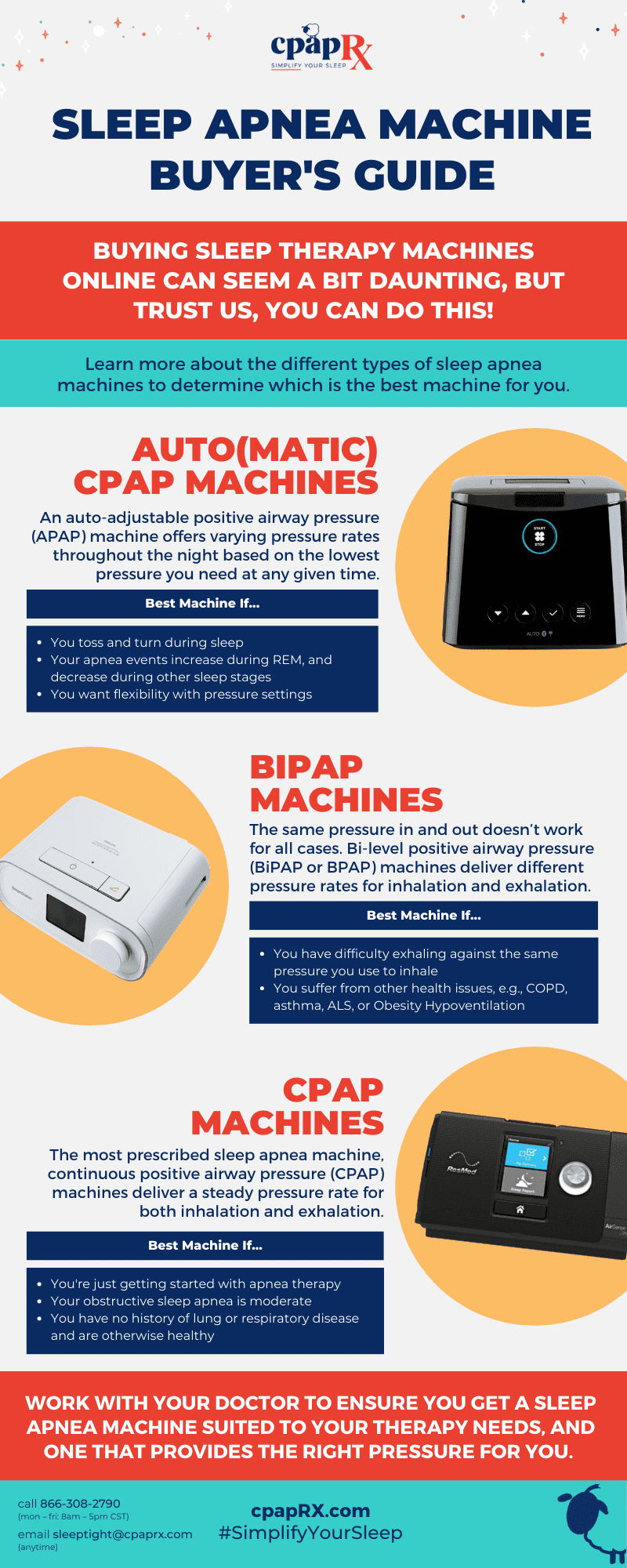
There are several types of CPAP machines available, each with its unique features and functions. Understanding the differences between these machines can help you determine which one is best suited for your needs.
Traditional CPAP Machines
Traditional CPAP machines deliver a fixed air pressure throughout the night, ensuring that the airways remain open and unobstructed. These machines are simple to use and effective for most people with sleep apnea.
Auto-Adjusting CPAP Machines (APAP)
Auto-adjusting CPAP machines, also known as APAP machines, can automatically adjust the air pressure based on your breathing patterns and sleep stages. This feature can provide a more comfortable and personalized therapy experience.
Bi-level CPAP Machines (BiPAP)
Bi-level CPAP machines, or BiPAP machines, deliver different air pressure levels for inhalation and exhalation, making it easier for some users to breathe. These machines are often recommended for individuals who have trouble exhaling against a continuous pressure.
CPAP Machines with Humidifiers
Some CPAP machines come with integrated humidifiers to add moisture to the air, preventing dryness and irritation in the throat and nasal passages. A CPAP machine with a humidifier can enhance comfort and compliance with therapy.
Travel-Friendly CPAP Machines
Travel-friendly CPAP machines are compact, lightweight, and designed for portability, making them ideal for users who travel frequently or need a CPAP machine for use away from home. These machines are easy to pack and carry, ensuring continuity of therapy while on the go.
Understanding the different types of CPAP machines and their functions can help you narrow down your options and choose the best machine for your sleep apnea treatment.
Factors to Consider When Choosing a CPAP Machine
When selecting a CPAP machine, there are several factors to consider to ensure that you get the most suitable device for your needs and preferences. Taking these factors into account can help you make an informed decision and maximize the benefits of CPAP therapy.
Pressure Settings and Adjustment Options
The pressure settings of a CPAP machine play a crucial role in the effectiveness of therapy. Make sure the machine you choose allows for adjustments to accommodate your specific pressure needs. Auto-adjusting CPAP machines can be beneficial for users with varying pressure requirements throughout the night.
Comfort Features and User-Friendly Design
Look for CPAP machines with comfort features such as quiet operation, adjustable settings, mask compatibility, and intuitive controls. A user-friendly design can enhance your overall therapy experience and encourage consistent use of the machine.
Data Tracking and Compliance Monitoring
Many CPAP machines come with built-in data tracking features that monitor your therapy progress, usage hours, and mask fit. Choosing a machine with compliance monitoring capabilities can help you and your healthcare provider track your treatment adherence and make necessary adjustments as needed.
Noise Levels and Sound Dampening
Noise levels can be a concern for some users, especially light sleepers or those who share a bed with a partner. Consider the noise level of the CPAP machine and look for models with sound dampening features to minimize disturbances during sleep.
Size, Portability, and Maintenance
Consider the size, weight, and portability of the CPAP machine, especially if you travel frequently or have limited space at home. Additionally, look for machines that are easy to clean and maintain to ensure optimal performance and longevity.
Cost, Insurance Coverage, and Warranty
CPAP machines vary in price depending on the features and brand. Check if your insurance plan covers CPAP therapy and inquire about reimbursement options. Look for machines with warranties and customer support to address any issues or concerns that may arise during use.
Considering these factors when choosing a CPAP machine can help you select a device that meets your needs, preferences, and budget requirements effectively.
Tips for Testing and Choosing the Right CPAP Machine
Testing different CPAP machines before making a final decision can help you determine which one is the most comfortable and effective for your sleep apnea treatment. Here are some tips for testing and choosing the right CPAP machine:
Consult with a Sleep Specialist or Respiratory Therapist
Before testing CPAP machines, consult with a sleep specialist or respiratory therapist to determine your specific therapy needs and preferences. They can recommend suitable machines based on your diagnosis, symptoms, and any underlying health conditions.
Try Different Masks and Accessories
Testing different masks and accessories can help you find the most comfortable and secure fit for your CPAP therapy. Experiment with various mask styles, sizes, and materials to ensure a proper seal and optimal comfort during sleep.
Participate in CPAP Machine Trials
Many CPAP providers offer trials or rental programs that allow you to test different machines before committing to a specific model. Take advantage of these trials to experience firsthand how each machine operates and feels during sleep.
Monitor Your Progress and Adjustments
Keep track of your progress, comfort levels, and any adjustments needed during the trial period. Note any improvements in sleep quality, daytime symptoms, and overall wellbeing with each CPAP machine to make an informed decision.
Ask for Recommendations and Reviews
Seek recommendations and reviews from other CPAP users, online forums, or support groups to gather insights and feedback on different CPAP machines. Hearing about others’ experiences can help you narrow down your choices and select a machine with positive reviews.
Testing and comparing CPAP machines through trials, consultations, and user feedback can guide you in choosing the right machine that meets your needs and preferences effectively.
Conclusion
Choosing the right CPAP machine for sleep apnea can significantly improve your sleep quality, reduce daytime fatigue, and enhance your overall health and wellbeing. By understanding the types of CPAP machines, factors to consider, and tips for testing and choosing the right device, you can make an informed decision that aligns with your therapy needs and preferences.
If you’re struggling with sleep apnea and seeking a CPAP machine to improve your sleep quality, consult with a healthcare provider or CPAP specialist to guide you in selecting the most suitable device for your condition. Remember, investing in a quality CPAP machine is an investment in your health and quality of life. Start your journey to better sleep and wellness today by choosing the right CPAP machine for your sleep apnea treatment.