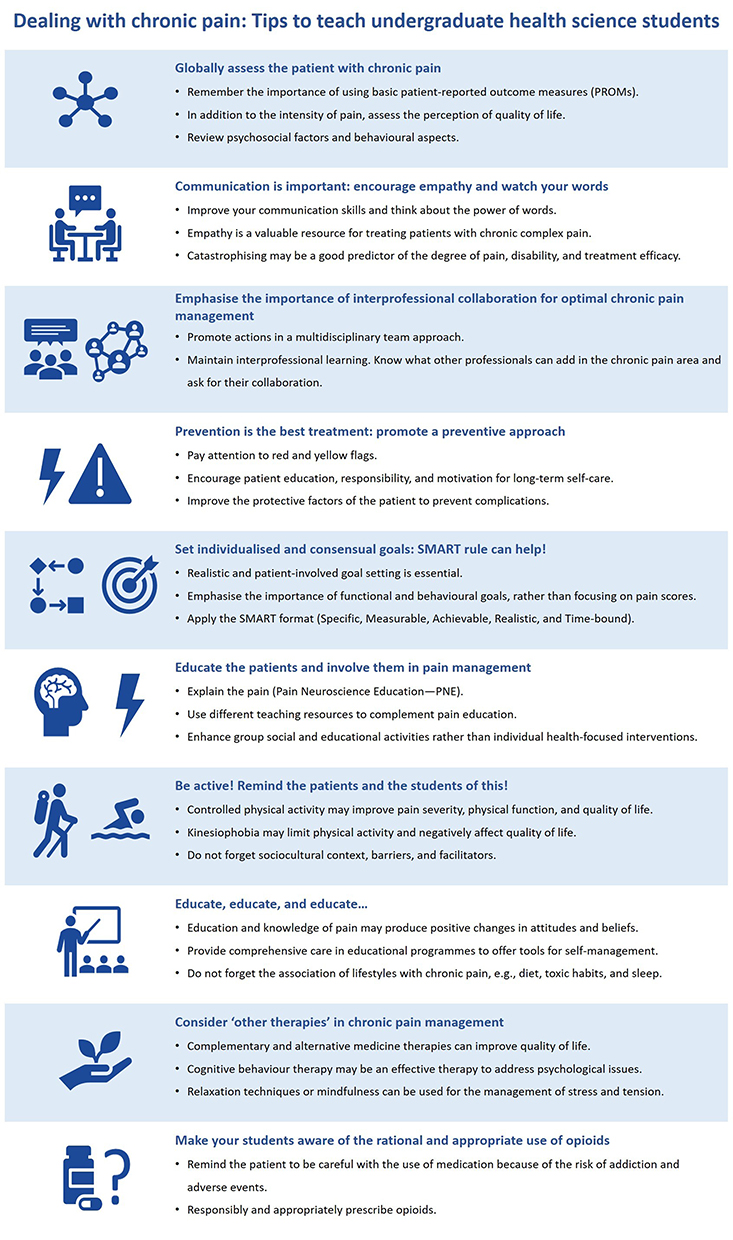
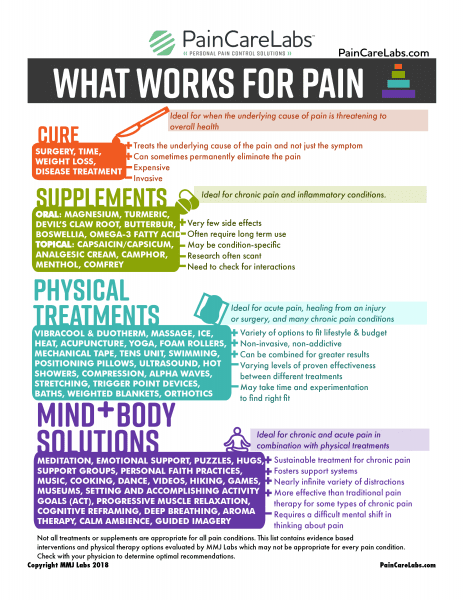
Living with chronic pain can be a daily struggle, impacting not only your physical well-being but also your mental and emotional state. In this article, you will discover a range of effective strategies that can help you find relief from chronic pain. From incorporating mindfulness techniques and practicing gentle exercises to exploring alternative therapies and seeking support from professionals, these tips will empower you with practical tools to manage your pain and improve your overall quality of life. Say goodbye to endless suffering and hello to a brighter future filled with comfort and relief.
Self-Care Practices
Maintaining a healthy lifestyle
When it comes to managing chronic pain, maintaining a healthy lifestyle is of utmost importance. This includes taking care of your body through proper nutrition, regular exercise, and staying hydrated. Eating a well-balanced diet that incorporates anti-inflammatory foods can help reduce inflammation and alleviate pain. Additionally, staying hydrated is crucial for optimal bodily functions, as dehydration can worsen pain symptoms. Remember to include plenty of water in your daily routine.
Engaging in regular exercise
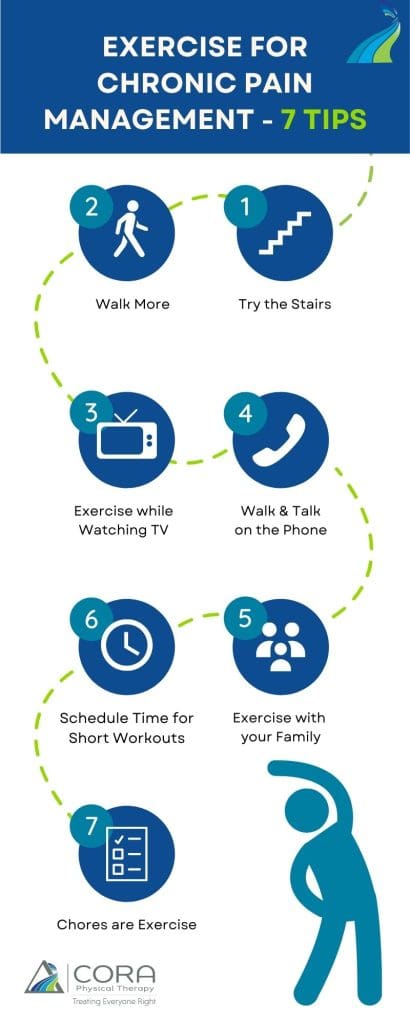
Regular exercise may seem counterintuitive when you’re dealing with chronic pain, but it can actually be highly beneficial. Physical activity can help improve strength, flexibility, and overall endurance, leading to reduced pain levels. Low-impact exercises such as swimming, walking, or cycling are great options for those with chronic pain. It’s important to start slow and gradually increase the intensity and duration of your workouts. Always listen to your body and avoid pushing through pain that feels excessive. Consult with your healthcare provider to develop an exercise plan that suits your individual needs.
Getting enough sleep
Adequate sleep is essential for both your physical and mental well-being, especially when it comes to managing chronic pain. Sleep deprivation can worsen pain symptoms and make it more challenging to cope with daily life. Establishing a nighttime routine and creating a comfortable sleep environment can help improve your sleep quality. Relaxation techniques such as deep breathing exercises or guided imagery can aid in falling asleep and staying asleep. Additionally, maintaining a consistent sleep schedule can regulate your body’s internal clock, assisting in pain management.
Practicing stress management techniques
Stress has a profound impact on our perception of pain. When we’re stressed, the body produces hormones that can heighten pain sensitivity and exacerbate symptoms. Therefore, incorporating stress management techniques into your daily routine is crucial for managing chronic pain. Activities such as yoga, meditation, or even engaging in hobbies you enjoy can help reduce stress levels. Additionally, practicing deep breathing exercises or progressive muscle relaxation can promote relaxation and provide relief from pain. Prioritizing self-care and setting aside time for activities that bring you joy can significantly contribute to your overall well-being.
Medication Management
Following the prescribed medication regimen
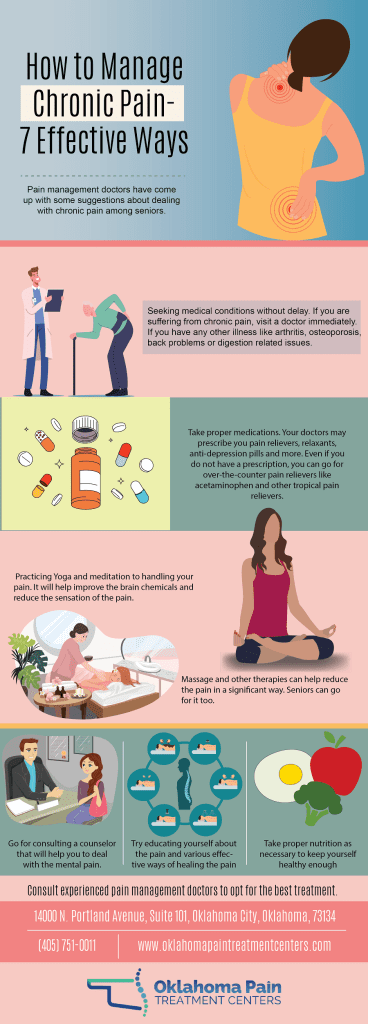
Proper medication management is essential for effectively managing chronic pain. It’s crucial to follow your healthcare provider’s instructions regarding medication dosage and frequency. Set reminders for yourself and establish a routine so that you don’t miss any doses. It’s important not to exceed the recommended dosage as it can lead to adverse effects or even potential harm. If you have any concerns about your medication regimen or experience side effects, always communicate with your healthcare provider.
Knowing the potential side effects
Being aware of the potential side effects of your medications is crucial in managing chronic pain. Each medication may have different side effects, ranging from mild to severe. Common side effects of certain pain medications include drowsiness, nausea, or constipation. It’s vital to educate yourself about these potential side effects so that you know what to expect. If you experience any side effects, inform your healthcare provider immediately. They may be able to adjust your medication or provide alternative strategies to minimize these effects.
Communicating with healthcare providers about medication effectiveness
Regular communication with your healthcare provider is key when it comes to managing chronic pain and medication effectiveness. Report any changes in your pain levels, whether improvement or worsening, to determine if adjustments to your medication regimen are necessary. Additionally, discuss any concerns or questions you have about your medications during your appointments. Your healthcare provider can provide guidance or recommend alternative treatments that may better suit your needs.
Alternative Therapies
Acupuncture and acupressure
Acupuncture and acupressure are ancient practices rooted in traditional Chinese medicine. These techniques involve the application of pressure or needles to specific points on the body to promote pain relief and overall well-being. Many individuals with chronic pain have found acupuncture and acupressure to be effective in reducing pain levels. These therapies work by stimulating the body’s natural pain-relieving mechanisms, releasing endorphins and promoting relaxation. It’s important to consult with a trained and licensed practitioner before trying acupuncture or acupressure.
Massage therapy
Massage therapy is another alternative therapy that can provide relief for chronic pain. Skilled massage therapists use various techniques to manipulate the muscles and soft tissues in the body, promoting relaxation and reducing muscle tension. Massage has been shown to alleviate pain by increasing blood flow, reducing inflammation, and releasing endorphins. Whether you opt for a full-body massage or focus on specific areas of pain, regular sessions can be highly beneficial for managing chronic pain.
Yoga and meditation
Yoga and meditation are practices that not only benefit the mind but also the body. These ancient practices promote relaxation, reduce stress, and improve overall well-being. Through gentle stretching, breathing exercises, and mindfulness, yoga can help alleviate pain and improve flexibility. Meditation, on the other hand, allows you to cultivate a focused and calm state of mind, reducing stress and improving pain management. Incorporating yoga and meditation into your daily routine can make a significant difference in how you cope with chronic pain.
Chiropractic care
Chiropractic care focuses on the diagnosis and treatment of musculoskeletal disorders, with a particular emphasis on spinal health. Chiropractors use spinal adjustments and other manual techniques to improve joint mobility, reduce pain, and promote overall wellness. Many individuals with chronic pain, including back or neck pain, find chiropractic care to be beneficial. However, it’s essential to consult with a qualified and licensed chiropractor to ensure that this form of therapy is appropriate for your specific condition.
Cognitive Behavioral Therapy (CBT)
Understanding the connection between thoughts, emotions, and pain
Cognitive Behavioral Therapy (CBT) is a therapeutic approach that focuses on how thoughts, emotions, and behaviors impact our overall well-being. In the context of chronic pain, CBT can help individuals understand the connection between their thoughts and emotions and how these impact their perception of pain. By recognizing and challenging negative thought patterns, individuals can reframe their thinking and reduce pain severity.
Developing coping mechanisms and relaxation techniques
CBT equips individuals with effective coping mechanisms and relaxation techniques for managing chronic pain. These techniques may include deep breathing exercises, progressive muscle relaxation, or guided imagery. By practicing these techniques, individuals can effectively manage pain flare-ups or stressful situations. CBT also helps individuals develop strategies for pacing themselves and managing their activities to prevent pain from becoming overwhelming.
Addressing negative thought patterns
Negative thought patterns, such as catastrophizing or rumination, can intensify pain and make it more challenging to manage chronic pain effectively. Cognitive Behavioral Therapy focuses on identifying and addressing these negative thought patterns. By challenging and replacing negative thoughts with more realistic and positive ones, individuals can reduce anxiety and stress levels, leading to improved pain management.
Physical Therapy
Improving strength and flexibility
Physical therapy plays a vital role in managing chronic pain, especially when it comes to improving strength and flexibility. A physical therapist can develop a customized exercise plan that targets specific areas of pain or weakness. Through targeted exercises and techniques, individuals can gradually improve their strength and flexibility, ultimately reducing pain levels. Physical therapy may include exercises such as stretching, resistance training, or manual therapy techniques.
Learning correct body mechanics and posture
Often, improper body mechanics and poor posture contribute to chronic pain. Physical therapy can help individuals learn correct body mechanics and postural techniques to reduce strain on the muscles and joints. By improving body mechanics, individuals can decrease pain and prevent further injury. A physical therapist can assess your posture and provide recommendations for ergonomic modifications or exercises that promote proper alignment.
Utilizing heat and cold therapy
Heat and cold therapy are commonly used in physical therapy to manage chronic pain. Heat therapy, such as warm towels or heating pads, can help relax muscles, improve circulation, and reduce pain and stiffness. Cold therapy, on the other hand, involves applying ice packs or cold compresses to reduce inflammation, numb tissues, and alleviate pain. Alternate between heat and cold therapy based on the recommendations of your healthcare provider or physical therapist.
Assistive Devices and Pain Management Tools
Orthopedic pillows and cushions
Orthopedic pillows and cushions are specially designed to provide support and relieve pressure on specific areas of the body. These devices can help with pain management by promoting proper alignment and reducing discomfort during rest or sleep. Depending on your specific needs and pain points, there is a wide range of orthopedic pillows and cushions available, such as neck pillows, lumbar support pillows, or seat cushions.
TENS units
Transcutaneous Electrical Nerve Stimulation (TENS) units are portable devices that use mild electrical impulses to stimulate the nerves and reduce pain signals. These devices can provide temporary pain relief for various types of chronic pain, including muscle pain, joint pain, or nerve-related pain. TENS units are often used in physical therapy but can also be used at home under the guidance of a healthcare provider.
Lumbar support belts
Lumbar support belts, also known as back braces, provide support and stability to the lower back. These belts can be helpful for individuals with chronic back pain or those who engage in physically demanding activities that strain the lower back. Lumbar support belts can help alleviate pain by reducing stress on the spine and promoting proper posture during movement. However, it’s important to consult with a healthcare provider before using a lumbar support belt to ensure it is suitable for your condition.
Hot/cold packs
Hot and cold packs are simple yet effective tools for managing chronic pain. Both heat and cold therapy can provide relief for various types of pain. Hot packs can relax muscles, improve circulation, and relieve stiffness, making them particularly useful for muscle-related pain. Cold packs, on the other hand, can reduce inflammation and numb tissues, providing relief for joint pain or acute injuries. Keep a stash of hot and cold packs at home to use as needed for pain management.
Support Network
Joining support groups
Connecting with others who understand what you’re going through can be immensely helpful when managing chronic pain. Joining support groups allows you to share your experiences, learn from others, and gain valuable insights into coping strategies. Support groups provide a safe and non-judgmental space to express your concerns, receive emotional support, and exchange advice. Whether in-person or online, support groups can be a source of comfort and validation.
Talking to friends and family about your pain
Don’t be afraid to open up to your friends and family about your chronic pain. Talking about your pain can help you feel understood and supported. Loved ones can offer emotional support and may be able to assist you in managing daily tasks or activities that aggravate your pain. By communicating your needs and limitations, you can build a strong support network that can aid you in your journey toward pain management.
Seeking professional counseling if needed
Chronic pain takes a toll on not only the body but also the mind. It’s essential to prioritize your mental well-being and seek professional counseling if needed. A mental health professional specializing in chronic pain can help you develop coping strategies, address any emotional challenges, and provide guidance throughout your pain management journey. Don’t hesitate to reach out for professional help if you’re struggling to cope with the psychological aspect of chronic pain.
Mind-Body Techniques
Deep breathing exercises
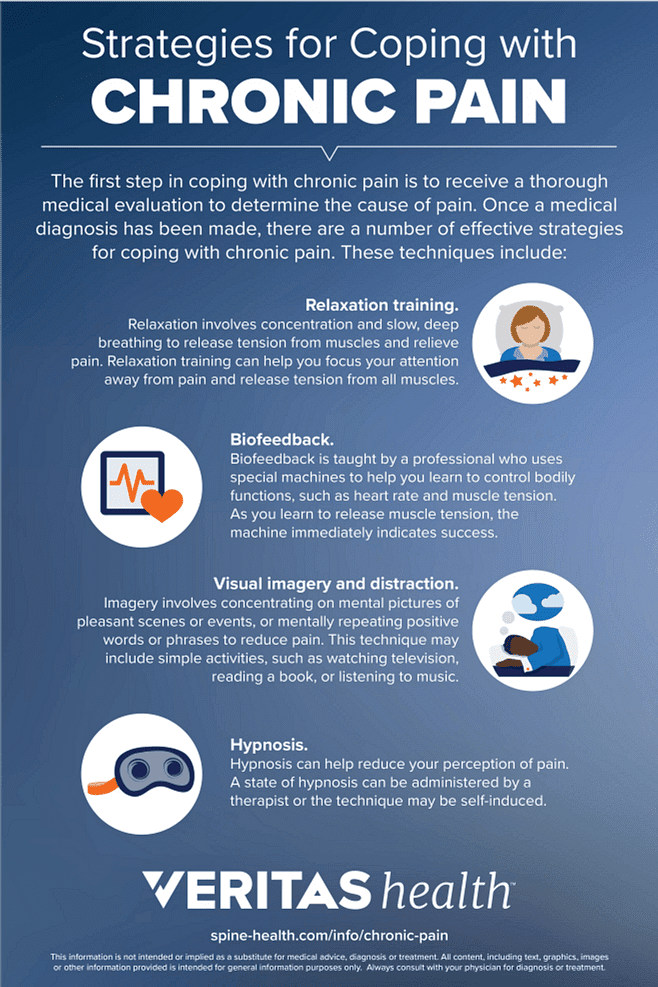
Deep breathing exercises are a simple yet powerful technique for managing chronic pain. Slowing down your breathing and taking deep, deliberate breaths can help activate the body’s relaxation response, lowering stress levels and reducing pain. Practice deep breathing exercises during times of increased pain or stress to promote relaxation and alleviate discomfort.
Progressive muscle relaxation
Progressive muscle relaxation involves systematically tensing and then relaxing different muscle groups in the body. This technique can help individuals recognize muscle tension and release it, leading to decreased pain and increased relaxation. By practicing progressive muscle relaxation regularly, individuals can become more aware of their bodies and better manage pain triggers.
Guided imagery
Guided imagery involves using your imagination to visualize soothing and pleasant scenes or experiences. This technique can help distract from pain and promote relaxation and well-being. Guided imagery can be done with the help of audio recordings or with the guidance of a trained professional. Regular practice of guided imagery can significantly enhance your ability to manage chronic pain.
Biofeedback
Biofeedback is a technique that enables individuals to monitor and gain control over their bodily functions using sensors and electronic devices. By providing real-time feedback on physiological processes, such as heart rate, muscle tension, or skin temperature, individuals can learn to regulate these functions and reduce pain. Biofeedback can be an effective tool for managing chronic pain and improving overall well-being.
Nutritional Strategies
Incorporating anti-inflammatory foods into the diet
Certain foods have anti-inflammatory properties that can help reduce pain and inflammation in the body. Incorporating foods such as fatty fish (e.g., salmon, mackerel), leafy greens, berries, nuts, and seeds into your diet can have a positive impact on managing chronic pain. These foods are rich in omega-3 fatty acids, antioxidants, and other compounds that can help decrease inflammation and alleviate symptoms.
Avoiding trigger foods
Just as certain foods can help reduce inflammation, others can trigger or worsen chronic pain. It’s important to identify any trigger foods that may exacerbate your symptoms and avoid or minimize their consumption. Common trigger foods include processed foods, sugary snacks, refined carbohydrates, and foods high in saturated fats. Keeping a food diary and tracking your pain levels can help you identify any patterns between your diet and pain flare-ups.
Maintaining a well-balanced diet
Maintaining a well-balanced diet overall is crucial for managing chronic pain. A diet rich in fruits, vegetables, whole grains, lean proteins, and healthy fats is beneficial for overall health and can help reduce pain. Opt for nutrient-dense foods that provide essential vitamins and minerals to support your body’s healing processes. Stay mindful of portion sizes and aim for regular, balanced meals throughout the day.
Staying properly hydrated
Proper hydration is often overlooked but plays a significant role in managing chronic pain. Dehydration can exacerbate pain symptoms and negatively impact overall well-being. Aim to drink an adequate amount of water throughout the day and limit the consumption of dehydrating beverages such as caffeine or alcohol. Staying properly hydrated can help maintain healthy bodily functions, aid in digestion, and support the body’s natural mechanisms for pain relief.
Pacing and Activity Management
Listening to your body’s signals
It’s crucial to listen to your body’s signals when managing chronic pain. Pushing through excessive pain or overexerting yourself can worsen symptoms and lead to setbacks. Recognize when your body is telling you to rest or modify your activities. It’s okay to pace yourself and take breaks as needed. By honoring your body’s limitations, you can better manage pain and prevent further flare-ups.
Breaking tasks into manageable segments
When faced with chronic pain, it’s important to break tasks into manageable segments. Large or overwhelming tasks can contribute to increased stress and pain. Break tasks into smaller, more achievable steps, and spread them out throughout the day. This allows you to accomplish tasks without overexerting yourself and helps minimize pain and fatigue.
Implementing rest periods
Rest should be a priority when managing chronic pain. Implementing rest periods throughout the day allows your body to recover and recharge. Listen to your body and schedule regular intervals of rest. This could involve lying down, practicing relaxation techniques, or engaging in activities that bring you joy and provide a sense of calm. Regular rest periods can help prevent pain flare-ups and improve overall well-being.
Prioritizing activities
When managing chronic pain, it’s essential to prioritize activities. Identify which tasks or activities are most important to you and allocate your energy accordingly. It’s okay to delegate or ask for help with less essential tasks. By prioritizing activities, you can focus on what truly matters and conserve your energy for the activities that bring you joy and fulfillment.
In conclusion, managing chronic pain requires a comprehensive approach that encompasses self-care practices, medication management, alternative therapies, cognitive-behavioral techniques, physical therapy, assistive devices, support networks, mind-body techniques, nutritional strategies, and pacing. By incorporating these strategies into your daily routine, you can find effective relief and improve your overall quality of life. Remember, it’s important to work closely with your healthcare providers and follow their guidance throughout this journey. With patience, perseverance, and support, you can successfully manage chronic pain and regain control over your life.