

Living with epilepsy can be challenging, but with a beginner’s guide packed with useful tips, you’ll feel more equipped to embrace life to the fullest. This article aims to provide you with practical advice and insights on how to navigate daily living with epilepsy, from understanding your condition to managing triggers and seeking support. So get ready to embark on a journey towards a fulfilling and well-lived life with epilepsy as your trusted companion.
Understanding Epilepsy
What is epilepsy?
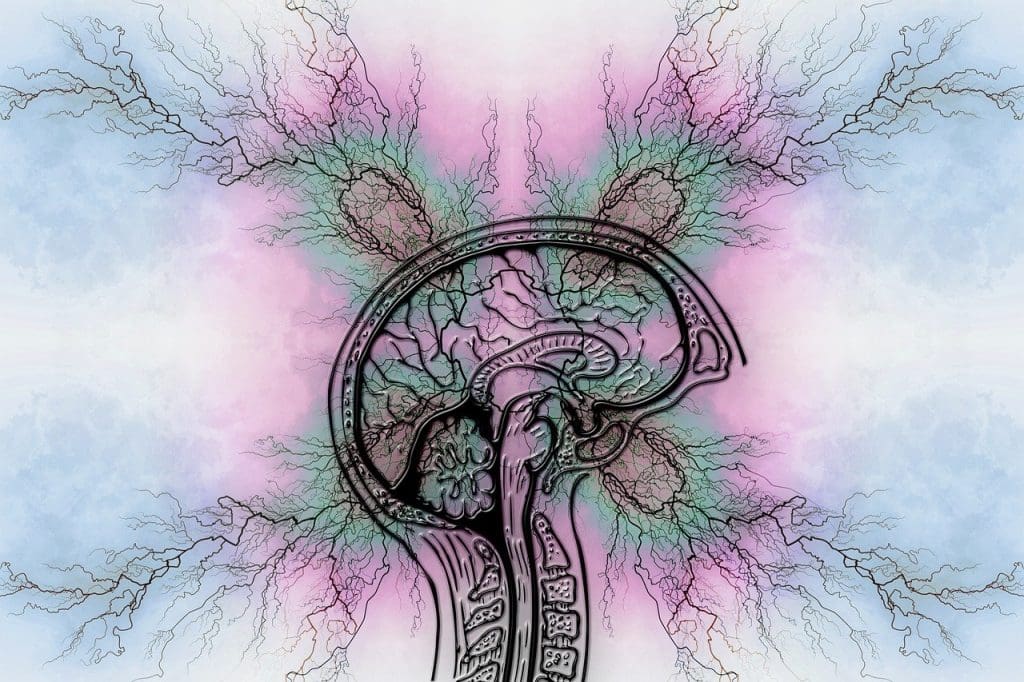
Epilepsy is a neurological disorder characterized by recurring seizures. Seizures occur due to abnormal electrical activity in the brain. These electric disturbances can cause various symptoms, such as convulsions, loss of consciousness, and involuntary movements. It is important to note that not all seizures are caused by epilepsy, as other factors such as fever or head injuries can trigger seizures as well. Consulting with a healthcare professional is crucial in obtaining a proper diagnosis.
Types of seizures
There are several types of seizures, each with unique characteristics. Some common types include:
-
Generalized seizures: These seizures affect the entire brain and can cause generalized convulsions, loss of consciousness, and muscle stiffness.
-
Focal seizures: Also known as partial seizures, these seizures arise from a specific part of the brain and can cause localized symptoms such as tingling sensations, repetitive movements, or changes in emotions.
-
Absence seizures: Commonly seen in children, absence seizures involve brief episodes of staring into space or subtle movements such as lip-smacking or blinking rapidly.
-
Tonic-clonic seizures: This type of seizure is often associated with convulsions and loss of consciousness, accompanied by muscle rigidity and jerking movements.
Understanding the different types of seizures can help individuals recognize and manage their condition more effectively.
Causes of epilepsy
The exact cause of epilepsy is often unknown, but certain factors can increase the risk of developing the condition. These include:
-
Genetics: Epilepsy can have a hereditary component, meaning it may be passed down through family members.
-
Brain conditions and injuries: Certain brain conditions such as tumors, strokes, or infections can increase the likelihood of developing epilepsy. Additionally, traumatic brain injuries can also trigger seizures.
-
Developmental disorders: Individuals with certain developmental disorders, such as autism or neurofibromatosis, are at a higher risk of developing epilepsy.
-
Infections: Infections such as meningitis or encephalitis can cause inflammation in the brain, leading to seizures.
Understanding the potential causes of epilepsy can help individuals and their healthcare team identify appropriate treatment options and preventive measures.
Seeking Medical Evaluation
Importance of medical evaluation
Seeking a medical evaluation is crucial for individuals experiencing seizures or suspecting they may have epilepsy. A medical evaluation allows healthcare professionals to accurately diagnose the condition and determine the most effective treatment plan. Additionally, an early diagnosis can help prevent further complications and ensure the individual’s safety.
Finding a neurologist
To obtain an accurate diagnosis and receive expert care, it is essential to find a neurologist specializing in epilepsy. Neurologists are medical professionals who specialize in the diagnosis and treatment of disorders related to the brain and nervous system. They have the expertise required to conduct thorough evaluations and create personalized treatment plans based on individual needs.
Diagnostic tests
During the medical evaluation, the neurologist may recommend various diagnostic tests to confirm the diagnosis and understand the individual’s specific seizure patterns. These tests may include:
-
Electroencephalogram (EEG): This test measures the electrical activity of the brain using electrodes placed on the scalp. It can help identify abnormal brain activity and determine the type of seizures an individual is experiencing.
-
MRI or CT scan: These imaging tests provide detailed images of the brain, allowing healthcare professionals to detect any structural abnormalities or brain damage that may be responsible for the seizures.
-
Blood tests: Blood tests can help identify any underlying medical conditions or genetic factors that contribute to epilepsy.
Diagnostic tests play a crucial role in the evaluation process, enabling healthcare professionals to develop an accurate diagnosis and tailor treatment plans accordingly.
Developing a Treatment Plan
Medications for epilepsy
Medications are typically the first line of treatment for epilepsy. The specific medication prescribed will depend on various factors, including the type of seizures, individual health, and potential side effects. Anti-seizure medications work by reducing or controlling the abnormal electrical activity in the brain.
It is important to take medications exactly as prescribed and communicate any side effects to the healthcare team. Regular follow-up appointments with the neurologist are essential to monitor the effectiveness of the medication and make any necessary adjustments.
Alternative treatment options
In some cases, medication alone may not be sufficient in managing seizures. Alternative treatment options, such as dietary modifications or certain implantable devices, may be considered. For example, the ketogenic diet, which is high in fats and low in carbohydrates, has shown promise in reducing seizures in some individuals.
Other alternative options include vagus nerve stimulation, where a device is implanted to deliver electrical impulses to the brain, or responsive neurostimulation, where a device detects abnormal brain activity and delivers electrical signals to prevent seizures.
Discussing these alternative options with a healthcare provider can help individuals explore additional avenues for managing their epilepsy.
Creating an action plan
Having an action plan in place can help individuals with epilepsy and their loved ones respond effectively during a seizure. The action plan may include:
-
Educating family and friends: Ensure that friends, family, and coworkers are aware of the individual’s epilepsy and understand how to respond to a seizure.
-
Carrying identification: Wearing a medical alert bracelet or carrying a card with essential information, including emergency contact details, can help others provide proper assistance in case of a seizure.
-
Seizure first aid: Learn basic seizure first aid, including how to protect someone during a seizure, when to call for medical help, and how to provide comfort afterward.
Having a well-thought-out action plan ensures that everyone knows what to do in the event of a seizure and helps create a safe and supportive environment.
Taking Medications
Understanding medication side effects
Like any medication, anti-seizure medications can have side effects. It is important to understand the potential side effects associated with the prescribed medication. Common side effects may include drowsiness, dizziness, nausea, or mood changes.
If side effects become bothersome or affect daily functioning, it is vital to communicate this to the healthcare team. They may be able to adjust the medication or recommend strategies to manage the side effects effectively.
Adhering to medication schedule
Consistency in taking medications is crucial for controlling seizures effectively. Establishing a routine and adhering to the prescribed medication schedule can help maintain steady levels of medication in the body, reducing the likelihood of breakthrough seizures.
Using pill organizers or medication reminder apps can assist in ensuring medications are taken on time. It is important to avoid skipping doses or abruptly discontinuing medication without consulting a healthcare provider, as this can increase the risk of seizures.
Working with your healthcare team
Maintaining open and honest communication with the healthcare team is key to successful epilepsy management. Regular follow-up appointments with the neurologist and other specialists involved in the care are critical for monitoring the effectiveness of the medication, addressing any concerns or side effects, and making necessary adjustments to the treatment plan.
Building a strong partnership with healthcare professionals ensures that individuals with epilepsy receive the best possible care and support in managing their condition effectively.

Managing Seizure Triggers
Identifying personal triggers
Seizure triggers vary from person to person, and identifying personal triggers can help individuals reduce the frequency of their seizures. Common triggers may include lack of sleep, stress, flashing lights, specific foods, or certain medications.
Keeping a detailed seizure diary can help in recognizing patterns and identifying potential triggers. By documenting activities, sleep patterns, and potential triggers before each seizure, individuals can gain insights into their own condition and work towards avoiding associated triggers.
Avoiding triggers
Once triggers are identified, individuals can take proactive steps to avoid or minimize exposure to them. For example, if lack of sleep is a trigger, establishing a consistent sleep schedule and practicing good sleep hygiene can reduce the likelihood of seizures.
If stress triggers seizures, implementing stress management techniques such as deep breathing exercises, meditation, or engaging in relaxing activities can be beneficial. Avoiding bright or flickering lights, as well as minimizing alcohol consumption or drug use, may also help reduce the incidence of seizures.
Creating a seizure diary
Keeping a seizure diary serves as a valuable tool in tracking seizure activity, identifying trends, and recognizing potential triggers. It allows individuals to record information such as the date and time of seizures, their duration, and any specific factors or events that could have triggered them.
Sharing the seizure diary with the healthcare team during follow-up appointments provides valuable information for evaluating the effectiveness of the treatment plan and making any necessary adjustments. A seizure diary can empower individuals to take an active role in their epilepsy management and improve their overall quality of life.
Living a Healthy Lifestyle
Getting enough sleep
Maintaining a regular sleep schedule and prioritizing adequate sleep is crucial in managing epilepsy. Lack of sleep can increase the risk of seizures, so it is important to establish healthy sleep habits. This includes setting a consistent bedtime routine, creating a sleep-friendly environment, and avoiding stimulating activities or digital screens before bed.
Maintaining a balanced diet
While there is no specific epilepsy diet that works for everyone, maintaining a balanced and nutritious diet can contribute to overall well-being. Eating a variety of fruits, vegetables, whole grains, and lean proteins helps support overall health and can potentially reduce the frequency of seizures.
In some cases, specific dietary modifications, such as following a modified Atkins or ketogenic diet, may be recommended by healthcare professionals to help manage epilepsy. These diets aim to modify the body’s metabolism to reduce seizure activity.
Regular exercise
Engaging in regular physical activity can have numerous benefits for individuals with epilepsy. Exercise helps reduce stress, improves mood, and promotes overall physical and mental well-being. It is important to choose activities that are safe and enjoyable. Consult with a healthcare professional before starting any new exercise regimen to ensure that it is appropriate for individual circumstances and health conditions.
Safety Precautions
Creating a safe home environment
Making the home environment safe and seizure-friendly is crucial in minimizing the risk of injuries during a seizure. Some safety precautions to consider include:
-
Removing hazards: Clearing away sharp objects, securing furniture, and eliminating clutter can reduce the risk of injury during a seizure.
-
Using safety devices: Adding padded surfaces, such as mats or cushions, can help cushion falls. Installing safety gates, handrails, and grab bars may also be beneficial.
-
Avoiding bathing alone: Individuals prone to seizures should consider having someone present or use specific bathing aids to ensure safety.
Informing others about epilepsy
Educating family, friends, coworkers, and other acquaintances about epilepsy is essential in creating a supportive environment. Providing them with basic information about seizures, first aid measures, and what to expect during a seizure helps reduce stigma and increases the likelihood of receiving appropriate assistance when needed.
Emergency preparedness
Being prepared for potential emergencies related to epilepsy is essential. Some key steps to take include:
-
Having an emergency plan: Develop and share an emergency plan with family and friends that includes important contact information, instructions on what to do during a seizure, and when to seek medical help.
-
Carrying essential information: Carry a card or wear a medical alert bracelet that identifies epilepsy and provides emergency contact details.
-
Knowing seizure first aid: Ensure that family members, close friends, and caregivers are trained in seizure first aid, including how to protect the person during a seizure and when to call for medical assistance.
Being prepared for emergencies can provide peace of mind and ensure a quicker response during seizure-related incidents.
Managing Stress and Emotional Well-being
Stress management techniques
Since stress can trigger seizures for many individuals with epilepsy, it is important to develop effective stress management techniques. Some strategies may include:
-
Deep breathing exercises: Practicing deep, diaphragmatic breathing can help calm the mind and body during stressful situations.
-
Meditation and mindfulness: Engaging in mindfulness techniques, such as meditation or guided visualization, can help reduce stress and promote emotional well-being.
-
Engaging in hobbies and relaxation activities: Finding activities that bring joy and help reduce stress, such as reading, painting, or listening to music, can be beneficial.
Support groups and therapy
Connecting with others who understand the challenges of living with epilepsy can provide valuable support. Joining support groups or seeking therapy can offer opportunities to share experiences, receive emotional support, and learn coping strategies from others facing similar situations.
Coping with emotional challenges
Living with epilepsy can sometimes lead to emotional challenges, such as anxiety, depression, or feelings of isolation. It is important to address these challenges and seek help when needed. Openly discussing emotions with trusted individuals, engaging in self-care activities, and seeking professional help from therapists or counselors specialized in epilepsy can help navigate through these emotional challenges.
Planning for Pregnancy
Discussing family planning with a healthcare provider
For individuals with epilepsy who are planning to start a family, it is essential to consult with a healthcare provider to ensure a safe and healthy pregnancy. During the discussion, the healthcare provider can:
-
Review medications: Some anti-seizure medications may pose risks during pregnancy, and adjustments to the medication regimen may be necessary.
-
Evaluate potential risks: The healthcare provider can assess the individual’s specific medical history and provide guidance on managing epilepsy during pregnancy.
-
Discuss prenatal care: Ensuring regular prenatal care, including additional monitoring and prenatal testing, can help ensure a healthy pregnancy and minimize potential risks associated with epilepsy.
Managing epilepsy during pregnancy
Effective management of epilepsy during pregnancy is crucial for both the mother and the baby’s well-being. This may involve:
-
Reviewing medications: Some anti-seizure medications may need to be adjusted or changed during pregnancy to minimize potential risks to the developing baby.
-
Increasing monitoring: Regular visits to the healthcare provider may be necessary to monitor both the mother’s health and the baby’s development.
-
Educating yourself: Understanding the potential risks and challenges associated with managing epilepsy during pregnancy can help individuals make informed decisions and take appropriate precautions.
Working closely with healthcare professionals throughout the pregnancy allows for tailored care and support specific to the unique needs of the mother and baby.
Potential risks and precautions
While most women with epilepsy have healthy pregnancies, it is important to be aware of potential risks and take necessary precautions. Some factors to consider include:
-
Increased risk of seizures: Pregnancy can sometimes increase the risk of seizures, and healthcare providers may need to adjust medications accordingly.
-
Certain medications: Some anti-seizure medications pose a higher risk of birth defects, and alternative medications may be considered.
-
Preconception folic acid supplementation: Taking folic acid supplements before conception and during pregnancy can help reduce the risk of certain birth defects.
Open and honest communication with healthcare providers ensures that potential risks are addressed, and appropriate measures are taken to ensure a healthy and successful pregnancy.
Driving and Epilepsy
Understanding driving regulations
Driving regulations for individuals with epilepsy can vary between countries and jurisdictions. It is important to understand the specific regulations in the area where you reside. In some cases, individuals with epilepsy may be required to be seizure-free for a certain period of time before being allowed to drive.
Reporting seizures to the driving authorities
It is vital to report any seizures to the appropriate driving authorities as required by local regulations. This ensures public safety and allows for appropriate evaluation before resuming driving. Failure to report seizures may result in legal consequences and potentially jeopardize public safety.
Alternative transportation options
While waiting to meet the driving regulations or during periods of increased seizure activity, it may be necessary to explore alternative transportation options. These may include public transportation, carpooling, or relying on family and friends for transportation needs. Exploring these alternatives can ensure that individuals with epilepsy maintain their independence and mobility while prioritizing the safety of themselves and others on the road.
Living well with epilepsy requires understanding the condition, seeking proper medical evaluation and treatment, and making lifestyle adjustments to manage seizures effectively. By following the tips outlined in this beginner’s guide, individuals with epilepsy can take control of their condition and lead a fulfilling life while minimizing the impact of seizures. Remember, you are not alone – there are healthcare professionals, support groups, and resources available to help you navigate your epilepsy journey with confidence.