
Hello there, in this article, you will discover the top ways to lower your blood sugar levels naturally. From making simple dietary changes to incorporating regular physical activity into your routine, there are many effective strategies you can implement to keep your blood sugar in check. By following these tips, you can take control of your health and maintain optimal blood sugar levels for a happier and healthier lifestyle. Have you been struggling to keep your blood sugar levels in check? Don’t worry, there are natural ways you can lower your blood sugar levels without relying solely on medication. By making some simple lifestyle changes and incorporating certain foods into your diet, you can effectively manage your blood sugar levels and improve your overall health. In this article, we will explore the top ways to lower blood sugar levels naturally. Let’s get started!
Understanding Blood Sugar Levels
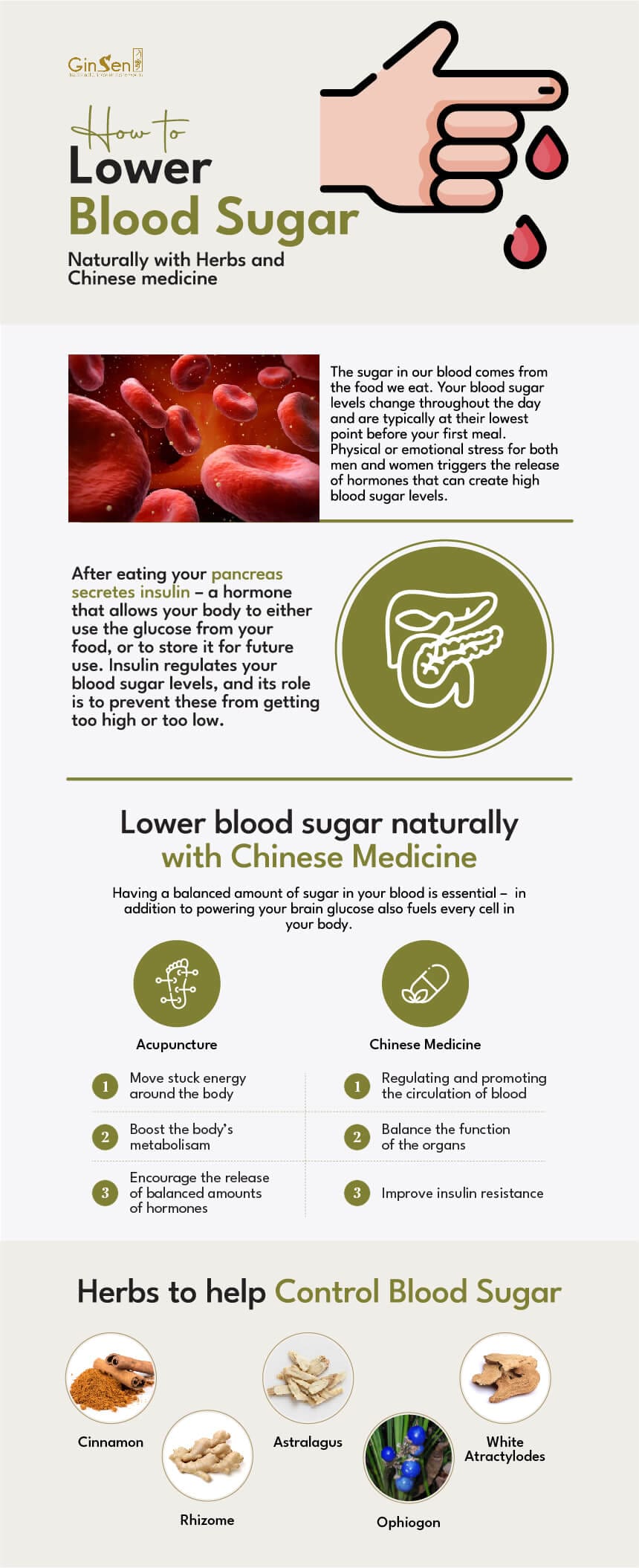
Before we dive into ways to lower blood sugar levels naturally, it’s essential to understand what blood sugar levels are and why it’s important to keep them in check. Blood sugar, also known as glucose, is the primary source of energy for your body’s cells. When you eat carbohydrates, they are broken down into sugar, which enters your bloodstream.
Why is it important to manage blood sugar levels?
Managing blood sugar levels is crucial for overall health and well-being. High blood sugar levels can lead to serious health complications, including diabetes, heart disease, and stroke. On the other hand, low blood sugar levels can cause symptoms such as fatigue, weakness, and dizziness. By keeping your blood sugar levels within a healthy range, you can reduce your risk of developing chronic diseases and maintain optimal energy levels throughout the day.
Top Ways to Lower Blood Sugar Levels Naturally
Now that you have a basic understanding of blood sugar levels, let’s explore the top ways to lower them naturally. These methods are easy to implement into your daily routine and can make a significant impact on your health.
1. Eat a Low-Glycemic Diet
One of the most effective ways to lower blood sugar levels naturally is to follow a low-glycemic diet. The glycemic index (GI) is a scale that ranks carbohydrates based on how they affect blood sugar levels. Foods with a high GI (such as white bread, white rice, and sugary drinks) cause a rapid spike in blood sugar, while foods with a low GI (such as whole grains, legumes, and non-starchy vegetables) result in a slower, more gradual rise in blood sugar.
By choosing low-GI foods and avoiding high-GI foods, you can help stabilize your blood sugar levels and prevent sharp fluctuations throughout the day. Here are some examples of low-GI foods to include in your diet:
| Food | GI Score |
|---|---|
| Steel-cut oats | 42 |
| Lentils | 29 |
| Chickpeas | 28 |
| Apples | 38 |
| Broccoli | 10 |
2. Incorporate Fiber-Rich Foods
Fiber is a crucial nutrient when it comes to managing blood sugar levels. Soluble fiber, in particular, can slow down the absorption of sugar into the bloodstream, helping to prevent spikes in blood sugar after meals. Including fiber-rich foods in your diet can also promote satiety, reduce cravings, and support digestive health.
Some excellent sources of fiber include:
- Fruits (such as berries, apples, and pears)
- Vegetables (such as broccoli, Brussels sprouts, and carrots)
- Whole grains (such as quinoa, brown rice, and barley)
- Legumes (such as lentils, chickpeas, and black beans)
Adding more fiber to your meals can help regulate blood sugar levels, improve overall health, and support weight management.
3. Stay Hydrated
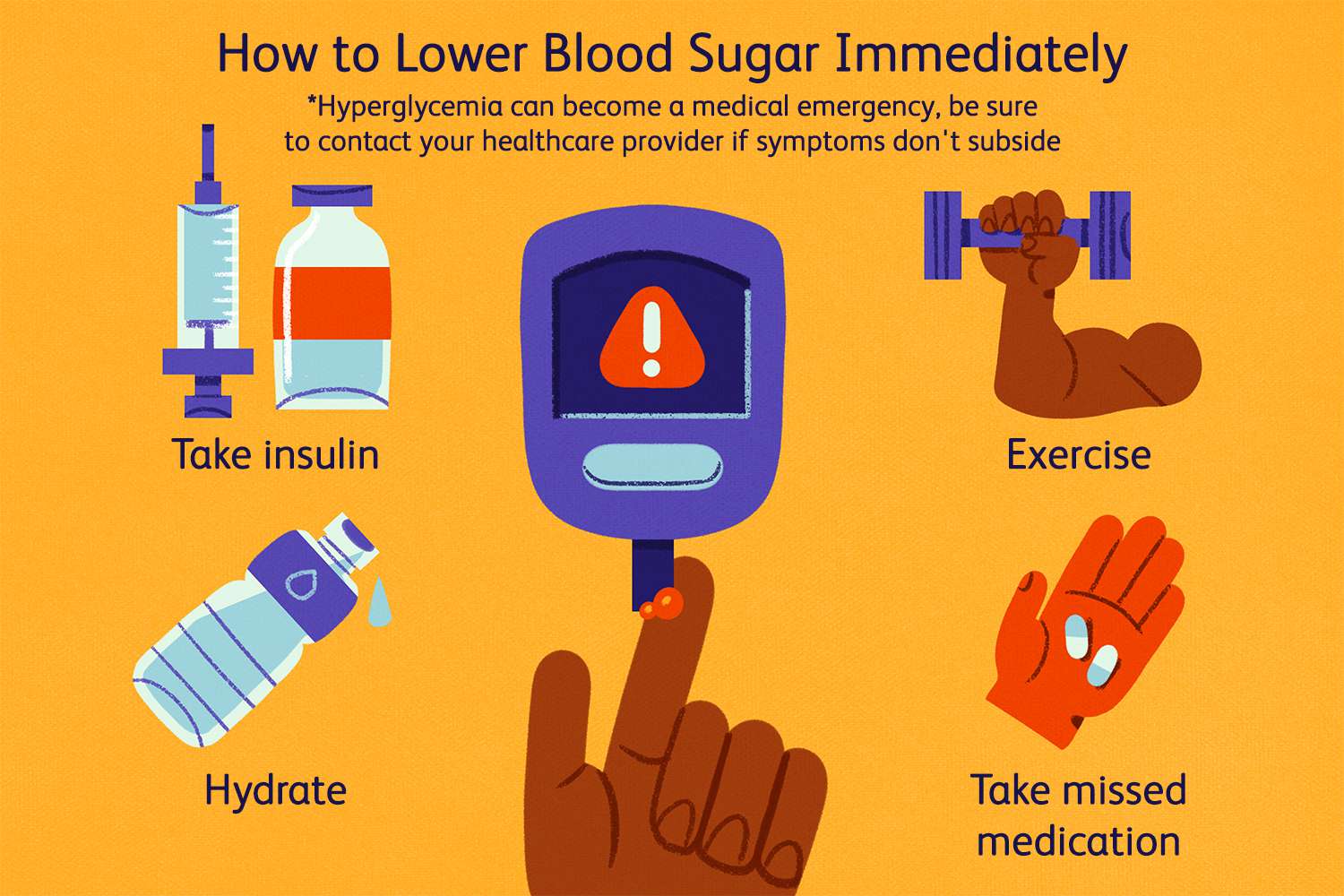
Drinking enough water throughout the day is another essential factor in managing blood sugar levels naturally. Dehydration can cause blood sugar levels to rise, as the kidneys may have difficulty flushing out excess sugar from the bloodstream. In addition, staying hydrated can help reduce cravings for sugary beverages, which can lead to spikes in blood sugar.
Aim to drink at least 8-10 cups of water per day, or more if you are active or live in a hot climate. You can also include herbal teas, infused water, or plain sparkling water to mix up your hydration routine and stay on track with your blood sugar management goals.
4. Prioritize Physical Activity
Regular exercise is key to lowering blood sugar levels naturally and improving insulin sensitivity. Physical activity helps your body utilize glucose more effectively, reducing the risk of high blood sugar levels and insulin resistance. Aim for at least 150 minutes of moderate-intensity exercise per week, such as brisk walking, cycling, or dancing.
Incorporating strength training exercises into your routine can also help build muscle mass, which plays a crucial role in stabilizing blood sugar levels and promoting overall metabolic health. Try to find activities that you enjoy and make them a regular part of your weekly schedule for long-term blood sugar management.
5. Manage Stress Levels
Chronic stress can have a detrimental effect on blood sugar levels, as it triggers the release of stress hormones such as cortisol and adrenaline. These hormones can cause blood sugar levels to rise, leading to insulin resistance and increased risk of developing diabetes. To lower your blood sugar levels naturally, it’s essential to find ways to manage stress and promote relaxation in your daily life.
Some effective stress management techniques include:
- Meditation
- Deep breathing exercises
- Yoga
- Spending time in nature
- Listening to music
- Journaling
Experiment with different stress-relief strategies and find what works best for you. By reducing stress and promoting a sense of calm, you can support healthy blood sugar levels and improve your overall well-being.
6. Get Adequate Sleep
Quality sleep is essential for maintaining healthy blood sugar levels and overall metabolic function. Lack of sleep can disrupt hormone regulation, increase appetite, and lead to imbalanced blood sugar levels. Aim for 7-9 hours of quality sleep per night to support optimal blood sugar management and promote overall health.
Creating a bedtime routine, optimizing your sleep environment, and practicing relaxation techniques can help improve the quality of your sleep and ensure you wake up feeling refreshed and energized. Prioritize sleep as a key component of your blood sugar management plan, and reap the benefits of better health and well-being.
7. Monitor Your Blood Sugar Levels
In addition to implementing lifestyle changes and dietary modifications, it’s essential to monitor your blood sugar levels regularly to track your progress and make informed decisions about your health. You can use a glucometer to check your blood sugar levels at home or visit your healthcare provider for regular blood tests.
By keeping track of your blood sugar levels and understanding how different factors (such as food, exercise, stress, and sleep) affect them, you can make personalized adjustments to optimize your health and well-being. Remember that everyone’s blood sugar levels are unique, so it’s crucial to tailor your management plan to meet your individual needs and goals.
8. Seek Professional Guidance
If you’re struggling to lower your blood sugar levels naturally or have been diagnosed with a medical condition such as prediabetes or diabetes, it’s essential to seek professional guidance from a healthcare provider. Your doctor, registered dietitian, or diabetes educator can provide personalized recommendations, support, and resources to help you manage your blood sugar levels effectively.
Working with a healthcare professional can help you navigate the complexities of blood sugar management, address any underlying health issues, and create a comprehensive plan to improve your overall health and well-being. Don’t hesitate to reach out for help and support on your journey to lower blood sugar levels naturally.

Conclusion
In conclusion, there are numerous ways to lower blood sugar levels naturally and improve your overall health. By incorporating a low-GI diet, fiber-rich foods, hydration, physical activity, stress management, sleep, regular monitoring, and professional guidance into your lifestyle, you can effectively manage your blood sugar levels and reduce your risk of developing chronic diseases. Remember that small changes can make a big difference in your health, so start implementing these strategies today to lower your blood sugar levels naturally and live your best life. You’ve got this!
