
Welcome to an informative article on the most popular treatments for managing COPD. Chronic Obstructive Pulmonary Disease, or COPD, can be challenging to live with, but with the right treatment plan, you can find relief and improved quality of life. From medications to pulmonary rehabilitation programs, this article will explore the various options available to help you effectively manage your COPD symptoms. Let’s dive in and discover the best ways to take control of your health and well-being. Have you recently been diagnosed with Chronic Obstructive Pulmonary Disease (COPD) or know someone who has? Managing COPD can feel overwhelming, but knowing the most popular treatments available can help you navigate this journey more effectively. In this article, we will explore the most popular treatments for managing COPD to help you or your loved one breathe easier and live a fulfilling life. Let’s dive in!
Understanding COPD
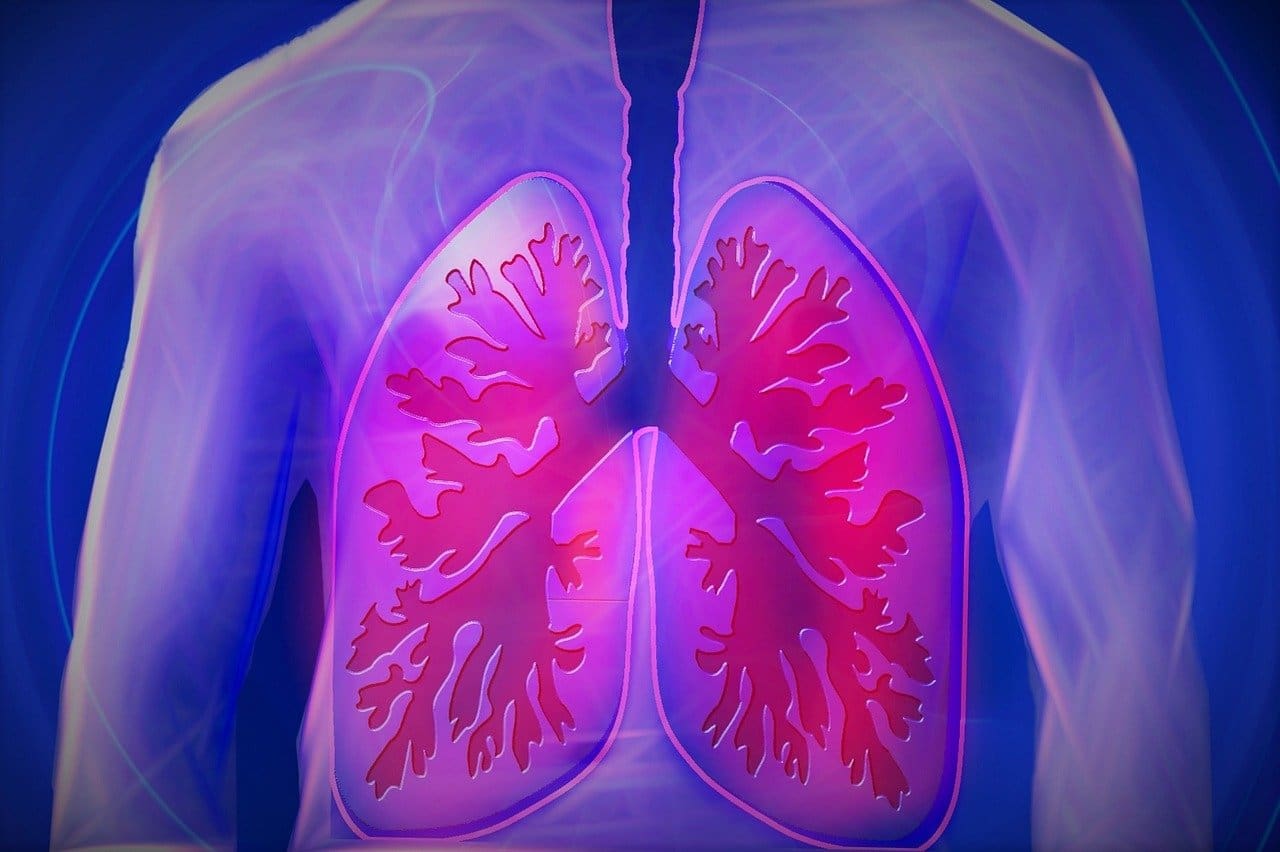
Before delving into the treatments for COPD, let’s first understand what this condition entails. COPD is a chronic inflammatory lung disease that causes obstructed airflow from the lungs. The two main conditions that contribute to COPD are emphysema and chronic bronchitis.
When you have emphysema, the walls of the air sacs in your lungs are damaged, leading to reduced oxygen exchange. Chronic bronchitis involves long-term inflammation of the bronchial tubes, leading to a persistent cough with mucus production.
Symptoms of COPD
Common symptoms of COPD include shortness of breath, wheezing, chest tightness, chronic cough, and frequent respiratory infections. It’s essential to recognize these symptoms early on and seek medical attention for an accurate diagnosis and treatment plan.
Now that we have a basic understanding of COPD let’s explore the most popular treatments available for managing this condition effectively.
Medications for COPD
Medications play a crucial role in managing COPD symptoms and improving lung function. Several types of medications are commonly prescribed for individuals with COPD. Let’s take a closer look at each type and how they work.
Bronchodilators
Bronchodilators are commonly prescribed medications for COPD that help relax the muscles around the airways, making it easier to breathe. There are two main types of bronchodilators: short-acting and long-acting.
Short-acting bronchodilators provide quick relief of COPD symptoms and are typically used on an as-needed basis. Long-acting bronchodilators offer sustained relief and are taken regularly to manage COPD symptoms effectively.
Inhaled Corticosteroids
Inhaled corticosteroids help reduce inflammation in the airways, making it easier to breathe and reducing the frequency of COPD exacerbations. These medications are often prescribed in combination with bronchodilators for maximum effectiveness.
Combination Inhalers
Combination inhalers contain both bronchodilators and inhaled corticosteroids in one device, making it convenient for individuals with COPD to manage their symptoms effectively. Using combination inhalers can help simplify your medication regimen and improve adherence.
Oral Steroids
In some cases, oral steroids may be prescribed to individuals with severe COPD exacerbations to reduce inflammation and improve lung function. However, long-term use of oral steroids can lead to serious side effects, so they are usually reserved for short-term use.

Pulmonary Rehabilitation
Pulmonary rehabilitation is a comprehensive program designed to help individuals with COPD improve their overall physical conditioning and quality of life. This multidisciplinary approach typically includes exercise training, education, and psychological support.
Exercise Training
Exercise training is a key component of pulmonary rehabilitation for individuals with COPD. Regular physical activity can help improve lung function, endurance, and overall quality of life. Your healthcare provider will work with you to develop an exercise program tailored to your specific needs and abilities.
Education
Education is an essential part of pulmonary rehabilitation, helping individuals with COPD better understand their condition and how to manage it effectively. You will learn about breathing techniques, medication management, nutrition, and other strategies to improve your COPD symptoms and overall health.
Psychological Support
Living with COPD can be challenging, both physically and emotionally. Psychological support is a critical component of pulmonary rehabilitation, providing individuals with coping strategies, stress management techniques, and emotional support to help them navigate the ups and downs of living with COPD.
Oxygen Therapy
Oxygen therapy is a common treatment for individuals with COPD who have low blood oxygen levels. Supplemental oxygen can help improve oxygenation, reduce shortness of breath, and enhance overall quality of life. There are several types of oxygen therapy devices available, including portable oxygen concentrators, oxygen tanks, and liquid oxygen systems.
Long-Term Oxygen Therapy (LTOT)
Long-term oxygen therapy (LTOT) is prescribed for individuals with COPD who have persistent low blood oxygen levels, even at rest. LTOT can help improve survival, reduce hospitalizations, and enhance exercise tolerance in individuals with severe COPD.
Portable Oxygen Therapy
Portable oxygen concentrators are lightweight devices that allow individuals with COPD to receive supplemental oxygen on the go. These devices are battery-powered and easy to carry, providing individuals with the freedom to maintain an active lifestyle while managing their COPD symptoms effectively.
Surgical Treatments
In some cases, surgical interventions may be necessary for individuals with severe COPD that does not respond to other treatments. Surgery can improve lung function, reduce symptoms, and enhance overall quality of life for individuals with advanced COPD.
Lung Volume Reduction Surgery (LVRS)
Lung volume reduction surgery (LVRS) involves removing damaged portions of the lungs to improve lung function and reduce breathlessness in individuals with severe emphysema. This procedure can help restore lung elasticity and improve overall lung capacity.
Lung Transplant
Lung transplant may be recommended for individuals with end-stage COPD who have severe lung damage and do not respond to other treatments. Lung transplant surgery involves replacing one or both diseased lungs with healthy donor lungs, improving lung function and quality of life in eligible candidates.
Lifestyle Changes
Making healthy lifestyle changes can significantly impact the management of COPD and improve overall quality of life. By incorporating the following lifestyle modifications, you can better manage your COPD symptoms and enhance your well-being.
Quit Smoking
If you smoke, quitting is the most important lifestyle change you can make to manage COPD effectively. Smoking cessation can slow the progression of COPD, reduce symptoms, and improve lung function over time. There are several resources available to help you quit smoking, including nicotine replacement therapy, counseling, and support groups.
Exercise Regularly
Regular exercise is essential for individuals with COPD to improve lung function, endurance, and overall quality of life. Engaging in aerobic exercise, such as walking, cycling, or swimming, can help strengthen your respiratory muscles, increase oxygen capacity, and reduce breathlessness.
Maintain a Healthy Diet
Eating a nutritious diet rich in fruits, vegetables, whole grains, and lean proteins can help support your overall health and well-being. A healthy diet can provide essential nutrients to help manage COPD symptoms and reduce inflammation in the body.
Stay Hydrated
Staying hydrated is crucial for individuals with COPD to maintain optimal lung function and prevent respiratory complications. Drinking an adequate amount of water throughout the day can help thin mucus secretions, making it easier to clear your airways and breathe more comfortably.
Manage Stress
Stress can exacerbate COPD symptoms and impact your overall well-being. Practicing stress management techniques, such as mindfulness, deep breathing exercises, and relaxation techniques, can help reduce stress levels and improve your coping mechanisms.
Conclusion
Managing COPD effectively requires a comprehensive approach that includes medications, pulmonary rehabilitation, oxygen therapy, surgical interventions, and lifestyle changes. By working closely with your healthcare provider and incorporating these popular treatments into your COPD management plan, you can improve your quality of life and breathe easier. Remember, you are not alone in this journey, and there are resources available to support you every step of the way. Stay informed, stay proactive, and stay positive as you navigate life with COPD.