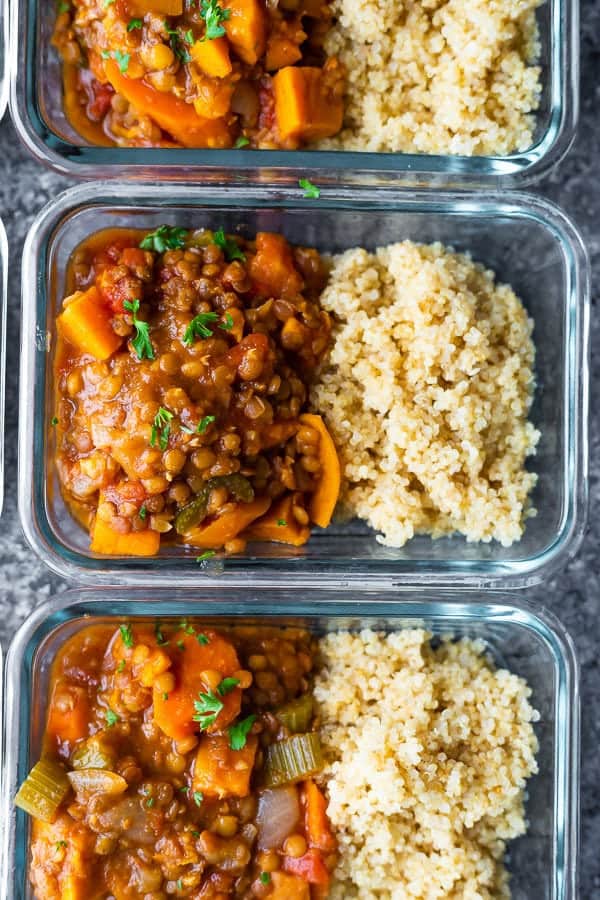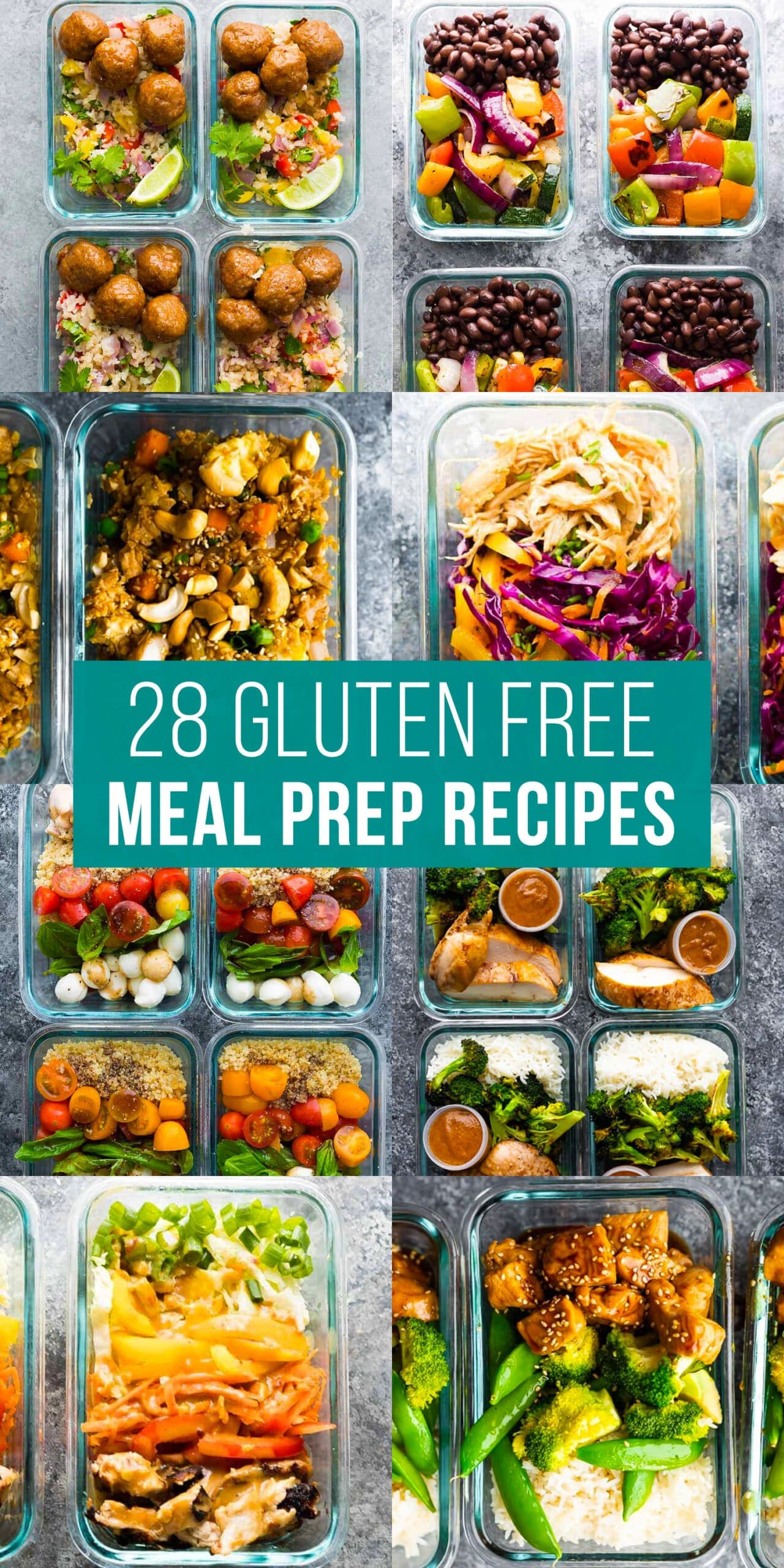
Are you following a gluten-free diet and looking for ways to simplify your meal preparation? Look no further! In this article, we will explore the top ways to effectively meal prep for a gluten-free diet. From planning your meals in advance to stocking your pantry with gluten-free staples, these tips will help you save time and effort in the kitchen, while still enjoying delicious and nutritious gluten-free meals throughout the week. Whether you are a seasoned meal prepper or just starting out, these strategies will surely make your gluten-free journey a breeze.
Plan Your Meals
Create a Weekly Meal Plan
One of the most important steps to successfully meal prepping for a gluten-free diet is to create a weekly meal plan. Take some time at the start of each week to sit down and plan out your meals for the upcoming days. This will help you stay organized, save time, and ensure that you have all the necessary ingredients on hand.
When creating your meal plan, consider your dietary preferences, nutritional needs, and any specific dietary restrictions you may have. It’s also a good idea to include a variety of foods from different food groups to ensure you’re getting a balanced diet.
Include a Variety of Gluten-free Foods
When planning your meals, be sure to include a variety of gluten-free foods. By incorporating a wide range of gluten-free grains, fruits, vegetables, proteins, and dairy or non-dairy alternatives, you’ll be able to enjoy a diverse and nutritious diet.
Some gluten-free grains you can include in your meal plan are quinoa, rice, millet, buckwheat, and corn. Fruits and vegetables should also be an essential part of your gluten-free meal prep, as they provide important vitamins, minerals, and fiber. Don’t forget to include a good source of protein, such as lean meats, fish, legumes, tofu, or tempeh.
Consider Your Nutritional Needs
In addition to including a variety of gluten-free foods in your meal plan, it’s important to consider your nutritional needs. If you have specific dietary requirements or health conditions, consult with a healthcare professional or registered dietitian to ensure you’re meeting your nutritional needs.
Make sure your meals provide an adequate amount of protein, healthy fats, and carbohydrates. It’s also important to include plenty of fruits and vegetables to ensure you’re getting a wide range of vitamins and minerals. Consider incorporating gluten-free sources of calcium, such as dairy alternatives like almond milk or fortified soy milk.
Stock Your Pantry
Remove Gluten-containing Ingredients
Before you start meal prepping, it’s essential to remove any gluten-containing ingredients from your pantry. Take the time to go through your pantry and read ingredient labels carefully. Look out for common sources of gluten, such as wheat, barley, rye, and oats (unless labeled gluten-free).
If you find any gluten-containing ingredients, set them aside to donate or give away to friends or family who can use them. By removing gluten-containing ingredients from your pantry, you’ll reduce the risk of cross-contamination and ensure that your meals are truly gluten-free.
Stock Up on Gluten-free Staples
Once you’ve removed any gluten-containing ingredients, it’s time to stock up on gluten-free staples for your pantry. Some essential gluten-free pantry staples include gluten-free flours (such as rice flour, almond flour, or coconut flour), gluten-free pasta, gluten-free bread or wraps, gluten-free condiments (like tamari or gluten-free soy sauce), and gluten-free baking ingredients (such as baking powder and yeast).
Having these staples on hand will make it easier to whip up gluten-free meals and snacks throughout the week. Consider buying these items in bulk or during sales to save money and ensure you always have them available.
Label and Organize Your Pantry
To make your meal prepping process more efficient, label and organize your pantry items. Use clear containers or jars to store your gluten-free flours, grains, and other dry ingredients. Label each container with the name of the ingredient and the date it was purchased or opened.
Organize your pantry by grouping similar items together. For example, store all your gluten-free flours in one section, your pasta in another, and your condiments in a different area. This will help you easily locate ingredients when you’re ready to start meal prepping.
Prep Ingredients in Advance
Wash and Chop Fruits and Vegetables
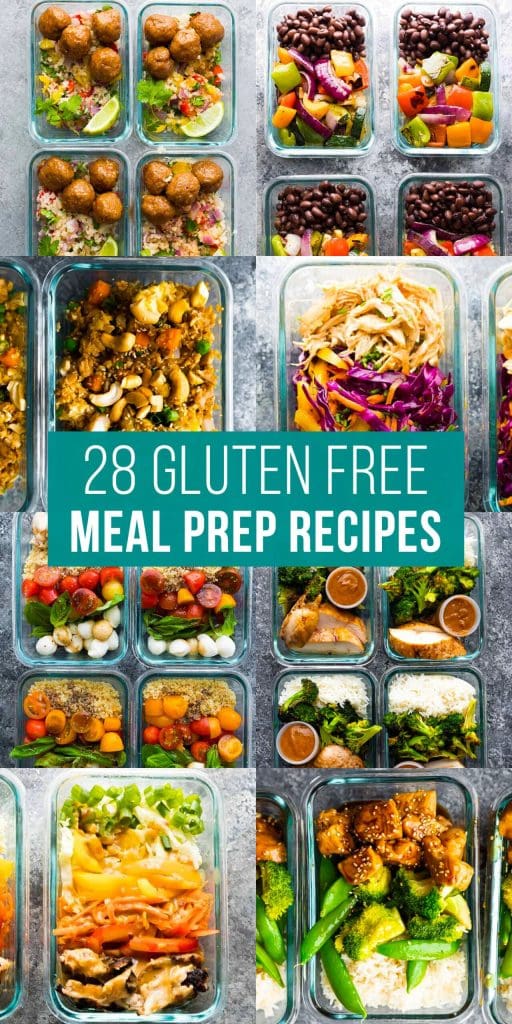
A great way to save time during meal prep is to wash and chop your fruits and vegetables in advance. When you bring home your groceries, take the time to wash and chop your produce. This will make it easier and more convenient to incorporate fruits and vegetables into your meals throughout the week.
Store your prepped fruits and vegetables in airtight containers or reusable bags to keep them fresh. If you’re prepping leafy greens, consider wrapping them in a damp paper towel to prevent them from wilting.
Pre-cook Grains and Proteins
Another time-saving tip is to pre-cook grains and proteins in advance. Cooking a large batch of grains like quinoa or rice at the beginning of the week can save you time and allow you to easily incorporate them into different meals.
Similarly, pre-cooking proteins such as chicken, beef, or tofu can save you time during the week. Simply cook the proteins, let them cool, and store them in individual portions for easy access.
Store Prepared Ingredients Properly
After preparing your ingredients in advance, it’s important to store them properly to maintain freshness and prevent spoilage. Store your prepped fruits and vegetables in the refrigerator, making sure they are dry and wrapped or stored in airtight containers.
Cooked grains and proteins should be stored in separate containers and kept in the refrigerator. Be sure to label each container with the name of the ingredient and the date it was cooked. This will help you keep track of freshness and ensure you use them within a safe timeframe.
Batch Cook
Prepare Multiple Portions at Once
Batch cooking is a game-changer when it comes to meal prepping. Rather than cooking individual meals every day, take some time to prepare multiple portions at once. This will save you time and energy throughout the week.
Choose recipes that can easily be scaled up and cooked in larger quantities. For example, soups, stews, casseroles, or stir-fries are great options for batch cooking. By preparing multiple portions at once, you’ll have ready-to-eat meals that can be easily reheated when needed.
Use Freezer-friendly Containers
When batch cooking for a gluten-free diet, it’s important to use freezer-friendly containers. Look for containers that are made of durable, BPA-free plastic or glass, and have tight-fitting lids.
Divide your batch-cooked meals into individual portions and place them in the freezer-friendly containers. This will help preserve the freshness and quality of the food. Using individual containers makes it easier to grab and thaw only what you need for each meal.
Label and Date Your Meals
To stay organized and prevent any confusion, be sure to label and date your meals. Use a permanent marker to write the name of the dish and the date it was cooked on each container.
Labeling your meals will ensure that you can easily identify them when you’re ready to eat. It will also help you keep track of when each meal was prepared, allowing you to consume them within a safe timeframe.
Utilize the Slow Cooker
Cook Gluten-free Soups and Stews
The slow cooker is a fantastic tool for gluten-free meal prep. It allows you to cook delicious soups and stews with minimal effort. Simply throw in your ingredients, set the temperature and cooking time, and let the slow cooker do its magic.
When using the slow cooker for gluten-free meal prep, be sure to choose gluten-free ingredients and double-check that any spices or seasonings you use are also gluten-free. You can find plenty of gluten-free slow cooker recipes online or adapt your favorite recipes to be gluten-free.
Set It and Forget It
One of the main advantages of using a slow cooker for gluten-free meal prep is its set it and forget it feature. Once you’ve added all your ingredients and set the cooking time, you can go about your day and let the slow cooker do all the work.
This is especially helpful for busy individuals who don’t have the time or energy to spend hours in the kitchen. With the slow cooker, you can come home to a delicious, ready-to-eat meal without the hassle of cooking from scratch.
Enjoy Easy and Flavorful Meals
Using a slow cooker for gluten-free meal prep not only saves you time and effort, but it also results in incredibly flavorful meals. Slow cooking allows flavors to meld together, creating rich and delicious dishes.
The low and slow cooking method also tenderizes meats, making them juicy and flavorful. Whether you’re cooking a hearty stew, a comforting chili, or a flavorful curry, the slow cooker is a reliable tool for creating easy and tasty gluten-free meals.
Make Homemade Gluten-free Snacks
Bake Gluten-free Granola Bars
When it comes to snacks, making your own gluten-free options can save you money and ensure that you’re eating wholesome ingredients. One popular gluten-free snack option is homemade gluten-free granola bars.
There are endless flavor combinations to explore when making your own granola bars. Combine gluten-free oats, nuts, seeds, dried fruits, and sweeteners like honey or maple syrup to create delicious and nutritious snacks. Bake these bars in advance and store them in airtight containers for grab-and-go snacks throughout the week.
Prepare Gluten-free Trail Mix
Another easy and portable gluten-free snack option is homemade trail mix. Simply combine gluten-free nuts, seeds, dried fruits, and any other desired add-ins like chocolate chips or coconut flakes.
Trail mix is a versatile snack that can be customized to your taste preferences and dietary needs. Portion out individual servings into small bags or containers to have a quick and convenient snack on hand whenever hunger strikes.
Create Energy Balls or Protein Bites
Energy balls or protein bites are another fantastic homemade gluten-free snack option. These bite-sized treats are typically made with nuts, seeds, dried fruits, and a binder like nut butter or dates.
There are countless recipes available online for gluten-free energy balls or protein bites. Experiment with different flavors and ingredients to find your favorites. Make a batch in advance and store them in the refrigerator for a quick and nutritious snack throughout the week.
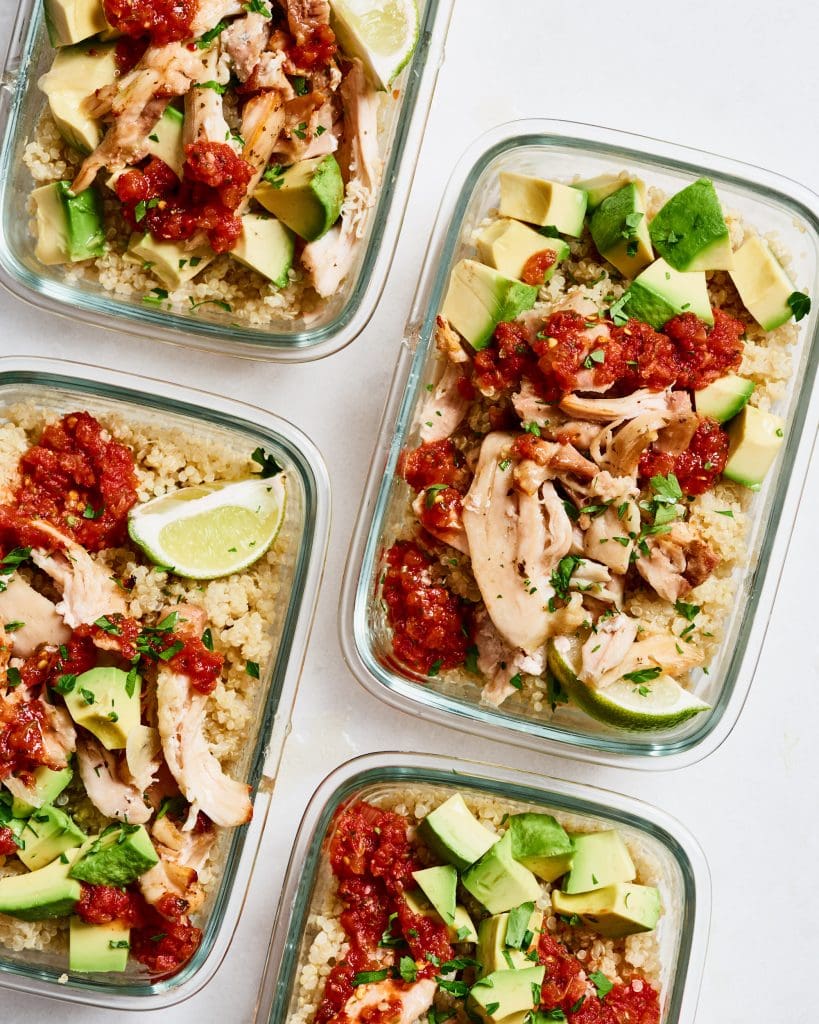
Try Mason Jar Salads
Layer Salad Ingredients in Mason Jars
Mason jar salads are a convenient and portable way to enjoy fresh and healthy salads throughout the week. The key to successfully layering a mason jar salad is to start with the dressing at the bottom and layer the ingredients based on their moisture content.
Begin by adding your desired dressing to the bottom of the jar. Next, layer ingredients like hearty vegetables (such as cucumbers or bell peppers), followed by proteins like grilled chicken or tofu, then grains or pasta, and finally, leafy greens. Keep the leafy greens at the top to prevent them from getting soggy.
Add Dressing and Protein on Top
To ensure your mason jar salad stays fresh, it’s important to separate the dressing and proteins from the vegetables and leafy greens. By layering the dressing at the bottom and the proteins on top, you prevent the ingredients from getting soggy.
When you’re ready to eat the salad, simply give the jar a good shake to mix the dressing with the rest of the ingredients. The result is a fresh, flavorful salad that you can enjoy at work, school, or on-the-go.
Enjoy Fresh and Portable Salads
Mason jar salads are a great way to ensure you’re getting a nutritious and satisfying meal while on a gluten-free diet. They are not only convenient and portable but also allow you to enjoy fresh and crisp salads.
Investing in a few mason jars and taking the time to prepare your salads in advance can save you time and money. You can experiment with different salad combinations and dressings to keep your meals interesting and exciting.
Freeze Individual Portions
Portion Meals into Individual Containers
Portioning your meals into individual containers before freezing is a great way to stay organized and save time. When dividing your meals, consider your portion sizes and make sure they are suitable for your needs.
Use freezer-safe containers or resealable bags to store your portioned meals. It’s helpful to label each container with the name of the dish and the date it was frozen. This will help you keep track of your freezer meals and ensure you use them within a safe timeframe.
Label and Freeze for Future Use
Labeling and dating your frozen meals is essential for staying organized and preventing any confusion. Use labels or masking tape to write the name of the dish and the date it was frozen on each container.
Freeze your portioned meals as soon as possible after cooking to maintain their quality and freshness. By labeling and freezing your meals, you’ll have a stash of ready-to-eat options for those busy days or when you simply don’t feel like cooking.
Thaw and Reheat as Needed
When you’re ready to enjoy one of your frozen meals, it’s important to safely thaw and reheat it. Thaw your meals in the refrigerator overnight or use the defrost function on your microwave if you’re short on time.
Once thawed, reheat your meal thoroughly, ensuring it reaches a safe internal temperature. Use a food thermometer to check the temperature, aiming for at least 165°F (74°C) for reheating cooked meals. This will ensure that your meal is safe to consume and delicious to eat.

Invest in Meal Prep Containers
Choose Containers with Proper Sealing
Investing in high-quality meal prep containers is essential for keeping your meals fresh and preventing leaks or spills. Look for containers that have secure and airtight lids to ensure proper sealing.
Containers with multiple compartments can also be useful for keeping different types of food separate. This is especially helpful for preventing moisture from salad ingredients seeping into other components. Choose containers that are made of durable materials like glass or BPA-free plastic to avoid potential health risks.
Opt for Microwavable and Dishwasher-safe Containers
To make your meal prep routine even more convenient, opt for microwavable and dishwasher-safe containers. This will save you time and effort when it comes to reheating your meals and cleaning up afterward.
Microwavable containers allow you to conveniently heat up your meals in the container itself. Dishwasher-safe containers can be placed in the dishwasher for quick and easy cleaning. The less time you spend on washing dishes, the more time you have to enjoy your delicious gluten-free meals.
Consider Different Sizes for Versatility
When choosing meal prep containers, consider selecting containers in different sizes to accommodate various types of meals and portion sizes. Having a variety of container sizes will allow you to portion out individual meals or store larger portions for family or friends.
Smaller containers are great for snacks, salads, or single serving meals, while larger containers are ideal for storing casseroles, soups, or batch-cooked meals. Choose containers that stack well for efficient storage in your refrigerator or freezer.
Get Creative with Leftovers
Repurpose Leftover Proteins into Salads or Wraps
When you have leftover proteins, such as grilled chicken or roasted turkey, get creative and repurpose them into salads or wraps. Chop up the leftover proteins and combine them with fresh lettuce, crunchy vegetables, and your favorite gluten-free dressing to create a satisfying salad.
Alternatively, use gluten-free wraps or lettuce leaves to make a flavorful and portable protein wrap. Add some sliced avocado, tomatoes, and a dollop of hummus for added flavor. Repurposing leftovers allows you to enjoy a new and delicious meal while minimizing food waste.
Transform Cooked Vegetables into Frittatas or Quiches
If you have leftover cooked vegetables from your meal prep, consider transforming them into a tasty frittata or quiche. Whisk together eggs and milk or dairy-free alternative, then add your leftover vegetables and any desired seasonings or toppings.
Bake the mixture in a greased dish or pie plate until it’s cooked through and set. This allows you to enjoy a nutritious and flavorful meal using ingredients you already have on hand. Frittatas and quiches can be served as breakfast, lunch, or dinner and reheated for leftovers.
Make Gluten-free Sandwiches or Pizzas with Leftover Ingredients
Leftover ingredients can also be used to create delicious gluten-free sandwiches or pizzas. Take any leftover proteins, vegetables, or grains, and use them as toppings for your sandwich or pizza base.
For gluten-free sandwiches, use gluten-free bread or wraps and pile on the leftover ingredients. Add some fresh lettuce, tomato, and a sauce of your choice for added flavor. When it comes to gluten-free pizzas, use a gluten-free pizza crust or a cauliflower crust and top it with your leftover ingredients and some tasty cheese or dairy-free alternative.
By getting creative with your leftovers, you can enjoy a variety of meals while reducing food waste and saving money. Meal prepping allows you to make the most of your ingredients and create new dishes that are both delicious and gluten-free.
In conclusion, meal prepping for a gluten-free diet can be a game-changer when it comes to saving time, staying organized, and enjoying delicious and nutritious meals. By following these top ways to meal prep for a gluten-free diet, you’ll be able to plan your meals effectively, stock your pantry with gluten-free staples, prep ingredients in advance, batch cook, utilize the slow cooker, make homemade snacks, try mason jar salads, freeze individual portions, invest in meal prep containers, and get creative with leftovers. With these strategies, you’ll be well-equipped to navigate the challenges of a gluten-free diet and enjoy a hassle-free and satisfying eating experience. Happy meal prepping!