
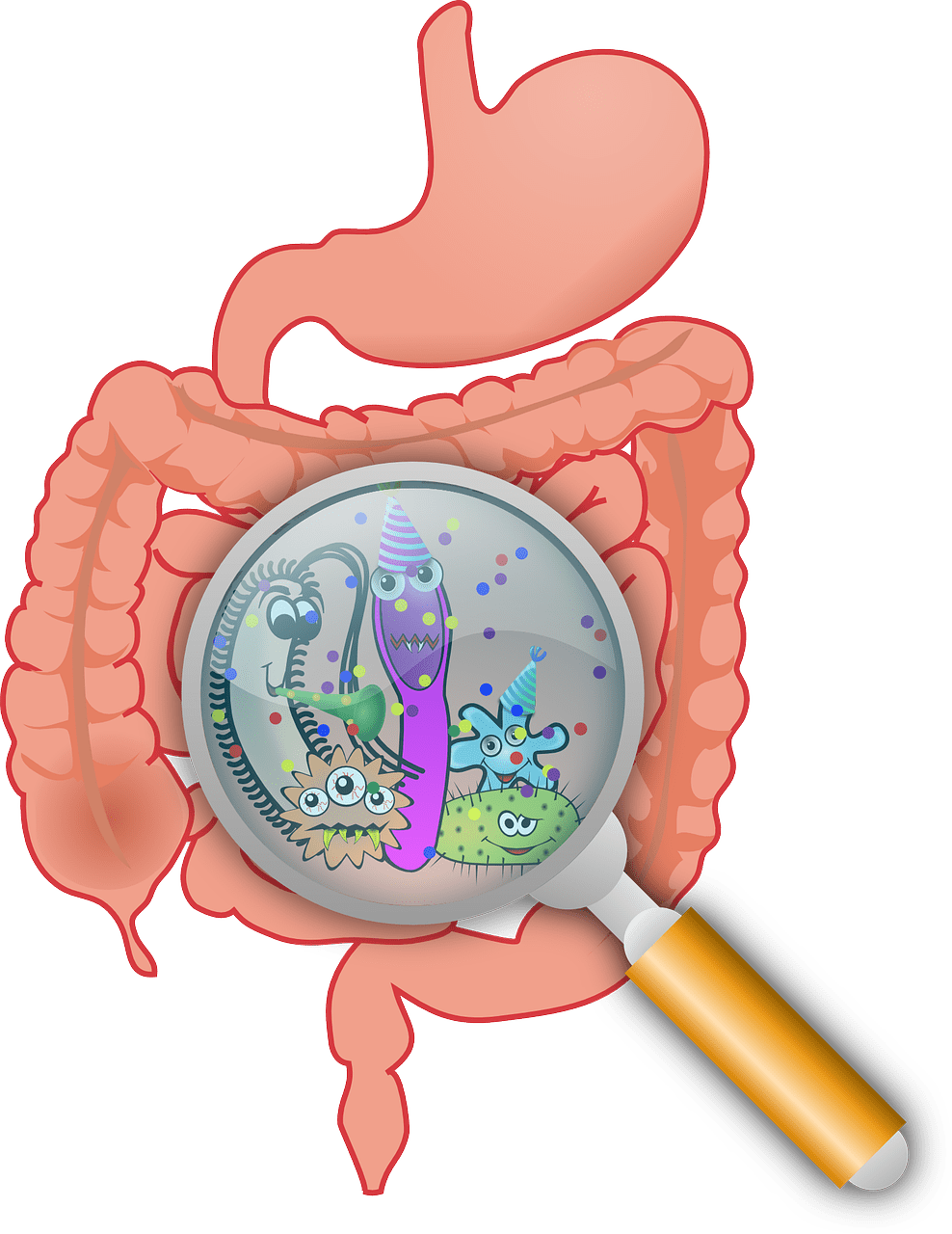
Maintaining a healthy gut is essential for overall well-being, and your diet plays a crucial role in supporting it. In this article, we will explore the top ways to support your gut health through simple dietary changes. Discover the foods that promote a diverse and flourishing gut microbiome, learn about the benefits of including fermented foods in your meals, and uncover the importance of consuming fiber-rich foods to keep your gut happy and balanced. By making these small but impactful changes to your diet, you can pave the way for a thriving gut and a healthier you.
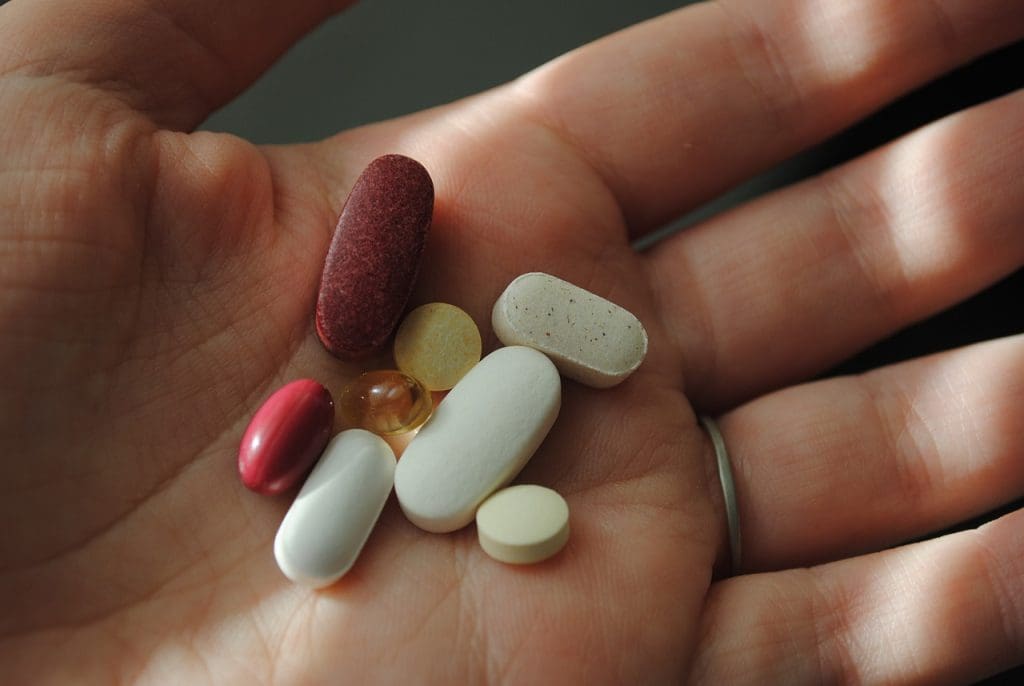
Include fermented foods in your diet
Fermented foods have been a part of human diets for centuries, and they offer numerous benefits for your gut health. Fermentation is a process that involves the conversion of sugars into alcohol or organic acids by bacteria, yeasts, or other microorganisms. This process not only preserves the food but also produces beneficial compounds that promote the growth of healthy bacteria in your gut.
What are fermented foods?
Fermented foods are food products that have undergone the fermentation process. Common examples of fermented foods include yogurt, sauerkraut, kimchi, kefir, tempeh, miso, and kombucha. These foods typically have a tangy taste and distinct aroma, thanks to the fermentation process.
Benefits of fermented foods
The consumption of fermented foods can be incredibly beneficial for your gut health. Fermented foods are rich in probiotics, which are live microorganisms that promote the growth of beneficial bacteria in your gut. These beneficial bacteria, such as Lactobacillus and Bifidobacterium, help maintain a healthy balance of gut flora.
Regular intake of fermented foods can also improve your digestion and absorption of nutrients. The fermentation process breaks down complex carbohydrates and proteins into more easily digestible forms, making it easier for your body to extract essential nutrients from food. Additionally, fermented foods contain a wide range of vitamins, minerals, and antioxidants that can support overall health.
Examples of fermented foods
If you’re looking to incorporate more fermented foods into your diet, here are some examples to consider:
-
Yogurt: This dairy product is made from fermented milk and contains live cultures of bacteria. Choose plain yogurt without added sugars for the most benefits.
-
Sauerkraut: Fermented cabbage that is crisp, tangy, and full of probiotics. It can be enjoyed as a side dish or added to sandwiches and salads.
-
Kimchi: A traditional Korean dish made of fermented vegetables, typically cabbage and radishes. Kimchi is packed with probiotics and adds a flavorful kick to meals.
-
Kefir: A fermented milk drink that is similar to yogurt but has a thinner consistency. Kefir is a great source of probiotics and can be enjoyed on its own or used as a base for smoothies.
-
Tempeh: A popular meat substitute made from fermented soybeans. It’s rich in probiotics, protein, and other important nutrients.
-
Miso: A traditional Japanese seasoning made from fermented soybeans. Miso can be used to add depth of flavor to soups, marinades, or dressings.
-
Kombucha: A fizzy, fermented tea that is packed with probiotics. It comes in a variety of flavors and can be a refreshing alternative to sugary sodas.
Including a variety of fermented foods in your diet can help promote a healthy gut and enhance your overall well-being.
Consume prebiotic-rich foods
In addition to including fermented foods in your diet, it’s important to consume prebiotic-rich foods. Prebiotics are a type of dietary fiber that provides nourishment for the beneficial bacteria in your gut. These non-digestible compounds pass through your digestive system intact and serve as food for the beneficial bacteria, helping them thrive and maintain a healthy balance.
What are prebiotics?
Prebiotics are a type of dietary fiber that cannot be digested by the human body. Instead, they are fermented by bacteria in the colon, producing short-chain fatty acids that promote the growth of beneficial bacteria in your gut. Prebiotics act as a fuel source for these bacteria, providing the ideal conditions for them to flourish.
Importance of prebiotics for gut health
Consuming prebiotic-rich foods is essential for maintaining a healthy gut. These foods help increase the population and diversity of beneficial bacteria in your gut, which plays a crucial role in digestion, nutrient absorption, and overall immune function. By nourishing the beneficial bacteria, prebiotics contribute to a balanced gut microbiome, which is essential for optimal gut health.
Sources of prebiotic-rich foods
If you’re looking to incorporate more prebiotic-rich foods into your diet, here are some examples to consider:
-
Garlic: This flavorful bulb is not only a delicious addition to dishes but also contains a type of prebiotic fiber called inulin.
-
Onions: Like garlic, onions are rich in inulin and can be easily incorporated into various recipes.
-
Bananas: Ripe bananas contain resistant starch, a type of prebiotic fiber that behaves like soluble fiber in the body.
-
Asparagus: This green veggie is a great source of inulin and can be enjoyed roasted, steamed, or grilled.
-
Chicory root: Often used as a coffee substitute, chicory root is high in inulin and can be found in certain teas and as a powdered supplement.
-
Jerusalem artichokes: These tubers are packed with inulin and can be enjoyed roasted, sautéed, or added to soups and stews.
-
Oats: Whole oats are not only a good source of dietary fiber but also contain a type of prebiotic fiber called beta-glucan.
By incorporating these prebiotic-rich foods into your diet, you can support the growth of beneficial bacteria in your gut and promote a healthy gut environment.
Add probiotics to your daily routine
In addition to consuming fermented foods and prebiotic-rich foods, adding probiotics to your daily routine can further support your gut health. Probiotics are live microorganisms that provide health benefits when consumed in adequate amounts. These beneficial bacteria help restore and maintain a balanced gut microbiome, which is crucial for overall health.
What are probiotics?
Probiotics are living microorganisms, such as bacteria or yeasts, that can support your gut health when consumed in sufficient quantities. These friendly bacteria help maintain a balanced gut microbiome by crowding out harmful bacteria and promoting the growth of beneficial bacteria.
How probiotics benefit gut health
Probiotics offer a range of benefits for your gut health. They help improve digestion by breaking down food and aiding nutrient absorption. Probiotics also support immune function by interacting with cells of the immune system in your gut. Additionally, they contribute to a healthy gut barrier, preventing harmful substances from crossing into the bloodstream.
Regular intake of probiotics can help alleviate digestive issues such as bloating, gas, and diarrhea. They may also play a role in managing conditions like irritable bowel syndrome (IBS) and inflammatory bowel disease (IBD). Furthermore, probiotics have been linked to improvements in mental health, as they can modulate the gut-brain axis.
Probiotic food sources and supplements
Probiotics can be found in a variety of food sources as well as in supplement form. Here are some examples of probiotic-rich foods to include in your diet:
-
Yogurt: Look for yogurt that lists specific strains of probiotic bacteria, such as Lactobacillus acidophilus or Bifidobacterium lactis, on the label.
-
Kefir: Similar to yogurt, kefir is a fermented milk drink that is rich in probiotics. It contains a wider variety of bacterial strains and can be enjoyed as a standalone beverage or added to smoothies.
-
Sauerkraut and other fermented vegetables: These fermented foods are not only rich in probiotics but also offer additional health benefits due to their fermentation process.
-
Kimchi: A spicy Korean condiment made from fermented vegetables, often cabbage or radishes. Kimchi is a flavorful way to incorporate probiotics into your meals.
-
Miso: A traditional Japanese seasoning made from fermented soybeans, barley, or rice. Miso can be used as a base for soups, dressings, and marinades to add a probiotic boost to your dishes.
If you prefer to take probiotics in supplement form, it’s important to choose a reputable brand that specifies the strains and the number of live bacteria per serving. Consult with a healthcare professional or a registered dietitian to determine which strains and dosages may be best for your specific needs.
Including probiotics in your daily routine can help maintain a healthy balance of gut bacteria and support your overall gut health.
Increase fiber intake
Fiber plays a crucial role in maintaining a healthy gut, and increasing your intake can be beneficial for overall digestive health. Fiber is a type of carbohydrate that is not digested by the body but instead passes through the digestive tract relatively intact. It provides bulk to your stool, aids in regular bowel movements, and supports a diverse and balanced gut microbiome.
Role of fiber in gut health
Fiber is considered a prebiotic, as it serves as a food source for beneficial bacteria in the gut. It helps promote the growth of these bacteria, which produce short-chain fatty acids that nourish the cells lining the colon. These fatty acids play a role in reducing inflammation and supporting a healthy gut environment.
Fiber also acts as a bulking agent in the intestine, adding bulk to your stool and promoting regular bowel movements. By keeping your digestive system moving, fiber can help prevent constipation and other digestive issues.
Types of fiber and their benefits
There are two main types of fiber: soluble fiber and insoluble fiber. Soluble fiber dissolves in water and forms a gel-like substance in the digestive tract. Insoluble fiber does not dissolve in water and adds bulk to the stool.
Soluble fiber has several benefits for gut health. It softens the stool, making it easier to pass, and can help regulate bowel movements. Soluble fiber also serves as a prebiotic, providing nourishment for beneficial gut bacteria.
Insoluble fiber, on the other hand, adds bulk to the stool and helps prevent constipation. It helps move waste through the digestive system, preventing it from sitting in the colon for too long.
Fiber-rich food options
To increase your fiber intake and support your gut health, consider incorporating the following fiber-rich foods into your diet:
-
Fruits: Apples, berries, pears, and bananas are all excellent sources of fiber. Leave the skin on whenever possible, as it contains a significant portion of the fruit’s fiber.
-
Vegetables: Broccoli, Brussels sprouts, carrots, and leafy greens like spinach and kale are all high in fiber. Aim to include a variety of colors and types of vegetables in your meals.
-
Whole grains: Opt for whole grain bread, brown rice, quinoa, and oats instead of their refined counterparts. These whole grains are higher in fiber and offer more nutritional value.
-
Legumes: Foods like lentils, chickpeas, black beans, and kidney beans are not only rich in fiber but also provide a good source of plant-based protein.
-
Nuts and seeds: Almonds, chia seeds, flaxseeds, and walnuts are great additions to your diet. They are packed with fiber and provide healthy fats and other important nutrients.
Remember to increase your fiber intake gradually and drink plenty of water, as fiber absorbs water and can cause digestive discomfort if introduced too quickly. Aim for a balance of soluble and insoluble fiber to ensure optimal gut health.
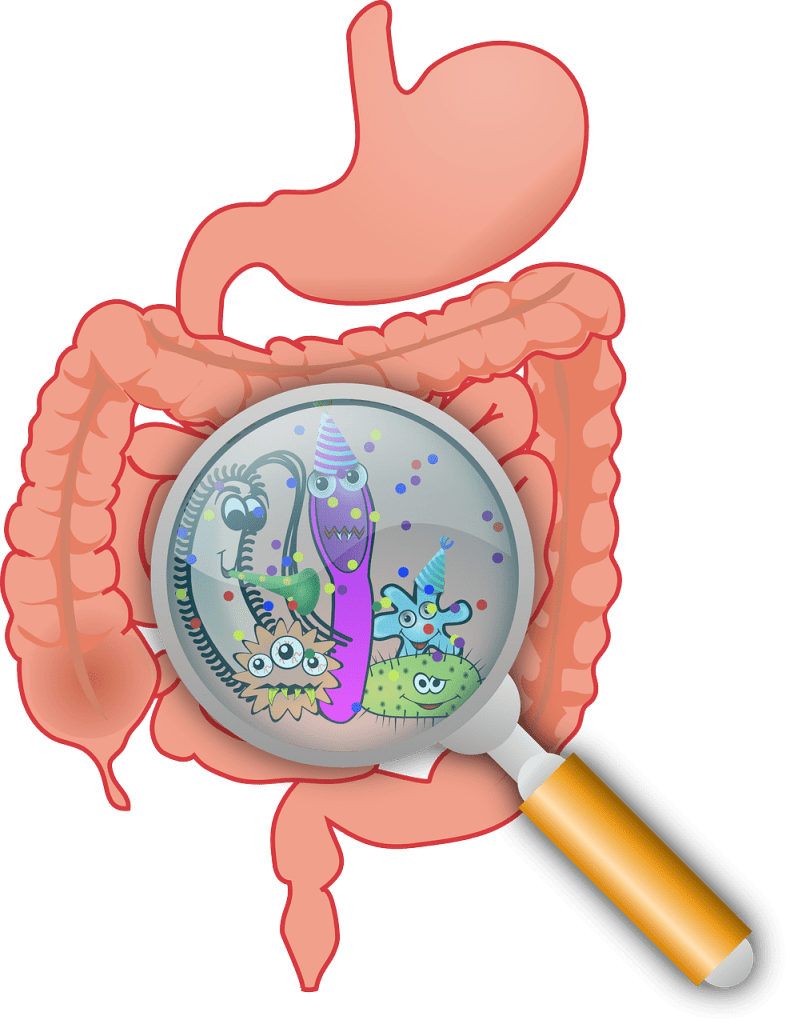
Stay hydrated
Hydration is an important factor in supporting gut health. Water plays a crucial role in maintaining the balance of fluids in your body and aiding in proper digestion and absorption of nutrients. Dehydration can lead to various digestive issues, including constipation and poor nutrient absorption.
Importance of hydration for gut health
Staying hydrated is essential for maintaining a healthy gut. Water helps soften the stool, promoting regular bowel movements and preventing constipation. It also plays a role in breaking down food, facilitating the absorption of nutrients in the digestive tract.
Proper hydration is necessary for the optimal functioning of the gut, ensuring that all processes occur smoothly. Inadequate hydration can disrupt the normal function of the digestive system, leading to digestive discomfort and other issues.
How much water to drink
The amount of water you need to drink can vary depending on your individual needs. However, a general guideline is to aim for at least 8 cups (64 ounces) of water per day. This amount may increase if you engage in physical activity, live in a hot climate, or have specific health conditions.
It’s important to listen to your body’s signals for thirst and drink water throughout the day to stay adequately hydrated. If you find it challenging to drink plain water, try infusing it with fresh fruits or herbs to add flavor.
Other hydrating options
In addition to water, there are other hydrating options that can support your gut health. Herbal teas, such as peppermint or ginger tea, can be soothing to the digestive system. These teas not only provide hydration but may also have additional benefits for digestive health.
Certain fruits and vegetables also have high water content and can contribute to your overall hydration. Watermelon, cucumbers, celery, and citrus fruits are excellent choices to include in your diet for both hydration and gut health.
Remember to limit or avoid excessive intake of sugary drinks, caffeine, and alcohol, as they can have a dehydrating effect on the body. Staying hydrated is a simple yet effective way to support your gut health and overall well-being.
Reduce intake of processed and sugary foods
Processed and sugary foods are not only detrimental to your overall health but also have negative effects on your gut health. These types of foods can disrupt the balance of your gut microbiome, promote inflammation, and contribute to various digestive issues.
Negative effects of processed and sugary foods on gut health
Processed foods are often stripped of their natural fiber and nutrients, making them harder to digest and absorb. They are typically high in unhealthy fats, refined carbohydrates, and artificial additives, which can negatively impact your gut microbiota.
Consuming excessive amounts of added sugars can also disrupt the balance of bacteria in your gut and promote the growth of harmful bacteria. This imbalance can lead to inflammation in the gut and contribute to conditions such as irritable bowel syndrome (IBS) and inflammatory bowel disease (IBD).
Furthermore, processed and sugary foods can contribute to weight gain and obesity, which are associated with an increased risk of developing gut-related issues such as acid reflux, heartburn, and gastrointestinal diseases.
Healthy alternatives to processed foods
To support your gut health, it’s important to replace processed and sugary foods with healthier alternatives. Here are some options to consider:
-
Whole, unprocessed foods: Opt for whole grains, fresh fruits and vegetables, lean proteins, and healthy fats. These whole foods are packed with nutrients and fiber, promoting a healthy gut environment.
-
Homemade meals: Cooking your meals from scratch allows you to control the ingredients and avoid excessive amounts of salt, sugar, and unhealthy fats. Experiment with flavorful herbs and spices to enhance the taste of your dishes.
-
Snack on whole foods: Instead of reaching for highly processed snacks, choose whole foods as snacks. A handful of nuts, sliced vegetables with hummus, or a piece of fruit can satisfy your hunger while providing essential nutrients and fiber.
-
Read food labels: When purchasing packaged foods, read the ingredient list and choose products with the fewest additives and ingredients you recognize. Look for products that are low in added sugars and unhealthy fats.
By reducing your intake of processed and sugary foods and opting for whole, unprocessed options, you can support your gut health and overall well-being.
Tips to minimize sugar consumption
Reducing sugar consumption can be challenging, as it is often hidden in many processed foods. Here are some tips to help you minimize your sugar intake:
-
Read labels: Check food labels for hidden sugars, as they can appear under various names such as sucrose, fructose, high fructose corn syrup, and dextrose. Choose products with little or no added sugars.
-
Cook at home: Prepare your meals at home using whole ingredients. This way, you have full control over the amount of sugar added to your dishes.
-
Choose natural sweeteners: Instead of refined sugar, opt for natural sweeteners like honey, maple syrup, or fruits. While these alternatives still contain sugar, they provide additional nutrients and can be used in moderation.
-
Be mindful of sugary drinks: Soft drinks, energy drinks, fruit juices, and sweetened coffee or tea can be significant sources of hidden sugars. Opt for water, herbal tea, or unsweetened beverages instead.
-
Gradually reduce sugar intake: Start by gradually reducing the amount of sugar you add to your coffee or tea, and slowly decrease your consumption of sugary snacks and desserts. Over time, your taste buds will adjust, and you’ll find yourself craving less sugar.
By making small changes and being mindful of your sugar consumption, you can significantly improve your gut health and overall well-being.
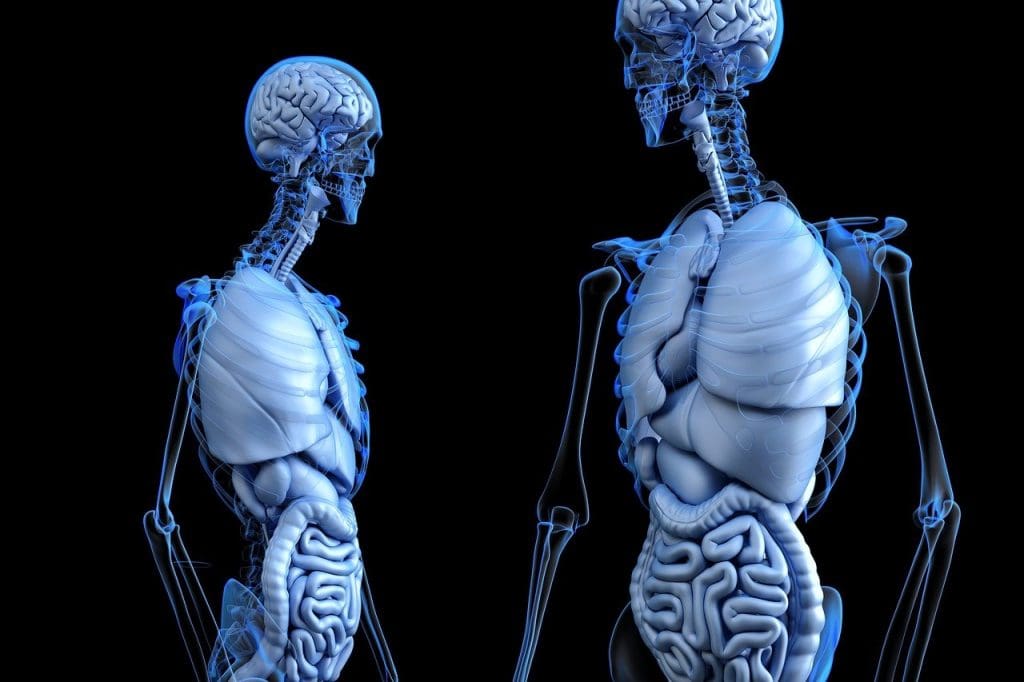
Manage stress levels
Managing stress is crucial for maintaining a healthy gut. The gut and the brain are closely connected through the gut-brain axis, a bidirectional communication system that influences both physical and emotional well-being. Stress can negatively impact your gut health and contribute to digestive issues, so it’s essential to incorporate stress-reducing techniques into your daily routine.
Correlation between stress and gut health
Stress can have a profound impact on your gut health due to the connection between your brain and digestive system. When you’re stressed, your body releases stress hormones, such as cortisol, which can disrupt the balance of bacteria in your gut and lead to inflammation.
Excessive or chronic stress can also impair digestion and nutrient absorption, leading to digestive discomfort, bloating, and changes in bowel movements. In turn, digestive issues can further contribute to stress, creating a vicious cycle.
Stress-reducing techniques
Incorporating stress-reducing techniques into your daily routine can help support your gut health. Here are some techniques to consider:
-
Exercise: Engaging in regular physical activity can help reduce stress levels and promote a sense of well-being. Find activities you enjoy, such as walking, jogging, yoga, or dancing, and make them a part of your routine.
-
Deep breathing and meditation: Deep breathing exercises and meditation can help activate the body’s relaxation response and reduce stress. Set aside a few minutes each day to focus on your breath and practice mindfulness.
-
Prioritize self-care: Take time for activities that bring you joy and relaxation, such as reading, taking baths, or engaging in hobbies. Engaging in activities you enjoy can help reduce stress and improve your overall well-being.
-
Get enough sleep: Prioritize getting enough quality sleep each night. Lack of sleep can contribute to increased stress levels and negatively impact your gut health.
-
Connect with loved ones: Strong social connections and positive relationships can help reduce stress and improve overall mental well-being. Make time for family and friends and engage in activities that promote feelings of connection and support.
-
Limit exposure to stressors: Identify and address sources of stress in your life as much as possible. This may involve setting boundaries, seeking support, or making lifestyle changes to reduce stressors.
Remember that stress management techniques can vary from person to person, so it’s important to find strategies that work best for you. By prioritizing stress reduction, you can support your gut health and improve your overall quality of life.
Avoid excess alcohol consumption
Excessive alcohol consumption can have detrimental effects on your gut health. While moderate alcohol intake may have some health benefits, consuming alcohol in excess can disrupt the delicate balance of your gut microbiome and lead to various digestive issues.
Effects of alcohol on gut health
Alcohol is known to irritate the lining of the digestive tract, leading to inflammation and disruption of the gut microbiota. It can damage the cells lining the intestines and impair nutrient absorption, leading to malnutrition and other health complications.
Excessive alcohol intake can also disrupt the balance of bacteria in the gut, causing an overgrowth of harmful bacteria and a decrease in beneficial bacteria. This imbalance can contribute to digestive issues, such as bloating, diarrhea, and increased intestinal permeability (leaky gut).
Moderate alcohol intake recommendations
If you choose to consume alcohol, it’s important to do so in moderation to minimize its negative effects on gut health. Moderate alcohol consumption is defined as:
- Up to one drink per day for women
- Up to two drinks per day for men
It’s worth noting that individual responses to alcohol can vary, and some individuals may be more sensitive to its effects than others. It’s always important to be mindful of your alcohol consumption and listen to your body’s signals.
Alternative beverages to consider
If you’re looking to support your gut health, consider replacing or reducing your alcohol intake with alternative beverages. Here are some options to consider:
-
Herbal tea: Herbal teas, such as chamomile or peppermint, can be soothing to the digestive system and provide a hydrating and caffeine-free alternative to alcoholic beverages.
-
Kombucha: This fermented tea is a popular alternative to alcoholic drinks. It’s rich in probiotics and offers a fizzy, flavorful option that can be enjoyed in various flavors.
-
Mocktails: Opt for alcohol-free versions of your favorite cocktails. Many mocktail recipes use ingredients like fresh fruit juice, herbal infusions, and sparkling water to create refreshing and flavorful beverages.
-
Infused water: Add slices of fruit, herbs, or vegetables to still or sparkling water for a refreshing and hydrating beverage.
Remember that moderation is key when it comes to alcohol consumption. By being mindful of your intake and considering alternative beverages, you can support your gut health and overall well-being.
Limit the use of antibiotics
While antibiotics can be life-saving medications, their use can have unintended consequences on gut health. Antibiotics are designed to kill bacteria, both harmful and beneficial, and can disrupt the delicate balance of your gut microbiome.
Impact of antibiotics on gut bacteria
Antibiotics are effective at targeting and eliminating bacterial infections. However, they can also cause collateral damage to the beneficial bacteria in your gut. This disruption can lead to an imbalance in your gut microbiota, known as dysbiosis, and contribute to digestive issues.
The overuse or misuse of antibiotics can lead to a prolonged disruption of your gut microbiome, as beneficial bacteria may take longer to recover compared to harmful bacteria. This can result in an increased risk of gastrointestinal infections, altered digestion, and reduced immune function.
When antibiotics are necessary
There are instances when antibiotics are necessary and beneficial for treating bacterial infections. It’s important to follow your healthcare professional’s recommendations and take antibiotics as prescribed. However, it’s also important to be mindful of the potential impact on your gut health.
If you’re prescribed antibiotics, consider discussing with your healthcare professional the possibility of taking a probiotic supplement alongside the antibiotics. This can help support the growth of beneficial bacteria and mitigate some of the negative effects on your gut microbiome.
Strategies to support gut health while taking antibiotics
If you’re taking antibiotics, there are strategies you can implement to support your gut health during this time:
-
Take a probiotic supplement: Talk to your healthcare professional about taking a probiotic supplement containing specific strains of beneficial bacteria. Taking a probiotic alongside antibiotics can help restore a healthy balance of gut bacteria.
-
Eat a balanced diet: Focus on consuming a variety of fiber-rich foods and prebiotic-rich foods to support the growth of beneficial bacteria. Include fermented foods and probiotic-rich foods in your diet for an additional boost.
-
Stay hydrated: Drink plenty of water to support digestion and overall gut health. Proper hydration can help minimize the impact of antibiotics on your digestive system.
-
Monitor symptoms: Pay attention to any digestive symptoms you may experience while taking antibiotics. If you notice persistent or severe symptoms, consult with your healthcare professional.
Remember to complete the full course of antibiotics as prescribed by your healthcare professional. If you have concerns about the impact on your gut health, don’t hesitate to communicate with your healthcare professional to explore supportive strategies.
Seek professional guidance
Optimizing your diet for gut health can be a complex process, and seeking professional guidance can provide invaluable support. Consulting a healthcare professional or a registered nutritionist can help you tailor your diet to your specific needs and optimize your gut health.
Consulting a healthcare professional or nutritionist
A healthcare professional or a registered nutritionist can provide personalized advice based on your health history, dietary preferences, and goals. They can assess your gut health and recommend specific dietary changes or supplements to support a healthy gut microbiome.
By working with a professional, you’ll have access to evidence-based information and guidance to help you make informed decisions about your gut health.
Customizing diet plans for gut health
Each individual has unique dietary needs and preferences, and it’s important to customize your diet plan to support your gut health effectively. A healthcare professional or a registered nutritionist can help you create a personalized diet plan that aligns with your goals and takes into account any specific dietary restrictions or intolerances.
By customizing your diet plan, you can ensure that you’re incorporating the right balance of fermented foods, prebiotic-rich foods, probiotics, fiber, and hydration to optimize your gut health.
Understanding specific dietary restrictions or intolerances
If you have specific dietary restrictions or intolerances, consulting a healthcare professional or a registered nutritionist is especially important. They can help you navigate these restrictions and ensure that you’re still meeting your nutritional needs while supporting your gut health.
By understanding your dietary restrictions or intolerances, a professional can suggest suitable alternatives and modifications to your diet plan that will still support your gut health without causing any adverse effects.
Remember that seeking professional guidance is a valuable investment in your gut health. They can provide you with the necessary tools, knowledge, and support to optimize your diet and improve your overall well-being.
Incorporating these strategies into your daily routine can have a significant impact on your gut health and overall well-being. By including fermented foods, consuming prebiotic-rich foods, adding probiotics, increasing fiber intake, staying hydrated, reducing processed and sugary foods, managing stress levels, limiting alcohol consumption, minimizing the use of antibiotics, and seeking professional guidance, you can take active steps towards supporting your gut health.