
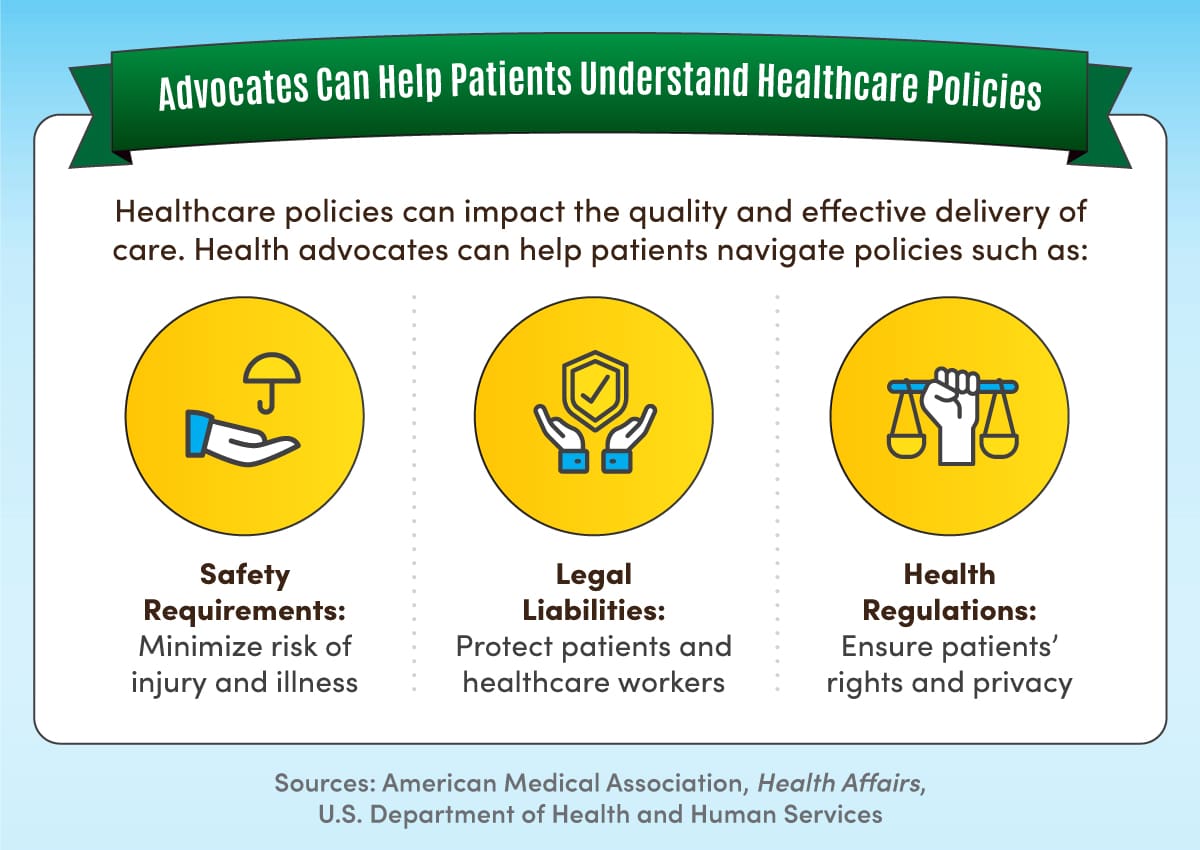
In the ever-evolving landscape of healthcare, professional organizations play a vital role in shaping policies that impact the well-being of individuals and communities. These organizations serve as a collective voice for the healthcare industry, advocating for changes and improvements that align with the best interests of patients, practitioners, and society as a whole. By leveraging their expertise, influence, and extensive networks, professional organizations have the power to drive significant advancements in healthcare policy, paving the way for a more inclusive, accessible, and equitable healthcare system.
Introduction
In the ever-changing landscape of healthcare, professional organizations play a critical role in advocating for healthcare policy. These organizations, comprised of healthcare professionals across various disciplines, are dedicated to improving healthcare outcomes, protecting patient rights, and ensuring access to quality care. Through their collective expertise and influence, professional organizations have the power to shape healthcare policy and drive positive change. This article will explore the definition of professional organizations in healthcare, the importance of advocating for healthcare policy, the types of healthcare policy advocacy, the reasons why professional organizations engage in advocacy, the methods they use to advocate for healthcare policy, the challenges they face, the successes and impact of their advocacy efforts, and examples of professional organizations advocating for healthcare policy. By delving into these aspects, we can gain a comprehensive understanding of the vital role professional organizations play in shaping healthcare policy.
Defining Professional Organizations in Healthcare
Definition
Professional organizations in healthcare are collective organizations comprised of healthcare professionals in a specific field. These organizations bring together individuals who share similar interests, expertise, and goals within their respective professions. They serve as platforms for collaboration, networking, professional development, advocacy, and knowledge exchange. Through their collective efforts, professional organizations in healthcare strive to improve the quality of care, enhance patient outcomes, and address the challenges faced by their respective professions.
Examples
There are numerous examples of professional organizations in healthcare that advocate for healthcare policy. Some widely recognized examples include:
-
American Medical Association (AMA): The AMA is the largest professional organization for physicians in the United States. It advocates for policy changes that improve patient care, protect the integrity of the medical profession, and promote public health.
-
American Nurses Association (ANA): The ANA represents the interests of registered nurses in the United States. It advocates for policies that advance the nursing profession, improve patient outcomes, and ensure access to quality healthcare.
-
American Public Health Association (APHA): The APHA is a professional organization dedicated to promoting public health and addressing key public health issues. It advocates for policies that protect and improve the health of individuals and communities.
These examples illustrate the breadth and diversity of professional organizations in healthcare and the importance of their advocacy efforts.

Importance of Advocating for Healthcare Policy
Improving healthcare outcomes
Advocating for healthcare policy is crucial for improving healthcare outcomes. Professional organizations work to shape policies that enhance patient safety, promote evidence-based practices, and encourage the adoption of quality improvement initiatives. By advocating for policies that prioritize patient-centered care, professional organizations contribute to better health outcomes for individuals and communities.
Protecting patient rights
Another vital role of professional organizations in advocating for healthcare policy is protecting patient rights. By promoting policies that safeguard patient confidentiality, informed consent, and access to medical records, professional organizations ensure that patients’ rights are respected and protected. Advocacy efforts also aim to address issues such as cultural competence, health equity, and the elimination of discriminatory practices.
Ensuring access to quality care
Access to quality healthcare is a fundamental right for all individuals. Professional organizations play an essential role in advocating for policies that remove barriers to care, increase healthcare affordability, and improve access to underserved populations. By addressing issues such as healthcare disparities, insurance coverage, and healthcare workforce shortages, these organizations work towards ensuring that everyone has equal access to quality healthcare services.
Types of Healthcare Policy Advocacy
Legislative advocacy
One of the primary types of healthcare policy advocacy is legislative advocacy. This involves engaging with policymakers at the local, state, and national levels to influence the development, passage, and implementation of legislation that impacts healthcare. Professional organizations often testify in legislative hearings, meet with lawmakers, and work towards shaping policies that align with their professional objectives.
Policy research and analysis
Policy research and analysis are critical components of healthcare policy advocacy. Professional organizations invest in research to identify gaps and opportunities for policy improvements. They analyze existing policies, evaluate their impact, and generate evidence-based recommendations to inform policymakers. By providing research and analysis on healthcare issues, professional organizations guide the development of effective policies.
Educational campaigns
Educational campaigns are vital tools used by professional organizations for healthcare policy advocacy. These campaigns aim to raise awareness among the public, policymakers, and healthcare professionals about specific issues and the need for policy changes. By disseminating educational materials, organizing conferences, and leveraging social media platforms, professional organizations educate key stakeholders and mobilize support for their policy initiatives.
Coalition building
Building coalitions is another strategy utilized by professional organizations for healthcare policy advocacy. By partnering with like-minded organizations, community groups, and advocacy networks, professional organizations amplify their voices and increase their influence. These coalitions often work collaboratively to address complex healthcare issues and advocate for policies that benefit their shared constituencies.
Public awareness campaigns
Public awareness campaigns are essential for gaining public support and momentum for healthcare policy changes. Professional organizations leverage various media platforms, such as television, radio, and social media, to raise awareness about healthcare issues and their potential solutions. These campaigns aim to engage the public, generate public pressure, and elicit support for policies that improve healthcare delivery and outcomes.

Reasons Why Professional Organizations Advocate for Healthcare Policy
Representing profession-specific concerns
One of the primary reasons professional organizations advocate for healthcare policy is to represent their profession-specific concerns. Each healthcare profession holds unique perspectives and interests that need to be addressed in policymaking. By advocating for their profession-specific concerns, organizations ensure that the policies developed align with the needs and aspirations of their members.
Promoting professional standards
Professional organizations are dedicated to upholding and advancing professional standards within their respective fields. Through healthcare policy advocacy, these organizations work towards enhancing standards of practice, defining scope of practice, and promoting ethical guidelines. Advocating for policies that align with professional standards is essential for maintaining the integrity and excellence of healthcare professions.
Influencing policy decisions
The ability to influence policy decisions is a significant motivator for professional organizations to engage in healthcare policy advocacy. By providing policymakers with expert knowledge, evidence-based research, and pragmatic solutions, professional organizations exert influence on policy development, implementation, and evaluation. This influence ensures that healthcare policies are informed, effective, and aligned with the needs of healthcare professionals and patients.
Protecting professional autonomy
Professional autonomy is critical for healthcare professionals to practice their professions ethically and effectively. Professional organizations advocate for policies that protect and enhance professional autonomy, ensuring that healthcare professionals can make informed decisions and act in the best interests of their patients. By advocating for professional autonomy, organizations work towards safeguarding the independence and integrity of healthcare professions.
Improving healthcare system efficiency
Healthcare system efficiency is a common concern for professional organizations. Advocating for policies that streamline administrative processes, reduce bureaucratic burdens, and optimize resource allocation is essential for improving the efficiency of healthcare systems. By addressing inefficiencies, professional organizations contribute to the delivery of high-quality care and the effective utilization of healthcare resources.
Methods Used by Professional Organizations to Advocate for Healthcare Policy
Engaging in lobbying efforts
Lobbying is a common method used by professional organizations to advocate for healthcare policy. This involves direct engagement with policymakers, elected officials, and government agencies to articulate the organization’s priorities and perspectives. Lobbying often includes activities such as meeting with legislators, testifying in public hearings, and providing input during the legislative process.
Collaborating with stakeholders
Collaboration with stakeholders is another key method employed by professional organizations for healthcare policy advocacy. By partnering with other healthcare organizations, patient advocacy groups, and community leaders, professional organizations strengthen their advocacy efforts. Collaborative initiatives enable organizations to leverage diverse perspectives, pool resources, and amplify their voices, leading to more effective policy advocacy.
Providing expertise and evidence-based research
Professional organizations play a crucial role in advocating for healthcare policy by providing expertise and evidence-based research. By conducting research, analyzing data, and presenting evidence to policymakers, these organizations inform policy discussions and decision-making processes. Expertise and research serve as powerful tools for persuading policymakers and shaping healthcare policies grounded in best practices.
Monitoring and influencing regulatory processes
Professional organizations closely monitor regulatory processes to ensure that policies are developed and implemented in line with their objectives. They engage in the rule-making process, offer comments and suggestions, and advocate for policy changes in response to regulatory proposals. By actively participating in regulatory processes, professional organizations have the opportunity to shape policies that directly impact their profession and the overall healthcare system.
Supporting grassroots efforts
Professional organizations recognize the power of grassroots advocacy in effecting change. They support and empower their members and other stakeholders to engage in advocacy efforts. This may involve providing training, resources, and guidance on how to effectively advocate for healthcare policy at the local, state, and national levels. By encouraging grassroots efforts, professional organizations foster a culture of advocacy within their professions.

Challenges Faced by Professional Organizations in Advocating for Healthcare Policy
Limited resources
Advocating for healthcare policy requires significant resources, including financial, human, and organizational capacities. Professional organizations often face resource limitations, which can impede their advocacy efforts. Limited budgets and staff constraints may restrict the scale and impact of their advocacy activities. Overcoming these resource challenges necessitates creative approaches, strategic alliances, and effective prioritization of advocacy objectives.
Political opposition
Political opposition poses a significant challenge to professional organizations advocating for healthcare policy. Differences in ideologies, party affiliations, and policy preferences often lead to opposition from policymakers. Professional organizations must navigate this opposition by building coalitions, engaging in persuasive dialogue, and shaping their advocacy messages to resonate with legislators. Overcoming political opposition requires persistence, adaptability, and the ability to build bipartisan support.
Resistance to change
Resistance to change within the healthcare system can hinder the progress of healthcare policy advocacy. Stakeholders, including healthcare providers, administrators, and policymakers, may resist policy changes due to concerns about the potential impact on their practices, interests, or established norms. Professional organizations must address this resistance by providing evidence-based research, engaging in dialogue, and highlighting the benefits of policy changes for all stakeholders involved.
Navigating complex healthcare systems
Healthcare systems are often complex and interconnected, making it challenging for professional organizations to navigate the intricacies of policy advocacy. Understanding the nuances of healthcare financing, regulatory processes, and the interplay between various stakeholders requires expertise and dedicated effort. Successful advocacy efforts necessitate a careful analysis of the healthcare system landscape and building relationships with key decision-makers and influencers.
Successes and Impact of Professional Organizations in Healthcare Policy Advocacy
Legislative wins and policy changes
Professional organizations have achieved significant victories in healthcare policy advocacy, resulting in legislative wins and policy changes. They have successfully advocated for laws that expand access to healthcare, improve reimbursement rates, enhance patient safety, and advance the scope of practice for healthcare professionals. These legislative wins create positive changes in the healthcare system and benefit both healthcare professionals and patients.
Improved patient outcomes
Advocacy efforts by professional organizations have resulted in improved patient outcomes. Policies advocated by these organizations have led to the adoption of evidence-based practices, quality improvement initiatives, and patient-centered care models. The implementation of these policies has resulted in better patient experiences, reduced healthcare disparities, and improved overall health outcomes.
Enhanced public awareness
Through their advocacy work, professional organizations have significantly contributed to enhancing public awareness of healthcare issues. Educational campaigns, public awareness initiatives, and media outreach efforts have increased the visibility of pressing healthcare challenges and the need for policy changes. By raising public awareness, professional organizations build support for their policy objectives and generate public pressure for action.
Strengthened healthcare workforce
Professional organizations’ advocacy efforts have played a crucial role in strengthening the healthcare workforce. Through policies advocated by these organizations, barriers to entry into healthcare professions have been reduced, diversity in the workforce has increased, and professional development opportunities have expanded. These efforts contribute to a stronger, more dynamic healthcare workforce capable of delivering high-quality care to diverse populations.

Examples of Professional Organizations Advocating for Healthcare Policy
American Medical Association (AMA)
The American Medical Association (AMA) is a prominent professional organization representing physicians in the United States. The AMA advocates for healthcare policy changes that improve patient care, protect the integrity of the medical profession, and promote public health. The organization engages in legislative advocacy, policy research and analysis, educational campaigns, and coalition building to address pressing healthcare issues and advance its policy objectives.
American Nurses Association (ANA)
The American Nurses Association (ANA) is the largest professional organization representing registered nurses in the United States. The ANA is committed to advancing the nursing profession, promoting high standards of practice, and improving patient outcomes. Through its advocacy efforts, the ANA works to influence healthcare policy, protect nurses’ rights, and ensure access to quality healthcare for all individuals.
American Public Health Association (APHA)
The American Public Health Association (APHA) is a professional organization dedicated to promoting public health and addressing key public health issues. The APHA advocates for policies that protect and improve the health of individuals and communities. Through its advocacy efforts, the APHA seeks to strengthen public health infrastructure, eliminate health disparities, and advance evidence-based public health policies.
Conclusion
Professional organizations play a critical role in advocating for healthcare policy. Through their advocacy efforts, they seek to improve healthcare outcomes, protect patient rights, ensure access to quality care, and promote professional standards. Using strategies such as legislative advocacy, policy research and analysis, educational campaigns, and coalition building, professional organizations work to shape healthcare policies that benefit healthcare professionals and patients. While they face challenges such as limited resources, political opposition, resistance to change, and navigating complex healthcare systems, professional organizations have achieved notable successes in influencing legislative changes, improving patient outcomes, enhancing public awareness, and strengthening the healthcare workforce. Examples of prominent professional organizations advocating for healthcare policy include the American Medical Association, American Nurses Association, and the American Public Health Association. The vital role played by professional organizations in advocating for healthcare policy underscores the importance of their collective action in shaping the future of healthcare.
