
In today’s fast-paced world, it can be challenging to maintain a healthy diet with all the hidden sugars lurking in our food. From sodas to salad dressings, these sneaky sugars can wreak havoc on our health without us even realizing it. But fear not! This article aims to guide you in identifying and avoiding these hidden sugars in your diet, helping you make informed choices for a healthier and happier lifestyle. So buckle up and get ready to embark on a journey towards sugar-free bliss!
Understanding Hidden Sugars
The dangers of hidden sugars
Hidden sugars can be detrimental to your health if consumed in excess. Consuming too much sugar can contribute to weight gain, increase the risk of developing chronic diseases such as diabetes and heart disease, and negatively impact your overall well-being. It is important to be aware of the hidden sugars in your diet and take steps to reduce your consumption.
Different names for hidden sugars
Hidden sugars can appear on food labels under various names, making it challenging to identify them. Some common names for hidden sugars include sucrose, glucose, fructose, high fructose corn syrup, agave nectar, cane sugar, and maltose. Manufacturers often use these different names to disguise the amount of sugar present in their products, so it’s crucial to familiarize yourself with these names to make informed choices.
Effects of excessive sugar consumption
Excessive sugar consumption can have numerous detrimental effects on your health. It can lead to weight gain, increased risk of tooth decay, energy crashes, and a variety of chronic health conditions. Consuming too much sugar can also interfere with your body’s ability to regulate blood sugar levels, leading to insulin resistance and an increased risk of developing type 2 diabetes. Understanding the effects of excessive sugar consumption can help motivate you to make healthier choices in your diet.
Reading Food Labels
Importance of reading food labels
Reading food labels is essential in identifying hidden sugars and making informed decisions about what you consume. Food labels provide valuable information about the ingredients, nutrition facts, and sugar content of the product. By taking the time to read food labels, you can gain a better understanding of the nutritional value and hidden sugars in the foods you eat.
Identifying hidden sugars in ingredient lists
The ingredient list on a food label is a valuable tool for identifying hidden sugars. Look for ingredients that end in “-ose” such as fructose and glucose or words that indicate sugar such as syrup, nectar, or molasses. The higher an ingredient is listed on the label, the greater the quantity present in the product. Being aware of these hidden sugar sources will allow you to make healthier choices and reduce your sugar intake.
Understanding nutrition facts and sugar content
The nutrition facts section of a food label provides detailed information about the sugar content in a serving size of the product. Pay attention to the “Total Sugars” and “Added Sugars” sections. “Total Sugars” includes both naturally occurring sugars and added sugars, while “Added Sugars” specifically refers to sugars that have been added during processing or preparation. Being mindful of the sugar content can help you make better choices and limit your consumption of hidden sugars.
Identifying Hidden Sugars in Common Foods
Sugars in processed and packaged foods
Processed and packaged foods are often loaded with hidden sugars. Items such as breakfast cereals, granola bars, yogurt, and even savory snacks like crackers and condiments can contain surprisingly high amounts of sugar. When choosing these foods, take the time to read the labels and opt for low-sugar alternatives or make homemade versions to have greater control over the sugar content.
Sneaky sugars in condiments and sauces
Condiments and sauces can be major sources of hidden sugars in your diet. Ketchup, BBQ sauce, salad dressings, and even seemingly healthy options like marinara sauce can contain significant amounts of added sugars. Check the labels for these hidden sugars and consider making your own condiments at home using natural sweeteners or minimizing their use altogether.
Sugar content in beverages
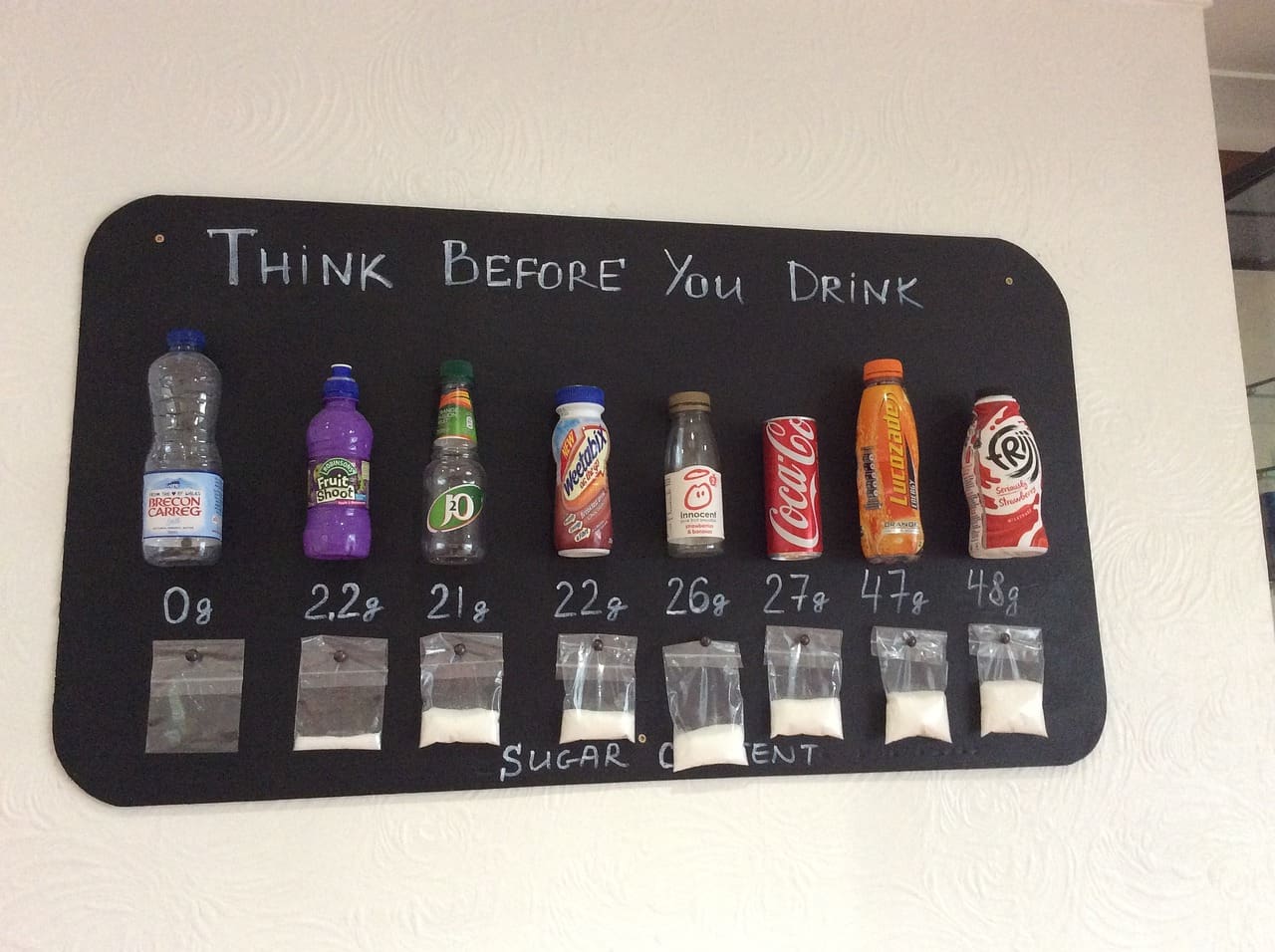
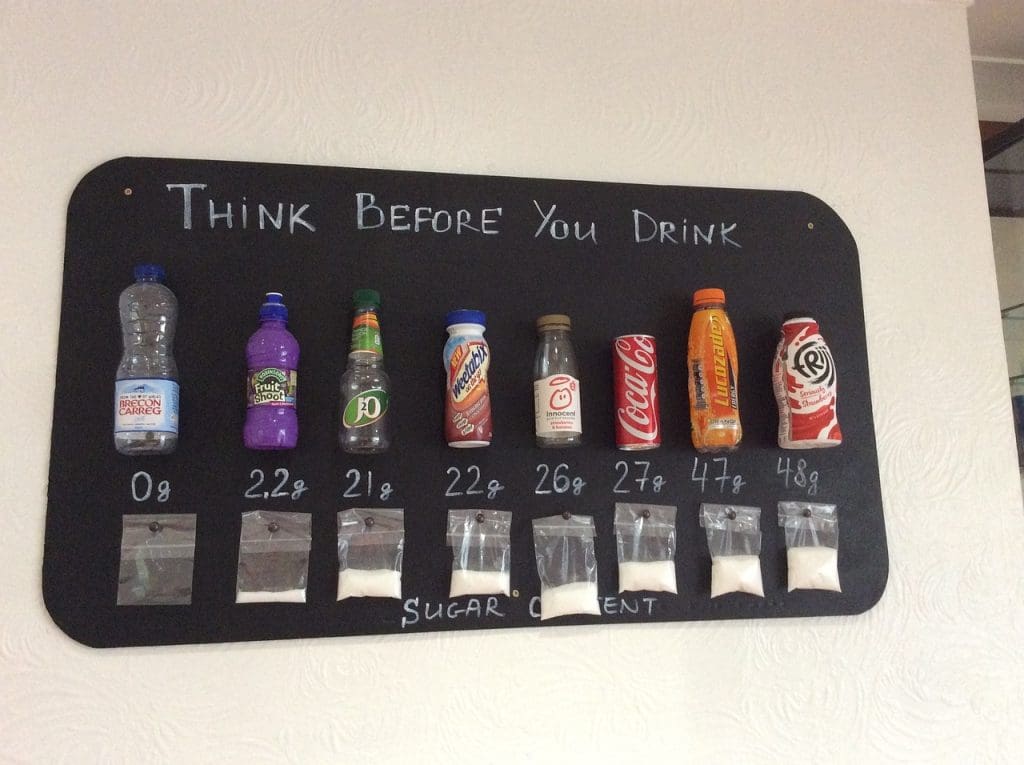
Beverages, especially sodas, fruit juices, sports drinks, and sweetened coffee and tea beverages, are some of the biggest culprits when it comes to hidden sugars. These drinks can contain staggering amounts of added sugars, leading to increased calorie intake and potential health issues. Opting for water, unsweetened tea, or homemade smoothies and juices can help reduce your sugar intake significantly.
Hidden sugars in supposedly healthy foods
Some foods marketed as “healthy” or “low-fat” can contain hidden sugars. Granola bars, flavored yogurt, protein bars, and pre-packaged smoothies may sound like nutritious options, but they often contain significant amounts of added sugars. Be vigilant and read the labels carefully to ensure you are making truly healthy choices and not unknowingly consuming excess sugar.
Tips for Reducing Hidden Sugars
Consume whole foods instead of processed foods
One of the most effective ways to reduce hidden sugar consumption is to focus on consuming whole foods. Whole foods like fruits, vegetables, lean proteins, and whole grains are naturally low in added sugars and provide essential nutrients. By replacing processed foods with whole, nutrient-rich options, you can significantly reduce your sugar intake and improve your overall health.
Cooking meals from scratch
When you cook meals from scratch, you have control over the ingredients you use, including the amount of sugar. Utilize fresh ingredients and experiment with herbs, spices, and natural flavor enhancers to create delicious, sugar-free meals. By preparing your own meals, you can avoid hidden sugars commonly found in pre-packaged and restaurant meals.
Limiting sugary drinks
A simple yet impactful step to reduce hidden sugar consumption is to limit your intake of sugary drinks. Sodas, energy drinks, and sweetened beverages can contribute a significant amount of added sugars to your diet without providing substantial nutritional value. Opt for water, herbal tea, or unsweetened beverages instead. If you crave sweetness, try infusing water with fruits or herbs.
Choosing low-sugar alternatives
When shopping for groceries, opt for low-sugar alternatives whenever possible. Look for products labeled “no added sugar,” “sugar-free,” or “reduced sugar.” However, be cautious as some products may compensate for reduced sugar by increasing fat or artificial sweeteners. Additionally, choose whole fruits over processed snacks and opt for plain yogurt or unsweetened alternatives instead of flavored options.
Using natural sweeteners in moderation
If you enjoy adding sweetness to your food or beverages, consider using natural sweeteners in moderation. Options like honey, maple syrup, and stevia can provide a sweet taste without the excessive amount of added sugar. However, it’s important to remember that even natural sweeteners should be used sparingly as they still contribute to overall sugar intake.
The Role of Sugar in a Balanced Diet
Understanding the role of sugar in the body
Sugar plays a role in providing energy to the body. However, it is important to note that our bodies require more complex carbohydrates from sources like whole grains, fruits, and vegetables to meet our energy needs. Consuming excessive amounts of sugar can lead to weight gain, energy crashes, and a variety of health issues. Understanding the role of sugar in the body can help you make informed decisions about your diet.
Differentiating between natural and added sugars
It’s important to differentiate between natural sugars and added sugars. Natural sugars are found in whole foods like fruits and vegetables and are accompanied by fiber, vitamins, and other nutrients. Added sugars, on the other hand, are sugars that are added during processing or preparation. While it’s beneficial to consume foods with natural sugars in moderation, added sugars should be limited as much as possible.
Recommended daily sugar intake
The American Heart Association recommends limiting added sugar intake to no more than 25 grams (6 teaspoons) for women and 36 grams (9 teaspoons) for men per day. It is important to note that this recommendation refers to added sugars and not naturally occurring sugars in whole foods. By being aware of your daily sugar intake and making conscious choices to reduce hidden sugars, you can better maintain a balanced diet and improve your overall health.
Developing Healthy Eating Habits
Eating a variety of nutrient-rich foods
To develop healthy eating habits and reduce hidden sugar consumption, focus on eating a variety of nutrient-rich foods. Include a wide range of fruits, vegetables, whole grains, lean proteins, and healthy fats in your diet. These foods provide essential vitamins, minerals, and other nutrients, while naturally keeping your sugar intake in check.
Balancing macronutrients in meals
When planning your meals, aim for a balance of macronutrients – carbohydrates, proteins, and fats. This balance helps to provide sustained energy, control sugar cravings, and keep you feeling satisfied. Including a source of protein and healthy fat in each meal can help stabilize blood sugar levels and prevent spikes in cravings for sugary foods.
Opting for whole fruits instead of sugary snacks
Instead of reaching for sugary snacks when cravings strike, choose whole fruits. Fruits offer natural sugars combined with fiber, vitamins, and antioxidants, making them a healthier alternative to processed sweets. Enjoy a variety of fruits throughout the day to satisfy your sweet tooth while reducing hidden sugar consumption.
Managing cravings and emotional eating
Cravings for sugary foods can be challenging to resist, especially during moments of stress or emotional upheaval. Instead of turning to sugary treats, try addressing the underlying emotions or finding healthy alternatives. Engage in stress-relieving activities like exercise, meditation, or hobbies, and keep nutritious snacks readily available to satisfy cravings without compromising your health goals.
Meal Planning and Preparation
Planning meals to minimize hidden sugars
Meal planning is a valuable tool for reducing hidden sugar consumption. By planning your meals in advance, you can choose recipes and ingredients that are low in added sugars. Include a variety of whole foods, focus on balanced nutrition, and consider substituting natural sweeteners or limiting added sugars in recipes. This thoughtful approach will empower you to make healthier choices throughout the week.
Preparing meals in advance
Preparing meals in advance can save you time, money, and help you avoid reaching for convenient, sugary options when hunger strikes. Dedicate a portion of your day or week to cooking and packaging meals and snacks that align with your health goals. By having nutritious options readily available, you’ll be less likely to resort to high-sugar convenience foods.
Healthy snack alternatives
Choosing healthy snack alternatives is key to reducing hidden sugar consumption. Incorporate snacks that are high in fiber, healthy fats, or protein to keep you satisfied and energized between meals. Some examples include mixed nuts, Greek yogurt, veggies with hummus, or homemade energy balls made with natural sweeteners like dates.
Controlling portion sizes
Controlling portion sizes is crucial to prevent overconsumption of hidden sugars. Even if a food is low in sugar, eating excessive amounts can still lead to a high intake of added sugars. Use portion control strategies such as using smaller plates, measuring serving sizes, and being mindful of your hunger and fullness cues. By controlling portion sizes, you can maintain a healthier balance in your diet and reduce hidden sugar intake.
Seeking Professional Guidance
Consulting a registered dietitian or nutritionist
If you’re struggling to identify and reduce hidden sugars in your diet, consider seeking guidance from a registered dietitian or nutritionist. These professionals can provide personalized recommendations based on your unique needs, preferences, and health goals. They can help you develop a meal plan, provide education on reading food labels, and offer ongoing support to keep you on track.
Getting personalized recommendations
Everyone’s nutritional needs are different, making personalized recommendations essential in identifying and avoiding hidden sugars. A registered dietitian or nutritionist can assess your specific dietary requirements, consider any health concerns, and provide tailored advice to help you make healthier choices. Personalized recommendations take into account your individual circumstances and ensure that you are on the right path to a balanced, low-sugar diet.
Understanding individual dietary needs and goals
Understanding your individual dietary needs and goals is crucial in determining the right approach to reducing hidden sugars in your diet. Factors such as age, gender, activity level, and any underlying health conditions can impact your nutritional requirements. Consulting a professional will help provide clarity on your unique needs and guide you towards a diet that promotes overall health and well-being.
Overcoming Challenges and Staying Motivated
Dealing with sugar cravings and temptations
Overcoming sugar cravings and temptations can be challenging when trying to reduce hidden sugar consumption. It is important to implement strategies to manage these cravings effectively. Try drinking water or herbal tea, distracting yourself with an enjoyable activity, or finding healthier alternatives to satisfy your sweet tooth. Remind yourself of the benefits of reducing hidden sugars and the progress you have made to stay motivated.
Tracking progress and celebrating achievements
Tracking your progress and celebrating achievements along the way can help you stay motivated on your journey to reduce hidden sugar consumption. Keep a food journal to monitor your intake, make note of the positive changes you’re experiencing, and reward yourself when milestones are reached. Celebrating your achievements will reinforce your commitment and inspire you to continue making healthier choices.
Finding support from friends and family
Finding support from friends and family can make a substantial difference in your efforts to reduce hidden sugars. Surround yourself with individuals who share similar health goals or who are supportive of your healthy lifestyle choices. Engage in activities together that do not revolve around sugary foods and encourage one another to make healthier choices. By building a support system, you’ll have the strength and encouragement to overcome challenges and stay motivated.
Exploring healthier sweet treats
Reducing hidden sugar consumption does not mean completely eliminating sweet treats from your diet. Explore healthier alternatives to satisfy your cravings while minimizing hidden sugars. Experiment with recipes that use natural sweeteners like fruits, dates, or dark chocolate. These options can provide the sweetness you desire without the excessive amount of added sugars found in traditional sweets.
Creating a Long-Term Healthy Lifestyle
Making sustainable changes
To effectively reduce hidden sugar consumption, it’s important to make sustainable changes to your lifestyle. Focus on establishing healthy habits that you can maintain in the long term. Incorporate nutritious foods, plan meals ahead, and find enjoyable physical activities that fit into your routine. By making sustainable changes, you will be more likely to stick to your goals and maintain a balanced, low-sugar diet.
Building a balanced eating routine
Building a balanced eating routine is essential for a long-term healthy lifestyle. Aim to consume a variety of nutrient-dense foods throughout the day and ensure each meal contains a balance of carbohydrates, proteins, and fats. By following a balanced eating routine, you’ll be providing your body with the necessary nutrients while minimizing hidden sugar consumption.
Regular physical activity
Incorporating regular physical activity is a vital component of a healthy lifestyle. Engaging in activities such as walking, running, dancing, or strength training not only helps maintain overall fitness but also promotes weight management and supports a balanced diet. Physical activity can also help reduce sugar cravings and improve your overall well-being.
Maintaining a positive mindset
Maintaining a positive mindset is crucial in achieving your goals of reducing hidden sugar consumption and adopting a healthy lifestyle. Avoid self-judgment or guilt if you slip up or indulge in sugary foods occasionally. Instead, focus on the progress you have made and the positive changes in your overall health. Cultivating a positive mindset will empower you to continue making healthier choices and achieve long-term success.
In conclusion, understanding hidden sugars and their impact on your health is essential for making informed dietary choices. By reading food labels, identifying hidden sugars in common foods, and implementing tips for reducing hidden sugars, you can significantly reduce your sugar intake. With knowledge, planning, and the support of professionals and loved ones, you can overcome challenges, stay motivated, and create a long-term healthy lifestyle that prioritizes your well-being. Remember, small steps can lead to big changes, and every choice you make to minimize hidden sugars contributes to your overall health and happiness.