
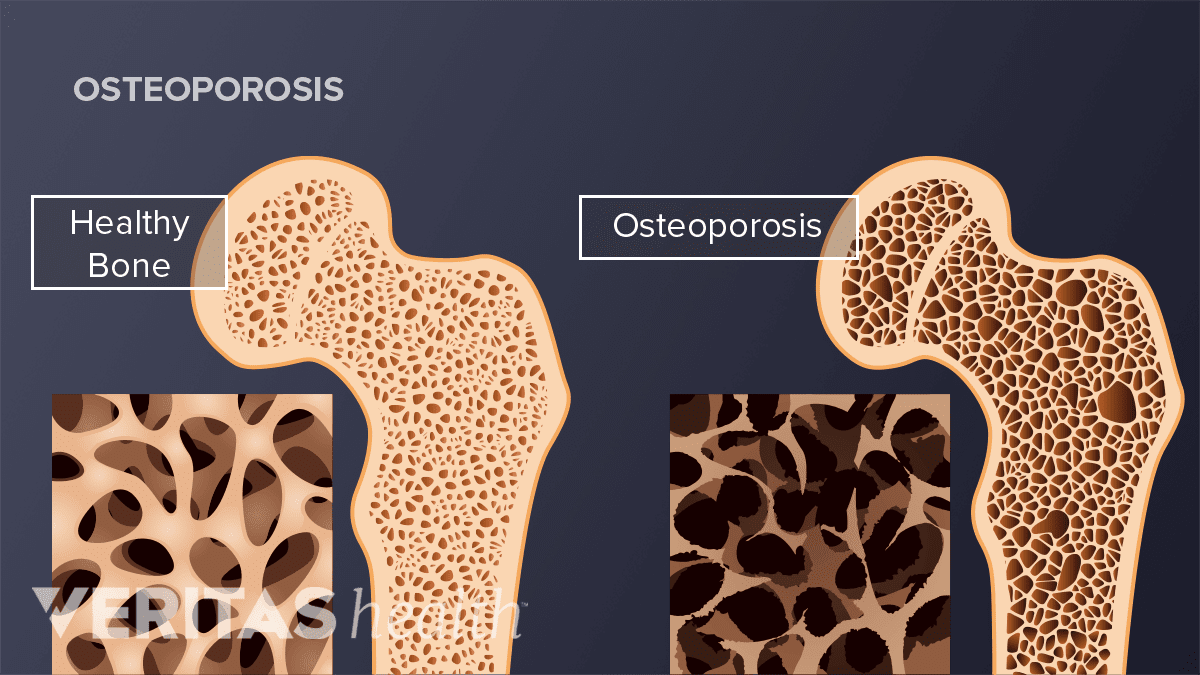
Maintaining strong and healthy bones is essential for a quality lifestyle, but with the risk of developing osteoporosis lurking, it becomes crucial to take proactive steps towards prevention. In this article, you will discover valuable strategies to reduce your risk of developing osteoporosis, empowering you to live life to the fullest. By implementing simple lifestyle changes, such as adopting a nutrient-rich diet, engaging in weight-bearing exercises, and ensuring adequate calcium intake, you can prioritize bone health and safeguard yourself against this debilitating condition. Let’s explore these tips and embark on a journey towards stronger bones together.
Maintain a Healthy Diet
Consume Calcium-Rich Foods
To maintain strong and healthy bones, it is important to include calcium-rich foods in your diet. Calcium is a mineral that plays a crucial role in bone health, and it is essential for maintaining bone density. Some excellent sources of calcium include dairy products like milk, yogurt, and cheese. If you are lactose intolerant or follow a plant-based diet, you can opt for non-dairy sources such as fortified plant milk, tofu, almonds, and leafy green vegetables like spinach and kale.
Include Vitamin D in Your Diet
Vitamin D is vital for proper calcium absorption and utilization in the body. It helps in maintaining bone strength and preventing bone loss. You can get vitamin D from sunlight, as your skin produces it when exposed to the sun’s rays. However, many people struggle to get enough vitamin D from sunlight alone, especially during the winter months. To ensure adequate intake, include foods naturally rich in vitamin D in your diet, such as fatty fish like salmon and mackerel, egg yolks, and fortified foods like cereals and orange juice.
Eat Foods Rich in Magnesium
Magnesium is another mineral that is important for bone health. It plays a role in bone formation and helps regulate calcium levels in the body. Incorporate magnesium-rich foods into your diet, such as whole grains, nuts, seeds, legumes, and leafy green vegetables. By including these foods, you can support both your bone health and overall well-being.
Get Enough Protein
Protein is a crucial macronutrient for various bodily functions, including bone health. It is responsible for bone formation and collagen synthesis. Make sure to include protein-rich foods in your diet, such as lean meats, poultry, fish, eggs, dairy products, legumes, and tofu. Strive for a well-balanced diet that includes an adequate amount of protein to support your bone health and overall nutritional needs.
Engage in Weight-Bearing Exercises
Include Strength Training in Your Routine
Strength training exercises, also known as resistance exercises, are highly beneficial for building and maintaining strong bones. These activities involve working against a resistance, such as weights or resistance bands, to target specific muscle groups. Incorporate strength training exercises into your routine two to three times a week. Examples include squats, lunges, push-ups, and weightlifting exercises. Aim to gradually increase the intensity and resistance over time to continually challenge your muscles and stimulate bone growth.
Try Weightlifting or Resistance Exercises
Weightlifting is a form of strength training that involves lifting weights to improve muscle strength and bone density. It is particularly effective for preventing osteoporosis, as it puts stress on the bones, triggering them to become stronger. If you are new to weightlifting, start with lighter weights and gradually increase the load as you build strength. Consider working with a personal trainer to ensure proper form and technique to prevent injury.
Include Impact Exercises Like Jogging or Jumping Rope
Impact exercises are activities that involve repetitive impact or bouncing movements, which help stimulate bone growth. Examples include jogging, running, jumping rope, and dance aerobics. These high-impact activities help strengthen bones by subjecting them to stress, making them adapt and become stronger over time. If you have joint issues or concerns, low-impact alternatives such as brisk walking or using an elliptical machine can still provide significant benefits to your bone health.
Consider Activities like Dancing or Hiking
Engaging in weight-bearing exercises doesn’t have to be limited to traditional workouts. Activities like dancing, hiking, climbing stairs, and playing sports also contribute to maintaining strong bones. Find activities that you enjoy and make them part of your regular routine. Not only will you be benefiting your bone health, but you’ll also have fun while doing so.
Avoid Smoking and Excessive Alcohol Consumption
Quit Smoking
Smoking has numerous negative effects on your health, and it can also negatively impact your bone health. Research suggests that smoking reduces bone density and increases the risk of fractures. If you are a smoker, take steps to quit smoking. Seek support from healthcare professionals, join smoking cessation programs, or explore nicotine replacement options. Quitting smoking will not only benefit your bone health but also improve your overall well-being.
Limit Alcohol Intake
Excessive alcohol consumption can have detrimental effects on bone health. It can interfere with the body’s ability to absorb calcium, leading to decreased bone density and increased risk of fractures. Limit your alcohol intake to moderate levels or avoid it altogether. The Centers for Disease Control and Prevention (CDC) defines moderate drinking as up to one drink per day for women and up to two drinks per day for men.
Avoid Binge Drinking
Binge drinking, which is defined as consuming a large amount of alcohol in a short period, poses significant risks to your bone health. It can disrupt bone remodeling, increase inflammation, and impair bone formation. It is important to practice moderation and avoid binge drinking to protect your bones and overall health.
Seek Support if Needed
If you find it challenging to quit smoking or reduce your alcohol consumption, don’t hesitate to seek support. Reach out to healthcare professionals, support groups, or counseling services that can provide guidance and assistance in making positive changes. Remember that making lifestyle changes can be challenging, but with the right support and determination, you can successfully improve your bone health.
Ensure Sufficient Vitamin K Intake
Include Green Leafy Vegetables in Your Diet
Vitamin K is known for its role in blood clotting, but it also plays a crucial role in bone health. It helps activate proteins that regulate bone mineralization, contributing to bone strength and density. Incorporate green leafy vegetables into your diet as they are excellent sources of vitamin K. Some examples include kale, spinach, broccoli, and Brussels sprouts. Daily intake of these vegetables can help maintain good bone health.
Try Fermented Foods like Sauerkraut and Natto
Fermented foods like sauerkraut and natto contain vitamin K2, which is a subtype of vitamin K. Vitamin K2 has been suggested to have specific benefits for bone health, including improving bone density and reducing fracture risk. Incorporate fermented foods into your diet to increase your vitamin K2 intake. However, if you have any underlying health conditions or are taking certain medications that interact with vitamin K, consult a healthcare professional before making significant dietary changes.
Consider a Vitamin K Supplement if Necessary
If you find it challenging to meet your vitamin K requirements through diet alone, you may consider taking a vitamin K supplement. However, it is essential to consult with a healthcare professional before starting any new supplements. They can assess your individual needs, consider potential interactions with other medications, and provide personalized advice on supplementation.
Consult a Healthcare Professional for Personalized Advice
When it comes to ensuring sufficient vitamin K intake, everyone’s needs may vary. It is crucial to consult a healthcare professional, such as a registered dietitian or doctor, who can assess your specific requirements and provide personalized advice. They can take into account your medical history, dietary preferences, and lifestyle to guide you in making the most appropriate choices for your bone health.
Maintain a Healthy Body Weight
Avoid Extreme Weight Loss or Weight Gain
Maintaining a healthy body weight is essential for overall health and well-being, including bone health. Extreme weight loss or weight gain can adversely affect bone density and increase the risk of osteoporosis. Aim for gradual, sustainable weight management by adopting healthy eating habits and engaging in regular physical activity.
Maintain a Balanced Diet
To maintain a healthy body weight and support bone health, it is crucial to follow a balanced diet. Include a variety of nutrient-dense foods, such as fruits, vegetables, whole grains, lean proteins, and healthy fats. Strive for portion control and avoid excessive calorie intake. A balanced diet will provide the necessary nutrients for optimal bone health and help you achieve a healthy weight.
Monitor Portion Sizes
Portion sizes play a significant role in weight management. It is important to be mindful of portion sizes to avoid overeating. Use smaller plates and bowls, eat slowly, and listen to your body’s hunger and satiety cues. Pay attention to appropriate serving sizes and aim for a balanced plate that includes a variety of food groups.
Engage in Regular Physical Activity
Regular physical activity is essential for maintaining a healthy body weight and promoting bone health. Engage in moderate-intensity aerobic activities, such as brisk walking, swimming, or cycling, for at least 150 minutes per week. Additionally, incorporate strength training exercises to build and maintain muscle mass, which is important for supporting and protecting your bones.
Reduce Caffeine and Soda Consumption
Limit Coffee, Tea, and Soda Intake
Excessive caffeine and soda consumption may have negative effects on bone health. Caffeine can interfere with calcium absorption and increase calcium excretion, potentially reducing bone density. Limit your intake of caffeinated beverages like coffee, tea, and soda to moderate levels. It is recommended to limit caffeine intake to about 400 milligrams per day, which is equivalent to approximately 4 cups of coffee.
Choose Decaffeinated Options
If you enjoy the taste of coffee or tea but are concerned about caffeine’s potential impact on bone health, consider opting for decaffeinated versions. Decaffeinated coffee and tea still offer the flavor without the caffeine content. This way, you can continue to savor these beverages while reducing your caffeine intake.
Stay Hydrated with Water
Water is essential for overall health, including bone health. It is important to stay hydrated to support various bodily functions, including the transport of nutrients and minerals to your bones. Make water your primary beverage of choice throughout the day. Aim to drink at least eight glasses of water or more depending on your level of physical activity and individual needs.
Consider Alternative Beverages like Herbal Tea or Infused Water
If you are looking for alternatives to caffeinated beverages or simply want to add variety to your hydration routine, consider options like herbal tea or infused water. Herbal teas, such as chamomile or peppermint, offer flavor without the caffeine content. Infused water can be made by adding slices of fruits, vegetables, or herbs to your water bottle, providing a refreshing and flavorful twist to plain water.
Ensure Hormone Balance
Speak to Your Doctor about Hormone Therapy if Necessary
Hormone therapy may be recommended for individuals with hormone imbalances that affect bone health. If you suspect hormonal issues or have been diagnosed with conditions like menopause or hypogonadism, speak to your doctor. They can assess your hormone levels and discuss the potential benefits and risks of hormone therapy to support your bone health.
Maintain Regular Hormone Check-ups
Regular check-ups with your healthcare provider are essential for monitoring hormone levels and ensuring overall well-being. If you have a specific hormonal condition or are currently undergoing hormone therapy, it is important to follow up with your doctor as advised. This way, any necessary adjustments or interventions can be made to maintain optimal hormone balance.
Manage Stress Levels
Stress can affect hormonal balance, and chronic stress may have negative effects on bone health. Take steps to manage stress through practices like meditation, deep breathing exercises, yoga, or engaging in hobbies that bring you joy and relaxation. Prioritize self-care and ensure you are giving yourself adequate time to rest and rejuvenate.
Consider Natural Remedies like Black Cohosh or Soy Isoflavones
Certain natural remedies have been associated with potential benefits for hormone balance and bone health. Black cohosh and soy isoflavones are examples of supplements that have been studied for their potential to alleviate menopausal symptoms and support bone health. However, it is important to consult with a healthcare professional before starting any new supplements, as they can interact with other medications and have varying effects on different individuals.
Avoid Long-Term Use of Certain Medications
Speak to Your Doctor about Potential Osteoporosis-Related Side Effects
Some medications, such as corticosteroids, proton pump inhibitors (PPIs), and certain anti-seizure medications, may have side effects that reduce bone density or increase the risk of osteoporosis. If you are using these medications long-term, speak to your doctor about potential risks and benefits. They can evaluate your individual situation and explore alternative medications or dosage adjustments to minimize the impact on your bone health.
Discuss Alternative Medications or Dosage Adjustments
If you are concerned about the potential impact of certain medications on your bone health, discuss alternative options with your healthcare provider. They may be able to suggest alternative medications that have fewer side effects on bone density or recommend dosage adjustments to minimize potential risks. However, any changes to medications should be made under the guidance and supervision of a healthcare professional.
Monitor Bone Density Regularly
Regular bone density screenings serve as an important tool for monitoring your bone health. Depending on your age, medical history, and risk factors, your doctor may recommend bone density tests, such as a dual-energy X-ray absorptiometry (DXA) scan. These tests can assess your bone density and identify any potential concerns. By monitoring your bone density regularly, you and your healthcare provider can make informed decisions about preventive measures or treatments, if necessary.
Explore Non-Medication Options for Managing Underlying Conditions
If you have underlying medical conditions that require long-term medication use, explore non-medication options for managing those conditions. For example, lifestyle changes, such as dietary modifications, regular exercise, stress management techniques, and complementary therapies, may help reduce the reliance on certain medications or minimize their dosage. Working closely with your healthcare provider can help you explore holistic approaches to managing your health while considering the impact on your bone health.
Prevent Falls and Injuries
Ensure Proper Lighting in Your Home
Maintaining a safe home environment is crucial for preventing falls and injuries, particularly as you age. Ensure proper lighting in all areas of your home, especially hallways, staircases, and bathrooms. Install bright, energy-efficient light bulbs and use nightlights to illuminate pathways during nighttime. Adequate lighting reduces the risk of tripping or missteps that can lead to falls.
Remove Tripping Hazards
Identify and remove potential tripping hazards in your home. Secure loose rugs or eliminate them altogether, ensure electrical cords are safely tucked away, and arrange furniture in a way that allows for easy and unobstructed movement. Clear pathways of clutter, ensuring that floors are free from objects that may cause you to trip.
Install Grab Bars and Handrails
Install grab bars and handrails in areas of your home where balance and support are crucial, such as near toilets, bathtubs, and staircases. These provide stability and assist with transferring weight, reducing the risk of falls and injuries. Make sure the grab bars and handrails are securely installed, able to support your weight, and are positioned at appropriate heights for optimal use.
Wear Appropriate Footwear
Proper footwear plays a significant role in maintaining stability and preventing falls. Choose shoes that provide good support, have non-slip soles, and fit well. Avoid high heels, flip-flops, and shoes with worn-out soles, as they can increase the risk of slips and falls. Regularly inspect your footwear to ensure it is in good condition and replace them as needed.
Get Regular Bone Density Screenings
Consult Your Doctor for Screening Recommendations
Regular bone density screenings are essential for assessing your bone health and detecting any signs of osteoporosis or bone loss. Consult your doctor to determine when you should begin screenings and how frequently they should be done. Recommendations may vary based on factors such as your age, overall health, and family history.
Monitor Bone Density Changes
When undergoing bone density screenings, it is important to monitor any changes over time. By comparing your test results from previous screenings, you and your healthcare provider can identify patterns and assess if there are any concerns regarding your bone health. Regular monitoring allows for timely interventions or preventive measures, if needed.
Take Appropriate Measures Based on the Results
Based on the results of your bone density screenings, your healthcare provider will recommend appropriate measures for maintaining or improving your bone health. If there are indications of low bone density or osteoporosis, they may suggest lifestyle modifications, specific exercises, dietary changes, or medications to help manage your condition effectively.
Consider Preventive Treatments if Needed
In some cases, preventive treatments may be recommended to reduce the risk of fractures and further bone loss. Prescription medications, such as bisphosphonates, selective estrogen receptor modulators (SERMs), or monoclonal antibodies, can be prescribed based on your individual needs. Your doctor will evaluate your bone density, medical history, and other factors to determine the most appropriate course of action.
By following these guidelines and incorporating these lifestyle changes, you can lower your risk of developing osteoporosis and help maintain strong and healthy bones throughout your life. Remember, it’s never too early or too late to take steps towards optimal bone health.