
Imagine the challenges of caring for a child with a rare chronic condition – the constant worry, endless doctor visits, and the emotional rollercoaster. It can be overwhelming, but you are not alone. In this article, we will explore the important interventions and support systems available to help you navigate this journey. From specialized medical treatments to emotional support networks, we will discuss the tools and resources that can make a profound difference in your child’s quality of life, and lend a helping hand to you as well. Let’s embark on this roadmap together, as we uncover the invaluable ways you can provide the best care for your little one.
Medical Interventions
Diagnosis and treatment
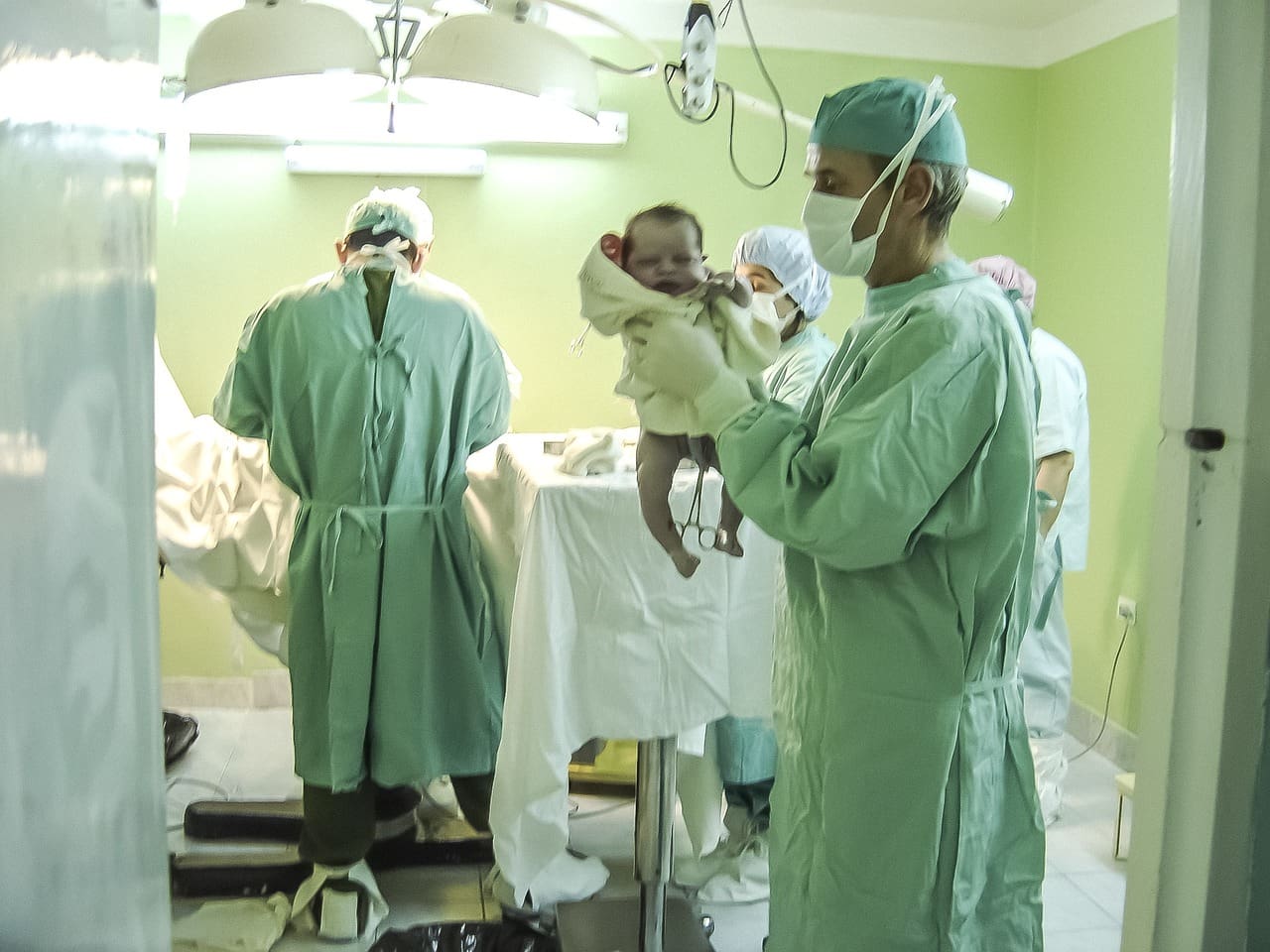
When it comes to caring for a child with a rare chronic condition, the first step is receiving a proper diagnosis. Medical professionals will conduct a thorough evaluation that may include medical history, physical examinations, and specialized tests. Once a diagnosis is obtained, treatment options can be explored.
Treatment plans for rare chronic conditions depend on the specific condition and its symptoms. Your child’s medical team will work closely with you to develop an individualized plan that addresses their needs and minimizes the impact of the condition on their day-to-day life.
Medication management
Medication is often a crucial aspect of managing a child’s rare chronic condition. It may help alleviate symptoms, control disease progression, and improve overall quality of life. However, proper medication management is essential to ensure safety and effectiveness.
Your child’s healthcare provider will prescribe appropriate medications and provide guidance on their proper use. It is crucial to follow the prescribed dosages and schedules diligently. Regular communication with the healthcare team is vital to monitor the effectiveness of medications and address any concerns or side effects that may arise.
Specialized therapies
Many rare chronic conditions necessitate specialized therapies. These therapies can help manage symptoms, improve function, and enhance overall well-being. Depending on your child’s needs, they may benefit from physical therapy, occupational therapy, speech therapy, or a combination of these.
These therapies are designed to address specific challenges associated with your child’s condition. Physical therapy may focus on improving mobility and strength, while occupational therapy may help with daily activities and cognitive skills. Speech therapy can assist with communication difficulties. Utilizing these specialized therapies can significantly enhance your child’s overall quality of life and promote their independence.
Educational Support
Individualized educational plans
Supporting your child’s educational needs is crucial to their overall development. Individualized Educational Plans (IEPs) are tailored to meet the specific requirements of children with rare chronic conditions in educational settings. These plans outline the accommodations, modifications, and specialized services your child needs to receive an appropriate education.
IEPs are typically developed collaboratively between parents, teachers, and other educational professionals. They address various aspects relevant to your child’s education, such as classroom modifications, instructional strategies, and related services (such as occupational therapy or speech therapy). By having an IEP in place, your child’s educational experience can be optimized to meet their unique needs.
Special education resources
Children with rare chronic conditions may require additional support beyond what mainstream education can provide. Special education resources and programs are available to address these specific needs. These resources may include specialized schools or classrooms, adaptive technology, and teaching methods tailored to your child’s learning style.
By utilizing special education resources, your child can receive the support necessary to overcome educational challenges and maximize their potential. These resources can foster a nurturing and inclusive learning environment where your child can thrive.
School accommodations
In addition to IEPs and special education resources, it’s essential to work with your child’s school to ensure appropriate accommodations are implemented. Accommodations may include modifications to the learning environment, extra time for assignments or exams, or assistance from a classroom aide.
Collaboration between parents, teachers, and school administrators is crucial in identifying and implementing appropriate accommodations. These accommodations help create an inclusive educational environment for your child and ensure equal opportunities for academic success.
Financial Assistance
Government programs
Caring for a child with a rare chronic condition can place a significant financial burden on families. Thankfully, there are various government programs available that can provide financial assistance.
Programs such as Medicaid and the Children with Special Health Care Needs (CSHCN) program may offer coverage for medical expenses, therapies, and medications. These programs aim to ensure that children with chronic conditions have access to the care they need without imposing excessive financial strain on their families.
Non-profit organizations
Non-profit organizations play a crucial role in providing financial assistance and support to families caring for a child with a rare chronic condition. Many of these organizations offer grants, scholarships, or assistance programs to help cover the costs associated with medical treatments, therapies, equipment, or specialized services.
Researching and reaching out to these non-profit organizations can provide valuable resources and financial assistance options. These organizations are often dedicated to advocating for families and improving the lives of children with rare chronic conditions.
Insurance coverage
Understanding and utilizing insurance coverage is essential in managing the financial aspects of caring for a child with a rare chronic condition. Reviewing your insurance policy to understand what is covered and what is not can help you anticipate out-of-pocket expenses.
Working with your insurance provider and healthcare team to navigate the complexities of insurance coverage is crucial. Ensure that you are aware of any pre-authorization requirements, in-network providers, and any limitations or restrictions that may apply. By maximizing your insurance coverage, you can minimize the financial burden associated with your child’s condition.
Home Care
Adaptive equipment
Adaptive equipment plays a vital role in enhancing your child’s independence and facilitating their daily activities. Depending on their specific needs, your child may benefit from mobility aids, assistive technology, or modifications to their living space.
Collaborating with occupational therapists, physical therapists, and other healthcare professionals can help identify the appropriate adaptive equipment for your child. This may include wheelchairs, communication devices, modified utensils, or specialized furniture. Integrating adaptive equipment into your child’s daily routine can significantly improve their quality of life and enable them to navigate their environment more easily.
In-home nursing care
For some children with rare chronic conditions, in-home nursing care may be necessary. Skilled nurses can provide medical care, administer medications, monitor vital signs, and assist with daily living activities. In-home nursing care allows your child to receive the care they need while remaining in the comfort of their own home.
Coordinating with your child’s healthcare team and insurance provider to explore in-home nursing care options is essential. It provides an additional layer of support and ensures that your child’s medical needs are met in a familiar and nurturing environment.
Modifications and accessibility
Modifications to your home can greatly enhance your child’s safety and accessibility. Depending on their specific needs, you may need to make adjustments such as installing wheelchair ramps, handrails, or bathroom modifications to accommodate their mobility requirements.
Working with healthcare professionals and occupational therapists can help you identify the necessary modifications for your child’s unique situation. These modifications can make it easier for your child to navigate their home, reducing the risk of accidents and improving their overall quality of life.

Community Resources
Local disability organizations
Local disability organizations often provide a wealth of resources, support, and networking opportunities for families caring for a child with a rare chronic condition. These organizations can connect you with other families facing similar challenges and provide access to educational workshops, support groups, and recreational programs.
Getting involved with local disability organizations allows you to tap into a supportive community that understands the unique needs and experiences of caring for a child with a rare chronic condition. They can offer valuable advice, emotional support, and opportunities for your child to engage in social interactions with peers.
Specialized recreational programs
Participating in specialized recreational programs can greatly benefit your child’s well-being and social development. These programs are specifically designed to accommodate children with disabilities. Whether it’s adaptive sports, art therapy, or music classes, these programs allow your child to explore their interests and build confidence in a supportive environment.
Researching and connecting with local organizations that offer specialized recreational programs for children with rare chronic conditions is essential. These programs can provide your child with opportunities for growth, socialization, and enjoyment, helping them live life to the fullest.
Transportation services
Transportation can often be a significant challenge in caring for a child with a rare chronic condition. However, various transportation services cater to individuals with disabilities. Accessible transportation options, such as specialized buses or vans, can ensure your child can attend medical appointments, therapy sessions, and recreational activities.
Research local transportation services that specifically cater to children with disabilities and explore options for your child’s transportation needs. By utilizing these services, you can ensure your child has access to the care and activities they require, regardless of their mobility limitations.
Advocacy and Legal Support
Understanding rights and laws
Advocating for your child’s rights as they navigate the healthcare and educational systems is crucial. Familiarize yourself with the laws, regulations, and policies that protect children with disabilities. Understanding your child’s rights can empower you to advocate effectively and ensure they receive the appropriate services and accommodations.
Consulting with organizations that specialize in disability rights and legal support can provide valuable insight and guidance. They can help you navigate complex systems, address legal concerns, and advocate for your child’s individual needs.
Navigating the healthcare system
Navigating the healthcare system can feel overwhelming, especially when caring for a child with a rare chronic condition. It’s important to be proactive and informed in seeking and accessing the necessary medical care and services.
Building a strong relationship with your child’s healthcare team is crucial. Regular communication, asking questions, and actively participating in discussions about treatment options will ensure that you are well-informed and able to make the best decisions for your child’s health.
Securing necessary services
Securing necessary services for your child with a rare chronic condition can be a complex task. From obtaining insurance coverage to navigating the referral process, it’s essential to be persistent and proactive.
Working closely with your child’s healthcare team, social workers, and case managers can streamline the process of securing necessary services. They can provide guidance, assist with paperwork, and connect you with the appropriate resources to ensure your child receives the care they need.

Family Support
Parent support groups
Caring for a child with a rare chronic condition can be emotionally and physically challenging, and it’s essential to have a strong support system. Connect with other parents facing similar challenges by joining parent support groups specific to your child’s condition.
These support groups provide a safe and understanding space to share experiences, ask questions, and gain insight from others who have been on a similar journey. Sharing your concerns and triumphs with individuals who can empathize and offer support can greatly alleviate the emotional burden of caring for your child.
Siblings support
Siblings of children with rare chronic conditions may also experience unique challenges and emotions. It’s vital to create a supportive environment for them as well. Encourage open communication within the family, where siblings can express their feelings, concerns, and questions.
Siblings support groups or individual counseling can provide a safe space for siblings to connect with others who understand their experiences. Offering opportunities for your child’s siblings to engage in activities that cater to their interests and needs can also help create a positive and supportive family dynamic.
Respite care for caregivers
Caring for a child with a rare chronic condition can be all-encompassing and emotionally draining. It’s crucial for caregivers to prioritize self-care and seek respite when needed. Respite care provides temporary relief to caregivers, allowing them time to recharge and take care of their own well-being.
Respite care options may include in-home care for your child or utilizing respite care services offered by healthcare organizations or local disability organizations. Taking advantage of respite care services allows you to address your own physical and emotional needs, ensuring you can continue providing the best possible care for your child.
Transition Planning
Preparing for adulthood
As your child with a rare chronic condition approaches adulthood, it’s essential to start planning for their transition into adulthood. Transition planning involves identifying the skills, resources, and support your child will need to navigate their adult life successfully.
This process may involve collaborating with healthcare providers, educators, vocational counselors, and social workers. Together, you can develop a comprehensive transition plan that addresses areas such as education, employment, healthcare, and independent living. Transition planning ensures a smooth and successful transition for your child into adulthood.
Transition services
Transition services are specifically designed to support young individuals with rare chronic conditions as they prepare for adulthood. These services may include vocational training, job placement assistance, independent living skills training, and counseling.
Connecting with organizations and agencies that offer transition services can provide valuable guidance and resources. These services are focused on equipping your child with the necessary skills and support to achieve their full potential and lead a fulfilling adult life.
Vocational training
Vocational training programs cater to individuals with disabilities by providing training and support in preparation for employment. These programs help develop job-related skills, enhance employability, and foster independence.
Research and connect with vocational training programs that specialize in assisting individuals with rare chronic conditions. These programs can offer customized training and internships that align with your child’s abilities, interests, and career goals.
Research and Clinical Trials
Accessing cutting-edge treatments
Research is constantly advancing in the field of rare chronic conditions, and accessing cutting-edge treatments can significantly impact your child’s care. Stay informed about the latest research and advancements in medical treatments relevant to your child’s condition.
Consult with your child’s healthcare team to explore available treatment options, including any clinical trials or experimental therapies that may be appropriate. Participating in research allows your child to contribute to scientific knowledge while potentially accessing innovative treatments.
Participating in research studies
Participating in research studies is an opportunity for your child to contribute to the advancement of medical knowledge and potentially benefit from novel therapies. Research studies may involve evaluating new medications, therapies, or interventions specific to your child’s rare chronic condition.
Discussing the possibility of participation in research studies with your child’s healthcare team is essential. They can provide valuable information about ongoing studies, potential risks and benefits, and help you make an informed decision regarding participation.
Clinical trial options
Clinical trials offer access to promising new treatments that are being evaluated for safety and efficacy. Participating in a clinical trial can potentially provide your child with innovative therapies that are not yet available to the general public.
Consulting with your child’s healthcare team and researching clinical trial options is vital. They can guide you through the enrollment process and provide necessary information about the trial’s objectives, potential risks, and expected outcomes.
In conclusion, caring for a child with a rare chronic condition requires a comprehensive approach that addresses their medical, emotional, educational, financial, and social needs. By utilizing the various interventions and support systems outlined in this article, you can ensure that your child receives the best possible care and support. Remember, you are not alone in this journey, and there are a variety of resources and organizations available to assist you every step of the way.