
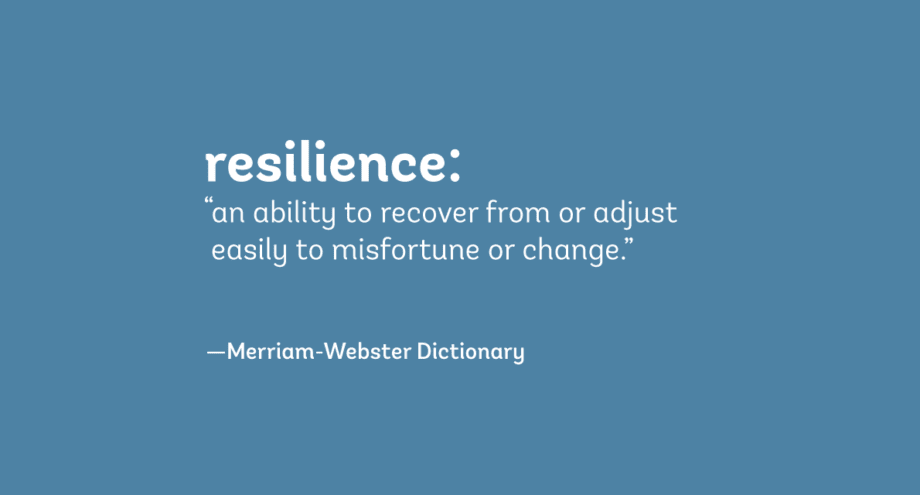
Living with a chronic illness can have a profound effect on one’s psychological well-being, leading to a range of emotions and challenges. In this article, we explore the psychological impact of chronic illness and provide insights into coping mechanisms and resilience strategies that can help individuals navigate the complexities of their condition. By understanding the emotional toll of living with chronic illness and implementing effective coping strategies, individuals can enhance their overall well-being and cultivate resilience in the face of adversity.
Psychological Impact of Chronic Illness
Living with a chronic illness can have a profound effect on an individual’s psychological well-being. The emotional toll of dealing with a long-term illness can be overwhelming, and it is important to recognize and address these negative emotions. Chronic illness can lead to feelings of sadness, anger, frustration, and hopelessness. It is not uncommon for individuals to experience grief or loss as they adjust to a new reality and navigate the uncertainties that come with managing a chronic illness.
Negative emotions associated with chronic illness
The negative emotions associated with chronic illness can be multifaceted. When faced with the challenges of living with a long-term condition, individuals may experience a sense of loss or a feeling of being robbed of their former life. They may mourn the loss of their physical abilities, independence, and the freedom to engage in activities they once enjoyed. Additionally, chronic illness can lead to feelings of anxiety and fear about the future, as individuals worry about the progression of their condition and the impact it may have on their quality of life.
Psychological challenges faced by individuals with chronic illness
In addition to the negative emotions, individuals with chronic illness often face psychological challenges that can further impact their well-being. These challenges may include dealing with the stigma associated with their illness, navigating the healthcare system, coping with the financial strain of medical expenses, and managing the side effects of medication or treatment. Moreover, the unpredictability of chronic illness can create significant stress and uncertainty, making it difficult for individuals to plan for the future or make long-term commitments.
Impact on mental health and well-being
The psychological impact of chronic illness can have a substantial effect on an individual’s mental health and overall well-being. The emotional strain can lead to the development or exacerbation of mental health conditions such as depression and anxiety. Chronic illness may also contribute to a decreased sense of self-worth and self-esteem, as individuals may struggle with feelings of being a burden to their loved ones or society. Furthermore, the stress and emotional toll of managing a chronic illness can affect an individual’s ability to effectively cope with daily challenges and can interfere with their overall quality of life.
Coping Strategies
While living with a chronic illness may present numerous psychological challenges, there are coping strategies that can help individuals navigate and mitigate the impact of these challenges. By implementing these strategies, individuals can build resilience and enhance their overall well-being.
Acceptance and adaptation
One crucial coping strategy is accepting and adapting to the realities of living with a chronic illness. It is important to acknowledge the limitations that the illness may impose and make necessary adjustments to daily routines and expectations. Acceptance does not mean giving up or resigning oneself to a life of suffering; rather, it involves recognizing the illness as a part of one’s life and finding new ways to maintain a fulfilling lifestyle within the limitations imposed by the condition.
Seeking social support
Another important coping strategy is seeking social support. Connecting with others who understand and empathize with the challenges of chronic illness can be immensely helpful in alleviating feelings of isolation and loneliness. This support can come from family and friends, support groups, or online communities. Engaging with others who share similar experiences can provide validation, practical advice, and a sense of belonging, all of which can contribute to improved mental well-being.
Maintaining a positive mindset
Maintaining a positive mindset, although challenging at times, can significantly impact an individual’s ability to cope with the psychological challenges of chronic illness. By focusing on the present moment and emphasizing gratitude for the aspects of life that bring joy and fulfillment, individuals can shift their perspective and reduce the impact of negative emotions. Engaging in activities such as mindfulness, meditation, and positive affirmations can help cultivate a positive mindset, enabling individuals to navigate their journey with resilience and optimism.
Engaging in self-care activities
Taking care of oneself is crucial for individuals with chronic illness. Engaging in self-care activities can help reduce stress, improve overall well-being, and enhance resilience. Self-care can encompass a variety of activities, such as maintaining a healthy diet, getting regular exercise, practicing good sleep hygiene, and engaging in activities that bring pleasure and relaxation. It is important for individuals to prioritize their physical and emotional needs, making self-care a non-negotiable part of their daily routine.
Finding meaning and purpose
Finding meaning and purpose in life can be particularly challenging for individuals with chronic illness. However, identifying activities or causes that give life a sense of meaning can greatly contribute to an individual’s psychological well-being. This may involve exploring new hobbies or interests, volunteering, or engaging in creative outlets. By focusing on activities that bring a sense of fulfillment and purpose, individuals can cultivate a positive outlook and find motivation in their daily lives.
Resilience Strategies
Building resilience is essential for individuals with chronic illness, as it enables them to bounce back from adversity and effectively navigate the challenges they may encounter.
Developing a support network
One vital resilience strategy is developing a support network. Establishing relationships with individuals who offer emotional support, practical assistance, or professional guidance can be instrumental in maintaining resilience. These support networks can include family, friends, healthcare professionals, therapists, and support groups. By creating a robust network, individuals can access the resources and encouragement needed to face the challenges of living with a chronic illness.
Building emotional resilience
Building emotional resilience involves developing the skills to effectively manage and cope with stressful situations. This can be achieved through techniques such as cognitive-behavioral therapy (CBT), which helps individuals identify and challenge negative thought patterns, and emotional regulation techniques that allow individuals to regulate and express their emotions in a healthy manner. By cultivating emotional resilience, individuals can better cope with the psychological impact of their chronic illness and maintain a positive mental state.
Practicing mindfulness and relaxation techniques
Mindfulness and relaxation techniques can be powerful tools in building resilience. These practices involve being present in the moment and grounding oneself in the here and now. By engaging in mindfulness exercises, individuals can cultivate a sense of calm, reduce stress, and improve their overall well-being. Relaxation techniques, such as deep breathing exercises, progressive muscle relaxation, and guided imagery, can also help individuals manage their emotions and promote relaxation during times of heightened stress.
Self-compassion and self-acceptance
Self-compassion and self-acceptance are fundamental resilience strategies for individuals with chronic illness. It is crucial for individuals to treat themselves with kindness, understanding, and forgiveness. By embracing self-compassion, individuals can alleviate feelings of guilt or shame associated with their condition and develop a more positive and nurturing relationship with themselves. Additionally, cultivating self-acceptance involves embracing one’s limitations and recognizing that it is okay to ask for help or modify expectations to accommodate the challenges of chronic illness.
Setting realistic goals
Setting realistic goals is an important aspect of building resilience. It is crucial for individuals to adapt their goals and expectations to align with their current abilities and limitations. By setting achievable and realistic goals, individuals can experience a sense of accomplishment and maintain motivation. This can contribute to an overall sense of well-being and provide a source of inspiration as individuals navigate the complexities of living with a chronic illness.
Managing Emotional Challenges
Managing emotional challenges is an integral part of coping with the psychological impact of chronic illness. It is essential for individuals to recognize and validate their emotions, develop strategies to regulate them, and seek professional help or leverage support groups as needed.
Identifying and validating emotions
Identifying and validating emotions is the first step in managing emotional challenges. It is important for individuals to acknowledge and accept their feelings without judgment. This involves giving oneself permission to feel a range of emotions, including sadness, anger, frustration, or fear. Validating these emotions allows individuals to process them in a healthy manner, reducing the risk of emotional overload or suppression.
Emotional regulation techniques
Once emotions are identified and validated, individuals can employ emotional regulation techniques to manage them effectively. These techniques may involve engaging in relaxation exercises, such as deep breathing or progressive muscle relaxation, engaging in creative outlets, journaling or expressive writing, or seeking professional guidance from therapists or counselors specializing in emotional regulation strategies. Through these techniques, individuals can develop skills to navigate emotional challenges in a healthy and constructive manner.
Seeking professional help
While self-management techniques can be helpful, it is vital for individuals to recognize when professional help is needed. Mental health professionals, such as psychologists or therapists, can provide specialized guidance and support tailored to the unique challenges faced by individuals with chronic illness. These professionals can assist individuals in developing coping strategies, managing emotional challenges, and addressing any underlying mental health conditions that may arise as a result of their illness.
Participating in support groups
Participating in support groups can be an invaluable resource for individuals with chronic illness. Support groups provide a safe and understanding environment where individuals can share their experiences, learn from others facing similar challenges, and gain practical advice and emotional support. By participating in support groups, individuals can find solace in knowing they are not alone on their journey and can learn from the successes and coping strategies of others.
Journaling or expressive writing
Journaling or expressive writing can also be therapeutic for individuals with chronic illness. Writing offers a creative outlet for processing emotions, documenting personal experiences, and gaining insights into one’s own thoughts and feelings. By journaling, individuals can establish a sense of clarity, identify patterns or triggers, and track their emotional journey over time. This practice can aid in managing emotional challenges and provide individuals with a sense of empowerment and self-reflection.
Dealing with Uncertainty
Dealing with uncertainty is a significant challenge for individuals with chronic illness. However, there are strategies that can assist in navigating this uncertainty and promoting a sense of control and stability.
Accepting the uncertainty of chronic illness
Accepting the uncertainty inherent in chronic illness is a crucial step toward emotional well-being. By acknowledging that fluctuations in health are part of the journey, individuals can alleviate anxiety and stress associated with unpredictability. It is essential to recognize that, despite uncertain outcomes, individuals have the ability to adapt and cope, focusing on the present moment and making the most of it.
Developing flexibility and adaptability
Developing flexibility and adaptability is essential for managing the uncertainty of chronic illness. Recognizing that plans may need to change or be modified allows individuals to navigate unexpected challenges more effectively. It is important to embrace a mindset that is open to adapting to new circumstances and finding alternative ways to achieve desired outcomes. Being flexible can help in reducing stress and maintaining a sense of control despite the uncertainties that chronic illness may present.
Maintaining a sense of control
While chronic illness can be unpredictable, maintaining a sense of control is crucial for individuals’ emotional well-being. By focusing on aspects of life that can be controlled, such as self-care routines, adherence to medication or treatment plans, and engaging in activities that promote well-being, individuals can regain a sense of agency. Establishing and maintaining a routine or structure can also contribute to a sense of control, offering stability and predictability even in the face of uncertainty.
Creating a routine or structure
Creating a routine or structure can help individuals with chronic illness navigate the uncertainties of their condition. Having a consistent daily routine provides a sense of stability, allowing individuals to manage their energy levels, plan activities, and incorporate self-care practices. By structuring their day, individuals can regain a sense of normalcy and establish a framework that supports their overall well-being.
Engaging in activities that promote predictability
Engaging in activities that promote predictability can also help individuals manage the uncertainty of chronic illness. This may involve participating in hobbies or activities that bring a sense of familiarity and joy, setting achievable goals, and finding solace in routines that provide comfort and stability. By incorporating predictable activities into their lives, individuals can anchor themselves during times of uncertainty and build resilience.
Maintaining Relationships
Maintaining relationships can be particularly challenging for individuals with chronic illness. However, with effective communication, setting boundaries, and seeking support, it is possible to cultivate and sustain meaningful connections.
Open and honest communication
Open and honest communication is essential for maintaining healthy relationships while living with a chronic illness. It is crucial for individuals to express their needs, limitations, and emotions to their loved ones. By openly communicating about the challenges and experiences associated with the illness, individuals can foster understanding, empathy, and support from their family and friends. Engaging in conversations about the impact of the illness on daily life and discussing potential adjustments or accommodations can cultivate a sense of collaboration and strengthen relationships.
Setting boundaries
Setting boundaries is vital for individuals with chronic illness in order to preserve their physical and emotional well-being. It is important to establish limits on what one can reasonably and comfortably commit to, both in terms of social engagements and personal responsibilities. By setting boundaries, individuals can manage their energy levels, reduce stress, and ensure that they have the necessary resources to prioritize their health and well-being.
Educating friends and family about the illness
Educating friends and family about the specific aspects of the chronic illness can enhance understanding and support. By providing information about the condition, its symptoms, and its impact, individuals can reduce misconceptions and stigma. This education can empower loved ones to empathize with the challenges faced by individuals with chronic illness, ultimately fostering a more supportive and caring environment.
Supporting the relationship with a chronically ill partner
For partners of individuals with chronic illness, offering support and understanding is paramount. It is important to recognize that the dynamics of the relationship may need to shift to accommodate the challenges imposed by the illness. Partners can provide emotional support, assist with daily tasks, and actively engage in the management of the illness. By communicating openly, seeking support for themselves, and being flexible and adaptive, partners can strengthen the relationship and foster resilience.
Seeking professional relationship counseling if needed
For individuals and couples facing significant relationship challenges, seeking professional relationship counseling can be beneficial. Relationship counselors or therapists can provide guidance and support for both partners as they navigate the complexities of managing chronic illness while maintaining a healthy relationship. These professionals can offer strategies for effective communication, problem-solving, and maintaining intimacy, ensuring that both partners’ needs are addressed.
Managing Stress
Managing stress is crucial for individuals with chronic illness as it can exacerbate symptoms and impact overall well-being. By identifying and implementing stress management techniques, individuals can reduce stress levels and promote a more balanced and healthy lifestyle.
Identifying sources of stress
Identifying sources of stress is the first step in managing it effectively. Stressors may include physical discomfort, emotional challenges, financial strain, lack of social support, or difficulties navigating the healthcare system. By recognizing these stressors, individuals can develop strategies to address them and minimize their impact on overall well-being.
Implementing stress management techniques
Once stressors are identified, implementing stress management techniques can help individuals manage their stress levels. Techniques such as deep breathing exercises, progressive muscle relaxation, mindfulness meditation, and engaging in relaxation activities such as listening to music or engaging in hobbies can be effective in promoting relaxation and reducing stress. It is important for individuals to find techniques that work best for them and incorporate them regularly into their daily routine.
Incorporating relaxation techniques into daily routine
Incorporating relaxation techniques into one’s daily routine is essential for effectively managing stress. Setting aside dedicated time for relaxation activities can provide individuals with a much-needed break from the challenges of their chronic illness and promote overall well-being. By prioritizing relaxation and making it a non-negotiable part of the daily routine, individuals can reduce stress levels and foster resilience.
Engaging in physical activity
Engaging in regular physical activity is not only beneficial for physical health but also plays a significant role in stress management. Physical activity releases endorphins, which are natural mood boosters, and helps regulate stress hormones. Individuals with chronic illness should consult with their healthcare provider to determine appropriate physical activity levels and identify activities that are feasible and enjoyable within their limitations.
Prioritizing self-care
Prioritizing self-care is paramount for individuals with chronic illness to manage stress effectively. Self-care encompasses activities that promote physical, emotional, and mental well-being. This may include maintaining a healthy diet, getting sufficient sleep, engaging in relaxation techniques, practicing mindfulness, and engaging in activities that bring joy and fulfillment. By consistently prioritizing self-care, individuals can reduce stress, enhance resilience, and improve their overall quality of life.
Promoting Self-Identity and Self-Worth
Maintaining a positive self-identity and self-worth is crucial for individuals with chronic illness. By focusing on strengths, cultivating self-esteem, and connecting with others facing similar challenges, individuals can develop resilience and enhance their overall well-being.
Focusing on strengths and abilities
Focusing on strengths and abilities is vital for individuals with chronic illness. By recognizing and acknowledging their unique qualities, individuals can develop a positive self-image and enhance their self-worth. Instead of focusing solely on limitations and challenges, individuals can shift their attention to their strengths and abilities, cultivating a sense of pride and accomplishment.
Engaging in activities that boost self-esteem
Engaging in activities that boost self-esteem is instrumental in promoting a positive self-identity. By participating in hobbies or activities that bring a sense of joy, accomplishment, and skill development, individuals can enhance their self-esteem. This may involve pursuing creative outlets, practicing self-care, volunteering, or engaging in advocacy work related to their chronic illness. By embracing activities that foster self-growth and provide a sense of purpose, individuals can build resilience and nurture their self-identity.
Exploring new hobbies and interests
Exploring new hobbies and interests can be an enriching experience for individuals with chronic illness. It provides an opportunity for personal growth, self-discovery, and the development of new skills. Engaging in new activities can also create a sense of novelty and excitement, offsetting the challenges associated with chronic illness. By exploring new hobbies and interests, individuals can expand their horizons, interact with new communities, and enhance their self-identity.
Connecting with a support group of individuals with similar conditions
Connecting with a support group of individuals who share similar conditions can provide a sense of community, understanding, and validation. These groups offer a platform for individuals to share experiences, exchange practical advice, and foster a sense of belonging. By connecting with others facing similar challenges, individuals can recognize that they are not alone and gain inspiration from the resilience and coping strategies of others in similar situations.
Challenging negative self-talk
Challenging negative self-talk is essential for individuals with chronic illness to promote positive self-identity and self-worth. Negative self-talk can contribute to feelings of self-doubt, worthlessness, and powerlessness. By identifying and challenging negative thoughts or beliefs, individuals can reframe their perspective in a more positive light. This involves replacing self-criticism with self-compassion, focusing on one’s strengths and accomplishments, and reframing challenges as opportunities for growth and resilience.
Improving Quality of Life
Improving quality of life is a major goal for individuals with chronic illness. By implementing strategies such as creating a self-care plan, scheduling regular medical check-ups, prioritizing breaks and self-compassion, maintaining a healthy lifestyle, and seeking professional help if needed, individuals can enhance their overall well-being.
Creating a self-care plan
Creating a self-care plan is fundamental in improving the quality of life for individuals with chronic illness. This involves identifying specific self-care activities, such as engaging in relaxation techniques, pursuing hobbies, getting regular exercise, and setting aside time for personal reflection. A self-care plan helps individuals allocate time and resources to prioritize their well-being and fosters a sense of control and empowerment.
Scheduling regular medical check-ups
Scheduling regular medical check-ups is essential for individuals with chronic illness to monitor their condition and address any emerging concerns. Regular check-ups allow healthcare professionals to assess the progression of the illness, adjust treatment plans as needed, and provide a supportive environment for individuals to address their physical and emotional health.
Taking breaks and practicing self-compassion
Taking breaks and practicing self-compassion are pivotal components of improving the quality of life for individuals with chronic illness. It is important for individuals to recognize the importance of rest and rejuvenation in managing their condition. By incorporating regular breaks, engaging in relaxation techniques, and practicing self-compassion, individuals can reduce stress levels, promote overall well-being, and prevent burnout.
Maintaining a healthy lifestyle
Maintaining a healthy lifestyle is crucial for individuals with chronic illness to optimize their quality of life. This includes adopting a balanced diet, engaging in regular physical activity within one’s limitations, getting sufficient sleep, managing stress, and avoiding detrimental behaviors such as smoking or excessive alcohol consumption. By prioritizing a healthy lifestyle, individuals can enhance their physical and mental well-being, improve their energy levels, and foster resilience.
Seeking professional help if needed
Seeking professional help is an important step for individuals with chronic illness to improve their quality of life. Mental health professionals can provide specialized guidance and support to address any mental health concerns, help individuals develop effective coping strategies, and provide a safe space to process the emotional challenges associated with chronic illness. Incorporating professional help into a comprehensive treatment plan can significantly enhance overall well-being and provide individuals with the necessary resources to thrive.
Building Resilience in Caregivers
Caring for individuals with chronic illness can be emotionally and physically demanding. To maintain resilience, caregivers should understand caregiver stress and burnout, seek support from other caregivers, set realistic expectations, practice self-care, and seek professional help when needed.
Understanding caregiver stress and burnout
Caregiver stress and burnout are common among individuals caring for someone with a chronic illness. The demands of caregiving, emotional challenges, and the impact of the illness on the caregiver’s own life can contribute to chronic stress and overwhelmed feelings. Recognizing the signs of caregiver stress, such as fatigue, irritability, withdrawal, and difficulty concentrating, is crucial for preventing burnout and maintaining resilience.
Seeking support from other caregivers
Seeking support from other caregivers is invaluable for building resilience. Connecting with individuals who share similar caregiving responsibilities can provide a sense of understanding, validation, and practical guidance. By joining caregiver support groups or seeking support from friends and family, caregivers can alleviate feelings of isolation, gain insights into effective coping strategies, and foster meaningful connections that enhance resilience.
Setting realistic expectations
Setting realistic expectations is vital for caregivers to prevent burnout and maintain their own well-being. It is essential to acknowledge personal limitations and accept that caregiving may involve challenges and periods of uncertainty. Setting realistic expectations enables caregivers to prioritize self-care, seek assistance when needed, and maintain a balanced lifestyle that supports their resilience and overall well-being.
Practicing self-care as a caregiver
Practicing self-care as a caregiver is crucial for maintaining resilience and preventing caregiver burnout. Caregivers should prioritize their own physical, emotional, and mental well-being by engaging in activities that bring joy and relaxation, setting boundaries, and seeking support when needed. By taking care of themselves, caregivers can preserve their own health and resilience, ensuring they have the resources to continue providing care for their loved ones.
Seeking professional help if needed
Caregivers should not hesitate to seek professional help when needed. Mental health professionals can provide guidance, support, and coping strategies specific to the challenges faced by caregivers. Seeking professional help can enhance resilience, alleviate caregiver stress, and provide caregivers with the tools needed to navigate the emotional and physical challenges associated with caring for someone with a chronic illness.
In conclusion, living with a chronic illness can have a significant psychological impact, leading to negative emotions, psychological challenges, and a toll on mental health and well-being. However, by implementing coping and resilience strategies such as acceptance and adaptation, seeking social support, maintaining a positive mindset, and engaging in self-care activities, individuals can effectively manage the challenges of chronic illness. Additionally, managing emotional challenges, dealing with uncertainty, maintaining relationships, managing stress, promoting self-identity and self-worth, and improving the overall quality of life can significantly enhance well-being. Caregivers also need to focus on building resilience by understanding caregiver stress and burnout, seeking support from other caregivers, setting realistic expectations, practicing self-care, and seeking professional help when needed. By implementing these strategies, individuals with chronic illness and their caregivers can navigate their journeys with resilience, empower themselves, and cultivate a positive and fulfilling life despite the challenges they face.