
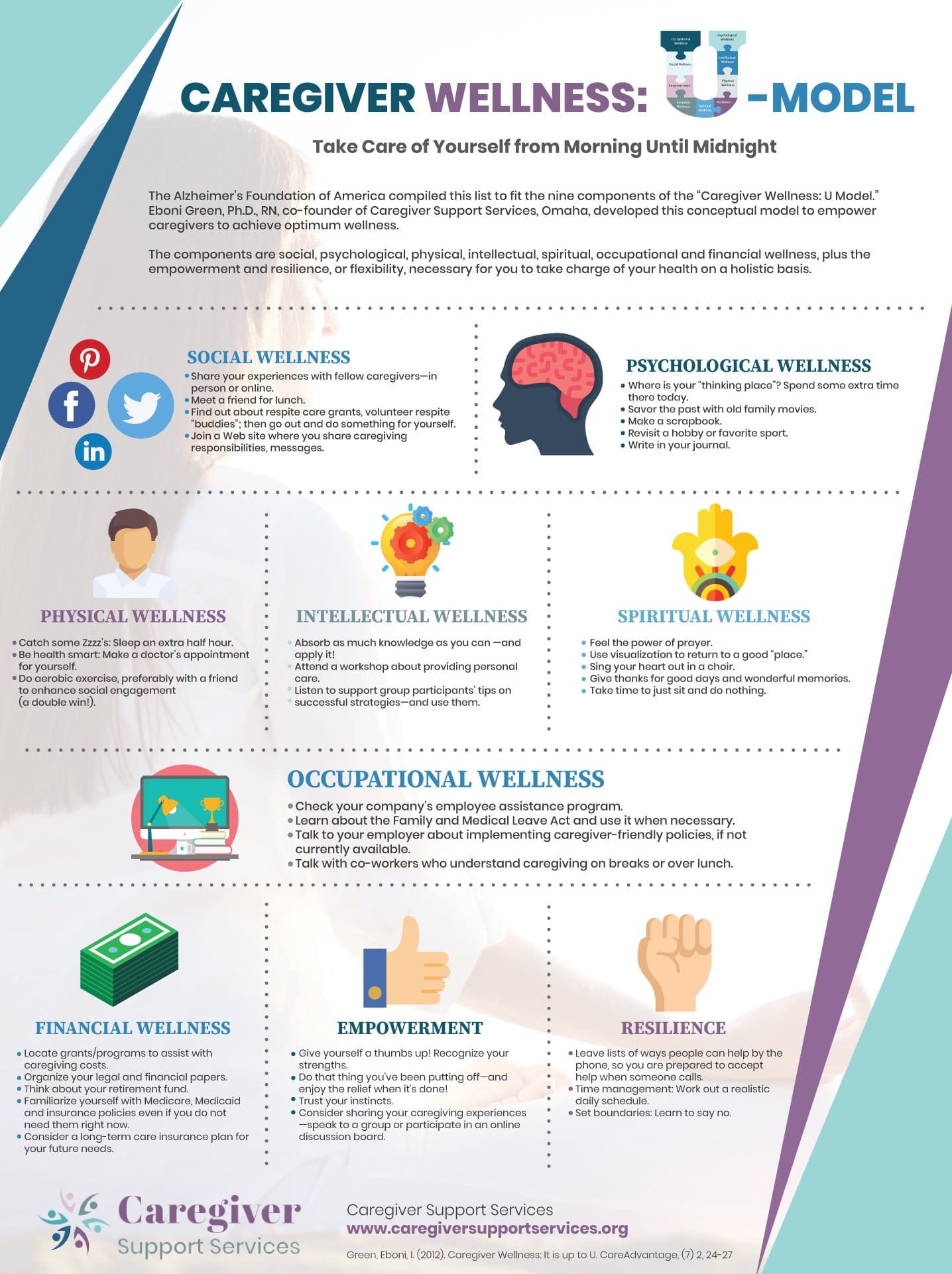
Caring for a partner with chronic conditions can be a challenging and emotionally demanding role. As a caregiver, it is important to prioritize both the emotional support you provide to your partner and your own well-being. This article aims to explore the ways in which you can navigate the ups and downs of caregiving, while balancing your own emotional needs. By acknowledging the unique challenges faced by caregivers and offering practical tips for self-care, this article aims to empower you in your role and help you find a sense of well-being as you provide care for your loved one.
Understanding the Impact of Chronic Conditions
Living with a chronic condition can be incredibly challenging, both for the individual experiencing it and for their loved ones. As a caregiver to a partner with chronic conditions, it is crucial to recognize and understand the unique difficulties they face. Chronic conditions can vary widely in nature and severity, ranging from physical disabilities to mental health disorders. These conditions often come with a variety of symptoms, treatments, and lifestyle adjustments that can significantly impact daily life.
Recognizing the Challenges Faced by Individuals with Chronic Conditions
When caring for a partner with a chronic condition, it is vital to empathize with their experience and understand the challenges they face. Chronic conditions can cause physical pain, exhaustion, and limitations that affect daily activities and overall well-being. Additionally, individuals with chronic conditions may often face emotional and psychological struggles, such as anxiety, depression, or adjusting to a new sense of identity. It is essential to provide your partner with patience, compassion, and support as they navigate these challenges.
Understanding the Impact on the Caregiver’s Role and Emotional Well-being
Caring for a partner with chronic conditions can significantly affect your own well-being as a caregiver. The role of a caregiver is demanding, both physically and emotionally. It is common to feel overwhelmed, stressed, and emotionally drained. However, it is vital to remember that prioritizing your own well-being is necessary to ensure you can provide effective care and support.
Importance of Emotional Support
Providing your partner with empathy, understanding, and emotional support is crucial in their journey of managing chronic conditions. Actively listening to their concerns, fears, and emotions can make a significant difference in their overall well-being. By acknowledging their experiences and validating their feelings, you can create a safe and nurturing space for open communication and emotional expression.
Creating an Open Dialogue for Communication
Maintaining open and honest communication with your partner is key to understanding their needs and concerns. Encourage them to express their feelings, frustrations, and worries, and assure them that their emotions are valid. Creating a safe space where they feel comfortable sharing their thoughts and fears will strengthen your connection and enable you to better support them through their journey.
Seeking Professional Help When Needed
While providing emotional support is essential as a caregiver, it is also crucial to recognize when professional help is necessary. Mental health professionals, such as therapists or counselors, can provide your partner with specialized support in managing the emotional challenges associated with chronic conditions. If you notice signs of severe depression, anxiety, or emotional distress, do not hesitate to reach out to a professional for guidance and assistance.
Building a Supportive Environment
Creating a comfortable and accessible living space is essential for individuals with chronic conditions. Consider making necessary modifications to your home to accommodate their needs, such as installing grab bars, ramps, or handrails. Ensure that the living space is clutter-free and organized to minimize physical barriers and accidents. By creating a supportive environment, you can enable your partner to navigate their daily life with greater ease and independence.
Incorporating Assistive Devices and Technology
Assistive devices and technology can be immensely helpful for individuals with chronic conditions. From mobility aids like wheelchairs or walkers to devices that assist with daily tasks, the right assistive tools can significantly improve your partner’s quality of life. Explore the various options available and consult with healthcare professionals or occupational therapists to determine which assistive devices are most suitable for your partner’s needs.
Encouraging Independence and Decision-Making
As a caregiver, it is essential to empower your partner to maintain a sense of independence and decision-making. Encourage them to make choices that align with their preferences and capabilities, rather than completely taking over their daily activities. By fostering their independence, you can enhance their self-confidence, maintain their dignity, and preserve their sense of autonomy despite their chronic condition.
Self-Care for Caregivers
While taking care of your partner, it is crucial to prioritize your own self-care. Caring for someone with chronic conditions can be emotionally and physically exhausting, and neglecting your own well-being can lead to burnout. Recognize your own needs and limitations, and seek support from friends, family, or support groups. Engage in activities that bring you joy and relaxation, and do not hesitate to ask for help when you need it. Remember, taking care of yourself enables you to be a better caregiver.
Prioritizing Self-Care Activities
Incorporate self-care activities into your daily routine to maintain your physical and mental well-being. Dedicate time to activities that help you relax and destress, such as exercise, meditation, or hobbies you enjoy. Practice good sleep hygiene to ensure you are well-rested and rejuvenated. Nourish your body with nutritious meals and maintain regular medical check-ups to monitor your own health. By prioritizing self-care, you can better fulfill your role as a caregiver and maintain a healthy balance in your life.
Seeking Respite and Support from Others
Do not hesitate to ask for help or seek respite when you need a break from caregiving responsibilities. Reach out to friends or family members who can assist you in providing care or taking over temporarily. Join support groups or online communities where you can connect with other caregivers who understand your experiences and can provide valuable insights and support. Remember, you are not alone, and there are resources available to lighten your load and provide a refreshing break.
Seeking Information and Education
Becoming knowledgeable about your partner’s chronic condition and its management is vital in providing effective care. Educate yourself about the symptoms, treatments, and possible complications associated with their condition. Stay updated on the latest treatment options and advancements by attending medical appointments with your partner and asking questions. Utilize credible sources of information, such as reputable medical websites or educational programs, to deepen your understanding of their condition.
Learning about Your Partner’s Condition and Its Management
Engage in open conversations with your partner’s healthcare providers and ask questions to gain a deeper understanding of their condition. Learn about the recommended treatments, medications, and lifestyle adjustments that can help manage their symptoms. By actively participating in their care and staying informed, you can better support their well-being and advocate for their needs.
Attending Support Groups and Educational Programs
Support groups and educational programs specifically designed for caregivers and individuals with chronic conditions can provide valuable insights and emotional support. These gatherings offer a sense of community, enabling you to connect with others who are going through similar experiences. Share your challenges, learn from others, and gain practical advice on managing the responsibilities of caregiving. Attending these groups and programs can be empowering and help you build a network of support.
Emotional Coping Strategies
Caregiving for a partner with chronic conditions can be emotionally challenging. It is essential to develop effective coping mechanisms to manage stress and emotional well-being.
Developing Coping Mechanisms for Stress and Emotional Challenges
Identify strategies that help you cope with stress, such as deep breathing exercises, journaling, or engaging in creative outlets like art or music. Find activities that bring you joy and allow you to temporarily disconnect from caregiving responsibilities. Establish healthy boundaries by setting realistic expectations for yourself, acknowledging your limitations, and learning to say no when necessary. By developing coping mechanisms, you can better manage the emotional challenges that caregiving brings.
Utilizing Relaxation Techniques and Mindfulness Practices
Practicing relaxation techniques and mindfulness can help you stay centered and more resilient in the face of stress. Experiment with activities such as meditation, yoga, or guided imagery to promote relaxation and reduce anxiety. Engage in activities that bring you peace and joy, such as going for walks in nature or listening to calming music. By incorporating these practices into your routine, you can enhance your overall well-being and handle the demands of caregiving more effectively.
Finding Outlets for Emotional Expression
Expressing your emotions is essential for your mental and emotional well-being. Find trusted friends, family members, or support groups where you can openly share your feelings and concerns without judgment. Keeping a journal can also serve as a valuable outlet for emotional expression. By releasing your emotions, you can prevent them from building up and causing further distress.
Maintaining Healthy Relationships
Caring for a partner with chronic conditions can put a strain on your relationship. However, by nurturing your relationship, you can strengthen your bond and overcome challenges together.
Nurturing Your Relationship with Your Partner
Make quality time for your partner, focusing on activities that bring you joy and create positive memories. Engage in open and honest communication, expressing your appreciation, love, and support. Show empathy and understanding, considering their perspective even when disagreements arise. By nurturing your relationship, you can foster a strong foundation that withstands the challenges of chronic conditions.
Communicating Openly and Honestly
Effective communication is vital in any relationship, especially when faced with the complexities of chronic conditions. Encourage open dialogue, where both you and your partner feel comfortable expressing your needs and concerns. Practice active listening, seeking to understand before responding. Respect each other’s boundaries and never shy away from addressing issues that arise, as this helps prevent misunderstandings and strengthens your bond.
Seeking Relationship Counseling if Needed
If the strain of caregiving and chronic conditions becomes overwhelming for both you and your partner, consider seeking professional relationship counseling. A trained therapist or counselor can facilitate healthy communication, teach conflict resolution strategies, and provide guidance in navigating relationship challenges. Do not hesitate to reach out for help when needed, as relationship counseling can often provide valuable tools and perspectives.
Balancing Work and Caregiving
Managing the demands of caregiving while balancing work responsibilities can be challenging. However, with careful planning and support, it is possible to find a harmonious balance.
Exploring Options for Flexible Work Arrangements
Consider talking to your employer about flexible work arrangements that accommodate your caregiving responsibilities. This could include adjusting your working hours, working remotely, or exploring part-time options. Openly communicate with your employer about your situation, as they may be willing to work with you to find a solution that allows you to fulfill your work obligations while caring for your partner.
Seeking Support from Employers and Colleagues
Inform your colleagues about your caregiving responsibilities to foster understanding and support. Communicate your needs and any potential challenges that may arise due to your caregiving role. Employers and colleagues who are aware of your situation may be more understanding and accommodating when unexpected situations arise. By seeking support from your professional network, you can create a more supportive and inclusive work environment.
Managing Time and Priorities Effectively
Effective time management is crucial when balancing work and caregiving responsibilities. Prioritize tasks based on their urgency and importance, and delegate responsibilities where possible. Create a schedule or calendar to keep track of important dates and appointments for both work and caregiving. Allow yourself breaks and downtime to avoid feeling overwhelmed. By managing your time and priorities effectively, you can reduce stress and maintain a sense of control in both areas of your life.
Financial Considerations and Resources
Managing the financial implications of chronic conditions can be challenging. However, by understanding your options and seeking available resources, you can alleviate some of the financial burdens.
Understanding Financial Implications of Chronic Conditions
Research and familiarize yourself with the financial implications of your partner’s chronic condition. Understand the potential costs associated with medical treatments, medications, assistive devices, and home modifications. Explore different insurance coverage options and government assistance programs that can help mitigate these costs. By being informed, you can make more informed financial decisions and plan accordingly.
Exploring Insurance Coverage and Government Assistance Programs
Review and understand the insurance coverage available to you and your partner. Research government assistance programs that may provide financial support or grants specifically for individuals with chronic conditions. Reach out to social workers, financial advisors, or nonprofit organizations specializing in chronic conditions for guidance and assistance in navigating these systems. By tapping into available resources, you can ease the financial burden of caregiving.
Seeking Financial Advice and Assistance When Necessary
If you find yourself overwhelmed by the financial aspects of caregiving, consider seeking the advice of a financial planner or advisor who specializes in helping individuals with chronic conditions. They can provide valuable insights and develop financial strategies that align with your circumstances. These professionals can assist in budgeting, long-term financial planning, and accessing potential grants or funds to support caregiving expenses.
Long-term Planning and Advocacy
Planning for the long-term care of your partner is essential to ensure their needs are met and their wishes are respected. Engage in conversations about end-of-life preferences, create a comprehensive care plan, and advocate for your partner’s rights and needs.
Creating a Long-term Care Plan for Your Partner
Work with your partner and their healthcare team to develop a long-term care plan that addresses their evolving needs. This plan may include medical preferences, medication management, anticipated lifestyle adjustments, financial considerations, and personal care preferences. Regularly review and update the plan as their condition changes over time. By having a clear and comprehensive care plan in place, you can ensure that their needs are met effectively.
Discussing End-of-Life Preferences
Although it may be a difficult conversation to have, discussing end-of-life preferences is essential to honor your partner’s wishes. Engage in open and honest conversations about their desires regarding medical interventions, funeral arrangements, and any other personal wishes. Document their preferences and share them with trusted loved ones and healthcare providers. By ensuring these discussions happen beforehand, you can provide peace of mind both for your partner and yourself.
Advocating for Your Partner’s Rights and Needs
As a caregiver, it is crucial to advocate for your partner’s rights and needs throughout their journey with chronic conditions. Be proactive in seeking necessary resources, support, and accommodations. Stay informed about laws and regulations that protect individuals with chronic conditions, and actively engage in discussions and initiatives that aim to improve their rights and access to healthcare. By being their advocate, you can make a positive impact on their quality of life and overall well-being.
In conclusion, caring for a partner with chronic conditions requires ongoing empathy, understanding, and support. By recognizing the challenges faced by individuals with chronic conditions, prioritizing emotional support, building a supportive environment, practicing self-care, seeking information and education, utilizing emotional coping strategies, maintaining healthy relationships, balancing work and caregiving, understanding financial considerations, and engaging in long-term planning and advocacy, you can provide the best care possible while maintaining your own well-being. Remember, you are not alone, and there are numerous resources available to support you in your role as a caregiver.