Welcome to an insightful article on managing chronic illness and mental health simultaneously. Living with a chronic illness can be challenging, and it can take a toll on your mental health as well. This article will provide you with valuable tips and strategies to help you navigate through the ups and downs of both your physical and mental well-being. From self-care practices to seeking professional help, you will discover practical ways to cope with the daily struggles of managing chronic illness and maintaining a healthy mindset. Let’s embark on this journey towards better health and well-being together. Have you ever found yourself struggling to manage both your chronic illness and your mental health at the same time? It can be overwhelming to deal with physical symptoms and emotional challenges simultaneously. But fear not, as there are ways to effectively manage both aspects of your health. In this article, we will provide you with practical tips and strategies to help you navigate the complexities of chronic illness and mental health. Let’s dive in!
Understanding the Connection between Chronic Illness and Mental Health
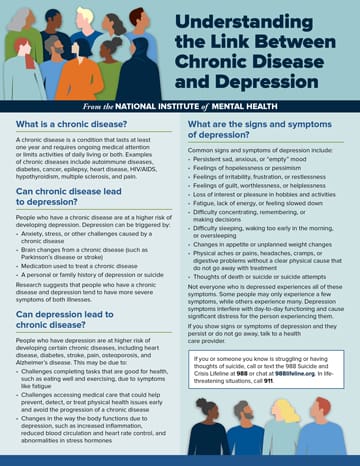
It’s important to recognize the intricate interplay between chronic illness and mental health. Dealing with a long-term health condition can take a toll on your emotional well-being, leading to feelings of stress, anxiety, depression, and even isolation. Conversely, mental health issues can exacerbate physical symptoms and make it harder to cope with the challenges of chronic illness.
Understanding this connection is the first step towards achieving holistic wellness. By addressing both your physical and emotional needs, you can experience improved quality of life and better overall health outcomes.
How Chronic Illness Impacts Mental Health
Chronic illness can have a significant impact on your mental health. The uncertainty surrounding your health condition, the physical limitations you may face, and the need for ongoing medical treatment can all contribute to feelings of distress and anxiety. Additionally, chronic pain and fatigue can make it challenging to engage in daily activities, leading to a sense of isolation and dependency.
A study published in the Journal of Psychosomatic Research found that individuals with chronic illnesses such as diabetes, heart disease, and chronic pain are at a higher risk of developing mental health disorders such as depression and anxiety. It’s crucial to recognize these potential challenges and seek appropriate support to prevent further complications.
Strategies for Managing Chronic Illness and Mental Health
Managing both your chronic illness and mental health may seem like a daunting task, but with the right strategies in place, you can effectively cope with the challenges you face. Here are some practical tips to help you navigate this journey successfully.
Build a Strong Support System
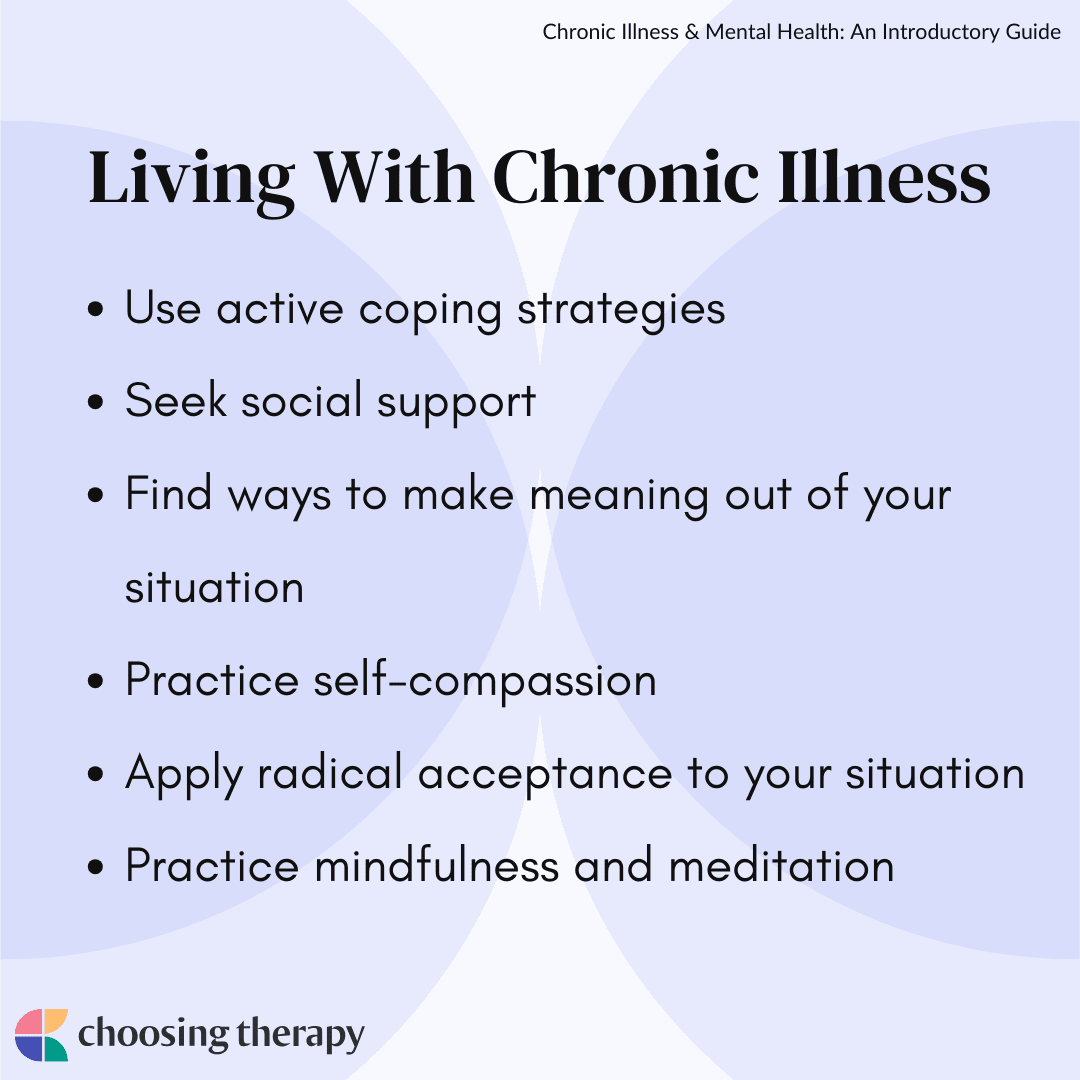
You don’t have to face the challenges of chronic illness and mental health on your own. Building a strong support system can provide you with the emotional encouragement, practical assistance, and companionship you need to cope with your health issues effectively. Reach out to family members, friends, support groups, or mental health professionals who can offer you guidance and understanding during difficult times.
Practice Self-Care
Self-care is essential for maintaining your physical and emotional well-being. Take time to prioritize activities that bring you joy, relaxation, and comfort. This could include engaging in hobbies you love, practicing mindfulness or meditation, getting enough rest, and eating nutritious meals. By nurturing your mind, body, and spirit, you can enhance your resilience and ability to cope with the challenges of chronic illness and mental health.
Stay Active within Your Limits
Physical activity can have a positive impact on both your physical and mental health. Regular exercise can help improve your mood, reduce stress, and boost your energy levels. However, it’s important to listen to your body and only engage in activities that are suitable for your health condition. Consult with your healthcare provider to develop a safe and appropriate exercise routine that meets your needs.
Communicate Openly with Your Healthcare Team
Effective communication with your healthcare team is crucial for managing your chronic illness and mental health. Keep them informed about your symptoms, concerns, and treatment preferences so they can provide you with personalized care and support. Don’t hesitate to ask questions, seek clarification, or request additional resources to help you better understand your health condition and treatment options.
Practice Mindfulness and Relaxation Techniques
Mindfulness and relaxation techniques can help you manage stress, anxiety, and other emotional challenges associated with chronic illness and mental health. Consider incorporating practices such as deep breathing exercises, progressive muscle relaxation, guided imagery, or yoga into your daily routine. These techniques can promote relaxation, reduce tension, and improve your overall sense of well-being.
Set Realistic Goals and Expectations
Living with chronic illness and mental health issues can be challenging, but it’s important to set realistic goals and expectations for yourself. Identify what activities are most important to you, prioritize your tasks, and break them down into manageable steps. By setting achievable goals and celebrating your progress, you can maintain motivation, self-confidence, and a sense of accomplishment.
Seek Professional Help When Needed
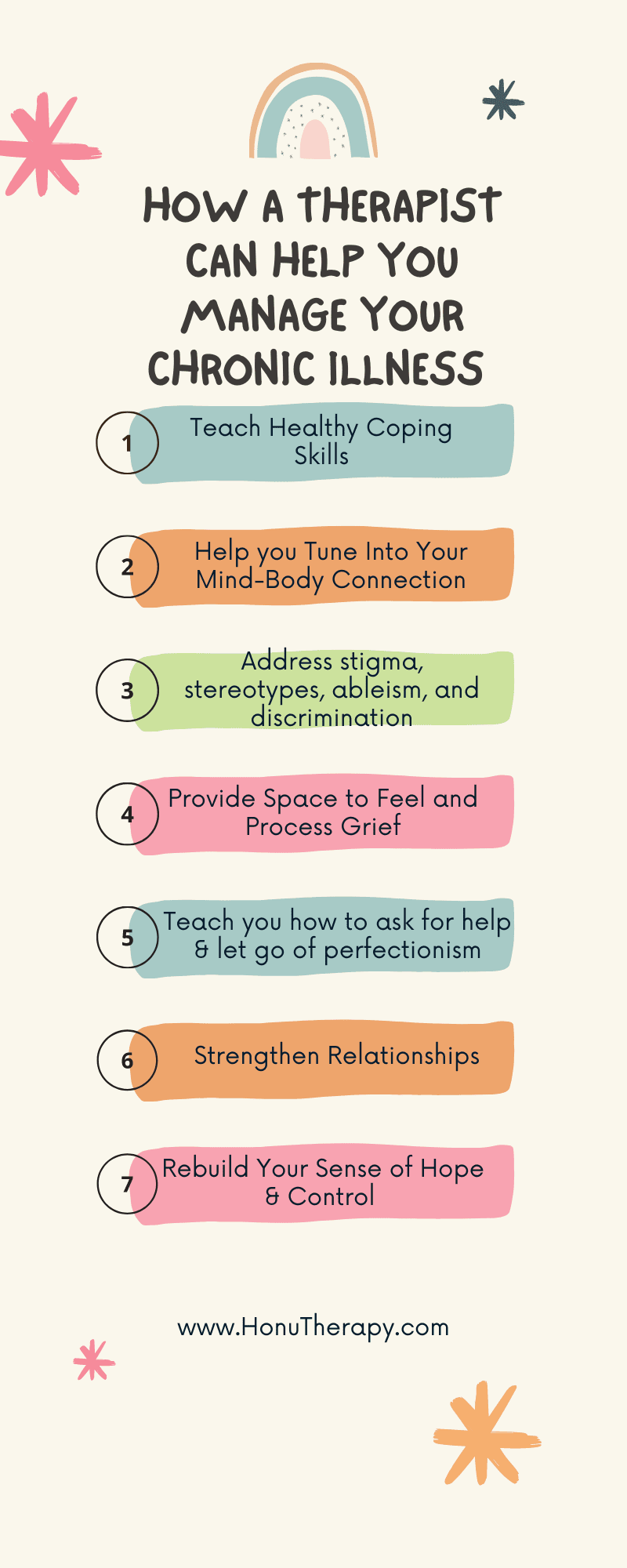
If you’re struggling to cope with the challenges of chronic illness and mental health on your own, don’t hesitate to seek professional help. Mental health professionals such as therapists, counselors, or psychologists can provide you with the tools, strategies, and support you need to address your emotional well-being. Additionally, they can assist you in developing coping skills, improving your self-esteem, and enhancing your quality of life.
Conclusion
Managing both chronic illness and mental health requires a holistic approach that addresses your physical, emotional, and psychological needs. By understanding the connection between these two aspects of health, building a strong support system, practicing self-care, staying active within your limits, communicating openly with your healthcare team, practicing mindfulness and relaxation techniques, setting realistic goals, and seeking professional help when needed, you can navigate this challenging journey with resilience and grace.
Remember, you are not alone in this journey. By implementing these tips and strategies, you can effectively manage both your chronic illness and mental health, leading to improved well-being and a better quality of life. Stay strong, stay positive, and take care of yourself. You deserve it.