
Living with chronic pancreatitis can be a challenging and sometimes overwhelming experience. From managing pain and digestive issues to keeping track of dietary restrictions, this condition requires constant attention and care. In this article, we will explore the key aspects of living with chronic pancreatitis, providing you with the essential knowledge and tips to navigate this condition with confidence and ease.
Understanding Chronic Pancreatitis
Definition of Chronic Pancreatitis
Chronic pancreatitis is a long-term inflammation of the pancreas, a vital organ responsible for producing enzymes that help with digestion and hormones that regulate blood sugar levels. Unlike acute pancreatitis, which is a sudden and usually temporary condition, chronic pancreatitis is characterized by persistent inflammation and damage to the pancreas.
Causes of Chronic Pancreatitis
Chronic pancreatitis can have various causes, but the most common ones include prolonged alcohol consumption, smoking, gallstones, genetic factors, and certain autoimmune conditions. Alcohol abuse is one of the leading causes, accounting for a significant number of cases. It is important to identify the underlying cause of chronic pancreatitis to effectively manage and prevent further damage.
Symptoms and Diagnosis
The symptoms of chronic pancreatitis can vary from person to person. Common symptoms include persistent abdominal pain, nausea, vomiting, weight loss, oily and foul-smelling stools, and diabetes. However, some individuals may experience few or no symptoms at all. To diagnose chronic pancreatitis, your doctor may conduct a physical examination, review your medical history, and order tests such as blood tests, imaging scans like CT or MRI, and specialized tests to assess pancreatic function, such as endoscopic ultrasound or a secretin stimulation test.
Managing Chronic Pancreatitis Symptoms
Pain Management
Pain is one of the most challenging aspects of living with chronic pancreatitis. Your doctor may prescribe pain medications such as nonsteroidal anti-inflammatory drugs (NSAIDs), opioids, or other medications specifically targeted to manage pancreatic pain. However, it is crucial to communicate any changes in pain to your healthcare provider to adjust your treatment plan accordingly.
Dietary Changes
Adopting a healthy diet tailored to your individual needs can greatly alleviate the symptoms of chronic pancreatitis. This typically involves avoiding foods that may trigger or worsen your symptoms, such as high-fat and fried foods, spicy foods, and caffeine. Instead, focus on consuming small, frequent meals consisting of lean proteins, whole grains, fruits, vegetables, and low-fat dairy products. Consult with a registered dietitian who specializes in pancreatitis to create a personalized meal plan that provides you with the necessary nutrients while minimizing digestive distress.
Supplemental Enzymes
In chronic pancreatitis, the damaged pancreas may not produce enough digestive enzymes, leading to difficulties in digesting food properly. Your doctor may recommend pancreatic enzyme replacement therapy (PERT) to help alleviate these symptoms. PERT involves taking enzyme supplements with meals to support proper digestion. These supplements typically come in capsule or tablet form and help break down fats, proteins, and carbohydrates. Make sure to follow the recommended dosage and timing guidelines provided by your healthcare team.

Preventing Pancreatic Attacks
Avoiding Trigger Foods
Identifying and avoiding foods that trigger pancreatic attacks is crucial in managing chronic pancreatitis. Common trigger foods include fatty or fried foods, highly processed snacks, spicy foods, and alcohol. Keep a food diary to track which foods aggravate your symptoms and discuss them with your doctor or dietitian to develop a plan that minimizes potential flare-ups.
Limiting Alcohol Consumption
If you have chronic pancreatitis, it is essential to reduce or eliminate alcohol consumption entirely. Alcohol can cause further inflammation and damage to the pancreas, exacerbating the symptoms and accelerating the progression of the disease. Speak with your healthcare provider about techniques and resources available to help quit drinking if alcohol is a concern for you.
Managing Stress
Stress can exacerbate the symptoms of chronic pancreatitis. Finding healthy ways to manage stress, such as practicing relaxation techniques, engaging in regular exercise, or seeking support through counseling or therapy, can improve your overall well-being and potentially reduce the frequency and severity of pancreatic attacks. It is important to prioritize self-care and develop coping mechanisms that work best for you.
Treatment Options for Chronic Pancreatitis
Medication
In addition to pain management medications, your doctor may prescribe other medications to manage specific symptoms or complications associated with chronic pancreatitis. These may include medications to control digestive symptoms like diarrhea or nausea, insulin or oral antidiabetic drugs to manage diabetes, or medications to address nutritional deficiencies. Follow your doctor’s instructions carefully and communicate any side effects or concerns you may have.
Endoscopic Treatment
Endoscopic procedures can play a crucial role in both diagnosing and treating chronic pancreatitis. Endoscopic retrograde cholangiopancreatography (ERCP) allows your doctor to visualize the pancreatic ducts and potentially relieve any blockage. Additionally, endoscopic ultrasound (EUS) can provide detailed images of the pancreas and surrounding structures, aiding in diagnosis and treatment decision-making. Your healthcare team will determine the need for specific endoscopic procedures based on your individual situation.
Surgery
In some cases, surgery may be necessary to manage chronic pancreatitis. Surgical options can range from procedures to drain blocked pancreatic ducts or remove gallstones to more complex surgeries like a pancreas transplant or partial or total removal of the pancreas. Surgery is typically considered when other treatments have failed or if there are complications that need immediate intervention. Your healthcare team will discuss the potential benefits and risks of surgery and guide you in making an informed decision.
Living with Chronic Pain
Coping Strategies
Chronic pain can significantly impact your daily life and emotional well-being. Developing coping strategies can help you better manage your pain symptoms and improve your overall quality of life. Techniques such as relaxation exercises, meditation, distraction, heat or cold therapy, and physical therapy can provide relief and reduce the perception of pain. Experiment with different strategies and find what works best for you.
Support Groups
Joining a support group for individuals with chronic pancreatitis can be immensely helpful. Connecting with others who understand your experiences can provide emotional support, practical advice, and a sense of belonging. Sharing your feelings, fears, and successes within a supportive environment can enhance your coping skills and help you navigate the challenges of living with chronic pancreatitis. Consult with your healthcare provider or search online for local or virtual support groups in your area.
Mental Health Support
Living with chronic pancreatitis can impact your mental health. It is essential to seek professional mental health support if you experience symptoms of depression, anxiety, or other mental health conditions. A therapist or counselor can provide guidance, coping strategies, and emotional support tailored to your needs. Remember, mental health is just as important as physical health, and seeking help is a sign of strength.
Potential Complications
Malabsorption
The damaged pancreas in chronic pancreatitis can lead to malabsorption, a condition in which the body is unable to properly absorb nutrients from food. This can result in deficiencies of vital nutrients like vitamins and minerals. Your healthcare team may recommend specific dietary adjustments, including nutritional supplementation, to address these deficiencies. Regular monitoring of nutrient levels and working closely with a dietitian can help manage malabsorption effectively.
Diabetes
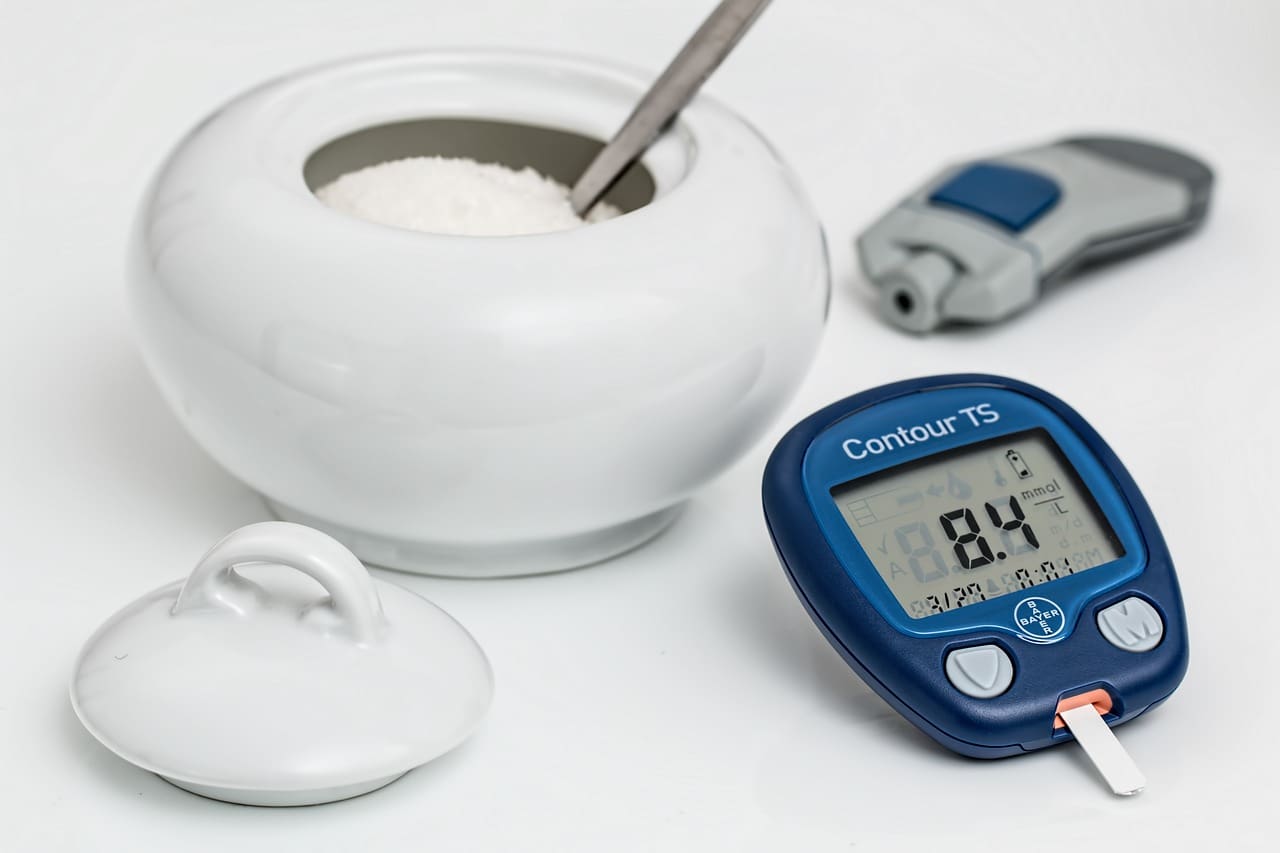
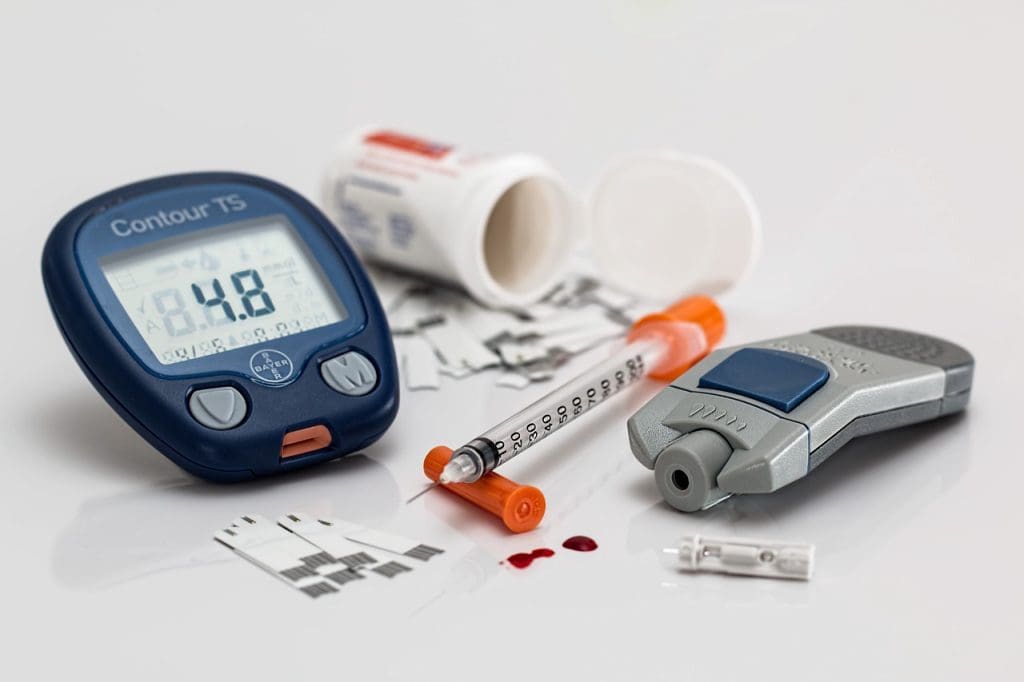
Chronic pancreatitis can damage the insulin-producing cells in the pancreas, leading to the development of diabetes. Your doctor may recommend lifestyle modifications, medication, and regular blood sugar monitoring to manage diabetes effectively. It is crucial to work closely with your healthcare team to ensure appropriate diabetes management and prevent potential complications.
Pancreatic Cancer
Although the risk is relatively low, individuals with chronic pancreatitis have an increased risk of developing pancreatic cancer. Regular surveillance and monitoring for the signs and symptoms of pancreatic cancer are essential. It is crucial to discuss any concerns or changes in your health with your healthcare provider promptly to facilitate early detection and intervention if necessary.

Managing Nutritional Needs
Working with a Dietitian
A registered dietitian can play a pivotal role in managing your nutritional needs when living with chronic pancreatitis. They can assess your dietary requirements, develop a personalized meal plan, and provide guidance on proper nutrition and supplementation. Regular check-ins with a dietitian can ensure you are meeting your nutritional needs and help prevent complications such as malnutrition or nutrient deficiencies.
Maintaining a Balanced Diet
A well-balanced diet is essential for individuals with chronic pancreatitis. Focus on consuming a variety of nutrient-rich foods, including lean proteins, whole grains, fruits, vegetables, and low-fat dairy products. Avoiding high-fat, fried, and processed foods is crucial to minimize symptoms and prevent further pancreatic damage. Portion control and eating smaller, more frequent meals throughout the day can also help alleviate digestive distress.
Importance of Vitamin Supplementation
Due to malabsorption or limited intake of certain foods, individuals with chronic pancreatitis may require vitamin supplementation. Your healthcare team may recommend specific vitamins or minerals to address deficiencies and ensure adequate nutrition. Vitamin supplementation, particularly fat-soluble vitamins like A, D, E, and K, may be necessary to support overall health and prevent complications associated with chronic pancreatitis.
Monitoring and Follow-up Care
Regular Doctor Visits
Regular follow-up visits with your healthcare provider are essential to monitor your condition, manage symptoms, and prevent complications. During these appointments, your doctor will assess your overall health, review any changes in symptoms, and conduct necessary tests or procedures to monitor the progress of your chronic pancreatitis. It is crucial to communicate openly with your healthcare team and ask any questions or express any concerns you may have.
Checking for Complications
Monitoring for potential complications is an integral part of managing chronic pancreatitis. Your healthcare provider may order specific tests such as blood tests, imaging scans, or pancreatic function tests to assess the health of your pancreas and detect any complications. Regular monitoring and early intervention can help prevent further damage and optimize your overall well-being.
Monitoring Pancreatic Function
Pancreatic function tests can provide valuable information about the functionality of your pancreas. These tests may include blood tests to assess pancreatic enzyme levels, fecal elastase tests to evaluate digestive function, or glucose tolerance tests to assess insulin production. Regular pancreatic function assessments can help your healthcare team tailor your treatment plan and make necessary adjustments to manage your chronic pancreatitis effectively.
Educating Friends and Family
Explaining the Disease
Educating your friends and family about chronic pancreatitis is essential for fostering understanding and support. Share information about the condition, its causes, and how it affects your daily life. Emphasize that chronic pancreatitis is a legitimate and often debilitating medical condition. Encourage them to ask questions, and be prepared to clarify any misconceptions they may have.
Managing Expectations
Chronic pancreatitis can impact your ability to engage in certain activities or limit your energy levels. Managing expectations is crucial to preventing frustration or misunderstandings among your loved ones. Be honest about your limitations and communicate openly about what you can and cannot do. Together, you can find alternative ways to spend quality time and support one another.
Creating a Supportive Environment
Creating a supportive environment is vital for individuals living with chronic pancreatitis. Encourage your friends and family to offer emotional support, lend a listening ear, or accompany you to medical appointments if desired. Small gestures of empathy and understanding can go a long way in making you feel valued and cared for. Open communication and mutual compassion are the cornerstones of a supportive network.
Maintaining a Positive Outlook
Finding Joy in Everyday Life
Living with chronic pancreatitis may present numerous challenges, but finding joy in everyday life is crucial for maintaining a positive outlook. Identify activities or hobbies that bring you happiness and make time for them regularly. Surround yourself with loved ones, engage in pleasurable experiences, and focus on the small victories. By consciously seeking joy, you can improve your overall well-being despite living with a chronic illness.
Seeking Emotional Support
Seeking emotional support is equally important in maintaining a positive outlook. Share your feelings with trusted friends and family members who can provide support and encouragement. Additionally, consider seeking professional help from mental health professionals who specialize in chronic illness or chronic pain. They can offer guidance and strategies to help you navigate the emotional complexities of living with chronic pancreatitis.
Adopting Healthy Coping Mechanisms
Developing healthy coping mechanisms can significantly impact your ability to manage the challenges of chronic pancreatitis. Practice stress-reducing techniques like mindfulness, deep breathing exercises, or engaging in creative outlets like art, writing, or music. Establishing a routine, setting realistic goals, and prioritizing self-care can also enhance your coping abilities and foster resilience in the face of adversity.
Living with chronic pancreatitis can be challenging, but understanding the condition, managing symptoms, and seeking support can significantly improve your quality of life. By embracing a comprehensive approach that includes pain management strategies, dietary modifications, and emotional support, you can navigate the ups and downs of chronic pancreatitis with resilience and maintain a positive outlook on life. Remember, you are not alone, and with the right tools and resources, you can effectively manage this chronic condition and lead a fulfilling life.