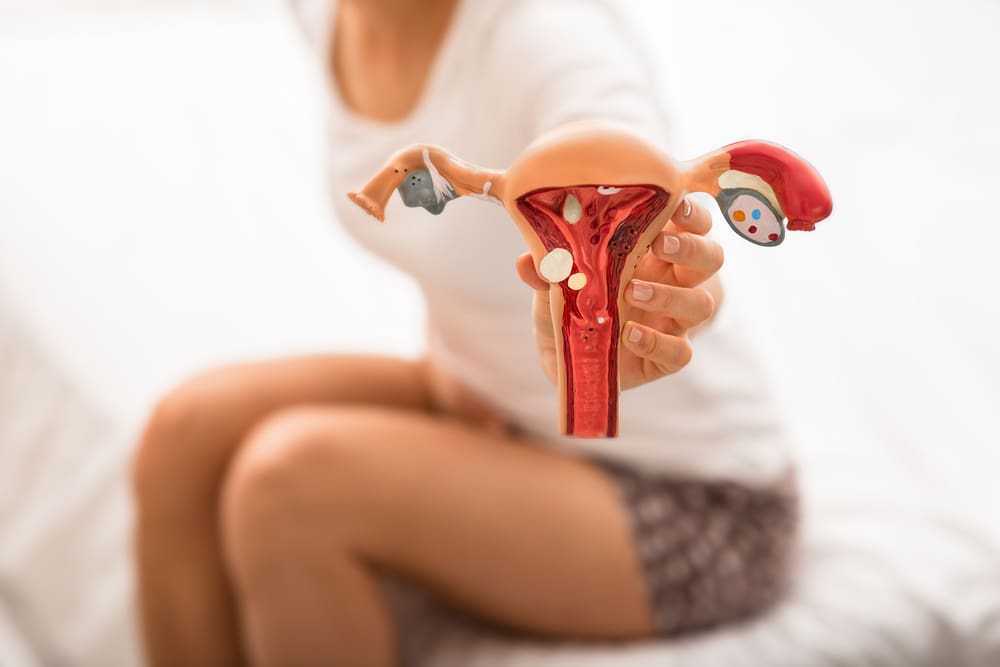
Living with Endometriosis can be challenging, but with the right knowledge and strategies, managing the related pain and fertility concerns becomes more feasible. In this article, you will discover valuable tips and techniques to help navigate the difficulties associated with Endometriosis. From seeking medical advice and exploring treatment options to embracing self-care practices, these insights aim to empower you to live a fulfilling and healthier life amidst this condition. So, let’s explore the various ways in which you can effectively manage pain and address fertility concerns while living with Endometriosis.
Understanding Endometriosis
What is endometriosis?
Endometriosis is a chronic condition that affects the reproductive system, specifically the tissue lining the uterus called the endometrium. In endometriosis, this tissue grows outside of the uterus, most commonly on the ovaries, fallopian tubes, and tissues lining the pelvis. This misplaced tissue continues to act as it normally would during the menstrual cycle, causing inflammation, pain, and the formation of scar tissue.
Causes of endometriosis
The exact cause of endometriosis is still unknown, but there are several theories. One theory suggests that during menstruation, some of the endometrial tissue backs up through the fallopian tubes into the pelvic cavity instead of being expelled from the body, leading to the development of endometriosis. Another theory proposes that endometrial cells are spread throughout the body through the bloodstream or lymphatic system. Genetics and hormonal imbalances may also play a role in increasing the risk of developing endometriosis.
Symptoms of endometriosis
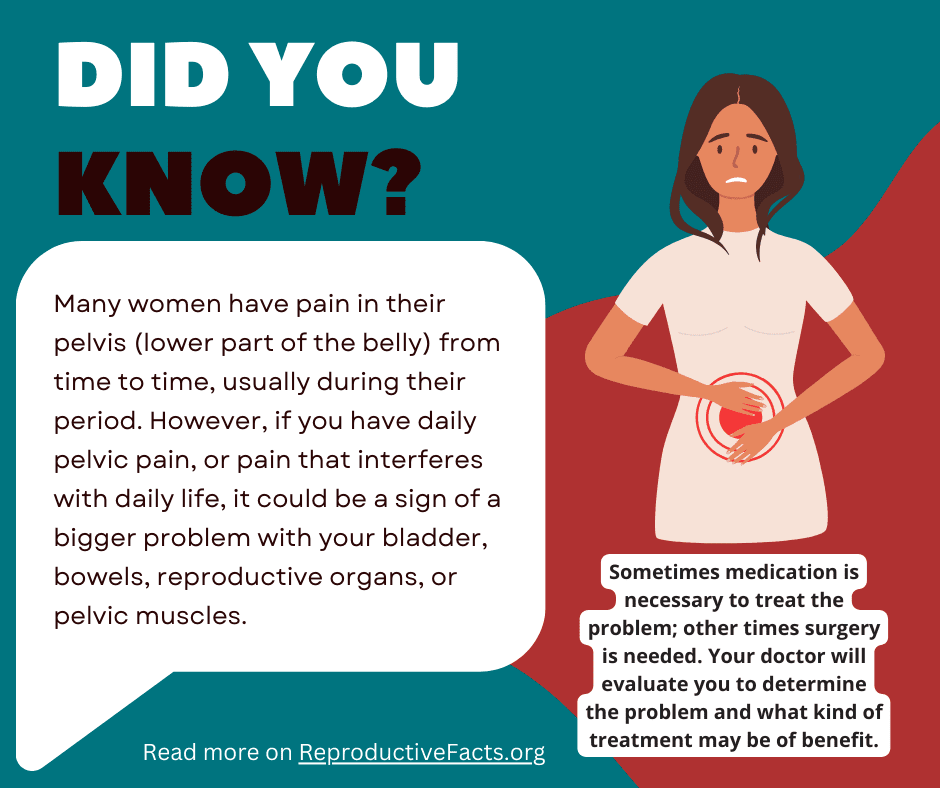
The most common symptom of endometriosis is pelvic pain, which can range from mild to debilitating. This pain is often associated with the menstrual cycle and may worsen over time. Other symptoms may include severe menstrual cramps, pain during intercourse, excessive bleeding, fatigue, gastrointestinal issues, and infertility. It is important to note that the severity of symptoms does not always correlate with the extent of the disease, and some individuals with mild endometriosis may experience significant pain, while others with severe endometriosis may have minimal symptoms.
Diagnosing Endometriosis
Medical history and physical examination
The first step in diagnosing endometriosis is a thorough medical history and physical examination. Your healthcare provider will ask about your symptoms, menstrual cycle patterns, and family history of endometriosis. During the physical examination, they may perform a pelvic exam to check for any abnormalities, such as tender areas or masses, which may suggest the presence of endometriosis.
Imaging tests
In some cases, imaging tests, such as ultrasound or MRI, may be recommended to visualize the pelvic region and look for any signs of endometriosis. However, it is important to note that these imaging tests are not definitive for diagnosing the condition but can provide valuable information about the structures in the pelvic area.
Laparoscopy
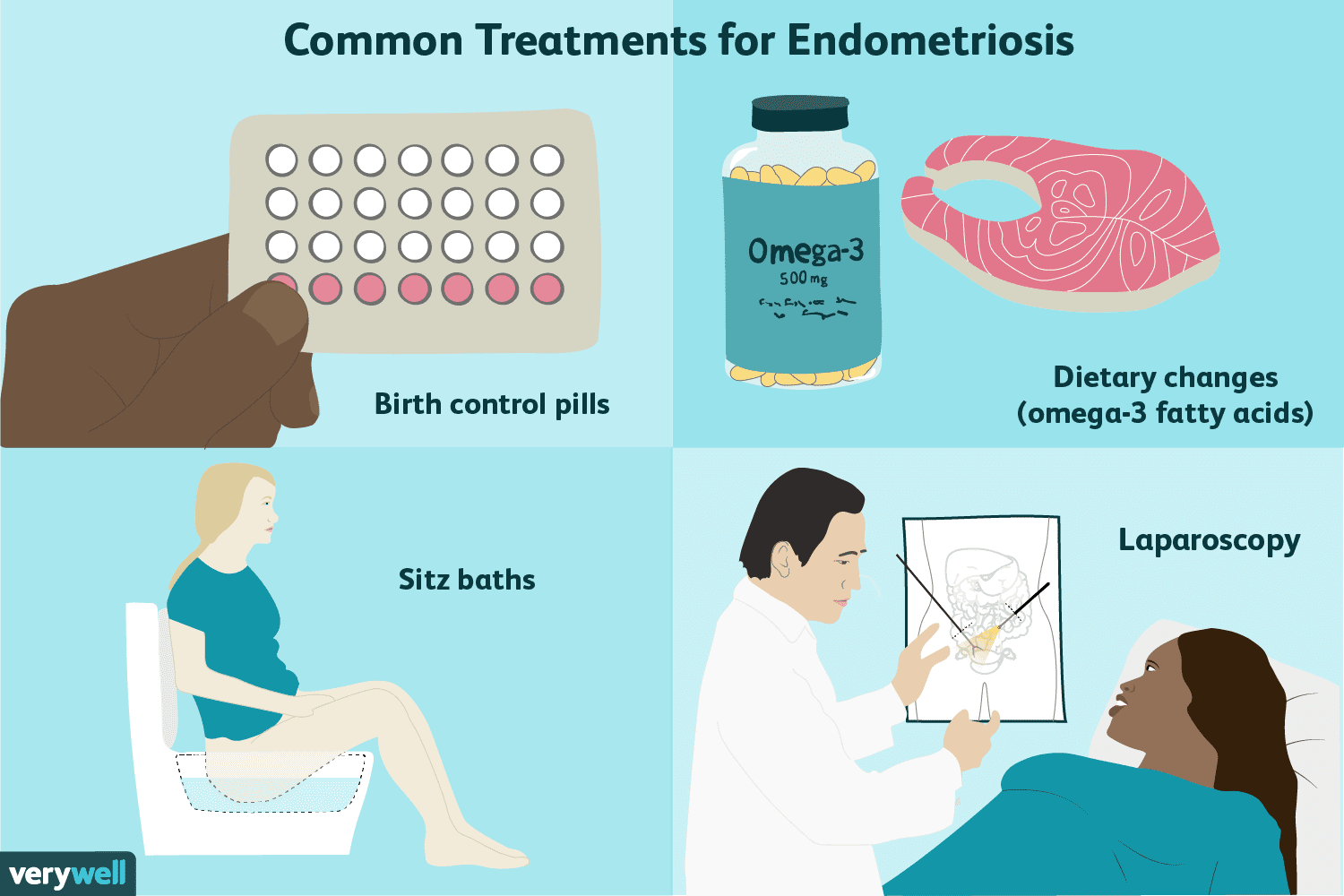
The gold standard for diagnosing endometriosis is a surgical procedure called laparoscopy. This minimally invasive procedure involves inserting a small camera through a tiny incision in the abdomen to visualize the pelvic organs and identify the presence of endometriosis. During the laparoscopy, your healthcare provider may also take tissue samples for further examination to confirm the diagnosis.
Managing Pain
Pain medications
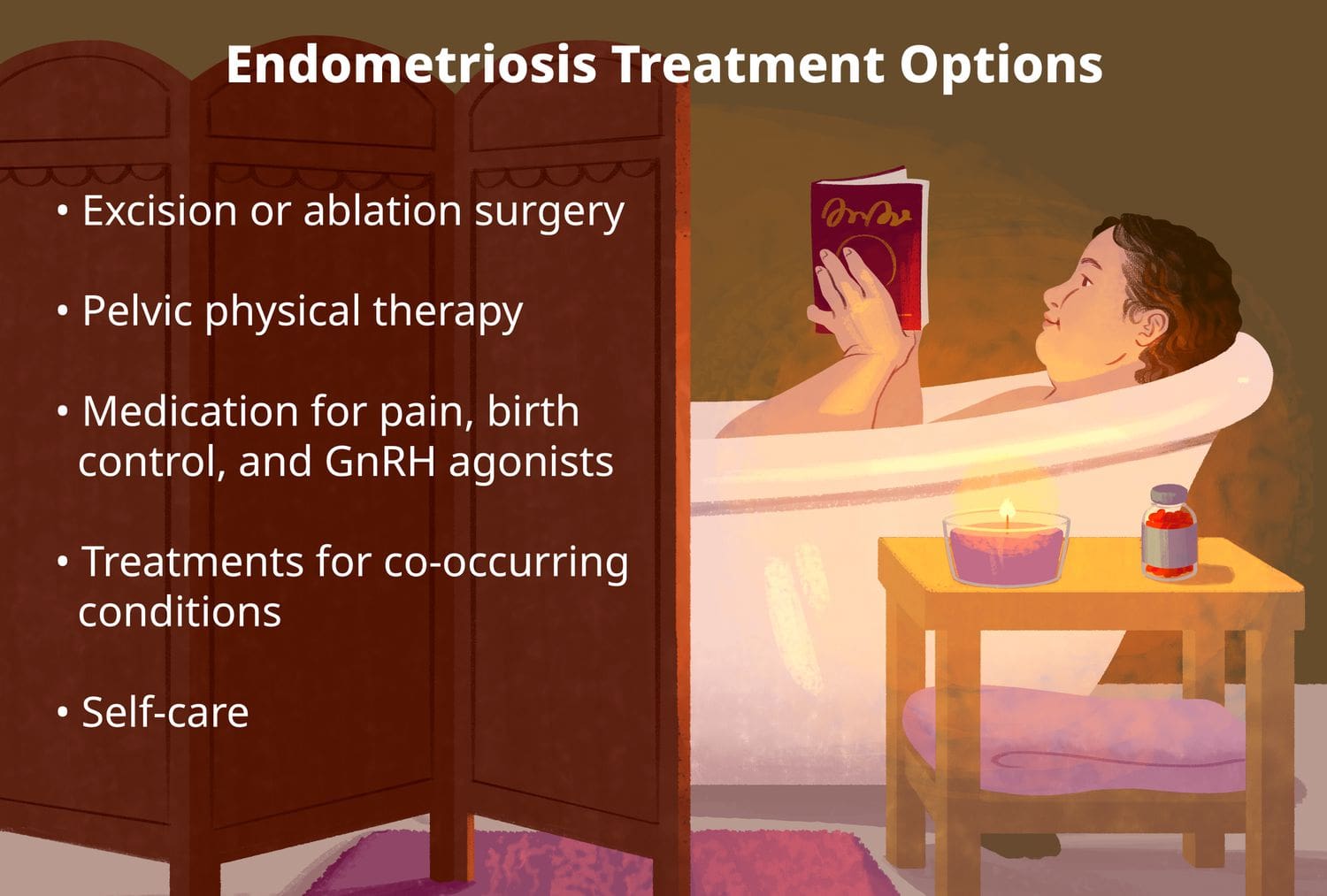
Managing pain is a crucial aspect of living with endometriosis. Over-the-counter pain relievers, such as nonsteroidal anti-inflammatory drugs (NSAIDs), can help alleviate mild to moderate pain associated with endometriosis. If these medications are not effective, your healthcare provider may prescribe stronger pain medications, such as opioids, for short-term pain relief. However, it is important to use these medications judiciously and under the guidance of a healthcare professional.
Hormone therapy
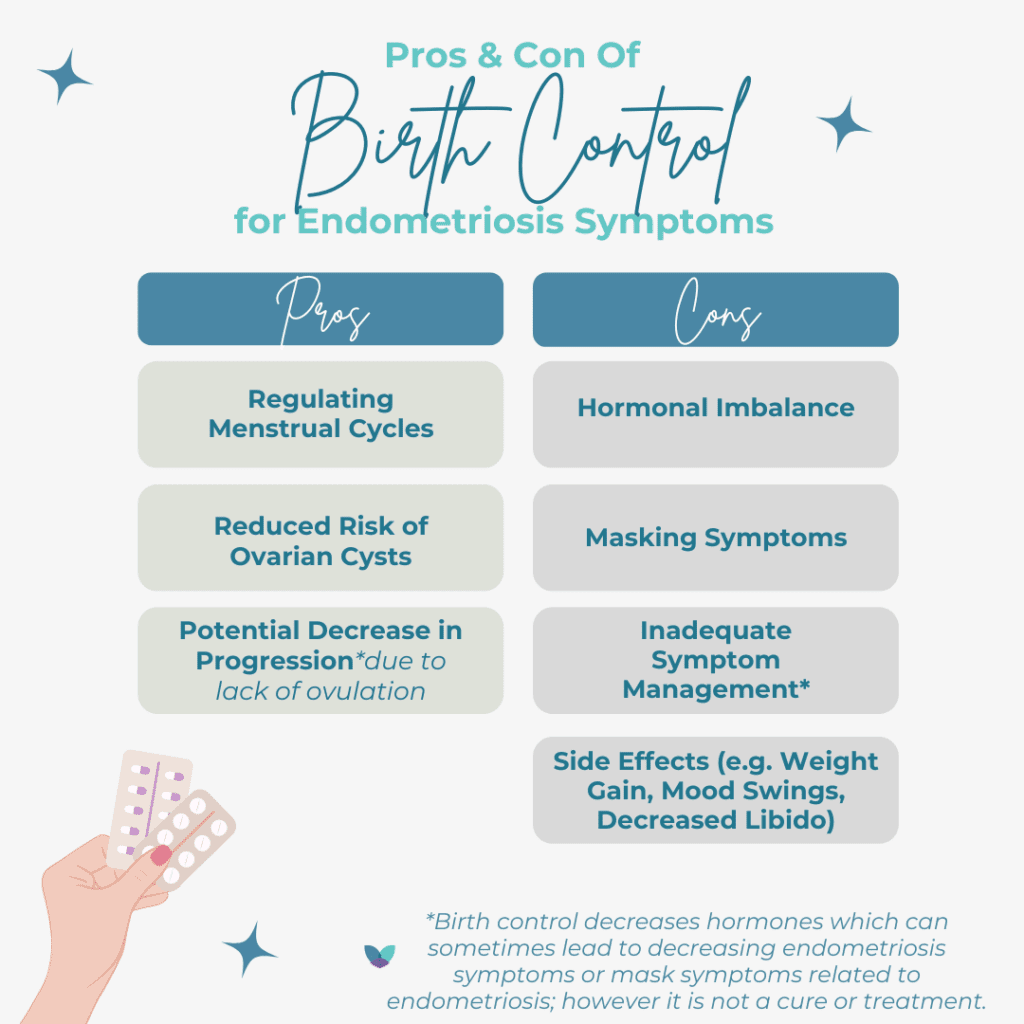
Hormone therapy is often used to manage the symptoms of endometriosis. The goal of hormone therapy is to regulate or suppress the menstrual cycle, reducing the growth and shedding of endometrial tissue. Hormonal options may include birth control pills, hormonal patches, or intrauterine devices (IUDs) that release hormones. Other hormone therapies, such as gonadotropin-releasing hormone (GnRH) agonists or antagonists, may be prescribed in more severe cases.
Alternative therapies
Many individuals with endometriosis find relief from incorporating alternative therapies into their pain management routine. These may include acupuncture, chiropractic care, herbal remedies, or relaxation techniques such as yoga or meditation. While these therapies may not work for everyone, they can complement traditional medical treatments and provide additional relief.
Modifying Lifestyle
Dietary changes
Making dietary changes can help manage the symptoms of endometriosis. Some individuals find that avoiding certain foods, such as caffeine, alcohol, processed foods, and foods high in saturated fats, can help reduce inflammation and pain. Incorporating more anti-inflammatory foods, like fruits, vegetables, whole grains, and lean proteins, may also be beneficial. It is important to listen to your body and experiment with different dietary approaches to find what works best for you.
Exercise and physical activity
Engaging in regular exercise and physical activity can have numerous benefits for individuals with endometriosis. Exercise helps improve circulation, reduce stress, and release endorphins, which are natural pain relievers. Low-impact exercises such as walking, swimming, biking, and yoga are often well-tolerated by individuals with endometriosis. However, it is important to listen to your body and not overexert yourself, as excessive exercise may exacerbate symptoms.
Stress management techniques
Stress can significantly impact the symptoms of endometriosis. Developing effective stress management techniques can help reduce pain and improve overall well-being. Techniques such as deep breathing exercises, mindfulness meditation, and engaging in activities that bring joy and relaxation, such as hobbies or spending time with loved ones, can help manage stress levels. It may be helpful to work with a therapist or counselor to develop personalized stress management strategies.
Support and Education
Joining support groups
Living with endometriosis can be challenging, both emotionally and physically. Joining support groups can provide a sense of community and allow individuals to connect with others who are facing similar experiences. Support groups often offer a safe space to share concerns, ask questions, and gain support and encouragement from others who understand the impact of endometriosis. Online forums and social media groups can also be valuable resources for finding support.
Educating yourself about endometriosis
Understanding endometriosis is an important part of managing the condition. Educating yourself about endometriosis can help you make informed decisions about your healthcare and treatment options. Reliable sources such as reputable websites, books, and medical literature can provide valuable information about the condition, its symptoms, and potential treatment approaches. It may also be helpful to attend educational seminars or workshops offered by healthcare professionals specializing in endometriosis.
Seeking professional help
In addition to support groups and self-education, seeking professional help is crucial for managing endometriosis. Healthcare providers with expertise in endometriosis can provide personalized treatment plans, monitor your condition, and offer guidance and support. It is important to find a healthcare provider who listens to your concerns, validates your experiences, and collaborates with you to develop a comprehensive management plan.
Preserving Fertility
Fertility awareness
For individuals who desire to conceive in the future, preserving fertility is a significant concern. Fertility awareness methods can help track menstrual cycles, ovulation, and optimize timing for conception. Charting basal body temperature, monitoring cervical mucus, and using ovulation predictor kits can provide valuable information about the timing of ovulation and increase the chances of successful conception.
Fertility treatments
Depending on individual circumstances, fertility treatments may be recommended for individuals with endometriosis who are struggling to conceive. These can include medications to stimulate ovulation, intrauterine insemination (IUI), or in vitro fertilization (IVF). Consulting with a fertility specialist can help determine the most appropriate treatment options based on your specific needs.
Considering other options
For individuals who are unable or choose not to conceive biologically, considering alternative parenting options is a valid choice. Adoption provides an opportunity to expand your family and provide a loving home to a child. Surrogacy involves using a gestational carrier to carry a pregnancy on behalf of the intended parent(s). Additionally, options such as egg or embryo freezing can allow individuals to preserve their reproductive cells for future use if desired.
Alternative Parenting Options
Adoption
Adoption is a wonderful option for individuals or couples who are unable to conceive biologically or choose not to pursue fertility treatments. Adoption involves legally and permanently welcoming a child into your family and providing them with a loving, nurturing environment. There are various types of adoption, including domestic adoption, international adoption, and foster care adoption. Each type has its own unique process, requirements, and considerations, so it is important to thoroughly research and work with adoption professionals to navigate this journey.
Surrogacy
Surrogacy is another alternative parenting option for individuals or couples experiencing infertility. Surrogacy involves a gestational carrier who carries a pregnancy on behalf of the intended parent(s). In this process, an embryo created from the intended parent(s)’s genetic material is transferred to the surrogate’s uterus, allowing them to carry and deliver the child. Surrogacy requires extensive legal and medical procedures and should be done in close consultation with experienced professionals.
Egg or embryo freezing
For individuals who wish to preserve their reproductive cells for future use, egg or embryo freezing is an option. Egg freezing involves the retrieval and freezing of a woman’s eggs, which can then be thawed and fertilized with sperm at a later time to achieve pregnancy. Embryo freezing, on the other hand, involves the fertilization of eggs with sperm to create embryos before freezing them for future use. These frozen eggs or embryos can then be used in assisted reproductive technologies such as IVF when the individual is ready to conceive.
Maintaining Emotional Well-being
Coping mechanisms
Living with endometriosis can take a toll on your emotional well-being, and developing effective coping mechanisms is essential. Find strategies that work for you, whether it’s journaling, practicing mindfulness, engaging in creative outlets, or confiding in a trusted friend or family member. It can also be helpful to remind yourself that you are not alone in your experiences and that there are resources available to support you.
Therapy and counseling
Therapy and counseling can provide valuable support in navigating the emotional challenges associated with endometriosis. A therapist or counselor can help you process your emotions, develop coping strategies, and provide guidance for managing stress, anxiety, and depression. Individual therapy, couple’s therapy, or support groups specifically focused on chronic illness or endometriosis can all be beneficial options to explore.
Exploring hobbies and interests
Engaging in activities that bring you joy and fulfillment is an important part of maintaining emotional well-being. Find hobbies and interests that you are passionate about, whether it’s painting, playing a musical instrument, gardening, or volunteering. These activities can provide a sense of purpose, distraction from pain, and an opportunity to focus on positive experiences.
Planning for Pregnancy
Preparing the body for pregnancy
For individuals with endometriosis who are planning for pregnancy, it is important to optimize their overall health and well-being. This may include making healthy lifestyle choices such as eating a nutritious diet, maintaining a healthy weight, getting regular exercise, and quitting smoking or minimizing alcohol consumption. It may also be beneficial to work with a healthcare provider or fertility specialist to ensure that any existing endometriosis-related concerns are addressed before attempting to conceive.
Timing intercourse
Understanding your menstrual cycle and timing intercourse accordingly can increase the chances of successful conception. Fertility awareness methods, as mentioned earlier, can help identify the most fertile days based on changes in cervical mucus, basal body temperature, and other indicators. Working with a fertility specialist can provide additional guidance and support in determining the optimal timing for intercourse.
Working with a fertility specialist
If conception is not achieved within a reasonable timeframe, or if other factors are impacting fertility, it may be helpful to consult with a fertility specialist. These specialists have expertise in reproductive medicine and can provide a comprehensive evaluation, which may include further testing, fertility treatments, or guidance on other reproductive options. They can also offer emotional support and help navigate the complex fertility journey.
Family and Social Support
Communicating with loved ones
Living with endometriosis can have a significant impact on your relationships with loved ones. Open and honest communication about your experiences, symptoms, and needs is essential. Sharing information about endometriosis and how it affects your daily life can help loved ones understand and provide support. Encourage them to ask questions and educate themselves about the condition, fostering empathy and understanding.
Building a support network
Building a support network of family, friends, or other individuals with endometriosis can provide immense comfort and strength. Seek out others who can relate to your experiences and share in your journey. Whether through in-person support groups, online forums, or social media communities, creating connections with people who understand the challenges of living with endometriosis can provide invaluable support and validation.
Addressing family planning concerns
Endometriosis can have implications for family planning and may raise concerns about future fertility or the impact of pregnancy on symptom progression. Discussing these concerns with your healthcare provider and loved ones can help alleviate anxiety and provide guidance in making informed decisions. It may be helpful to involve your partner or other family members in these conversations to ensure that everyone’s needs and concerns are addressed.
In conclusion, living with endometriosis can present various challenges, both physically and emotionally. Understanding the condition, seeking appropriate medical care, and implementing strategies for managing pain, preserving fertility, and maintaining emotional well-being are all important aspects of managing endometriosis. By utilizing support networks, accessing educational resources, and exploring various treatment options, individuals with endometriosis can empower themselves to navigate this journey with resilience and hope.