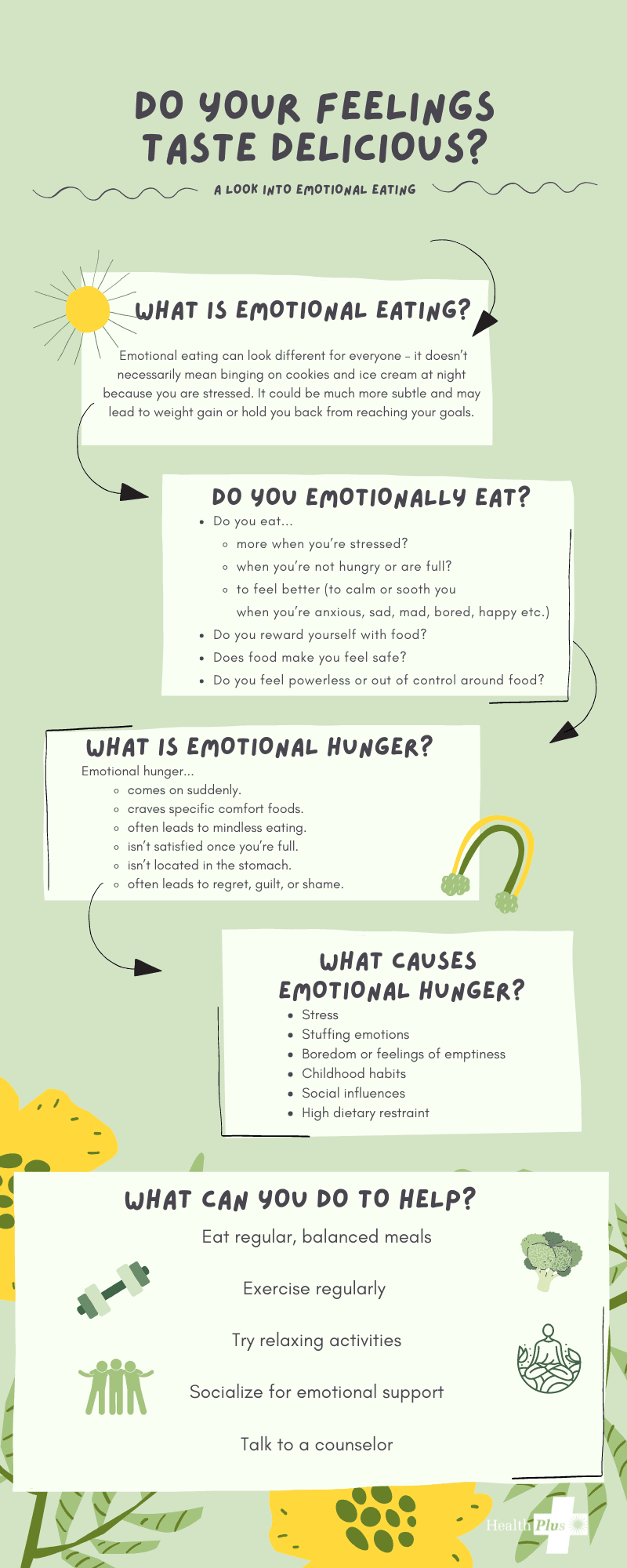
Emotional eating is a widespread phenomenon that many of us can relate to. We’ve all had those moments when stress, sadness, or even boredom triggers an uncontrollable urge to reach for comfort foods. But how can we break free from this cycle and manage our emotional eating in a healthy way? In this article, we will explore some of the best strategies to help you navigate through the ups and downs of emotional eating, providing you with valuable insights on how to better understand your emotions and develop healthier coping mechanisms. Say goodbye to guilt and hello to a balanced relationship with food. Let’s dive in!
Recognize Triggers
Emotional eating is often triggered by certain emotions or situations. By recognizing these triggers, you can become more aware of your patterns and work to break free from emotional eating habits.
Identify Emotional Triggers
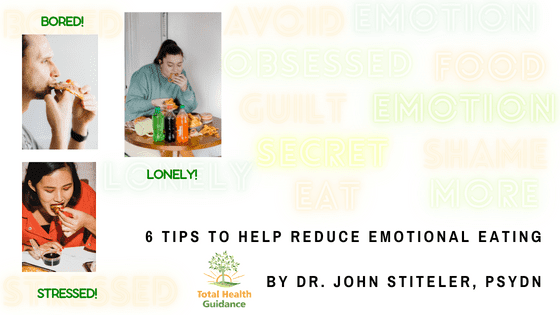
One of the first steps in managing emotional eating is identifying the emotions that trigger you to reach for food. Common emotional triggers include stress, boredom, loneliness, sadness, and anxiety. Take a moment to reflect on your emotions before reaching for food. Keeping a journal can be helpful in identifying patterns and understanding your emotional triggers better.
Keep a Food and Mood Journal
Keeping a food and mood journal is an effective way to track your emotional eating patterns. Write down what you eat, when you eat, and how you feel before and after eating. This journal will help you identify which emotions are most often associated with your emotional eating episodes. By understanding the patterns, you can start to develop healthier coping mechanisms.
Develop Alternative Coping Mechanisms
Finding healthy alternatives to cope with emotions is essential in managing emotional eating. By engaging in physical activity and practicing stress reduction techniques, you can replace eating as a way to cope with your emotions.
Engage in Physical Activity
Physical activity is a fantastic way to manage emotional eating. Exercise releases endorphins, which are the feel-good hormones that boost your mood. Find an activity that you enjoy, such as walking, dancing, or swimming. By incorporating regular exercise into your routine, you can reduce stress and improve your emotional well-being.
Practice Stress Reduction Techniques
Stress can be a significant trigger for emotional eating. Learning and practicing stress reduction techniques can help you manage your stress levels effectively. Deep breathing exercises, meditation, yoga, and mindfulness are all effective techniques for reducing stress. When you feel stressed, take a moment to step away from the situation and practice these techniques to calm your mind and body.

Create a Support System
Building a support system is crucial in managing emotional eating. Having others who understand and support you can make a significant difference in your journey towards healthier habits.
Seek Professional Help
If emotional eating is significantly affecting your daily life, consider seeking professional help. A therapist or counselor can provide you with tools and strategies to address the underlying emotional issues that contribute to your pattern of emotional eating. They can help you develop healthier coping mechanisms and provide emotional support throughout your journey.
Join a Support Group
Finding a support group can be immensely helpful when managing emotional eating. Surrounding yourself with others who are going through similar struggles allows you to share experiences and learn from each other. Support groups can provide a safe and non-judgmental space to discuss challenges, receive encouragement, and celebrate victories together.
Adopt Healthy Eating Habits
Establishing healthy eating habits is essential in managing emotional eating. By following regular eating patterns and choosing nutrient-dense foods, you can support your physical and emotional health.
Eat Regularly
Maintaining regular and consistent meal times is crucial in managing emotional eating. Plan your meals and snacks ahead of time and stick to a consistent schedule. Eating regular meals helps prevent extreme hunger, which can often lead to overeating or making poor food choices.
Choose Nutrient-Dense Foods
Opt for nutrient-dense foods that nourish your body and provide essential vitamins and minerals. Include plenty of fruits, vegetables, lean proteins, whole grains, and healthy fats in your diet. These foods will keep you satisfied and provide the necessary nutrients to support your overall well-being.
Practice Mindful Eating
Mindful eating is a powerful tool in managing emotional eating. By slowing down, paying attention to hunger and fullness cues, and fully experiencing your meals, you can develop a healthier relationship with food.
Eat Slowly and Mindfully
Take your time when eating and savor each bite. Pay attention to the taste, texture, and aroma of your food. This helps you become more mindful of your eating habits and prevents overeating. Put away distractions such as phones or television, and focus solely on the act of eating and enjoying your meal.
Pay Attention to Hunger and Fullness Cues
Listen to your body’s hunger and fullness cues. Before eating, ask yourself if you are truly hungry or if you are eating out of emotion. During meals, assess your level of fullness and stop eating when you are satisfied, not overly full. Learning to tune in to your body’s signals can help you make more conscious choices.
Limit Access to Trigger Foods
Removing tempting foods from your environment and stocking up on healthy snacks can help reduce the chances of emotional eating episodes.
Remove Tempting Foods from Your Environment
If certain foods tend to trigger emotional eating, it’s best to avoid having them readily available in your home or workspace. Clear your surroundings of tempting, high-calorie, and low-nutrient foods. Instead, keep your kitchen stocked with nourishing options that align with your health goals.
Stock Up on Healthy Snacks
When the urge to emotional eat strikes, having a selection of healthy snacks readily available can be a game-changer. Fill your pantry and refrigerator with fresh fruits, vegetables, yogurt, nuts, and seeds. These snacks not only satisfy your hunger but also provide valuable nutrients to support your emotional and physical well-being.
Manage Emotional Well-being
Taking care of your emotional well-being is essential in managing emotional eating. Through practicing self-care and seeking emotional support, you can develop a positive mindset and reduce the reliance on food as a coping mechanism.
Practice Self-Care
Engaging in activities that promote self-care is crucial in managing emotional well-being. Make sure to prioritize activities such as taking a warm bath, reading a book, practicing hobbies, or spending time in nature. Taking care of yourself both physically and emotionally helps reduce stress and increases your overall happiness.
Seek Emotional Support
Reach out to friends, family, or a counselor when you are struggling emotionally. Sometimes just talking about your feelings can bring relief and provide a fresh perspective. Building a support system of individuals who understand and support your journey can help you cope with emotions and manage emotional eating more effectively.
Develop Healthy Coping Strategies
Finding alternative activities that bring you joy and engaging in stress-relieving hobbies is crucial in managing emotional eating.
Find Activities That Bring You Joy
Think about the activities that make you genuinely happy and engage in them regularly. It can be anything from painting, dancing, writing, or playing a musical instrument. By focusing on activities that bring you joy, you divert your attention from emotional eating and channel your emotions into more positive outlets.
Engage in Stress-Relieving Hobbies
Find hobbies or activities that help you relax and relieve stress. This can include yoga, gardening, journaling, or even taking a leisurely walk in nature. Engaging in these activities not only helps manage stress but also provides an outlet for your emotions when you are feeling overwhelmed.
Address Underlying Issues
Addressing the root causes of emotional eating is crucial in managing and overcoming this habit effectively.
Identify and Address Root Causes
Take time to reflect on the underlying issues that contribute to your emotional eating patterns. This may involve examining past experiences, traumas, or negative thought patterns. Seeking professional help, such as therapy or counseling, can provide you with the necessary support and tools to address these root causes effectively.
Consider Therapy or Counseling
Therapy or counseling can be incredibly beneficial when working through the underlying emotional issues associated with emotional eating. A trained professional can guide you through the process of understanding and healing from past experiences, as well as help you develop healthier coping strategies.
Celebrate Small Victories
Recognizing and celebrating small victories is an important aspect of managing emotional eating effectively.
Reward Yourself for Progress
When you achieve a milestone or make progress in managing emotional eating, reward yourself. It’s important to acknowledge your accomplishments and reinforce positive behaviors. Treat yourself to a spa day, buy something you’ve been wanting, or enjoy a day doing activities you love.
Set Realistic Goals
Setting realistic goals is essential in managing emotional eating. Start small and work your way towards larger goals. Break your goals into achievable steps, and celebrate each milestone along the way. By setting realistic expectations, you can build confidence and stay motivated throughout your journey.