
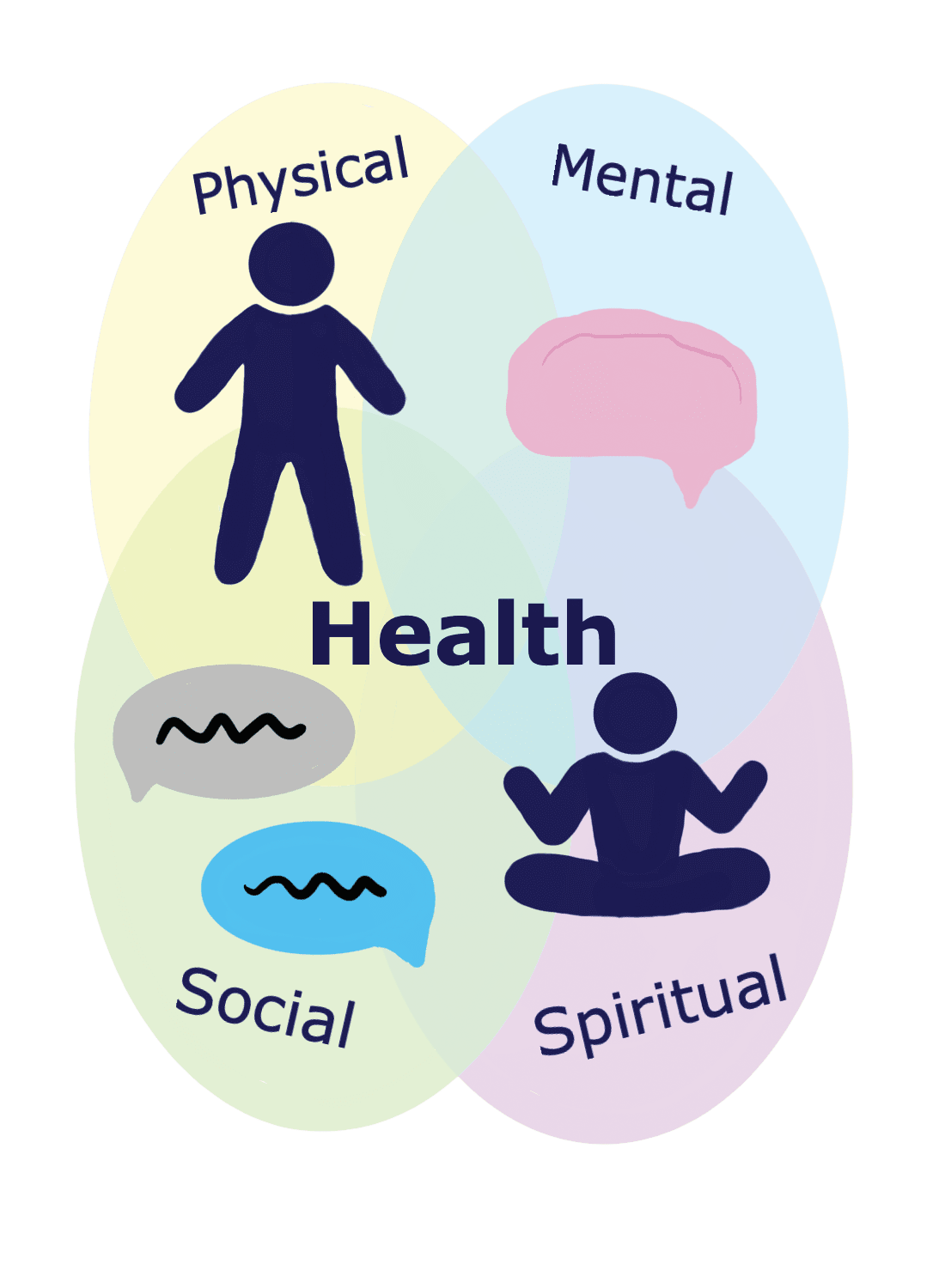
In today’s fast-paced world, where stress and anxiety have become all too common, it is essential to prioritize our mental wellness. In this article, we will explore the profound impact of holistic health practices on enhancing our mental well-being. By adopting a holistic approach that considers the interconnectedness of our mind, body, and spirit, we can achieve a more balanced and fulfilling life. Join us as we uncover the transformative power of holistic health in nurturing our mental wellness and unlocking our true potential.
Understanding Holistic Health
Definition of holistic health
Holistic health is an approach to well-being that recognizes the interconnectedness of the mind, body, and spirit. It goes beyond focusing solely on physical health and extends to all aspects of a person’s life, including mental, emotional, social, and spiritual well-being. Rather than treating symptoms, holistic health aims to address the root causes of health issues by considering the individual as a whole, taking into account their lifestyle, environment, and personal circumstances.
Importance of addressing all aspects of health
Addressing all aspects of health is crucial for achieving optimal well-being. Neglecting one area can have a domino effect on others, leading to imbalances and compromising overall health. For example, chronic stress can negatively impact mental health, disrupt sleep patterns, and weaken the immune system. By taking a holistic approach, we can identify and address underlying issues in various areas of our lives, promoting a harmonious balance that supports mental wellness.
The Mind-Body Connection
Connection between mental and physical well-being
The mind and body are intricately connected, with each influencing the other. Scientific research has shown that mental states, such as stress, anxiety, and depression, can manifest physically as headaches, muscle tension, and digestive issues. Similarly, physical ailments, such as chronic pain or illness, can take a toll on mental well-being, leading to feelings of frustration, hopelessness, or anxiety. Recognizing this mind-body connection is essential in understanding the importance of holistic health for mental wellness.
Effects of mental health on overall health
Mental health significantly impacts overall well-being. When our mental state is positive and balanced, we tend to have more energy, feel more motivated, and engage in healthier behaviors. On the other hand, untreated mental health issues can lead to a range of negative consequences, including decreased productivity, strained relationships, and even physical health problems. Taking a holistic approach to mental wellness ensures that we nurture our emotional and psychological well-being, which in turn positively affects our overall health.
Holistic Approaches to Mental Wellness
Meditation and mindfulness
Meditation and mindfulness practices have gained recognition for their ability to improve mental well-being. These practices involve focusing one’s attention on the present moment, cultivating awareness, and fostering a non-judgmental attitude. Regular meditation and mindfulness have been shown to reduce stress, anxiety, and depression, improve concentration, and enhance overall emotional resilience.
Yoga and physical exercise
Engaging in regular physical exercise, such as yoga, not only benefits physical health but also contributes to mental wellness. Yoga combines movement, breath control, and meditation, creating a holistic practice that promotes both physical and mental well-being. The physical aspect of yoga helps release tension from the body, while the mindfulness component cultivates a calm and focused mind, reducing stress and boosting mood.
Nutrition and diet
Nutrition plays a vital role in mental wellness. Nourishing our bodies with a balanced and wholesome diet provides the necessary nutrients for proper brain function and supports emotional well-being. Research suggests that certain nutrients, such as omega-3 fatty acids, B vitamins, and magnesium, have a positive impact on mental health. Adopting a holistic approach to nutrition involves choosing whole, nutrient-dense foods and being mindful of how our diet affects our overall mental wellness.
Acupuncture and other alternative therapies
Alternative therapies, including acupuncture, herbal medicine, and energy healing practices, have been used for centuries to promote mental and emotional well-being. Acupuncture, for example, involves the insertion of thin needles into specific points on the body to stimulate energy flow and restore balance. These therapies complement traditional medical approaches and can be effective in reducing symptoms of anxiety, depression, and stress.
Stress management techniques
Stress is a common element in our daily lives and can significantly impact mental wellness if not effectively managed. Holistic stress management techniques focus on nurturing the mind, body, and spirit to build resilience and reduce the negative effects of stress. These techniques can include deep breathing exercises, journaling, engaging in hobbies or creative activities, spending time in nature, and practicing self-care rituals.
Reducing Stress and Anxiety
Understanding stress and anxiety
Stress and anxiety are natural responses to challenging situations or perceived threats. However, chronic stress and anxiety can take a toll on mental health and overall well-being. Understanding the triggers and effects of stress and anxiety is instrumental in developing effective strategies for managing them.
Impact of stress on mental health
Prolonged or intense stress can lead to various mental health issues, including anxiety disorders, depression, and burnout. Stress triggers the release of stress hormones, such as cortisol, which can disrupt brain chemistry and contribute to the development of mental health disorders. Additionally, stress can interfere with sleep, impair cognitive function, and strain relationships, further exacerbating mental health challenges.
Holistic techniques for stress reduction
Holistic approaches to stress reduction focus on addressing the underlying causes of stress and promoting overall well-being. These techniques include mindfulness and meditation practices, engaging in regular physical exercise, establishing healthy boundaries and self-care routines, seeking social support, and adopting stress management strategies such as time management and prioritization. By taking a holistic approach, you can reduce stress levels and cultivate a sense of calm and resilience.
Improving Sleep Quality
Importance of sleep for mental wellness
Sleep plays a critical role in mental wellness. It is during sleep that our bodies repair and regenerate, and our brains consolidate memories and process emotions. Sufficient and high-quality sleep is essential for maintaining optimal cognitive function, regulating mood, and supporting overall mental well-being.
Holistic approaches to promote better sleep
Adopting healthy sleep practices is vital for improving sleep quality. These holistic approaches include maintaining a consistent sleep schedule, creating a conducive sleep environment, practicing relaxation techniques before bed, limiting exposure to electronic devices, avoiding caffeine and stimulating activities close to bedtime, and incorporating sleep-promoting rituals into your nighttime routine. By prioritizing sleep and implementing these practices, you can optimize your mental wellness.
Enhancing Emotional Well-being
The role of emotions in mental wellness
Our emotions play a central role in mental wellness. Emotions serve as signals, giving us valuable information about our needs, desires, and experiences. Understanding and acknowledging our emotions allows us to process and regulate them effectively, leading to increased emotional well-being and overall mental wellness.
Holistic practices to cultivate positive emotions
Holistic approaches to emotional well-being involve cultivating positive emotions and developing healthy emotional regulation strategies. These practices can include gratitude journaling, engaging in activities that bring joy and fulfillment, surrounding yourself with positive influences, practicing self-compassion and forgiveness, and seeking therapy or counseling when needed. By nurturing positive emotions, you can create a foundation for greater mental well-being.
Developing emotional intelligence
Emotional intelligence refers to the ability to recognize, understand, and manage our emotions and the emotions of others. It involves empathy, self-awareness, and effective communication skills. Developing emotional intelligence through self-reflection, mindfulness, and interpersonal connection enhances our ability to navigate challenging situations, build fulfilling relationships, and promote mental wellness.
Building Resilience
Understanding resilience and its relation to mental wellness
Resilience is the ability to adapt and bounce back from adversity. It plays a crucial role in mental wellness, allowing individuals to effectively cope with stress, overcome challenges, and maintain a positive outlook when faced with difficulties. Cultivating resilience enables us to navigate life’s ups and downs with greater ease, leading to improved mental health and well-being.
Holistic strategies to enhance resilience
Holistic strategies for building resilience involve addressing various aspects of well-being. These strategies can include practicing self-care, fostering social connections, developing problem-solving skills, maintaining a positive mindset, seeking support from a therapist or counselor, and engaging in activities that promote personal growth and self-discovery. By adopting a holistic approach to resilience, you can nurture your mental well-being and develop greater inner strength.
Creating Healthy Relationships
Impact of relationships on mental well-being
The quality of our relationships has a significant impact on our mental well-being. Healthy, supportive relationships provide a sense of belonging, foster emotional connection, and offer a source of social support. On the other hand, toxic or dysfunctional relationships can contribute to stress, anxiety, and depression, compromising mental wellness.
Holistic approaches to nurturing and maintaining healthy relationships
Holistic approaches to nurturing healthy relationships involve open communication, active listening, empathy, and mutual respect. Practicing effective conflict resolution, setting healthy boundaries, and prioritizing quality time with loved ones are also important. By fostering positive and fulfilling relationships, you create a supportive network that contributes to your mental wellness.
Promoting Self-Care and Self-Compassion
The importance of self-care and self-compassion in mental wellness
Self-care and self-compassion are essential components of mental wellness. Taking care of your physical, emotional, and spiritual needs allows you to recharge, reduce stress, and maintain a positive outlook. Self-compassion involves treating oneself with kindness, understanding, and acceptance, embracing imperfections, and practicing self-forgiveness.
Holistic practices for self-care and self-compassion
Holistic self-care practices encompass a range of activities and rituals that nourish mind, body, and spirit. These practices can include engaging in hobbies or creative outlets, practicing mindfulness or meditation, spending time in nature, prioritizing rest and relaxation, seeking therapy or counseling, and establishing healthy boundaries with yourself and others. By prioritizing self-care and cultivating self-compassion, you invest in your mental wellness and overall well-being.
Holistic Health as a Preventive Measure
Preventing mental health disorders through holistic approaches
Taking a proactive approach to mental health is key in preventing mental health disorders. Holistic health practices, such as maintaining a balanced lifestyle, managing stress effectively, and addressing emotional and psychological needs, can prevent the development or progression of mental health challenges.
The long-term impact of holistic health on mental wellness
Embracing holistic health as a preventive measure has long-term benefits for mental wellness. By addressing all aspects of health, adopting healthy habits, and prioritizing self-care, you create a strong foundation for resilience, emotional well-being, and overall mental wellness. Investing in your holistic health can lead to a fulfilling and resilient life, supporting your mental wellness throughout the various stages and challenges you may encounter.
In conclusion, understanding and embracing holistic health is essential for promoting mental wellness. By recognizing the interconnectedness of the mind, body, and spirit, and addressing all aspects of health, we can cultivate balance and resilience. Through holistic approaches such as meditation, exercise, nutrition, stress management, and self-care, we can nurture our mental well-being and lay the groundwork for a fulfilling and healthy life.