

Welcome to a comprehensive guide on holistic nutrition, where you will learn everything you need to know about nourishing your body and mind in a more holistic way. From focusing on whole, natural foods to understanding the importance of balance and mindfulness in eating habits, this article will provide you with the tools and knowledge to enhance your overall well-being through holistic nutrition practices. Let’s dive in and explore the transformative power of nourishing your body from a holistic perspective. Hey there! Have you ever wondered what holistic nutrition is all about? Well, you’ve come to the right place! In this article, we will delve into the world of holistic nutrition and explore what you need to know to lead a healthy and balanced lifestyle. Let’s get started!
What is Holistic Nutrition?
Holistic nutrition is a form of health care that considers the whole person – body, mind, and spirit – in the quest for optimal health and wellness. This approach focuses on the interconnection between all aspects of one’s health and the importance of nourishing the body with whole, unprocessed foods to achieve balance and vitality.
Why is Holistic Nutrition Important?
Holistic nutrition emphasizes the importance of consuming nutrient-dense foods that provide the body with essential vitamins, minerals, and antioxidants that are crucial for overall well-being. By incorporating whole, natural foods into your diet, you can support your body’s natural healing processes and promote optimal health from the inside out.
Key Principles of Holistic Nutrition
When it comes to holistic nutrition, there are several key principles that you should keep in mind to achieve a balanced and nourishing diet.
1. Eat a Variety of Whole Foods Variety is key when it comes to holistic nutrition. By consuming a diverse range of whole foods, you can ensure that your body receives a wide array of essential nutrients that are necessary for overall health and wellness.
2. Focus on Organic and Local Foods Choosing organic and locally sourced foods can help reduce your exposure to pesticides, hormones, and other harmful chemicals that are commonly found in conventionally grown produce. These foods are also often fresher and more nutrient-dense, making them a healthier choice for both you and the environment.
3. Avoid Processed Foods Processed foods are often high in unhealthy fats, sugars, and artificial additives that can negatively impact your health. By avoiding processed foods and opting for whole, natural foods instead, you can nourish your body with the nutrients it needs to thrive.
4. Listen to Your Body One of the key principles of holistic nutrition is to listen to your body and pay attention to how different foods make you feel. By tuning into your body’s signals and adjusting your diet accordingly, you can create a personalized nutrition plan that meets your unique needs and preferences.
Benefits of Holistic Nutrition
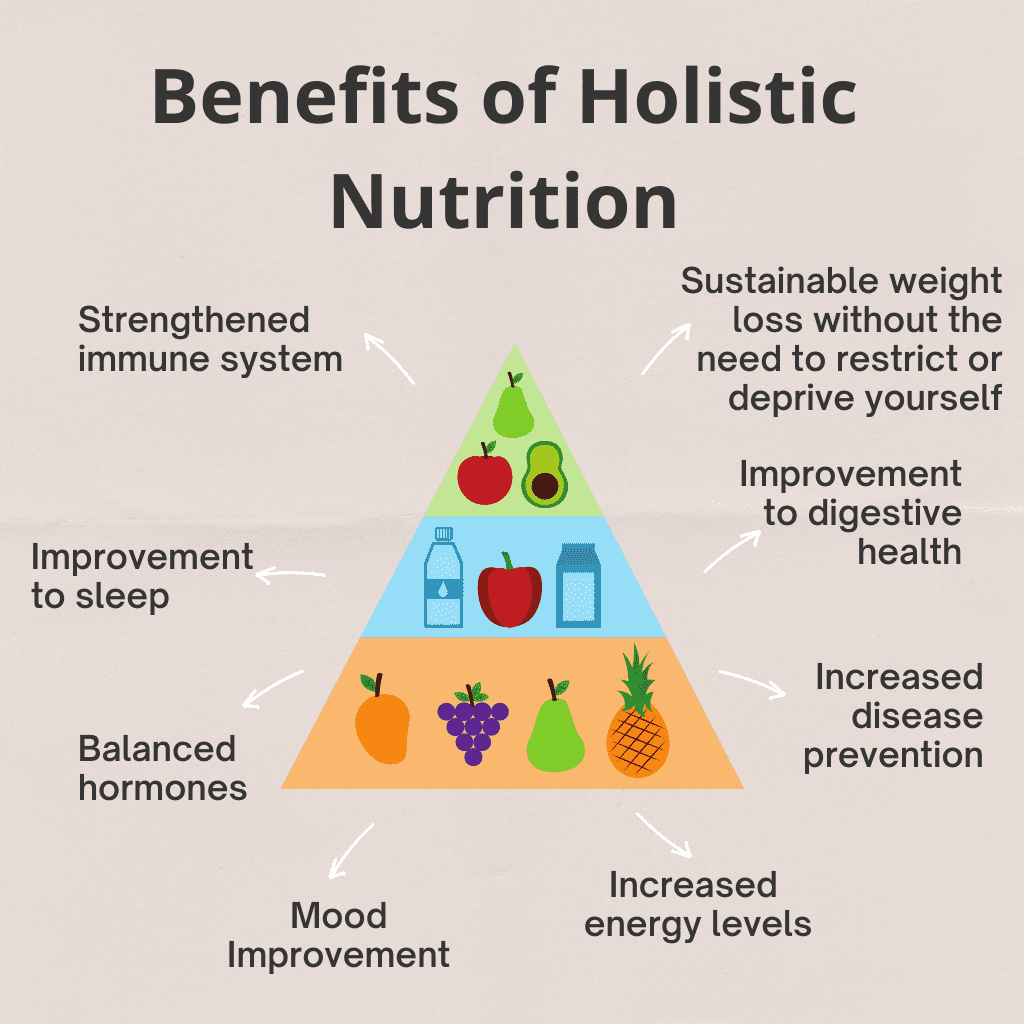
Embracing a holistic approach to nutrition can offer a wide range of benefits for your overall health and well-being. Here are some of the key advantages of following a holistic nutrition plan:
1. Improved Digestion Whole, unprocessed foods are easier for your body to digest and can help promote a healthy gut microbiome, which is essential for proper digestion and nutrient absorption.
2. Increased Energy Levels By fueling your body with nutrient-dense foods, you can boost your energy levels and combat fatigue, allowing you to feel more vibrant and alert throughout the day.
3. Enhanced Immune Function Certain foods, such as fruits, vegetables, and whole grains, are rich in vitamins, minerals, and antioxidants that can help support your immune system and reduce your risk of illness and disease.
4. Weight Management Holistic nutrition focuses on nourishing the body with whole foods that provide essential nutrients while limiting the intake of empty calories and processed foods, which can help support healthy weight management.
How to Implement Holistic Nutrition in Your Daily Life
Now that you have a good understanding of what holistic nutrition is and why it’s beneficial, you may be wondering how you can start incorporating these principles into your daily life. Here are some practical tips to help you embrace a holistic approach to nutrition:
1. Meal Planning Take the time to plan your meals ahead of time to ensure that you have a variety of nutrient-dense foods on hand throughout the week. This will help you make healthier choices and avoid the temptation of reaching for processed snacks or fast food.
2. Shop Mindfully When shopping for groceries, try to choose organic and locally sourced foods whenever possible. Look for whole, unprocessed foods, such as fruits, vegetables, whole grains, and lean proteins, to nourish your body and support your overall health.
3. Cook at Home Preparing your meals at home allows you to control the ingredients you use and customize your dishes to meet your nutritional needs. Get creative in the kitchen and experiment with different flavors and ingredients to keep things exciting and enjoyable.
4. Practice Mindful Eating Eating mindfully involves paying attention to your food, savoring each bite, and listening to your body’s hunger and fullness cues. By tuning into your body’s signals, you can develop a healthier relationship with food and make more conscious choices about what and how much you eat.

Common Misconceptions About Holistic Nutrition
There are several misconceptions about holistic nutrition that may prevent some people from embracing this approach to health and wellness. Let’s debunk some of the common myths surrounding holistic nutrition:
Myth: Holistic nutrition is only about food. While food is a central component of holistic nutrition, this approach also emphasizes other factors, such as stress management, physical activity, sleep, and emotional well-being, that contribute to overall health and wellness.
Myth: Holistic nutrition is complicated and expensive. Holistic nutrition can be as simple or as complex as you make it. It doesn’t have to be costly or time-consuming to incorporate healthy, whole foods into your diet. With some planning and creativity, you can enjoy a nutritious and delicious meal without breaking the bank.
Myth: Holistic nutrition is only for health enthusiasts. Holistic nutrition is for everyone, regardless of your level of interest or knowledge about health and wellness. Whether you’re just starting on your wellness journey or you’re a seasoned health enthusiast, holistic nutrition can help you achieve your health goals and feel your best.

Conclusion
In conclusion, holistic nutrition is a powerful approach to health and wellness that emphasizes the interconnectedness of body, mind, and spirit. By focusing on nourishing the body with whole, unprocessed foods and embracing a holistic lifestyle that supports overall well-being, you can achieve optimal health and vitality. So, why not start incorporating some of these holistic nutrition principles into your daily life today? Your body will thank you for it!